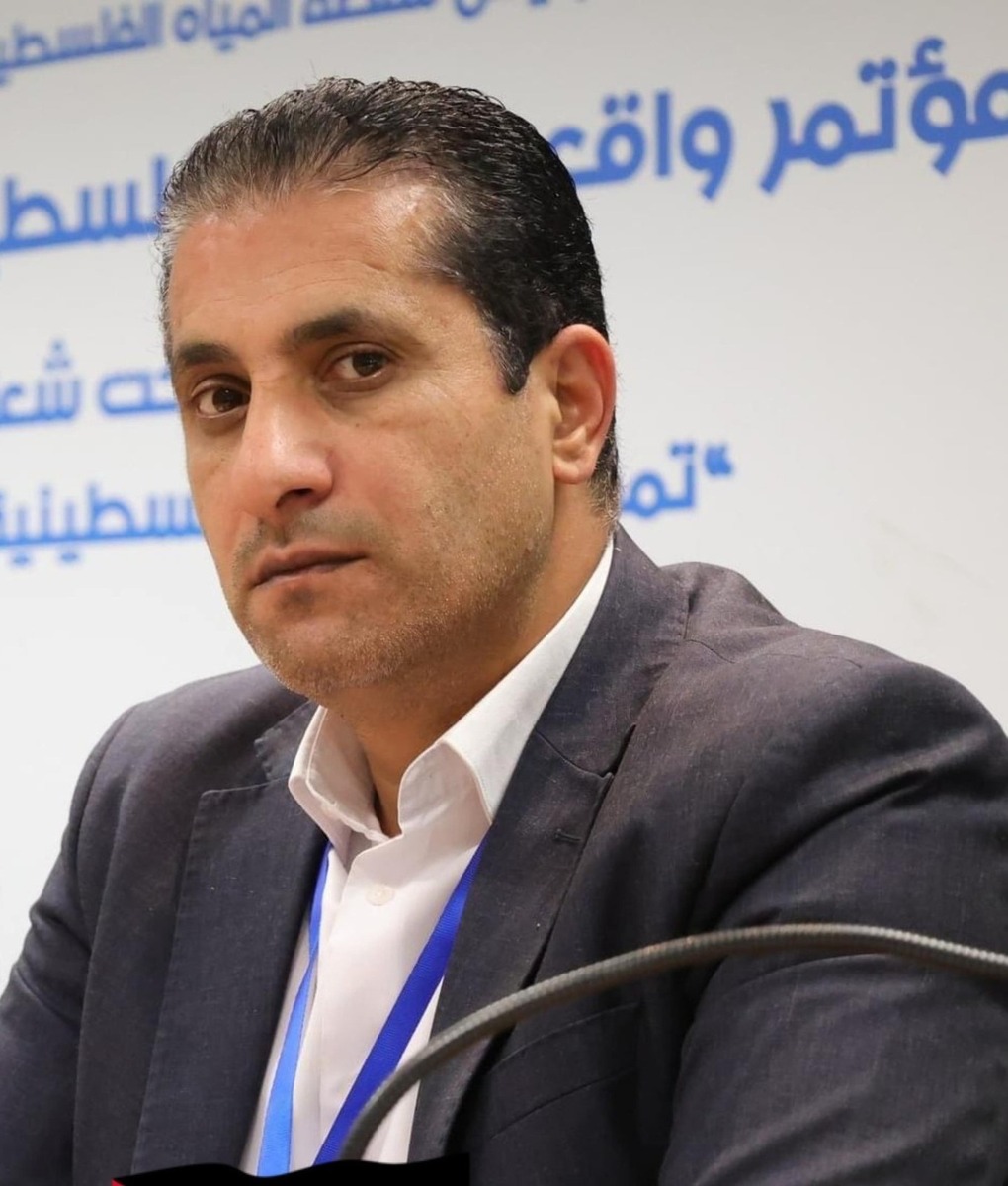






Amin Al-Hajj
When Benjamin Netanyahu declared with overconfidence, "I said we would change the face of the Middle East, and that is what we are doing today," he did not mean change in the positive or reformist sense, but rather the creation of a "new" regional reality built at the expense of peoples and their rights. In other words, the "re-engineering" of the region according to Israeli and Western standards; a subjugated, domesticated Middle East, devoid of will, governed by the logic of force and hegemony, upon which a forced peace is imposed, while its central issues are assassinated, foremost among them the Palestinian issue.
But the question that imposes itself today is: Which Middle East is being shaped? And who benefits?
Netanyahu may not have exaggerated when he said the Middle East is changing, but he overlooked the fact that change, like history, cannot be monopolized or managed by a single will. Indeed, the Middle East is undergoing dramatic and accelerating transformations: the collapse of alliances and the emergence of others, a reshuffling of priorities, and major battles that are reshaping the landscape. The most prominent of these are the ongoing war of extermination in Gaza, the war on Iran, Yemen, and Lebanon, and the "involvement" of the United States in them. Thus, we find that the security of the region has become more fragile, while the "dream of peace" is shattered on the walls of Gaza and Bab al-Amud, or by the action of pent-up Arab popular resentment that has not yet been granted the right to express itself.
Although regimes have rushed towards normalization, and regional development projects have been stalled, or almost, these changes - despite their drama - have no indication, or even guarantee - their "sustainability," and nothing suggests long-term stability. Rather, many of them are superficial, temporary, and fragile.
The most obvious equation today is that the Middle East is being managed like a chessboard. Tel Aviv seeks to expand its influence and settle scores, while Washington intervenes when the fire approaches its interests and withdraws when the horizon becomes vague. Or so it seems. Meanwhile, Iran responds with unconventional methods, while Turkey, Egypt, and other Arab states are redrawing their roles in a rapidly, if hesitantly, changing geopolitical environment.
However, the most dangerous - and perhaps the most important - actor quietly reasserting itself are the people. The Arab peoples, who have long been portrayed as "silent blocs", have become more aware of their separation from their rulers and have come to realize that the "new Middle East" is being built on the ruins of their will. The gap between the ruler and the ruled has reached its peak, and silence no longer equates to acceptance. Rather, what was being plotted behind closed doors has come to light and may explode in the streets at any moment.
Tel Aviv, which thought it was on the verge of a "lasting peace," will discover that it has dug up hornets' nests, not only in Palestine, but in every Arab home. The anger is no longer Palestinian alone, but rather cumulative, widespread, and deeply rooted, because it has awakened in the hearts of Arabs questions of identity, dignity, and justice.
The radical shift is not just in redrawing borders or breaking alliances, but in the quiet and dangerous shift in the consciousness of the Arab street. At the moment when Tel Aviv thought it had achieved its dream, it will have in fact opened countless fronts for itself. Normalization no longer silences voices, but rather portends a shift into political and social movement in more than one place, even if it is still under the ashes.
Then the crowd will realize that the calculations of the threshing floor were completely different from the calculations of the field, and that what is happening today is not the end of history, but its true beginning.
Will we witness a Middle East as Netanyahu intended, with new chapters of dependency being written in the name of "political realism"? Or as research and study centers envision it? Or will it be written by its own people this time, with change coming from within, from the streets, from the depths of the oppressed, from the consciousness of the people—a change the West cannot control as it did in the past? These are open questions... and the answers are subject to the spark of an explosion!

ג 24 יונ 2025 9:39 am - שעון ירושלים
The New Middle East... When illusions are built on the crater of a volcano!
שתף את דעתך
The New Middle East... When illusions are built on the crater of a volcano!