PALESTINE

Sat 11 Oct 2025 12:28 pm - Jerusalem Time

Hundreds of thousands continue to return on the second day of the ceasefire in Gaza.

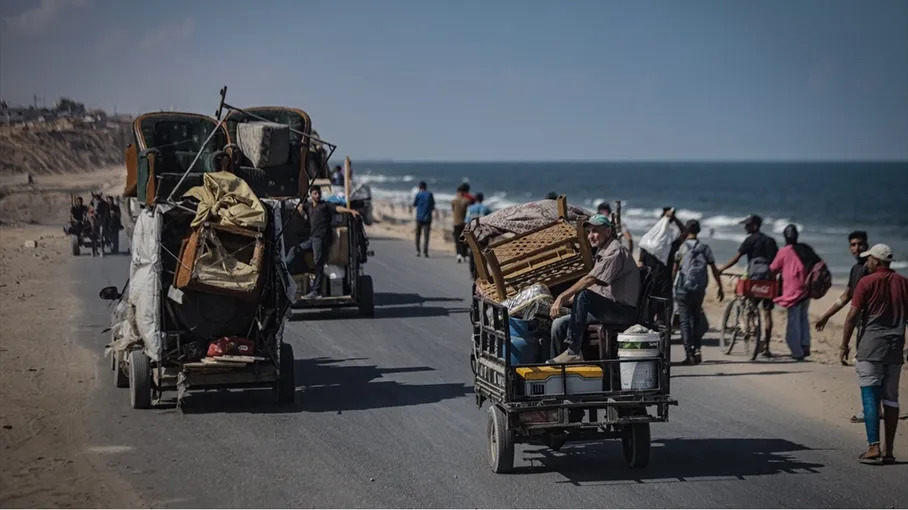
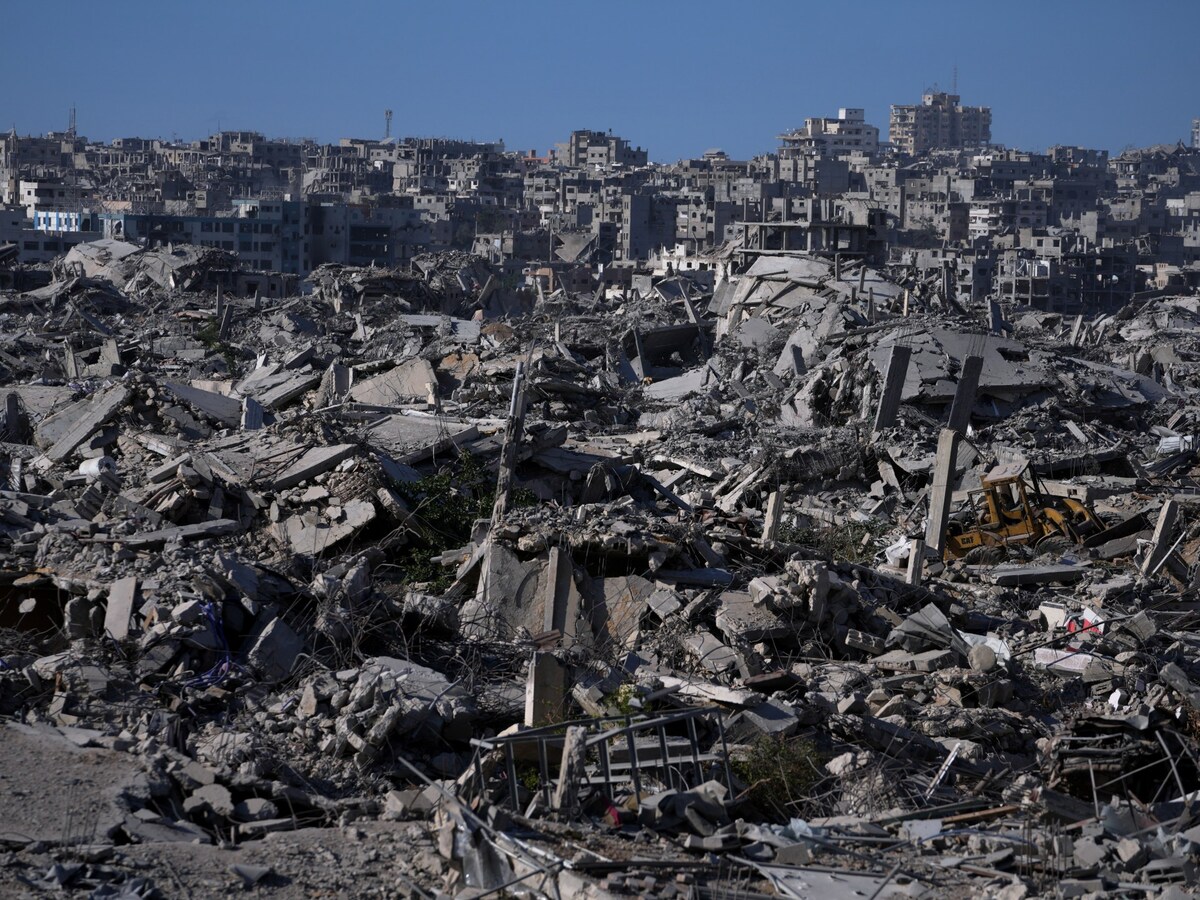
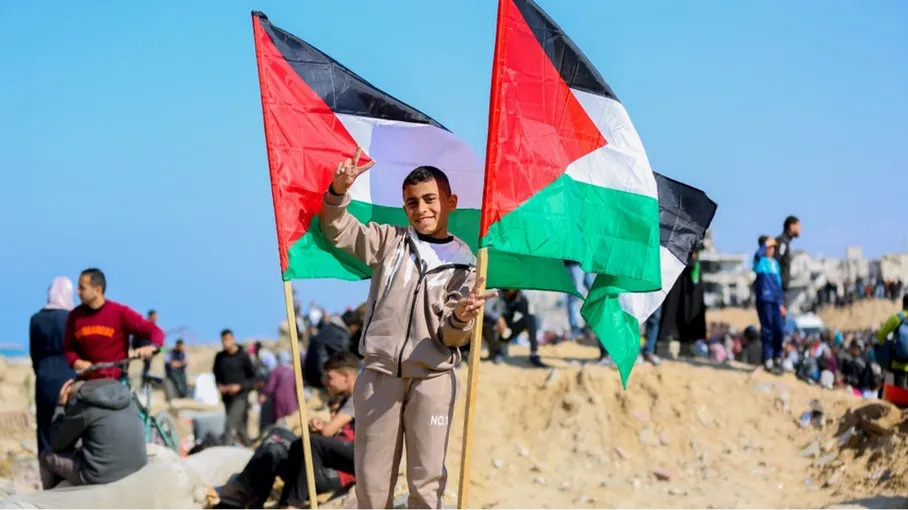
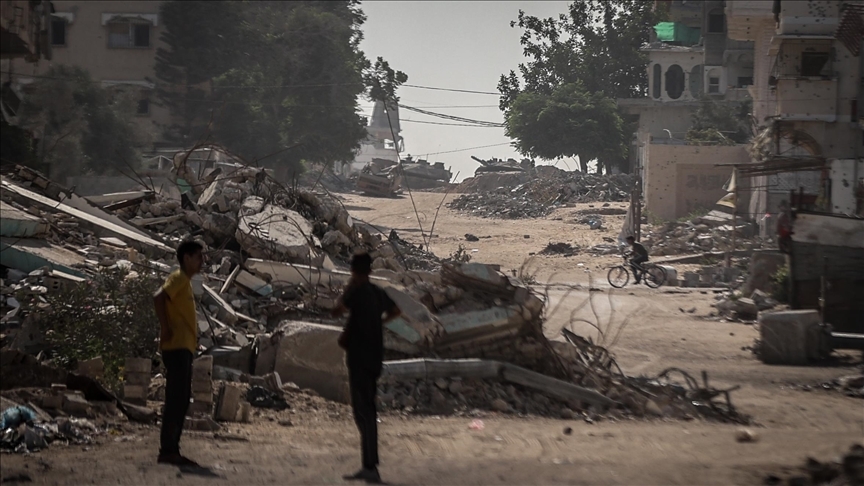
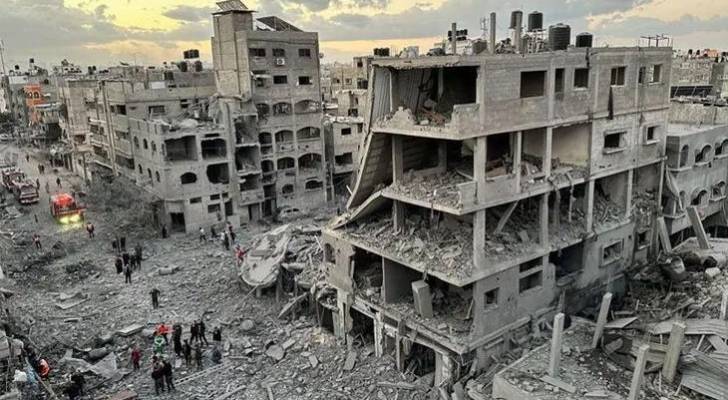
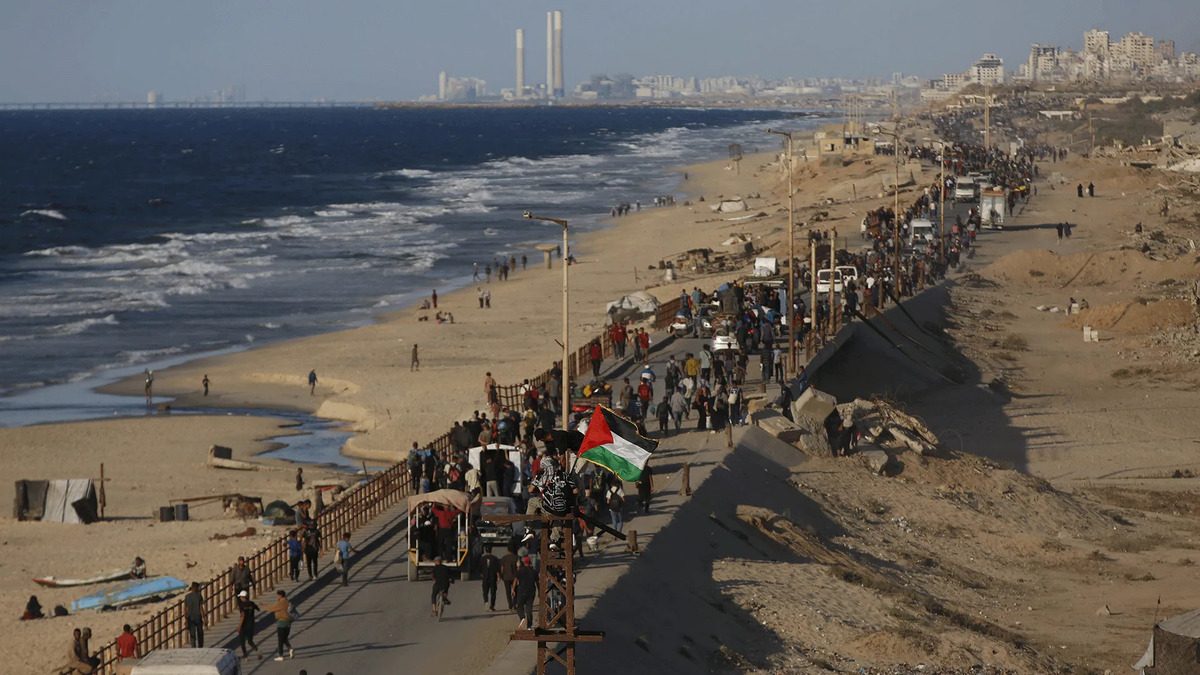
Hundreds of thousands of displaced Palestinians continue to return to the city of Gaza and other areas, amidst tons of rubble and destruction left by the Israeli aggression on the Gaza Strip over the past two years.

Along the streets of Al-Rasheed and Salah al-Din, returning families walk on foot carrying their children and few belongings, and many of them find no homes to return to.

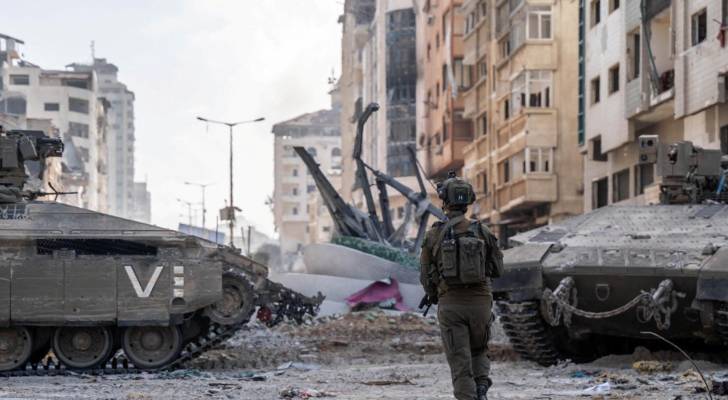
Palestinians have also managed to return to the center of Khan Younis in southern Gaza after Israeli military vehicles withdrew from the city center following the announcement of a ceasefire.

The mayor of Khan Younis stated that 85% of Khan Younis Governorate is destroyed, adding that 400,000 tons of rubble must be removed from the city's streets.

He continued that 300 kilometers of water networks in the city have been destroyed, and 75% of the sewage network in the city is also destroyed.

He also explained, "We have to deal with more than 350,000 tons of waste in the city," pointing to the urgent need for modern machinery to handle the rubble.

The military operation that lasted more than 5 months in Khan Younis caused unprecedented destruction to its buildings and commercial, health, and educational facilities.

The returnees emphasize their determination to stay on their land and not leave it despite the difficult and complex reality left by the Israeli war machine.

The Ministry of Interior in Gaza stated that police and security forces have been deployed in areas from which the occupation army has withdrawn to restore order and address the chaos that the occupation sought to spread.

The Ministry of Interior called on citizens to preserve public and private property and to cooperate and adhere to the directives and instructions that will be issued by the relevant authorities.

The mayor of Gaza, Yahya Al-Saraj, said that the priority at the moment is to prepare for the return of those coming from the southern part of the sector.

He explained in an interview with Al Jazeera that the resources are almost nonexistent to prepare the roads, confirming that the municipality is in contact with several parties to provide the necessary equipment as soon as possible.

Local authorities in Gaza City have begun to open roads in the city, as images showed bulldozers removing rubble and debris from one of the streets.

Such operations are expected to continue due to the extent of the destruction inflicted by Israeli forces on the infrastructure and housing in various areas of the Gaza Strip.

In this context, the Gaza government stated that it has completed more than 5,000 field, service, and humanitarian tasks within 24 hours as part of an emergency plan to gradually restore life to the sector.

The spokesperson for the Gaza municipality mentioned that the current priority is to secure water, open streets, collect waste, and address sewage problems.

Some displaced individuals expressed their cautious joy about this agreement, hoping it would contribute to a permanent end to the war, while hundreds of displaced people who reached their residential areas were forced to set up tents on the ruins of their homes after they were destroyed by the Israeli genocide.

The first phase of the ceasefire agreement between Hamas and Israel came into effect at 12:00 PM on Friday, Jerusalem time, after the Israeli government approved the agreement at dawn.

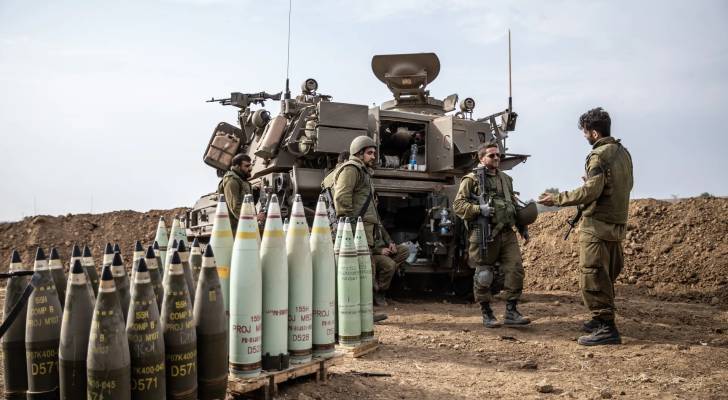
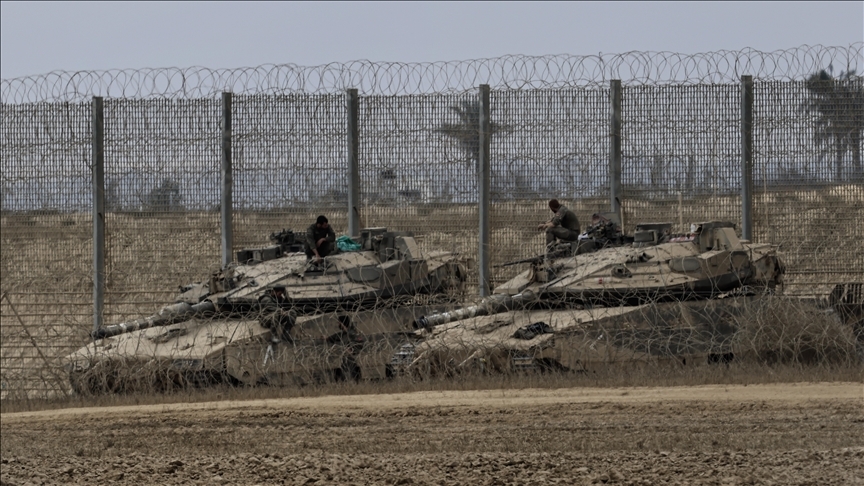
The Israeli army's withdrawals included Gaza City, except for the Shuja'iyya neighborhood and parts of the Al-Tuffah and Al-Zeitoun neighborhoods.

In Khan Younis, the army withdrew from central areas and parts of the east, while preventing Palestinians from entering the towns of Beit Hanoun and Beit Lahia and the city of Rafah.

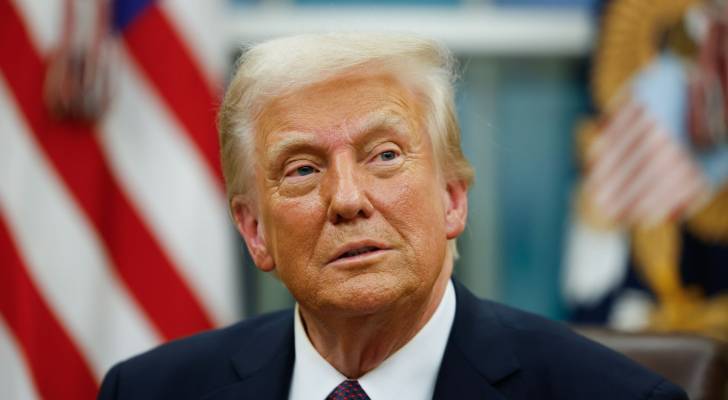
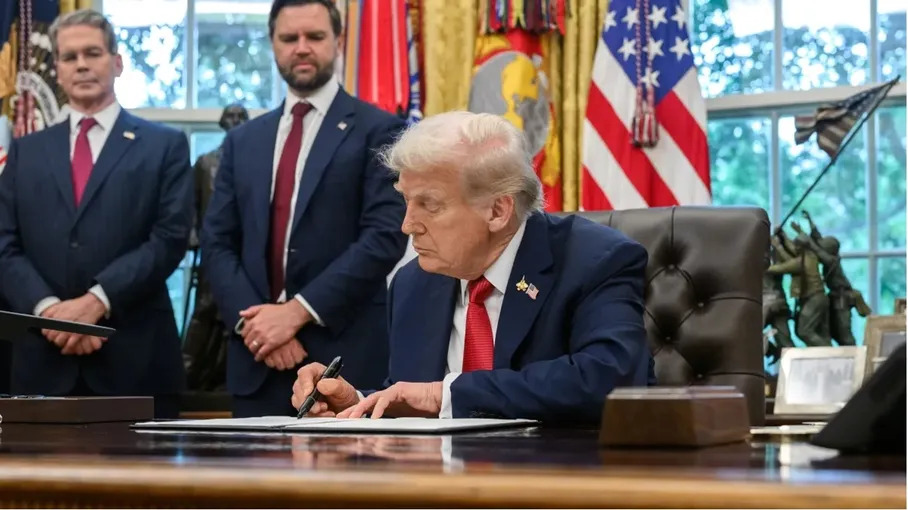
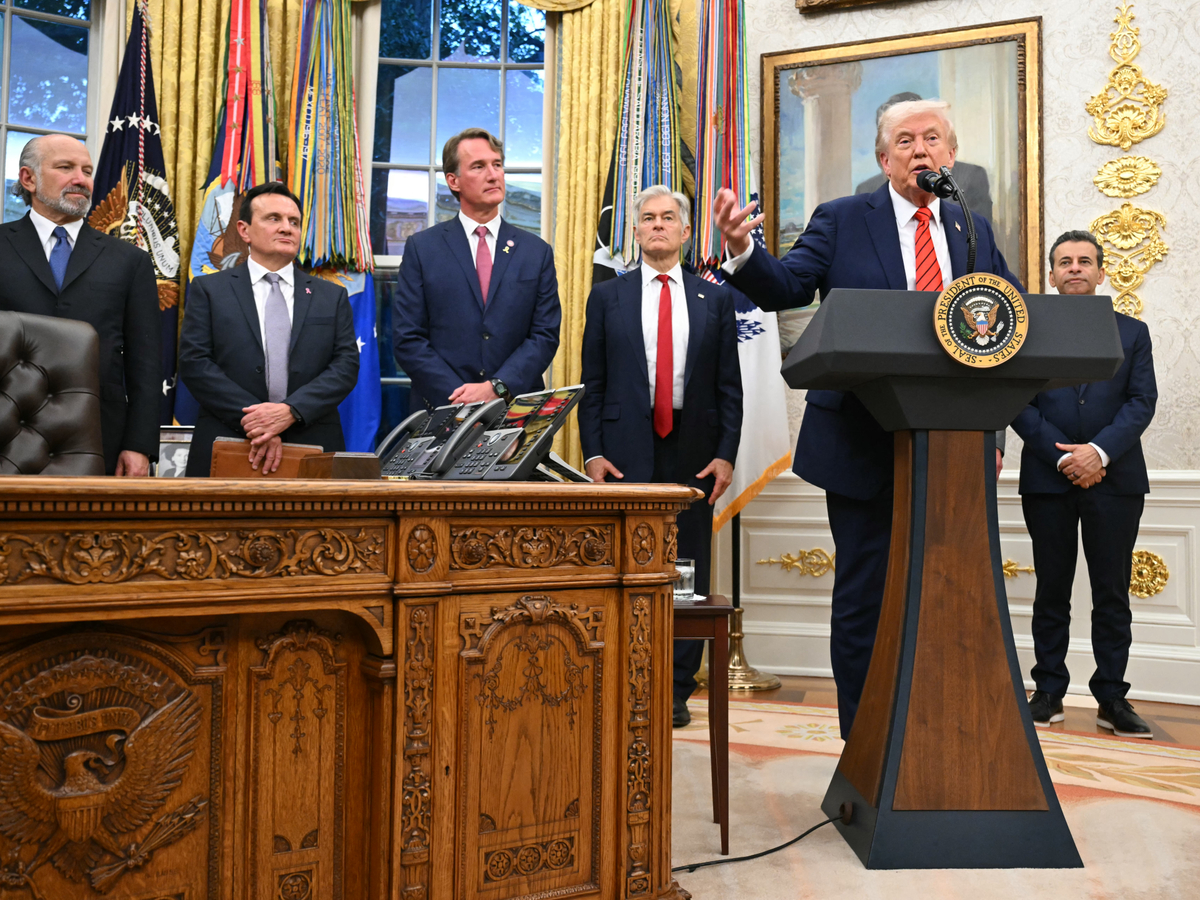
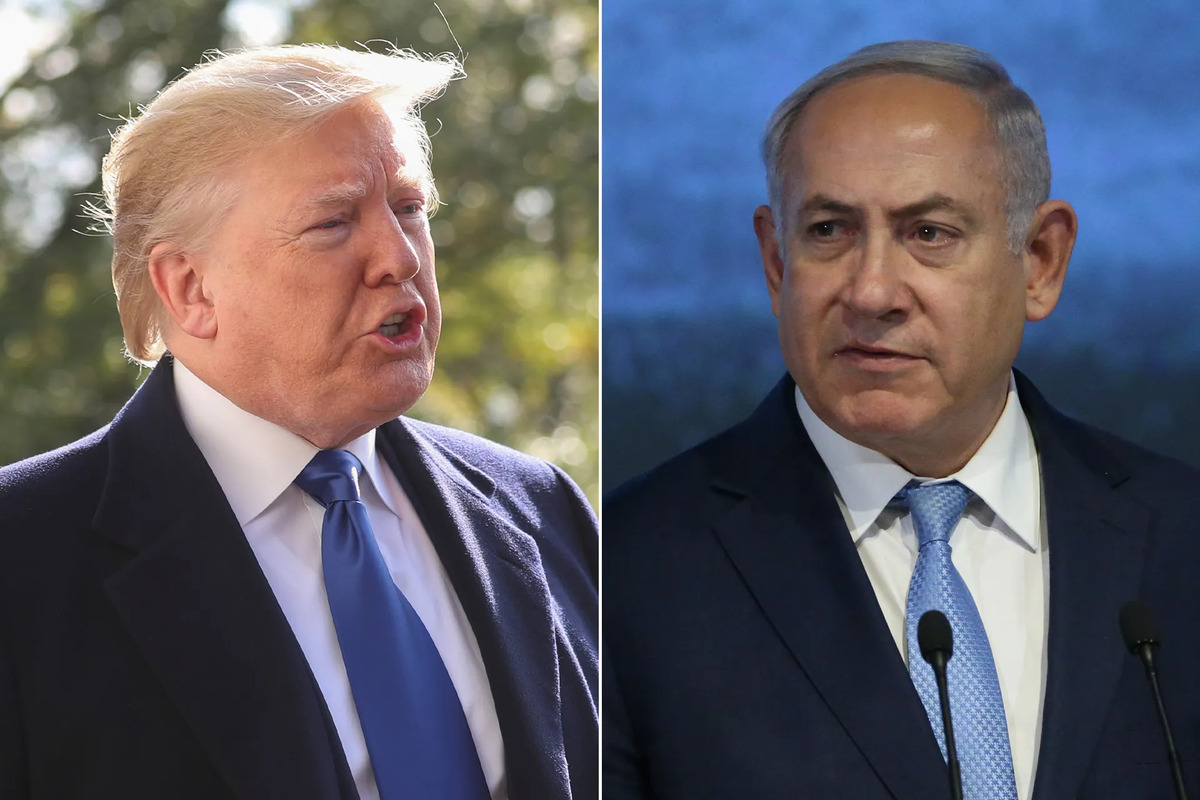
The agreement is based on a plan proposed by U.S. President Donald Trump, which calls for ending the war, a gradual withdrawal of the Israeli army, mutual release of prisoners, immediate entry of aid into the sector, and disarmament of Hamas.

The approval of its first phase came after 4 days of indirect negotiations between the two parties at a resort in Sharm El-Sheikh, with the participation of Turkey, Egypt, and Qatar, and U.S. oversight.

With U.S. support, Israel has committed genocide in Gaza since October 8, 2023, for two years, resulting in at least 67,211 martyrs and 169,961 injured, most of whom are children and women.

PALESTINE

Sat 11 Oct 2025 12:14 pm - Jerusalem Time

The escalation of "pastoral settlement" threatens the existence of Palestinian Bedouin communities.

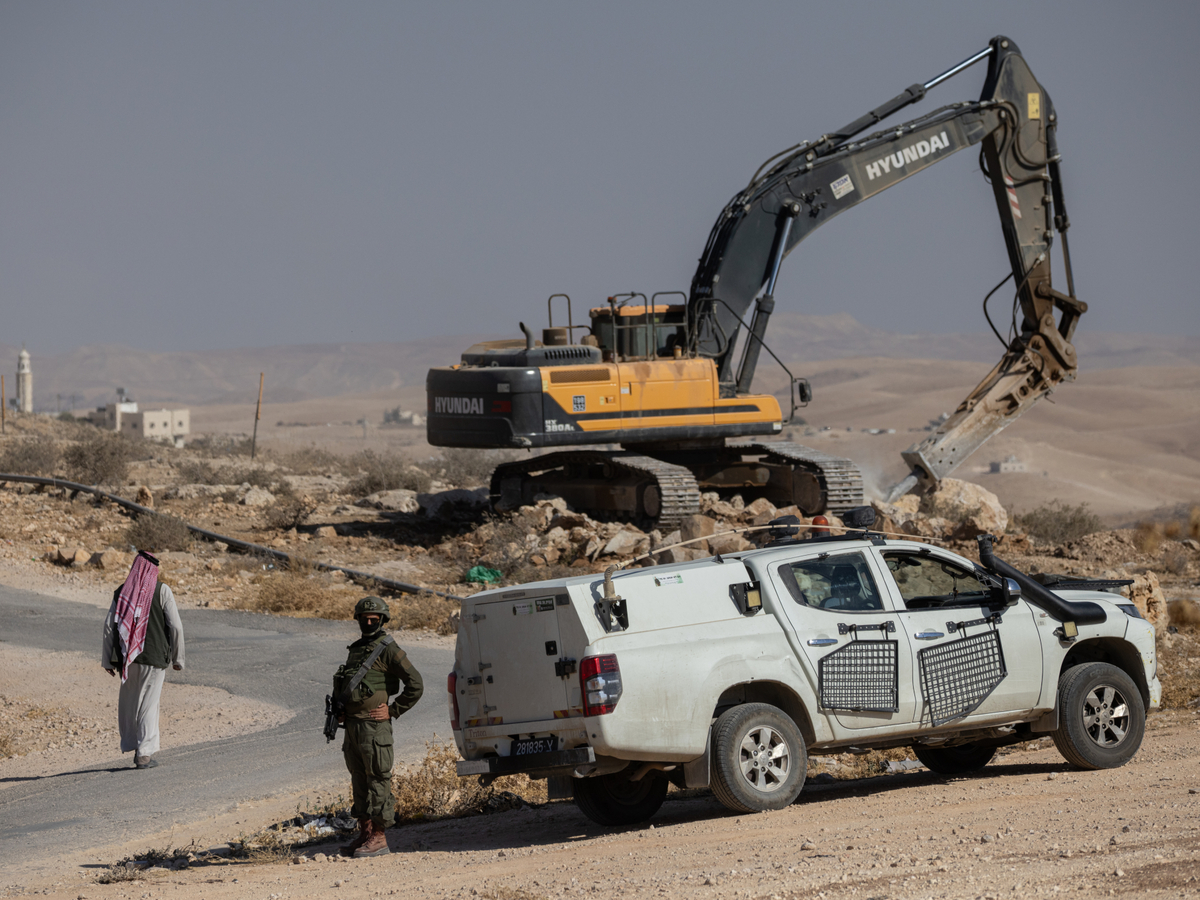
The concern among the residents of the Palestinian Bedouin communities in the occupied West Bank is escalating, with the increasing assaults by Israeli settlers and their seizure of land and vital resources as part of what is known as "pastoral settlement."

In the Jordan Valley of the West Bank, Nayef Al-Jahalin, one of the Bedouin livestock herders, is increasingly worried about the future of his family and his Bedouin community in Ras Ain Al-Auja, as Israeli settlements continue to expand in the area.

Al-Jahalin (49 years old) states that in the past two years, settlement outposts have proliferated, transforming from mobile homes to concrete houses built within 100 meters of the Bedouin residences.

In May of last year, settlers seized the main water spring in the village and diverted its course, exacerbating the suffering of the residents who now live in a constant state of alert to protect their water and electricity sources from vandalism and to prevent settlers from grazing their livestock near their homes.

Al-Jahalin confirms that the aim of these harassments is to drive the residents away and displace them, in the absence of any real protection, which he discussed with several villagers during a meeting to coordinate efforts to confront these threats.

Meanwhile, Abu Talib (75 years old), one of the residents of the community, expresses his sorrow over the current situation, saying, "I was raised on this land, and our lives were simple and self-sufficient, but today my grandchildren live in constant fear, fearing the settlers wherever they go."

Most residents of the community rely on livestock farming, making them particularly vulnerable to what is known as "pastoral settlement," a strategy employed by settler groups by sending groups of settlers to gradually seize land.

The occupying government supports and arms settler militias to assault Palestinians in Bedouin communities and villages, pushing them to migrate after destroying and burning their homes, seizing thousands of dunams of their grazing lands and water springs, and establishing settlements on their land under the pretext of providing spaces for the grazing of settlers' livestock.

Younis Ara, from the Wall and Settlement Resistance Commission, states that these groups "provide new settlers with small herds and direct them to settle in specific areas, where they begin to raise livestock under armed protection."

The occupied West Bank has witnessed rapid settlement expansion since 1967, with more than half a million Israeli settlers currently living there in settlements that the United Nations considers illegal under international law, amidst around 3 million Palestinians.

In parallel with the genocide in Gaza since October 7, 2023, at least 1,050 Palestinians have been killed in the West Bank – including East Jerusalem – and about 10,300 others have been injured, with more than 20,000 arrested, including 400 children, according to official Palestinian data.

PALESTINE

Sat 11 Oct 2025 12:02 pm - Jerusalem Time

In a new violation of the agreement, the occupation targets civilians in Jabalia.

In a new and serious violation of the ceasefire agreement, the occupation's artillery targeted a group of civilians in the Jabalia camp in northern Gaza this afternoon, resulting in several injuries.

This targeting occurred on the third day of the ceasefire, which was supposed to pave the way for the implementation of the terms of a historic agreement to end the war.

According to the Palestinian Media Center, the occupation's artillery fired several shells targeting a gathering of citizens at the beginning of Al-Ajarmah Street in the Jabalia refugee camp.

Immediately, ambulances and rescue teams rushed to the scene and worked to transport several injured individuals, some of whom were described as having moderate to serious injuries, to nearby hospitals for treatment.

Analysts believe that this targeting may carry multiple political messages; on one hand, it could be an attempt by hardline elements within the occupation's army to undermine the agreement and reshuffle the cards on the ground.

This violation places the mediators (Egypt, Qatar, and the United States) in a significant challenge and undermines the fragile trust that was built during the negotiations.

It also provides Palestinian factions with a justification to question the occupation's intentions and its ability to adhere to any agreement.

PALESTINE

Sat 11 Oct 2025 11:36 am - Jerusalem Time

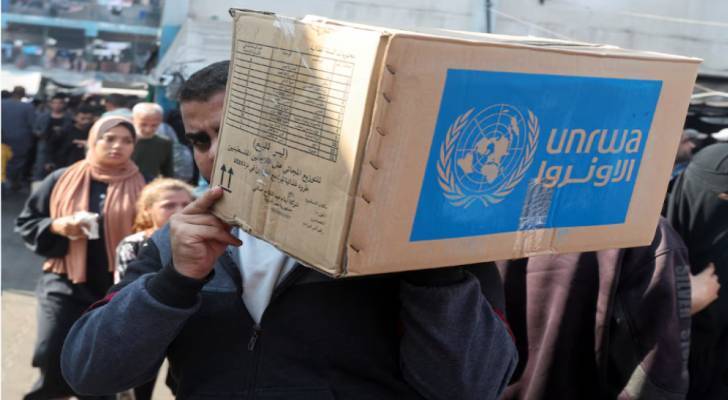
"UNRWA": We have food sufficient for Gaza for 3 months.. and we demand to be allowed to enter it immediately to stop the famine.

The United Nations Relief and Works Agency for Palestine Refugees in the Near East (UNRWA) confirmed on Saturday that it has a large food stockpile sufficient to meet the needs of the residents of the Gaza Strip for up to three full months, warning that the continued prevention of these aid supplies from entering the region will exacerbate the hunger crisis affecting hundreds of thousands of Palestinian families.

The agency stated in an official statement that this stockpile is currently located in its warehouses inside and outside the Palestinian territories, and includes essential food items such as flour, rice, oil, sugar, lentils, and other necessary supplies for the survival of the population.

UNRWA clarified that the entry of these food shipments has become "extremely critical to halt the worsening famine in Gaza," calling on all parties to facilitate the immediate and safe passage of humanitarian convoys.

PALESTINE

Sat 11 Oct 2025 10:27 am - Jerusalem Time

Economist: The obstacles to the Gaza agreement are significant due to a lack of trust and insistence on disarming Hamas.

The Economist stated that the diplomatic breakthrough in Gaza could be a "new beginning for the Middle East" following two years of atrocities and endless rounds of killing in Gaza.

In its main editorial and cover of this week's new issue, it pointed out that many U.S. presidents have worked to achieve a breakthrough in the intractable conflict between "Israel" and the Palestinians.

Now, after two years since the October 7 attacks, Donald Trump has joined the limited list of those who have succeeded.

The magazine added that the preliminary agreement between "Israel" and "Hamas" for a ceasefire and the release of prisoners opens a new vision for the Middle East, describing the opening as narrow, yet it remains the best opportunity for achieving lasting peace since the Oslo Accords of 1993 and 1995.

Although the current vision differs radically from the moribund Oslo approach, as it offers a shift from endless abstract negotiations over maps and hypothetical constitutional arrangements for "two states," it instead promises a practical approach, where Gaza is governed and rebuilt, and the militants who once controlled it are removed.

The Economist stated that both Israelis and Palestinians believe they have more to gain from coexistence than from destroying each other.

Success will be less about a celebration at the White House and more about "cement mixers" turning for over a decade in Gaza, curbing violent settlers in the West Bank, the fading threat of rockets, and the slow but increasing faith of ordinary people in a safer and more prosperous future.

The magazine commented that the peace agreement is a victory for Trump's transactional and bullying diplomatic style.

This came after both sides met in Sharm El Sheikh, Egypt, with negotiators from the U.S., Egypt, Qatar, and Turkey ready to apply pressure, and although the details have not yet been announced, Hamas is expected to release the twenty Israeli prisoners still alive, alongside a parallel release of Palestinian prisoners by Israel, a flow of aid, and a partial withdrawal of the Israeli occupation army from the major cities in Gaza, to what Trump called a "mutually agreed line."

Under Trump's 20-point plan, a technocratic government will be formed in the next phase to rebuild Gaza while excluding Hamas from power, which will be disarmed and secured by an international force, and Trump will head a supervisory council until the Palestinians take responsibility, perhaps under a (reformed) Palestinian authority, with the ultimate goal being what Trump calls "permanent peace" between Israel and all Palestinian territories, but the obstacles to progress are enormous, the magazine says.

Negotiators from both sides still need to settle their disagreements over disarming Hamas, for example.

They may agree while planning to sabotage progress later.

With an estimated 78 percent of Gaza's buildings damaged and few remaining industries, the reconstruction process may stumble, and more importantly, ordinary Israelis and Palestinians have lost faith in the possibility of peace.

After thirty years of Oslo, and following October 7, most Israeli Jews see the Palestinian territories as a quasi-failed state; in 2012, 61 percent of Israelis supported a two-state solution, and now perhaps only a quarter of them do, with many showing alarming indifference to the loss of Palestinian lives.

For their part, Palestinians see "Israel" as a rogue state committed to occupying their land and routinely unleashing violence; in a poll in May, 50 percent of them supported the October 7 attacks, and 87 percent denied that Hamas had committed atrocities, while 41 percent supported armed resistance.

However, there are reasons for hope, the Economist says, and the end of the war could lead to a change in leadership on both sides, with the remnants of Hamas being persuaded or forced to abandon any official role in the Gaza government.

Polls also indicate that elections in Israel could lead to Benjamin Netanyahu's departure from office and the end of his coalition with far-right parties.

The magazine adds that prospects have improved abroad; globally, public focus is on peace after years of neglect, and America has a president who is not afraid to pressure Israel strongly, while the willingness of Arab Gulf states not only to fund the reconstruction of Gaza but also to support the peace process, and perhaps help provide security, is a significant step forward, and this is a positive development, according to the magazine, as external parties will need to curb the destructive impulses on both sides.

After pressing Israel to end the war on Iran, rebuking it for striking Qatar, and pushing it toward a prisoner deal, Trump must strive to push Netanyahu or his successor to limit the expansion of Jewish settlements, and he must support Palestinian institutions by preventing Israel from depriving them of customs revenues and stopping

PALESTINE

Sat 11 Oct 2025 10:00 am - Jerusalem Time

19 dead and the recovery of 135 other bodies in Gaza in one day

Medical sources reported, after midnight, that the bodies of 155 martyrs arrived at hospitals in the Gaza Strip over the past 24 hours, including the bodies of 135 martyrs that were retrieved from under the rubble.

The sources mentioned that 19 martyrs were killed by the occupation's fire yesterday, Friday, in addition to a citizen who died from previous injuries.

According to the same sources, 16 citizens were martyred due to the bombing of a house belonging to the Ghaboun family south of Gaza City, a citizen was martyred in the Sheikh Radwan neighborhood in the northern part of the city, and two citizens were martyred in an airstrike by the occupation army south of Khan Younis in the southern part of the Strip.

U.S. President Donald Trump announced on Thursday that Hamas and Israel had reached an agreement on the first phase of his plan for a ceasefire and prisoner exchange, following four days of indirect negotiations between the two parties in Sharm El Sheikh.

The first phase of the agreement went into effect at 12:00 PM on Friday, Jerusalem time (09:00 GMT), after the Israeli government approved the agreement in the early hours.

Hundreds of thousands of Palestinians flocked to Gaza City to return to their homes and places of residence despite the destruction the city has suffered.

At the same time, the Ministry of Interior in Gaza announced the start of deployment to restore order, while civil defense teams began extensive search operations for the missing and retrieving the bodies of the martyrs.

With U.S. support, Israel has committed genocide in Gaza since October 8, 2023, resulting in at least 67,211 martyrs and 169,961 injured, most of whom are children and women, and famine that claimed the lives of 460 Palestinians, including 154 children.

PALESTINE

Sat 11 Oct 2025 9:10 am - Jerusalem Time

The International Court of Justice is preparing to issue a decisive ruling regarding "Israel's" obstruction of the United Nations' work in Palestine.

In a new and pivotal international legal station, the world's eyes are on The Hague, where the International Court of Justice, the highest judicial body in the United Nations, is set to issue its decisive advisory opinion on October 22 of this month.

This opinion will address the legal obligations of the Israeli occupying entity regarding the presence and activities of the United Nations and its various organizations in the occupied Palestinian territories.

This anticipated decision comes at a time when the work of UN and humanitarian organizations, led by the United Nations Relief and Works Agency for Palestine Refugees (UNRWA), is facing systematic targeting and unprecedented obstruction, which gives this advisory opinion exceptional political and legal significance.

The court's move came at the direct request of the United Nations General Assembly, which adopted a historic resolution at the end of last year requesting a legal opinion (advisory opinion) from the International Court of Justice.

The resolution received overwhelming support from the international community, with 137 countries voting in favor, compared to only 12 opposing, and 22 abstaining from voting.

This broad voting reflects the extent of international consensus on the necessity of holding the occupying entity accountable for its practices and rejecting its policies aimed at undermining the work of international organizations in the occupied Palestinian territories.

The advisory opinion aims to determine the legal nature of the obligations of the occupying entity, as an occupying power, towards the United Nations and its specialized agencies (such as UNRWA, the World Food Programme, and the World Health Organization), in addition to other international organizations and third countries that provide assistance to the Palestinian people.

Although the advisory opinions issued by the International Court of Justice are not legally binding in a direct manner, they carry significant legal and moral weight and establish a binding interpretation of international law.

This opinion is expected to provide a strong legal tool for countries and organizations to demand an end to the blockade and restrictions imposed by the occupation on their work, such as preventing the entry of aid, targeting their headquarters and staff, and imposing restrictions on the movement of humanitarian workers.

This decision does not come in a vacuum; rather, it builds on another historic advisory opinion that the court issued earlier, which ruled that the Israeli occupation of the Palestinian territories is illegal and called for its termination within one year.

This new opinion is considered an additional and complementary step; after the court determined the illegality of the occupation itself, it is now in the process of defining the legal consequences of this illegal occupation's practices, specifically its obstruction of the work of organizations that represent the international will.

As the date for the issuance of the decision approaches, anticipation grows for the potential political and diplomatic repercussions it may carry, which could increase the isolation of the occupying entity and place additional pressure on the supporting countries to review their policies.

PALESTINE

Sat 11 Oct 2025 8:18 am - Jerusalem Time

American forces arrive in Tel Aviv to participate in overseeing the implementation of the ceasefire in Gaza.

An American network reported from a knowledgeable source that American forces have begun to arrive in the occupied territories to play their role in supporting the ceasefire agreement and overseeing its implementation on the ground.

These developments mark the beginning of direct international involvement to ensure that all parties adhere to the terms of the agreement reached to end military operations in the Gaza Strip.

The source confirmed that American forces have indeed started to arrive in the occupied territories, with some stationed in specific areas to monitor the application of the agreement and watch for any potential violations of the truce.

This step represents the first direct involvement of American forces in monitoring the implementation of the ceasefire agreement on the ground, following weeks of intense fighting in Gaza.

The mission of the American forces is to support and oversee the agreement by coordinating efforts between the occupying forces and international monitoring agencies to ensure the full and effective implementation of the agreement's terms.

Any attempts to breach the truce will be monitored, and the forces will intervene using available means to stabilize the situation according to the internationally established framework.

The arrival of American forces is an indication of the extent of international involvement in monitoring and implementing the agreement, especially after the widespread displacement and significant destruction witnessed in Palestinian cities during the recent war.

The intervention also aims to build trust between the parties and ensure that armed confrontations do not occur unexpectedly, as it represents a message of diplomatic and military support from the United States for efforts to achieve stability in the region.

This phase is expected to be followed by ongoing assessment procedures, including coordinating the work of American forces with the United Nations and humanitarian agencies to ensure the safety of civilians and follow up on reconstruction efforts.

PALESTINE

Sat 11 Oct 2025 7:30 am - Jerusalem Time

"Trump" announces Chinese and Russian support for the Gaza agreement.. and the occupation army begins its redeployment.

U.S. President Donald Trump expressed confidence that the ceasefire agreement that took effect in Gaza yesterday, Friday, 'will hold,' revealing broad international support for the deal that included Russia and China, as well as several Arab and Islamic countries.

In parallel, the civil defense in Gaza announced that around 200,000 civilians have begun returning to northern Gaza since the truce came into effect, following weeks of forced displacement and significant humanitarian suffering.

In statements to reporters at the White House, President Trump said: 'It will hold. I believe it will hold. They are all tired of fighting,' confirming that he will visit the occupying entity and Egypt soon to follow up on the implementation of the plan.

PALESTINE

Sat 11 Oct 2025 7:18 am - Jerusalem Time

Will the Gaza agreement hold? Trump responds

U.S. President Donald Trump stated that the process of retrieving the bodies of the killed prisoners from underground in Gaza has begun, describing the mission as 'very difficult.'

Trump added that 'the deal signed regarding Gaza is great for Israel, for Arabs and Muslims, and for the whole world,' noting that it includes the return of prisoners on Monday and the recovery of about 28 bodies.

He explained in remarks to reporters at the White House that 'he will visit Israel to give a speech in the Knesset, and he will also visit Egypt,' indicating that 'the entire Middle East will enjoy peace, not just Gaza.'

He continued that 'several wealthy countries will participate in the reconstruction of the sector,' expressing confidence that the Israeli ceasefire, which came into effect in the Gaza Strip on Friday, will hold, as Israel and Hamas are tired of fighting.

Trump told reporters, 'It will hold. I believe it will hold. They are all tired of fighting.'

Earlier, Hamas Political Bureau member Ezzat al-Rishq stated that Netanyahu is working to 'end the issue of prisoners by starving them after failing to locate them and killing them through bombardment.'

Al-Rishq held Netanyahu and his Nazi government fully responsible for this, stating that they are the ones who waged a war of starvation and thirst against our people, and its effects have extended to affect their prisoners as well.

He pointed out that 'the resistance treats its prisoners based on the teachings of their religion and their human values, feeding them what they eat and giving them what they drink, just like all our people.'

He added that the world has witnessed in previous exchange operations, 'how the occupation's prisoners emerged from the grip of the resistance in full physical and psychological health.'

He continued, 'As for today, they are suffering from hunger, emaciation, and weight loss, just as their captors are suffering, in a single scene that unites them with our besieged people in the sector.'

The Hamas leader clarified that 'the unjust siege imposed by Netanyahu on our people has extended to encircle their prisoners as well, so they have not been spared from the yoke of brutal starvation.'

PALESTINE

Sat 11 Oct 2025 2:08 am - Jerusalem Time

Trump: The Gaza agreement will hold, and Hamas and Israel are tired of fighting.

U.S. President Donald Trump expressed confidence that the ceasefire in Gaza "will hold," as "Israel and Hamas are tired of fighting."

Trump told reporters on Friday evening, "It will hold. I believe it will hold. They are all tired of fighting," confirming that he will visit Israel and Egypt this weekend to attend the signing ceremony of the agreement.

The U.S. president confirmed that the Israeli prisoners held by Hamas "will return" on Monday, under the agreement that includes a ceasefire, prisoner exchange from both sides, and Israel's withdrawal from the Gaza Strip.

He stated that there are about 28 bodies of Israeli prisoners that will be recovered.

A great deal He said that there is consensus on the next phases of his plan for Gaza, as "this is a great deal for Israel and for Arabs and Muslims... the entire Middle East will enjoy peace, not just Gaza."

Gaza will be rebuilt, and several wealthy countries will help with that.

He explained that a number of leaders and officials will attend the signing of the Gaza agreement in Egypt and "we are working to ensure that the ceasefire in Gaza holds and continues."

It is worth noting that Hamas and Israel reached an agreement early Thursday on the first phase of U.S. President Donald Trump's plan for a ceasefire and prisoner exchange between the two sides.

The agreement came after four days of indirect negotiations between the two parties in Sharm El Sheikh, with the participation of Turkey, Egypt, and Qatar, and under U.S. supervision.

The agreement ends a genocide that Israel has waged against Gaza for two years, resulting in the martyrdom of more than 67,000 Palestinians, most of whom are women and children, in addition to the destruction of cities in the Strip and the displacement and starvation of all residents.

PALESTINE

Sat 11 Oct 2025 1:38 am - Jerusalem Time

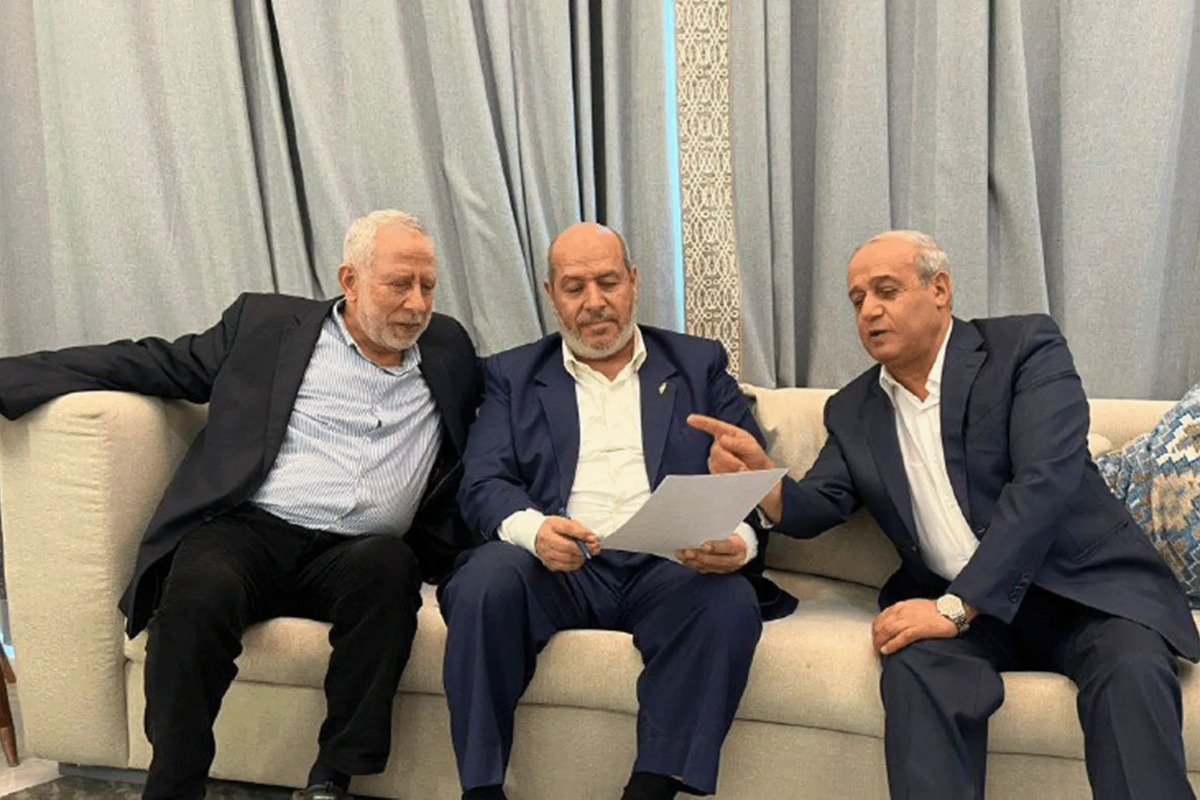
Hamas, Islamic Jihad, and the Popular Front: We reject any foreign guardianship over Gaza.

The movements of Hamas, Islamic Jihad, and the Popular Front announced their rejection of any guardianship over Gaza, affirming that the administration of the sector is purely an internal Palestinian matter.

This came in a joint statement issued on Friday evening by the three movements coinciding with the start of the ceasefire and the partial withdrawal of Israeli occupation forces from the Gaza Strip.

The three factions appreciated the efforts of Qatar, Turkey, and Egypt in reaching the agreement. They stated that the agreement represents a political and security failure of the occupation's plans to impose displacement.

They pointed out that "the liberation of hundreds of our prisoners and detainees reflects the resilience of the resistance and the unity of stance."

They called on the mediating countries and Washington to ensure the occupation's commitment to the agreement. The factions also appreciated "the global solidarity movement with our people to reject genocide and to pursue the crimes of the occupation."

They expressed their readiness to benefit from Arab and international participation in the reconstruction of Gaza "in a way that enhances a dignified life for our people and preserves their rights to their land."

In contrast, the three factions rejected any foreign guardianship over Gaza. The statement read, "We affirm that determining the form of governance in the Gaza Strip is an internal Palestinian matter."

The statement emphasized, "We stress our absolute rejection of any foreign guardianship, and we confirm that determining the form of governance in the Gaza Strip and the foundations of its institutions is an internal Palestinian matter defined jointly by the components of our national people."

It called for the initiation of a unified national political path with all Palestinian forces and factions.

It is worth noting that Hamas and Israel reached an agreement early Thursday on the first phase of U.S. President Donald Trump's plan for a ceasefire and prisoner exchange between the two sides.

The agreement came after four days of indirect negotiations between the two parties in Sharm El-Sheikh, with the participation of Turkey, Egypt, and Qatar, and under U.S. supervision.

PALESTINE

Sat 11 Oct 2025 1:14 am - Jerusalem Time

The European Union welcomes the Gaza plan and announces its readiness to contribute to its implementation both security-wise and humanitarian-wise.

The European Union welcomed on Friday the first phase of the plan proposed by the U.S. president to end the conflict in Gaza, considering it a "real opportunity" to achieve a lasting ceasefire and the release of all detainees.

The Union announced its full readiness to actively contribute to all aspects of implementing the agreement, including humanitarian, security, and political aspects.

In a statement issued by the EU's High Representative for Foreign Affairs and Security Policy, the Union reaffirmed its firm position that has long called for an immediate and complete ceasefire, the release of prisoners, and ensuring comprehensive and sustainable humanitarian aid access to the Gaza Strip.

PALESTINE

Fri 10 Oct 2025 11:18 pm - Jerusalem Time

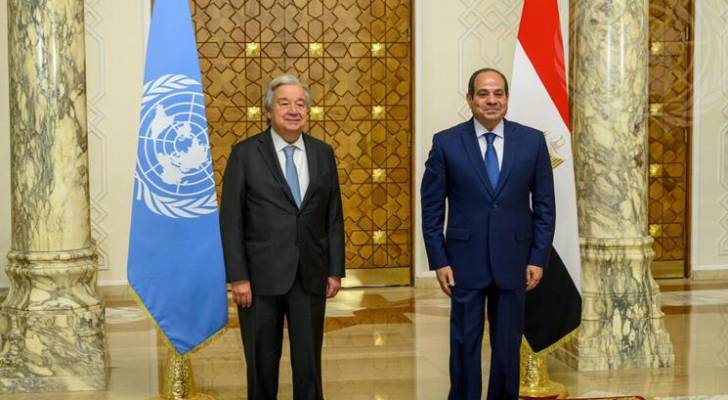
Sisi and Guterres agree on the necessity of the full implementation of the Gaza agreement, and the Secretary-General proposes the deployment of international forces.

President Sisi reaffirmed Egypt's full support for the role of United Nations humanitarian agencies, led by the United Nations Relief and Works Agency for Palestine Refugees (UNRWA), in an important phone conversation held today, Friday. Egyptian President Abdel Fattah Sisi discussed with UN Secretary-General Antonio Guterres the next steps to solidify the ceasefire agreement in Gaza.

The call reflected complete agreement between Cairo and the United Nations on the necessity of not only reaching the agreement but also finalizing all its details to ensure its full implementation, while the Secretary-General presented a strategic vision for the post-war phase that includes the deployment of international forces.

President Sisi began the call by reviewing the content of the agreement reached through Egyptian-Qatari-American mediation, outlining glimpses of its various stages.

He confirmed that Egypt, upon reaching the agreement, had already begun to take action on the ground by sending shipments of urgent food and medical aid to the sector.

For his part, Guterres expressed deep gratitude and appreciation to Egypt and President Sisi for the significant efforts made over the past two years, not only to achieve a ceasefire but also to alleviate the immense humanitarian suffering of the people of Gaza, describing Egypt as the pivotal and essential actor in achieving stability in the Middle East.

The conversation went beyond merely welcoming the agreement, focusing instead on guarantees for its success. Guterres fully agreed with President Sisi's vision on the necessity of finalizing all the precise details related to implementation mechanisms, adding necessary strategic dimensions to ensure lasting peace.

The Secretary-General emphasized that the ceasefire must lead to a clear political path aimed at establishing a Palestinian state in accordance with international legitimacy resolutions, stressing the importance of ensuring that there is no separation between the Gaza Strip and the West Bank.

The spokesperson for the Egyptian presidency revealed that Guterres raised three key points during the call for the post-war phase: the necessity of deploying international forces in the Gaza Strip to secure the agreement and grant it international legitimacy through a Security Council resolution, the immediate commencement of reconstruction efforts in the sector, and expressing his welcome for the international conference that Egypt announced its intention to host for this purpose.

At the end of the call, President Sisi reaffirmed Egypt's full support for the role of United Nations humanitarian agencies, especially the United Nations Relief and Works Agency for Palestine Refugees (UNRWA), stressing the need for its historical role in supporting the Palestinians to continue.

PALESTINE

Fri 10 Oct 2025 1:13 pm - Jerusalem Time

Military victory and political defeat.. Netanyahu and the end of the Gaza war by Israeli standards

U.S. President Donald Trump's announcement of the agreement between Israel and Hamas sparked a wave of conflicting reactions in the Israeli political arena. The Zionist right was divided between supporters and opponents of the agreement, while opponents of the coalition rushed to declare their unconditional support for it.

It was clear from the nature of the political reactions that some support the agreement based on the fact that it signifies the end of the right-wing messianic vision after colliding with reality, while others oppose the agreement in rejection of this premise. Perhaps for this reason, all parties in the Israeli political arena viewed the agreement as a historic moment that establishes a direction different from the situation prior to the agreement.

This matter is not only related to the nature of the war and the release of Israeli prisoners after more than two years of captivity, but also to what the agreement could lead to in terms of a comprehensive change in the political vision. It is no coincidence that as the war developed and extended over time, ideas emerged that sought to compensate for the shock of October 7 by enhancing the push not only towards annexing more land in the West Bank and Gaza and displacing its residents, but also by presenting support for the idea of Greater Israel from the Prime Minister, wanted by the International Criminal Court, Benjamin Netanyahu.

Netanyahu and his far-right partners, such as Bezalel Smotrich, Itamar Ben Gvir, and Israel Katz, have developed the concept of perpetual war, which has caused all chances of reaching an agreement to crash against the rock of their rejection. Therefore, regardless of the many reasons for the Trump administration's rush, which provided unlimited support to the right-wing government in its war, its president was forced to announce that with his plan to end the war, he is saving Israel from the world's wrath.

If Trump's words have any meaning, he personally, based on the recordings of his decisive call with Netanyahu, intended to convey that Israel cannot continue to confront a world that has grown weary of its arrogant behavior. In an interview with "Fox News" after the announcement of the agreement, Trump referred to a conversation he had with Netanyahu: "I told him that Israel cannot fight the whole world. The whole world has united."

In other words, he said that despite his support for Israel, he cannot continue to defend it against the entire world. This aligns largely with what several Israeli political and military commentators are trying to emphasize in their articles and statements, which see that Israel may have achieved significant military accomplishments but has suffered a clear political defeat.

In general, after Trump's announcement of the agreement, Netanyahu hurried to declare that "this is a great day for Israel. I will hold a government meeting tomorrow to approve the agreement and bring all our dear hostages back home. I thank the heroic soldiers of the Israeli army and all security forces who brought us to this day with their courage and sacrifices."

However, the government meeting was delayed by more than 4 hours due to disagreements that arose not only between Netanyahu and the opponents of the agreement from the far-right parties of Smotrich and Ben Gvir, but also from within his own Likud party. Trump had to enlist American envoys Steve Witkoff and Jared Kushner to convince the ministers that what had been reached is the best possible outcome and that it spares Israel a greater danger.

Nevertheless, the disagreement continued with the Religious Zionism and Otzma Yehudit parties, which voted against the agreement and set "red lines," even threatening to withdraw from the government. Netanyahu knows that the threats from the far-right parties are not the problem because there is a safety net for the agreement from the opposition parties.

But the core issue is Netanyahu's personal conviction about the agreement and how he feels that this agreement guarantees his continued rule or leads to his downfall. He realizes that the agreement, if not undermined, will dismantle most of the foundations upon which the right-wing ideology he personally represents, based on expansion and annexation, is built.

Netanyahu feels compelled to exaggerate the advantages of the agreement and even start talking about aspirations for peace, but deep down he knows that this is not necessarily what others believe.

Long ago, wise men in Israel said that the positions of the right are the true expression of what is in people's hearts, but ending the war requires concessions on these positions, which only the center and left can afford, not the right.

The opposition welcomed the agreement, with opposition leader Yair Lapid stating: "In these two difficult years, this is a moment of great light in the darkness. May the angels of peace return safely."

Blue and White party leader Benny Gantz wrote: "A whole nation wakes up this morning with hope and anticipation for the near return of our brothers and

PALESTINE

Fri 10 Oct 2025 1:04 pm - Jerusalem Time

Israel officially announces the entry into force of the ceasefire agreement in Gaza.

Israel announced that the ceasefire agreement in the Gaza Strip came into effect at 12:00 PM today, Friday (9:00 AM UTC).

The Israeli army stated in a statement: "Starting from 12:00, the army's forces have positioned themselves along the new operational deployment lines based on the ceasefire agreement."

The army began withdrawing from Palestinian cities and towns to the yellow line inside the strip during the night, according to the text of the agreement with Hamas.

On Friday morning, the Israeli government approved the ceasefire agreement regarding the Gaza Strip and the exchange of prisoners with Palestinian factions.

The agreement came after four days of indirect negotiations between the two parties in the Egyptian city of Sharm El Sheikh, with delegations from Turkey, Egypt, and Qatar participating, under American supervision.

PALESTINE

Fri 10 Oct 2025 12:58 pm - Jerusalem Time

Hebrew media: Netanyahu will begin discussions on Friday regarding the "second phase" of the Gaza agreement and the disarmament of Hamas.

Hebrew media reported today, Friday, that the Prime Minister of the occupying entity, Benjamin Netanyahu, will discuss today the second phase of the ceasefire agreement, which revolves around the issue of disarming Hamas and the Gaza Strip.

This development comes as the first phase of the agreement, which includes a ceasefire and the withdrawal of occupying forces, begins to be implemented.

According to Hebrew media, Netanyahu will start discussing today the details and mechanisms for implementing the second phase of the agreement.

PALESTINE

Fri 10 Oct 2025 12:54 pm - Jerusalem Time

The occupation army announces a "ceasefire".. and Gazans begin to return via "Al-Rashid" and "Salah al-Din"

The Israeli occupation army announced on Friday that the ceasefire agreement in Gaza came into effect at 12:00 local time.

The army added, "Since 12:00, the Israel Defense Forces have begun to position themselves along the updated deployment lines in preparation for the ceasefire agreement and the return of the hostages."

The army stated that the movement of Palestinians from southern Gaza to the north is allowed via the "Rashid" and "Salah al-Din" roads. The mentioned streets were crowded with Palestinians returning to their destroyed areas.

PALESTINE

Fri 10 Oct 2025 12:46 pm - Jerusalem Time

Israel: Palestinians from abroad will be allowed to return to Gaza after establishing a mechanism with Egypt.

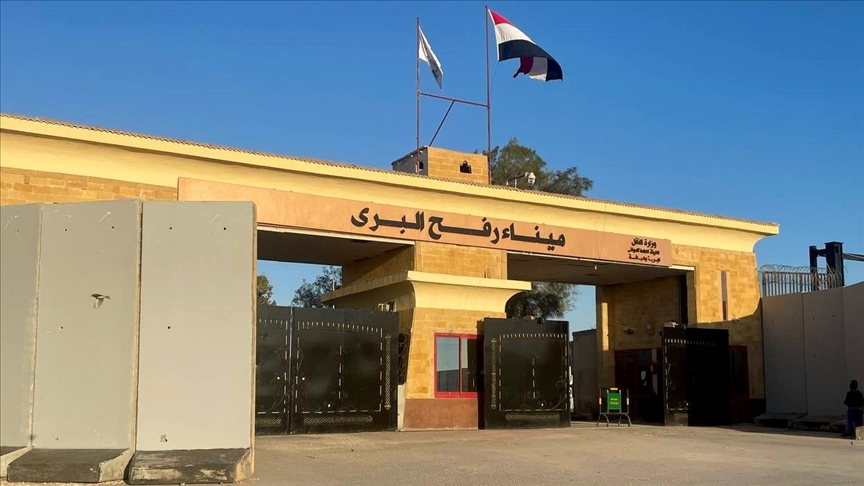
Hebrew media reported on Friday that Israel will allow Palestinians stranded outside the Gaza Strip to return through the Rafah crossing, after establishing a mechanism with the Egyptian side, for the first time since Tel Aviv took control of it in May 2024.

The Israeli army radio stated that Palestinians who left the strip will be allowed to return after establishing a mechanism with the Egyptian side, and "defining the criteria and scope of work and the entire process."

According to the radio, this was mentioned in the humanitarian annex of the ceasefire agreement under U.S. President Donald Trump's plan, which was reached between Israel and Hamas in Sharm El Sheikh.

Additionally, the army radio mentioned that under the agreement, Tel Aviv will allow Palestinians to leave the strip to Egypt via the Rafah crossing, using the same mechanism as the January 2025 agreement, "after Israeli approval, and under the supervision and inspection of a European Union mission."

It stated that "no restrictions will be imposed on leaving Gaza to Egypt."

In January 2025, Israel allowed patients, the injured, and their companions to leave the strip with UN and international coordination, while many were prevented from traveling on the grounds of "security reasons" despite their critical health conditions, during the ceasefire period that Israel violated on March 18.

In May 2024, Israel took control of the Palestinian side of the Rafah crossing and burned and destroyed its buildings, preventing Palestinians from traveling, which particularly put the sick in a significant humanitarian crisis.

Under the agreement, it is scheduled that "600 trucks of aid will be delivered daily by the United Nations, accredited international organizations, and the private sector," according to the radio.

It continued: "The trucks will carry food supplies, medical equipment, shelter materials, fuel, and cooking gas."

It confirmed that the agreement stipulated that "the movement of trucks will be free from the south of the Gaza Strip to its north on two (main) roads: Salah al-Din (east) and al-Rashid (west)."

Early Friday, the Israeli government approved the ceasefire agreement for the Gaza Strip and the exchange of prisoners with Palestinian factions, which means that the ceasefire agreement will come into effect immediately.

The newspaper Yedioth Ahronoth reported that "the ceasefire in Gaza officially comes into effect after Israel's (government) approval of the prisoner deal."

The Israeli Broadcasting Authority also indicated that "the ceasefire agreement came into effect according to Trump's plan."

However, the Israeli army has continued since Friday morning to launch several attacks on areas in the Gaza Strip, after the ceasefire agreement came into effect, resulting in injuries.

Early Thursday, Trump announced that Israel and Hamas had reached an agreement on the first phase of the ceasefire and prisoner exchange plan, following four days of indirect negotiations between the two parties in Sharm El Sheikh, with the participation of Turkey, Egypt, and Qatar, and under U.S. supervision.

Tel Aviv estimates that there are 48 Israeli captives in Gaza, of whom 20 are alive, while more than 11,100 Palestinians are imprisoned in its jails, suffering from torture, starvation, and medical neglect, with many having died, according to Palestinian and Israeli human rights and media reports.

With U.S. support, Israel has been committing genocide in Gaza since October 8, 2023, resulting in 67,194 deaths and 169,890 injuries, most of whom are children and women, and famine has claimed the lives of 460 Palestinians, including 154 children.

PALESTINE

Fri 10 Oct 2025 12:36 pm - Jerusalem Time

Israel estimates that it will complete its withdrawal to the new lines inside Gaza by Friday afternoon.

The Israeli army estimates that it will complete its initial withdrawal to its new positions within the Gaza Strip by noon on Friday, according to the plan of U.S. President Donald Trump.

The Israeli army radio stated: "The army estimates that by noon, all forces will be positioned along the withdrawal lines stipulated in the agreement."

It clarified that "from the moment the Israeli army is positioned on the lines, the 72-hour deadline begins during which Hamas is required to return the captives."

The radio reported that "the return of the captives (Israeli prisoners held in Gaza) is expected by noon on Monday at the latest," and noted the possibility of their return before that time.

On Friday morning, the Israeli government approved a ceasefire agreement regarding Gaza and a prisoner exchange with Palestinian factions, meaning that the ceasefire agreement will take effect immediately.

On Thursday evening, the Israeli army began its gradual withdrawal from the city of Gaza to new lines within the strip, in accordance with the agreement, according to Hebrew media.

According to the Israeli Broadcasting Authority, government ministers voted in favor of concluding the agreement, except for 5, including National Security Minister Itamar Ben Gvir and Finance Minister Bezalel Smotrich.

On Thursday, Trump announced that Israel and Hamas had reached an agreement on the first phase of his plan for a ceasefire and prisoner exchange, following four days of indirect negotiations between the two sides in Sharm El Sheikh, with the participation of Turkey, Egypt, and Qatar, and under U.S. supervision.

Tel Aviv estimates that there are 48 Israeli captives in Gaza, of whom 20 are alive, while more than 11,100 Palestinians are imprisoned in its jails, suffering from torture, starvation, and medical neglect, with many having died, according to Palestinian and Israeli human rights and media reports.

With U.S. support, Israel has been committing genocide in Gaza since October 8, 2023, resulting in 67,194 deaths and 169,890 injuries, most of whom are children and women, and famine has claimed the lives of 460 Palestinians, including 154 children.

PALESTINE

Fri 10 Oct 2025 12:32 pm - Jerusalem Time

Times: The Gaza agreement was ready a year ago.

Israeli independent negotiator Gershon Baskin revealed that the agreement announced on Thursday between the Islamic Resistance Movement (Hamas) and Israel regarding the end of the war in Gaza had been on the table in the same form for over a year.

The British Times newspaper quoted Baskin as saying that Hamas had agreed to the same terms in September 2024, during the final months of former U.S. President Joe Biden's administration, in what was then referred to as the "three-week agreement."

However, U.S. officials ignored the offer at the time, while Israeli Prime Minister Benjamin Netanyahu – wanted by the International Criminal Court – categorically rejected it, according to the newspaper's report.

Baskin – who is considered the architect of the negotiations that led to the release of Israeli soldier Gilad Shalit in 2011 – wrote in an article revealing his role in those negotiations that he received a written and audio copy in both Arabic and English of the draft agreement.

He stated that the Israeli negotiators informed him at the time that "the Prime Minister (Netanyahu) does not agree to end the war."

He added that he managed to convey his plan to Biden's office, but did not get the chance to present it to the chief U.S. negotiator Brett McGurk, who "refused to deviate from the bad deal he was negotiating," according to him.

Baskin noted that members of the U.S. negotiating delegation "felt the same frustration as I did at their inability to convince Biden and his advisors" to seriously consider the offer.

The Times reported that Baskin met, at the end of 2024, with the head of the Shin Bet at the time, Ronen Bar, who asked him "not to use back channels because a ceasefire agreement would be reached within three weeks" – that is, when Trump took office – which made the negotiator realize that the war would only end when Trump decided it was time to do so.

Accordingly, the newspaper stated, Baskin opened an informal communication channel with Trump's envoy to the Middle East, Steve Witkoff, explaining that "it is not necessary to negotiate directly with the Israeli side, as Israel will adhere to any conditions imposed by Trump."

His efforts resulted in a ceasefire on January 19, allowing Trump to boast that he had brought peace to the Middle East one day before officially taking office, according to the Times report.

The newspaper revealed that the proposed agreement in 2024 included three phases starting with the release of 33 Israeli detainees in exchange for 1,900 Palestinian prisoners, a partial Israeli withdrawal from populated areas in Gaza, and the flow of humanitarian aid.

The phases concluded with the establishment of a permanent ceasefire, the release of more prisoners and detainees, the completion of Israel's withdrawal, and the beginning of reconstruction.

However, that agreement collapsed after Israel refused to move to the second phase.

After months of mutual accusations and the spread of famine in Gaza, the same agreement was reintroduced in September 2025.

According to the British newspaper, Baskin confirmed that Trump revived the agreement by pressuring Netanyahu to finalize it as part of a 20-point plan mediated in its latest negotiations by Qatar, Turkey, and Egypt.

With both sides signing the long-awaited agreement in Egypt, Baskin wrote: "Now we have to wait for its full implementation… and now we can start breathing again."

PALESTINE

Fri 10 Oct 2025 12:25 pm - Jerusalem Time

Motivations of European political transformations towards the genocide in Gaza

The European continent has witnessed positive qualitative transformations in recent months towards a degree of fairness for the Palestinian cause, as well as a denunciation of the genocidal massacres and ethnic cleansing perpetrated by the Israeli occupation state and its soldiers over the past two years without pause. More than a quarter of a million Palestinians from Gaza have fallen victim to these brutal crimes, including martyrs, injured, and missing, according to statistics from the local health ministry in Gaza.

The various political positions expressed by a significant European bloc in terms of numbers and impact have created unprecedented supportive atmospheres for Palestine, pushing the occupying state into degrees of retreat and even a degree of isolation that it did not anticipate over the past decades since its establishment and the Nakba of Palestine, during which strategic relationships and harmony with European Union countries prevailed.

Spain and Ireland stand out with their clear positions against the actions of the occupying state, representing a spearhead in the forefront of explicit stances aimed at stopping the aggression. Their deteriorating relations with the occupying state have reached the point of recalling ambassadors and taking punitive measures, preceded by the recognition of the State of Palestine and movements in all directions towards escalation.

One of the most prominent steps was the call by Irish President Michael Higgins to exclude Israel from the United Nations. Alongside this, Belgium and Slovenia have also recognized Palestine, followed by a wave of recognition last month (September) from several countries, led in a qualitative and historical manner by France and the United Kingdom.

In another direction, significant events occurred in the Netherlands, including the resignation of eight ministers from the Dutch government in July due to the government's stance on the Palestinian cause and support for the occupying state.

Prior to this, in May, the Netherlands changed its position by submitting a request to the European Union to reconsider the strategic partnership agreement and insisted on that, which created a real rift within the corridors of the European Union countries.

Many factors have contributed, to varying degrees, to the European countries leaning towards opposing the practices of the occupying state; these include political factors with local, continental, and international dimensions, as well as legal and humanitarian reasons.

The open media and the transmission of events and crimes committed in Gaza have made the massacres unprecedented in history in terms of their precise documentation and the speed of their details reaching the world (without embellishments), making them prominent in global media coverage.

The prolonged duration of the war has forced aggressive policies to assert themselves on all levels in Europe, whether political, popular, legal, or media-related, which has fueled popular demonstrations and reflected on politicians, influencing them and changing their positions.

During the two years of aggression against Gaza, the European continent witnessed massive, ongoing, and diverse demonstrations, in terms of participants from various religious, political, and ethnic backgrounds, as well as different age groups and professional specializations.

Statistics released a few days ago by the European Palestinian Media Center indicate that the number of demonstrations and events has exceeded 45,000, taking place in nearly 800 cities across 25 Western European countries throughout the past two years of ethnic cleansing aggression.

A quick review of images of the roaring crowds that filled the streets of major Western capitals, such as Berlin on the 27th of last month, shows that they exceeded one hundred thousand participants, as was the case in Rome on the 4th of this month, with an estimated quarter of a million demonstrators.

On the same day in Madrid, organizers estimated half a million participants, and the following day in the Dutch capital during the red line march (the third of its kind), the numbers exceeded a quarter of a million.

This can create interactive numbers for European politicians supporting the occupying state, pushing for real shifts in political positions in response to these pressures, which have had an impact on electoral voices.

These were present and noticeable in the ballots and indeed reflected in the election results, albeit to varying degrees, as seen in the UK with the victory of the Labour Party and in France with the rise of the left, especially the France Insoumise party.

Also in Northern Europe (Denmark and Sweden), with the presence of Palestinian, Arab, and Muslim minorities and leftist coalitions that produced noticeable results in both the European and local parliaments in both countries.

What enhances the political permeability of the clear public solidarity with Palestine and against the aggression on Gaza are the local electoral calculations in many countries, most notably France, which saw its government fall a few days ago.

President Macron surpassed the winning coalition in the elections with the highest votes in the July elections of last year, which was the left, specifically the France Insoumise party, to appoint a government close to the president in contradiction to that.

PALESTINE

Fri 10 Oct 2025 12:18 pm - Jerusalem Time

West Bank.. Settlers attack Palestinian olive pickers south of Nablus

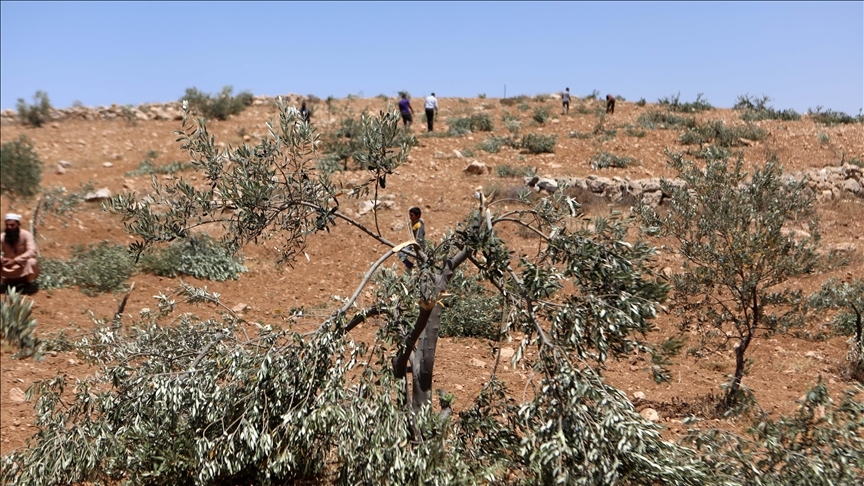
Israeli settlers attacked Palestinian olive pickers on Friday while they were working on their lands in the town of Beita, north of the occupied West Bank, injuring several of them due to the Israeli army firing tear gas canisters during its incursion into the area.

The Palestinian news agency reported that a number of settlers attacked a group of citizens while they were harvesting olives in the Qamas Mountain area in Beita, south of Nablus.

It added that occupation soldiers stormed the area and fired sound bombs and gas canisters at the citizens, resulting in several of them suffering from tear gas inhalation.

Attacks by settlers usually increase at this time of year, coinciding with the start of the olive harvest season, which is a key crop that many farmers depend on for their livelihoods.

Palestinians say that the Israeli army and settlers are intensifying their crimes in the West Bank by assaulting citizens, destroying their properties, and displacing them, in service of expanding settlement construction.

Alongside the genocide in the Gaza Strip, the Israeli army and settlers in the West Bank, including East Jerusalem, have killed at least 1,050 Palestinians and injured about 10,300, in addition to arresting more than 20,000, including 400 children.

OPINIONS

Fri 10 Oct 2025 12:10 pm - Jerusalem Time

Between the manager and the leader: When the public institution turns into a private farm

Yasser Abu Bakr

Yasser Abu Bakr

Opinion Writer

As soon as the official sits in his new chair, everything changes: the tone of his voice, the way he walks, the look in his eyes. Suddenly, he imagines that he has become the "owner" rather than the "manager," and that the institution entrusted to him is written in his name, with the employees around him being mere servants in his court, and the public just intruders in his small kingdom. Thus begins the quiet decline towards bureaucratic tyranny; when the senior employee forgets that he is a public servant, not an absolute decision-maker, and that the state did not establish institutions to honor him, but to serve the people through them.


The more individuals behave in positions of responsibility with this arrogant logic, the wider the gap between the state and society becomes. The real danger does not only come from financial corruption, but from behavioral and administrative corruption that empties the public function of its meaning, turning administration into authority, and authority into oppression. The manager becomes the state, the office becomes the borders of the homeland, and loyalty shifts to him rather than to the nation that appointed him.


The manager who sees himself as the owner of the institution is, in fact, its greatest enemy, as he kills the spirit of teamwork within it and sows fear instead of respect. He treats his employees as executive tools rather than partners in the mission, and views the citizen as an adversary rather than a beneficiary of the service. He distributes instructions as he distributes reprimands, believing that raising his voice is a sign of his authority. But true authority is not derived from the position, but from justice and the ability to lead with dignity and fairness.


The difference between a manager and a leader lies not in the position but in the mind and spirit. The manager rules from behind the desk, while the leader leads from the field. The manager believes that his authority grants him the right to everything, while the leader understands that responsibility constrains him before it grants him privileges. The manager demands obedience, while the leader earns respect. The manager thrives on the fear he instills in others, while the leader thrives on the trust he builds with them. The manager chases mistakes to punish, while the leader seeks them out to correct. The manager sees the chair as an end, while the leader sees it as a means to serve the people.


True leadership in the state is not about managing files or signing orders, but about an act of moral and human awareness. The leader sees his employees as companions, not tools, and views the citizen as a rightful owner, not a beggar at the door of administration. He knows that the position is temporary, that the chair is fleeting, and that what remains is the good impact he leaves in the hearts of the people. The citizen does not remember how many orders the manager issued, but how many times he felt that the state respected him through him.


What we need today is not more managers obsessed with power, but leaders who believe that dignity is the foundation of public work. We need those who enter their offices to spread respect instead of fear, and make every employee a partner in service rather than a number in the system. We need those who see every visitor as the face of the homeland, not just a piece of paperwork.


It is time to understand that the state’s institutions and security apparatuses are not private farms for anyone, nor rewards to appease loyalties, but the houses of the nation. Those who sit in their chairs should be the first servants, not the last masters, and the first present, not the first absent. Because the state is not built by orders or bureaucracy, but by justice, fairness, and the will of the leader who understands that authority is a heavy responsibility, not a fleeting honor.


The true leader is the one who leaves his institution stronger than he received it, his employees more dignified than he found them, and his citizens more trusting in the state than they were. As for the manager who imagines ownership, he will end up like every tyrant: forgotten, insignificant in impact, folded into the record of the job, because history does not immortalize positions, but those who respected people while sitting in them.

PALESTINE

Fri 10 Oct 2025 11:40 am - Jerusalem Time

"Maariv Survey": The Gaza Agreement Strengthens "Likud" and Causes the Collapse of Ben Gvir and Smotrich's Parties

A new opinion poll conducted by a Hebrew newspaper shows that the Likud party, led by Prime Minister Benjamin Netanyahu, has achieved clear political gains following the signing of the ceasefire agreement in Gaza.

The far-right parties have seen a sharp decline in popularity, led by the Jewish Power party headed by Itamar Ben Gvir, and the Religious Zionism party led by Bezalel Smotrich.

If elections were held today, Likud would secure 27 seats in the Knesset, while the Jewish Power party would only obtain 6 seats.

PALESTINE

Fri 10 Oct 2025 10:40 am - Jerusalem Time

The occupying army announces the death of a soldier from a sniper's bullet in Gaza before the ceasefire takes effect.

The Israeli occupation forces announced today, Friday, the death of one of their soldiers who succumbed to injuries from a sniper's bullet fired by Hamas in the city of Gaza yesterday afternoon, Thursday.

The occupation army clarified that the incident occurred just hours before the ceasefire agreement came into effect.

The statement revealed the identity of the fallen soldier, who is Sergeant First Class Mikhail Mordechai Nahmani, serving in the technology and maintenance corps within the 614th Combat Engineering Battalion.

PALESTINE

Fri 10 Oct 2025 10:32 am - Jerusalem Time

Hebrew media: "Trump" arrives in the occupying entity on Monday morning and will give a speech in the Knesset.

The Hebrew Channel 12 reported on Friday morning that U.S. President Donald Trump will arrive in the occupying entity on the morning of next Monday, during which he will deliver a speech before the occupying Parliament (Knesset).

This visit, which comes at the invitation of the occupying Prime Minister Benjamin Netanyahu, follows the reaching of an agreement to end the war in Gaza and represents a high-level diplomatic event.

According to Channel 12, President Trump is scheduled to arrive in the occupying entity on Monday morning.

PALESTINE

Fri 10 Oct 2025 10:10 am - Jerusalem Time

Hebrew media: The occupying army will complete its withdrawal from the city of Gaza within 24 hours.

Hebrew Channel 12 reported on Friday morning that the Israeli occupation army is continuing its gradual withdrawal from the Gaza Strip, and it is expected to complete its withdrawal from the city of Gaza entirely within the next 24 hours.

This rapid field movement comes in implementation of the terms of U.S. President Donald Trump's plan to end the war.

According to Hebrew Channel 12, the occupation army forces are continuing their gradual withdrawal process and are currently heading towards the eastern areas of the Gaza Strip.

PALESTINE

Fri 10 Oct 2025 8:52 am - Jerusalem Time

Hebrew media: The war will end immediately once the occupation government agrees to the "Trump" plan.

The Hebrew Broadcasting Authority ('Kan') reported this Friday morning that the steps to implement U.S. President Donald Trump's plan to end the war in Gaza include a key provision that calls for an immediate end to the war.

The authority clarified that the cessation of hostilities is directly linked to the approval of the occupying government's plan.

According to the information provided by the broadcasting authority, the steps to implement President Trump's plan include a clear mechanism to initiate a ceasefire.

PALESTINE

Fri 10 Oct 2025 8:42 am - Jerusalem Time

Intense gunfire from the occupation tanks in Khan Younis and the vicinity of the Nuseirat camp.

Field sources reported this morning, Friday, that the occupation army's vehicles and tanks continue to fire intensively in various areas in the central and southern Gaza Strip.

The heavy gunfire from the Israeli tanks is concentrated in the western line area of Khan Younis city, in the southern Gaza Strip.

At the same time, the occupation's vehicles continue to fire in the area located northwest of the Nuseirat camp, in the central Gaza Strip.