ARAB AND WORLD

Thu 14 Nov 2024 10:59 am - Jerusalem Time

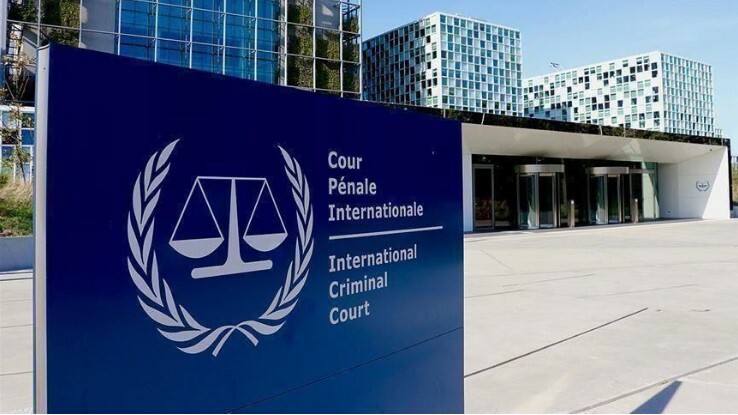
Israel questions ICC judge's impartiality

Israel continues its intensive efforts to obstruct the work of the International Criminal Court and prevent the issuance of arrest warrants for Israeli Prime Minister Benjamin Netanyahu and former Defense Minister Yoav Galant, against the backdrop of the genocide crimes committed in the Gaza Strip, as Tel Aviv continues to challenge the court’s procedures and jurisdiction, which leads to delaying the decision.


This comes in an attempt to thwart the court’s approval of the request of the International Criminal Court’s Prosecutor, which he submitted last May, to issue arrest warrants against these Israeli officials. The questioning of the impartiality of Judge Betty Holler, who was recently appointed to the relevant judicial body, also raised other Israeli attempts to influence the course of the investigations.


Reuters reported on Wednesday that "Israel has questioned the impartiality of an International Criminal Court judge who is part of the panel that will decide whether to issue an arrest warrant for Netanyahu and Galant," and the agency noted that "this questioning could lead to further delays in making a decision regarding issuing arrest warrants."


The ICC judges must approve the request for arrest warrants, but the panel has been dragging its feet in making its decision, partly because of several rounds of challenges by Israel to the court’s jurisdiction. Another reason for the delay is that Romanian judge Iulia Motoc last month asked to withdraw from the three-member panel hearing the request for arrest warrants, citing “health reasons.”


Slovenian Judge Betty Holer was chosen to replace her; the Israeli Attorney General's Office commented on Holer's selection in a statement issued on November 11, saying that the Slovenian judge worked in the Office of the Prosecutor at the court before being appointed as a judge at the International Criminal Court last December.


“Israel respectfully requests Judge Betty Holler to provide information to clarify whether there are grounds (or not) to reasonably doubt her impartiality,” the statement said. “Israel does not suggest that Judge Holler’s previous employment in the Office of the Prosecutor necessarily or automatically raises a reasonable concern of impartiality. However, the Court’s judges have recognized that previous employment in the Office of the Prosecutor may raise reasonable concerns of bias depending on the circumstances.”


In May, the ICC’s chief prosecutor, Karim Khan, filed a request for arrest warrants against Netanyahu and Galant, saying there were reasonable grounds to believe that Netanyahu, Galant and Hamas leaders had committed war crimes and crimes against humanity. The court has no set timeline, but it has generally taken about three months to rule on arrest warrant requests in previous cases.


ARAB AND WORLD

Thu 14 Nov 2024 10:21 am - Jerusalem Time

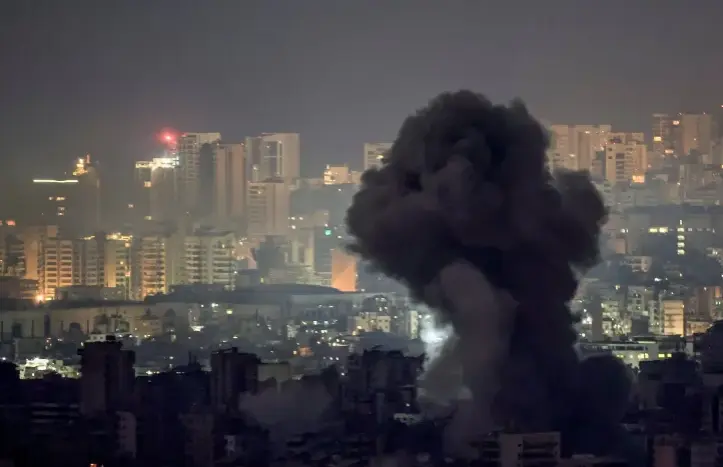
A series of raids on the Beirut suburbs, and Hezbollah announces the implementation of 24 operations

Al Jazeera's correspondent reported that Israeli occupation aircraft launched a series of raids on the southern suburbs of Beirut on Wednesday evening and Thursday morning.


Meanwhile, Hezbollah announced carrying out 24 operations to confront Israeli attempts to advance in southern Lebanon and against military sites, gatherings and settlements in northern Israel.


Al Jazeera's correspondent reported that the southern suburb had been subjected to 7 raids since Wednesday evening, and black smoke rose over the southern suburb after the Israeli army issued a warning to residents to evacuate. During the first wave of raids, residents were seen rushing to leave the area in their cars following the warnings.


Israeli raids targeted the southern suburbs of Beirut on Tuesday and Wednesday morning, and the raids on Wednesday targeted buildings in the areas of Ghobeiry, Haret Hreik, and Burj al-Barajneh, according to the official National News Agency.


On the other hand, the official National News Agency reported early Wednesday that an Israeli raid targeted a residential apartment in the Aramoun area, which is not part of the areas traditionally associated with Hezbollah.


The Ministry of Health said in an updated toll on Wednesday evening that the raid resulted in the death of 8 people - including 3 children and 3 women - in addition to 17 wounded.


An Israeli drone targeted a building inhabited by displaced people in the Doha Aramoun area in Mount Lebanon at dawn today, causing a number of injuries, in addition to significant material damage to the targeted building.


Hezbollah attacks

The Israeli army announced on Wednesday evening that about 60 rockets were fired from Lebanon towards Israel.


In the details of Hezbollah's attacks, the party announced that it had bombed "for the third time a gathering of Israeli enemy forces east of the town of Maroun al-Ras."


Hezbollah also announced that it had bombarded "a gathering of Israeli enemy forces on the southern outskirts of the town of Bint Jbeil with a salvo of 'Nasr 1' rockets."


In a remarkable development, the party announced yesterday, Wednesday, that it had bombed the headquarters of the Israeli Ministry of Defense in Tel Aviv twice with what it described as qualitative attack drones and with ballistic missiles of the “Qader 2” type. It also announced the bombing of the Glilot base in the suburbs of Tel Aviv and two other bases in northern Israel.


Earlier on Wednesday, the Israeli army announced the death of a captain and 5 soldiers in a battle in southern Lebanon, in which 4 other soldiers were also injured.


The Israeli army added that the officer and the dead soldiers belonged to the 51st Battalion of the Golani Brigade.


Yedioth Ahronoth newspaper said that the six were killed in a zero-distance clash with Hezbollah fighters who were ambushed inside a bombed building before the force entered, noting that the Israeli army believes that the party fighters emerged from a tunnel and then left.


The battle lasted for about 3 hours, between 10:00 am and 1:00 pm. It took a long time to transport the wounded and dead. According to military sources, the ambush was complex and complicated.


Israeli sources had previously announced the killing of 7 Israeli soldiers in the collapse of a building in a village in southern Lebanon.


Thus, the number of Israeli army dead in southern Lebanon since the start of its attacks last September has risen to 53, including officers and soldiers.


In a development related to the war in Lebanon, the Yedioth Ahronoth website said that warships participated in the fighting alongside the Israeli Navy and ground forces and in directing the air force towards specific targets on the Lebanese front.


The Israeli army said that the navy is actively participating in offensive and defensive operations, especially in intercepting suicide drones and targeting Hezbollah's leadership and headquarters.


After clashes with factions in Lebanon - most notably Hezbollah - that began the day after Israel launched its war of extermination on Gaza, Tel Aviv expanded the scope of the extermination to include most areas of Lebanon - including the capital Beirut - through air strikes, and it also began a ground invasion in the south.


The Israeli aggression on Lebanon resulted in a total of 3,287 deaths and 14,222 injuries, including a large number of children and women, in addition to more than 1.2 million displaced persons.

PALESTINE

Thu 14 Nov 2024 9:51 am - Jerusalem Time

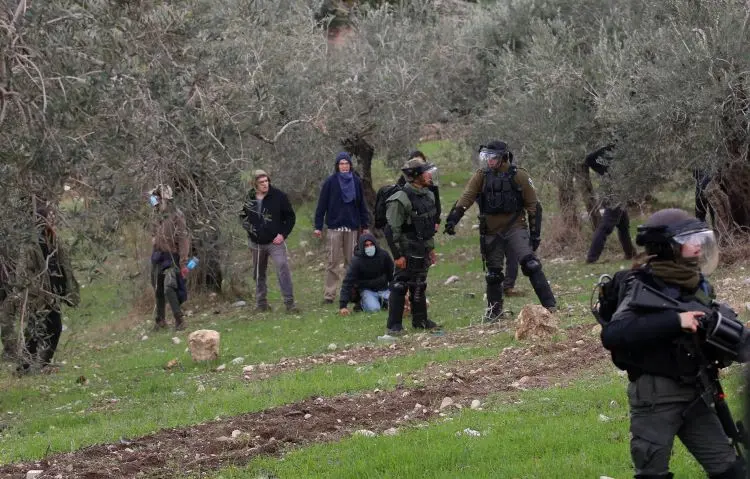
Nablus: Settlers attack olive pickers in Jalud and steal the fruits

This morning, Thursday, settlers attacked olive pickers in the village of Jalud, south of Nablus.


Local sources reported that a number of settlers, under the protection of the occupation forces, attacked citizens in the southwestern part of the village of Jalud, fired live bullets at them, and stole olives.


According to the Wall and Settlement Resistance Commission, the occupation forces and settlers have carried out more than 253 attacks since the beginning of the olive harvest season, including 184 attacks in the northern West Bank, and 113 concentrated in the Nablus Governorate.


During the annual olive harvest season, Palestinian lands are subjected to repeated attacks by settlers and the occupation army, and farmers constantly face obstacles and arbitrary practices that prevent them from accessing their lands, which leads to huge material losses and increases their daily suffering under the burden of the occupation.

ECONOMY

Thu 14 Nov 2024 9:39 am - Jerusalem Time

PROPARCO and FISEA+ sign two partnership agreements with Bank of Palestine to support entrepreneurship, digital transformation and small and medium enterprises

Bank of Palestine today signed two partnership agreements with PROPARCO, the investment arm of the French Development Agency, and FISEA+, with a total value of 1,340,000 euros, to support Palestinian entrepreneurs through the "Intersect" incubator, the pioneering arm of Bank of Palestine, in addition to enhancing digital transformation in Palestine, and supporting small and medium enterprises.


In light of the Palestinian economy being affected by the repercussions of the war on Gaza, and the escalation of tensions in the Middle East, this agreement will contribute to enabling Bank of Palestine to provide a flexible ecosystem for entrepreneurship, by supporting the activities of the "Intersect" incubator for local startups and entrepreneurship programs and improving the innovation environment, in addition to continuing to support small and medium enterprises, which constitute the backbone of the Palestinian economy, to help them access the necessary digital tools.


Under this agreement, an amount of one million euros will be provided to the "Intersect" incubator, to enhance the innovation system, and support its various activities to expand geographically In Palestine, especially in Nablus, Hebron, and the Gaza Strip (when the war ends), in addition to


overcoming the obstacles and challenges facing local entrepreneurs, including technology startups, by providing resources, an incubation program, mentoring, and networking opportunities.


The second agreement also provides technical support in the amount of 340,000 euros to Bank of Palestine to enhance the digital transformation in electronic banking and financial services provided by the bank to more than 2,000 of its small and medium-sized enterprise clients, which are essential solutions for their businesses; including payments, electronic transactions: such as money transfers, employee payrolls, and paying utility bills, which will contribute to maintaining the continuity of economic activity under difficult circumstances.


“The Palestinian economy has proven its resilience in many respects, thanks to the commitment of the Bank of Palestine, which has chosen to support local entrepreneurs. Today, Proparco confirms its support to the Bank of Palestine and I am certain that these two technical assistance grants will have a tangible and positive impact on the Palestinian entrepreneurial ecosystem,” said Françoise Lombard, CEO of PROPARCO. In turn, Hashim Shawa, Chairman of the Board of Directors of Bank of Palestine Group, stressed the importance of these agreements, which will contribute significantly and effectively to strengthening the entrepreneurial and innovation ecosystem in Palestine, embracing entrepreneurial programs, encouraging entrepreneurial activities, and positively impacting the youth community and the Palestinian economy in cooperation with all partners, through the Intersect Incubator, noting that we have taken advanced steps to enable Palestinian innovators to learn about global expertise closely, and to move Palestinian entrepreneurship to the global entrepreneurship platform. The agreement also supports strengthening the position of digital transformation in the banking sector, to provide the best electronic financial solutions and services, to meet the needs of customers from project owners and small and medium-sized companies, which in turn will contribute to enabling the economy to recover, recover and grow in light of the critical circumstances and crises facing our economy.


Bank of Palestine is the leading banking group in Palestine, seeking to achieve a positive impact, in line with the sustainable development goals, starting from renewable energy projects to comprehensive initiatives that focus on gender empowerment.


It is worth mentioning that the Bank of Palestine’s partnership with the French Development Agency (AFD) Group, including Proparco, which extends over 12 years, includes many initiatives, and this strategic relationship between Bank of Palestine and the French Development Agency represents a major cooperation for the benefit of economic development and the improvement of financial services in Palestine.


About Proparco


Proparco, a subsidiary of the French Development Agency, has been working with the private sector for more than 45 years, to achieve a more just and sustainable world. Proparco works closely with its partners through an international network of 23 local offices, to find sustainable solutions that respond to environmental and social challenges in Africa, the Middle East, Asia and Latin America. Proparco harnesses sector expertise in addition to a wide range of financial solutions specifically designed to meet the different stages of business development, thanks to the programs provided by its two affiliated institutions, Digital Africa and Propulse, for technical support, aiming to expand the impact and performance of its partners. Through its new strategy “Working together for greater impact” for the years 2023-2027, Proparco contributes to enabling, strengthening and expanding the various mechanisms through which it works with its partners.


------------------------------------------------------------------------------------------

Media contact: Florian Ballack / [email protected]


Learn more: http://www.proparco.fr/en/strategy.


For more information, go to: http://www.proparco.fr/en , @Proparco and LinkedIn


About FISEA:


The FISEA Fund was created by the Agence Française de Développement (AFD) Group in 2009, with the aim of promoting economic growth and the creation of SMEs in Africa. In early 2021, the FISEA+ initiative took over the management of the FISEA Fund, with an additional investment capacity of €210 million, in addition to a guarantee from the European Union under the EFSD+ programme. Taking into account changes in market needs, FISEA+ has set specific investment targets for fragile states, social and solidarity projects and SMEs integrating digital innovation. FISEA+ comes with an ambitious €21 million technical support programme, provided by the French Ministry for Europe and Foreign Affairs and the European Union, to support SMEs, both directly and through investment funds. FISEA+ is part of the French initiative “Choose Africa”, reflecting France’s commitment to supporting entrepreneurship in Africa.


About Bank Palestine


Bank of Palestine was established in 1960 and is headquartered in Ramallah. Bank of Palestine is a commercial bank listed on the Palestine Stock Exchange and is subject to the supervision and instructions of the Palestine Monetary Authority. It is the first and largest national bank among 13 financial institutions operating in Palestine, with total assets of $7.126 billion and a market share exceeding one-third of the Palestinian banking sector in terms of customer deposits and credit facilities. The bank has a leading banking network of 101 branches spread throughout Palestine, providing its services to more than one million customers, including individuals, companies, small and medium-sized enterprises, and public sector institutions, through a diverse and wide range of distinguished banking services, such as retail banking services, corporate banking services, digital and mobile banking services, in addition to subsidiary activities and programs. The bank also plays a leading role in lending to small and medium enterprises, and is a major contributor to promoting financial inclusion, sustainability, and entrepreneurship in Palestine.


Contact person for Bank of Palestine Group: Rateb Al-Rabi/ [email protected]


For more information, please visit the website, LinkedIn, Instagram, Facebook and YouTube.

ARAB AND WORLD

Thu 14 Nov 2024 9:21 am - Jerusalem Time

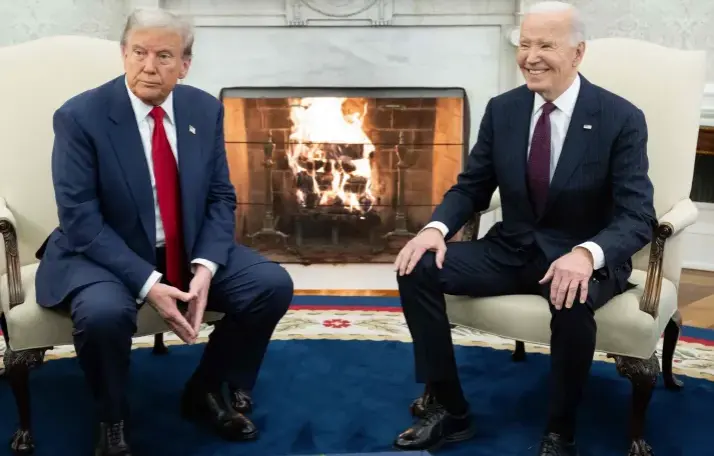
Behind the scenes of Biden and Trump's meeting at the White House

American newspapers and official statements revealed the most important files discussed in the meeting between US President Joe Biden and his elected successor, Donald Trump, who is preparing to return to the White House next January to serve a second four-year term.


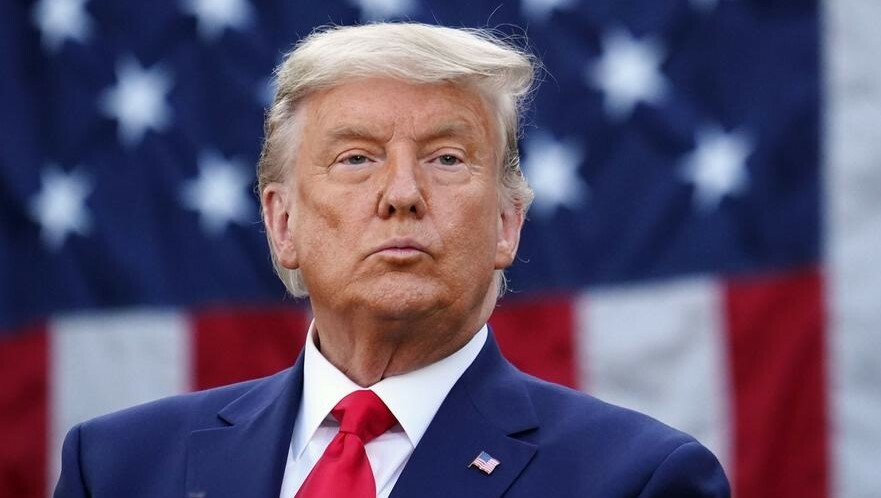
The meeting between Biden and Trump yesterday, Wednesday, was marked by "respect" and "friendliness," according to what the White House announced. It was the first between them since Trump's re-election, as they pledged a smooth transition of power.


A White House spokeswoman said the nearly two-hour meeting was "very proper" and "very cordial" and "incredibly productive."


Trump left the White House at the beginning of 2021 defeated and angry, and was visited on Wednesday by a president-elect whose party also won a majority in the House of Representatives and the Senate.


The two men shook hands in the Oval Office. Trump said the transition would be "as smooth as possible," adding, "Politics is hard and it's not a pretty place. But it's a pretty place right now, and I appreciate that."


For his part, Biden, who has repeatedly stressed over the past years that Trump poses a threat to democracy, said, "We will do everything we can to make sure that you get everything you need."


Reporters raised their voices with questions but were quickly removed.


Middle East and Ukraine

The New York Post reported that Trump said that he and President Joe Biden "talked a lot about the Middle East" during their meeting at the White House.


"I wanted to know his perspective on where we are and what he sees. He gave it to me, and he was very nice," Trump was quoted as saying by the newspaper.


In turn, Axios quoted US National Security Advisor Jake Sullivan as saying that Biden discussed with Trump the issue of Israeli detainees in Gaza. He said that Trump's team is ready to cooperate with the next administration to promote the release of the hostages in Gaza.


Biden also made clear that supporting Ukraine was in the U.S. national security interest because "a strong and stable Europe will prevent the United States from being dragged into a war," Sullivan told reporters. Trump has vowed to end the war between Russia and Ukraine quickly, without explaining how.


Democrat Biden defeated Republican Trump in the 2020 election but dropped out of the 2024 race in July after a disastrous debate. Vice President Kamala Harris became the nominee but lost to Trump.


Although welcoming the president-elect to the White House is a traditional courtesy, Trump did not do so when Biden won in 2020.


The meeting was a stark contrast to the sharp criticism the two men have been exchanging for years.


Biden, 81, has often portrayed Trump as a threat to democracy, while Trump, 78, has portrayed him as incompetent. Trump has repeatedly made allegations of widespread fraud after losing the 2020 election to Biden.


OPINIONS

Thu 14 Nov 2024 9:15 am - Jerusalem Time

Endless War on Gaza

op-ed "AlQuds" dot com

op-ed "AlQuds" dot com

Opinion Writer

The report published by the Hebrew newspaper Haaretz yesterday reveals plans drawn up by the Israeli army, under the direction of the Netanyahu government, to displace the residents of northern Gaza and demolish their homes and level them to the ground in preparation for establishing new settlements on their ruins to expand the Gaza settlement envelope.


These plans indicate what awaits the sector in terms of successive Israeli campaigns to control it through the construction work carried out by the occupation army, and the transformation of the passages into wide streets, some of which extend to settlements established before 2005, in addition to the presence of military sites that appear to be fixed. An Israeli officer comments on this by saying that the army will not withdraw until the end of 2025.


This officer adds that as the area looks now, and what we see when we see the streets and axes they are paving here, this does not seem to be for a ground maneuver or an incursion into limited areas, but rather for greater matters and goals, which have not been clearly disclosed, but everyone understands where things are heading.


Despite the statements issued by some Israeli officials, the displacement of the residents of the northern Gaza Strip is not part of the generals’ plan, but what is happening on the ground is different. The displacement policy is ongoing, as about 20,000 people remain in the northern Gaza Strip out of half a million before the war began. The Israeli government is basing its plans on starving the citizens in order to displace them, and then seizing and demolishing their homes in order to continue the army and settlers’ residence there.


There are no longer any suitable homes in the northern Gaza Strip, as a result of a systematic policy by which the army is working to level buildings, some of which are still standing, and expel their residents, through an Israeli admission that shells are being fired near inhabited homes to create panic and fear with the aim of moving citizens south.


In parallel with these operations, aerial maps published yesterday show that Israel has divided the Strip into four parts: the north, Gaza, Deir al-Balah, the center, and finally Khan Yunis and Rafah, where the army plans to remain in the Netzarim, Kissufim, and Philadelphi axes, and along the Strip’s borders several kilometers deep, in order to continue the war of extermination and occupy the will of the Strip’s citizens.


Israel's war on the Gaza Strip is aimless, without a horizon, and its only concern is to continue the policy of killing and displacement, which will prolong this war for the longest period of time.

OPINIONS

Thu 14 Nov 2024 9:14 am - Jerusalem Time

The New Saudi Initiative, Iran and the Gaza War

Ibrahim Abrash

Ibrahim Abrash

Opinion Writer

An Arab-Islamic summit is being held in Riyadh to implement the two-state solution based on a Saudi initiative put forward by the Kingdom to form an international coalition in this regard. This initiative comes after the failure of all efforts and initiatives to stop the war in Gaza and Lebanon, and also after the failure of the Palestinians to unite their ranks and achieve national reconciliation, even at the level of forming a committee to alleviate the suffering of the people of Gaza, who are living in a tragic situation unprecedented in history.


So, we are faced with two paths: the first is a Palestinian one that is faltering politically and on the resistance front after the failure of betting on Iran and the resistance axis, and the second is an Arab one that is trying to regain the Arab presence and role after the Iranian role eclipsed it. Is it possible to reach a common denominator between the two paths? Before talking about the Arab path and the Saudi initiative, we must briefly touch on the current Palestinian situation.


In the Palestinian arena, there are two approaches: one says that armed resistance is possible, and that with the support of Iran and its Shiite axis, victory can be achieved over the enemy, without seeing or clarifying the concept of victory and its limits. Sometimes they say that victory comes from God, and they wait for God to grant them victory, while God, Lord of the Worlds, does not grant victory to a specific group simply because it describes itself as Islamic.


Another approach relies on the “weak strategy,” which means recognizing the inability to defeat the enemy and end the occupation through armed resistance. It is better to bet on the sympathy and support of the world’s countries to do justice to the Palestinian people and protect them. This approach was embodied in President Abu Mazen’s speech at the United Nations when he addressed the world, saying and begging, “Protect us.” These people are also waiting for the international community to present them with a Palestinian state on a golden platter.


The first approach did not view the issue as a conflict between the Palestinians and the Israelis or as a Palestinian national issue, but rather bet on an Islamic nation of 3 billion Muslims who would march to liberate Jerusalem. Hamas found in Iran and its axis what confirms its vision, and the Palestinian people, especially in the Gaza Strip, paid the price for this wrong bet.


As for the proponents of the second approach, and we mean the PLO, especially President Abu Mazen, they were more realistic, as they tried to bet on the Arabs and Muslims and bet on armed struggle as the only path to liberation for decades without success, so they abandoned or froze the approach of armed struggle, and bet on international legitimacy.


Now that the two approaches have reached a dead end, neither armed resistance, even if it is legitimate, has been able to eliminate or end the existence of Israel, a member state of the United Nations and recognized by the majority of the world’s countries, including Arab and Islamic countries, nor have the proponents of the approach of peace and courtship of the international community achieved the goal of an independent Palestinian state on the 1967 borders.


So, the solution is to conduct a strategic review of the two approaches to reach a common denominator, which we previously wrote about in a lengthy study entitled (Towards a Multi-Track National Strategy).


Someone might say, “The sword has already preceded the reproach.” How can what you are demanding be, when all factions have failed in all reconciliation dialogues to reach this common denominator?!


The lives of peoples are not mortgaged or their fate determined by the lives of parties and the political class, nor even by the balance of power at a given time, but by the will of the people, the justice of their cause, and their steadfastness on their land. Despite the catastrophes that have befallen the Palestinian people and the apparent manifestations of the enemy’s overwhelming power, there is something that can be built upon to preserve the presence of the cause and the steadfastness of the people, because today Israel has lost many of its strategic strength cards and international standing, and Israel’s crimes against the Palestinians of Gaza, the blood and remains of children and women, and the suffering of all the people have left an impact on public opinion and the global conscience that is not easy to ignore.


The Saudi initiative to form an international coalition to implement the two-state solution may be an opportunity to restore balance and restore respect, even if only relatively, to the Palestinian and Arab regimes. All Palestinians must unite their ranks to have a unified position to deal with this initiative.


One might also ask, will we return again to betting on the Arab regimes? Can Riyadh and all the Arab regimes in their current reality force Washington, Tel Aviv and the world to recognize the Palestinian people’s right to a state? Why have the Arabs remained silent for more than a year about the war of extermination and ethnic cleansing against the Palestinian people and left Iran the space to transform the Palestinian issue from a national and Arab issue to an issue controlled by Iran and become a reference for any solution to it and to the Lebanon war? The most important question is: Is the new Saudi initiative an alternative to the 2002 Arab Peace Initiative, which is also a Saudi initiative that links peace and recognition of Israel by the Arabs to Israel’s withdrawal from the occupied territories and the establishment of a Palestinian state?


All of these are legitimate questions, but politics knows no vacuum. Even if the initiative came late, or was an attempt to block the path of Iran and its axis, or as a prelude to normalization with Israel, or was coordinated with the deep state in Washington, etc., it is the only initiative proposed by Arabs and internationally, and it cannot be ignored. When it comes to the fate of the people and the cause, no initiative should be ignored, even if it is surrounded by ambiguity and uncertainty, as long as the Palestinian leadership and all the parties do not have an alternative choice. In any case, it is not an alternative to the national path to achieve national unity. Rather, progress on this path is necessary to enhance Arab and international efforts to stop the aggression, and to revive the two-state solution, even as a risky bet with uncertain results under the current right-wing Israeli government.

PALESTINE

Thu 14 Nov 2024 8:54 am - Jerusalem Time

On Ben Gvir's orders, Israeli police demolish a mosque and homes in the Negev

Today, Thursday, the Israeli occupation police demolished a mosque and houses in the Bedouin town of Umm al-Hiran in the Negev, under the pretext of lacking a permit.


The demolition decision was ordered by the extremist Israeli Minister of National Security, Itamar Ben-Gvir, who commented, saying: “My policy is clear, we will not allow illegal construction and land seizure,” stressing that he will use all means and force necessary to enforce the law.


He continued: "I am proud to lead a strong policy to destroy illegal homes in the Negev," noting that this is the only way to restore rule and sovereignty to the Negev, according to him.


According to Israel Hayom, since the beginning of 2024, and in accordance with Ben-Gvir's policy, there has been a 400% increase in the issuance of demolition orders for illegal homes in the Negev.

PALESTINE

Thu 14 Nov 2024 8:46 am - Jerusalem Time

Raids and arrests campaign in the West Bank

The Israeli occupation forces launched a campaign of raids and arrests in the West Bank at dawn and this morning, Thursday.


In Nablus, Israeli special forces, "Musta'ribeen", infiltrated the Old City, before the occupation forces sent military reinforcements to the vicinity of the town, Hittin Street, the roundabout area, and Ras al-Ain, where they raided a house in the Old City and arrested the young man, Muhammad al-Kakhn, after raiding and searching his house.


The young man, Imad Aliwi, was also arrested after his house was raided in the northern mountain area.


In Tubas, the occupation forces arrested the young man Ismail Abdul Aziz Bani Odeh, after raiding his family's home in the town of Tamoun.


The occupation forces stormed the town of Tamoun, accompanied by a bulldozer, raided and searched many citizens' homes and tampered with their contents.


In Bethlehem, the occupation forces arrested the young man Ibrahim Sami Awida (22 years old), after raiding and searching his family’s home in Janata.


In Ramallah, the occupation forces raided a house in the Amari camp, south of Ramallah, and set up a military checkpoint in Rawabi, to the north.


Local sources reported that the occupation forces raided the house of the detainee Ahmed Abu Shokha, searched it, and stormed the Umm Al-Sharait neighborhood north of Ramallah, and the village of Kafr Malik to the east.


The same sources added that the occupation soldiers set up a military checkpoint at the Rawabi city roundabout, and obstructed the movement of citizens to and from the city.


PALESTINE

Thu 14 Nov 2024 8:45 am - Jerusalem Time

Israeli forces demolish two houses south of Nablus

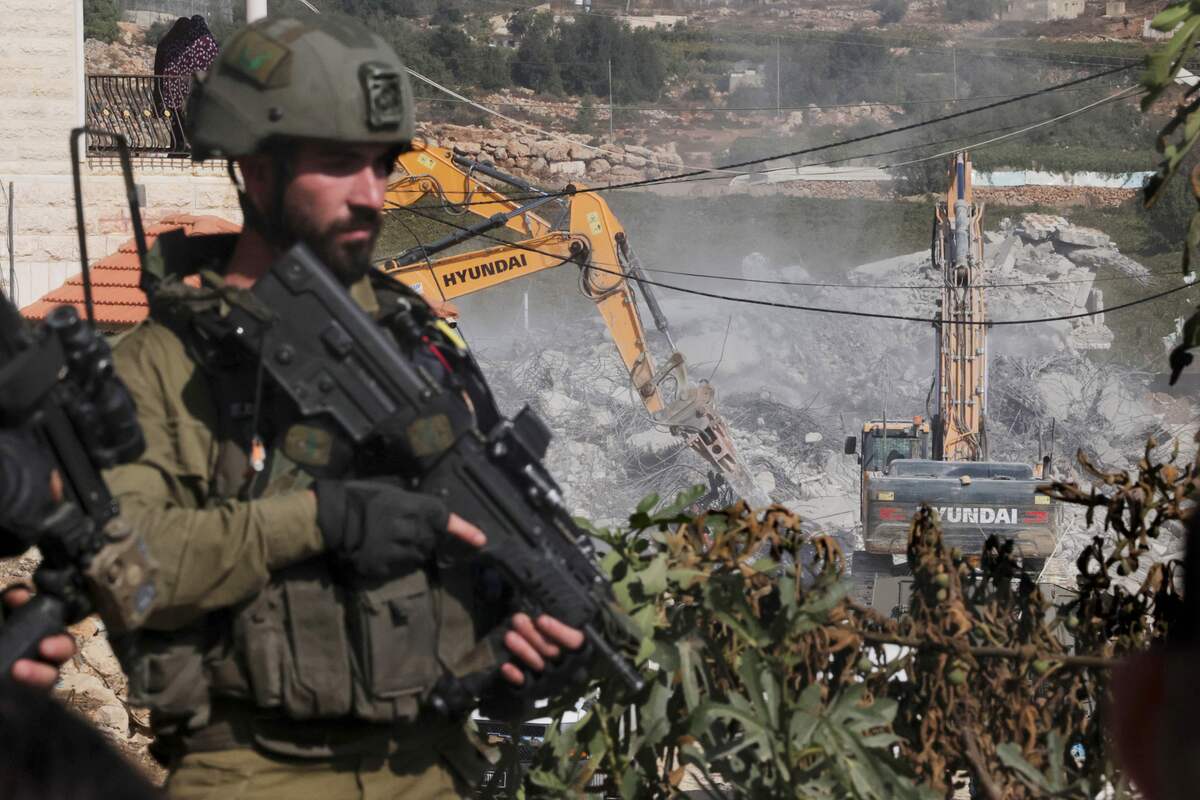
This morning, Thursday, the Israeli occupation forces demolished a two-storey house in the town of Yatma, south of Nablus.


According to local sources, these forces stormed the town accompanied by two military bulldozers, and forced the citizen Baraa Nasser Ismail to evacuate his two-story house, before quickly demolishing it.


It added that this is the second time that the occupation forces have demolished the home of the same citizen, after they demolished his home the first time in the area between the villages of Qablan and Yitma.

PALESTINE

Thu 14 Nov 2024 8:43 am - Jerusalem Time

More deaths and wounded as a result of the ongoing Israeli war on the Gaza Strip

Five citizens were killed and others were injured tonight when Israeli occupation aircraft bombed a group of citizens in the Al-Maghazi camp in the central Gaza Strip.


A number of citizens were also injured with varying degrees of injuries when the occupation bombed a tent housing displaced people in the Al-Mawasi area, west of Khan Yunis, in the southern Gaza Strip.


The occupation forces had launched two raids on the area earlier on Wednesday, which resulted in the death of 9 citizens and the injury of others, according to medical sources.


Al-Mawasi is a sandy area that lacks the most basic necessities of life. About 1.7 million citizens live there, who were forced to flee by the Israeli occupation under the pressure of bombing and gunfire. Most of them arrived there during the ground invasion of the city of Rafah in the southern Gaza Strip last May. The occupation claimed that it was a “safe area,” while it committed many massacres by targeting the tents that housed the displaced in the area.


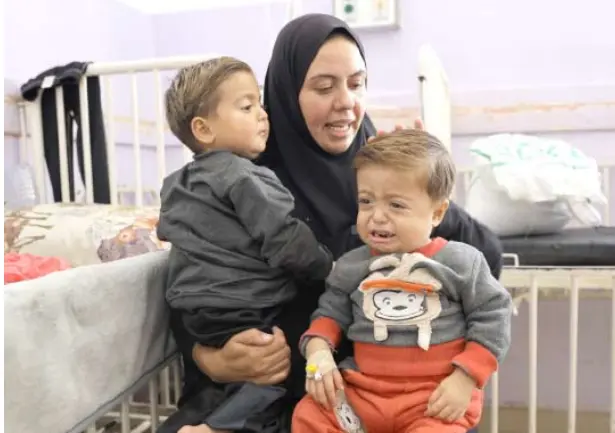
The occupation forces continue their aggression on the Gaza Strip, by land, sea and air, since October 7, 2023, which resulted in the death of 43,712 citizens, the majority of whom are women and children, and the injury of 103,258 others, in an incomplete toll, as thousands of victims are still under the rubble and on the roads, and ambulance and civil defense crews cannot reach them.

ARAB AND WORLD

Thu 14 Nov 2024 8:38 am - Jerusalem Time

A golden Trump era to achieve expansionist dreams.. The return of the prodigal son

Dr. Hassan Ayoub: Trump learned the lessons from his previous presidency and chose an administrative team that gives him greater flexibility to move freely

Dr. Hussein Al-Deek: The nature of the personalities of the new American administration indicates that the second golden age of Trump and Netanyahu has begun

Dr. Raed Abu Badawiyya: Trump’s selection of his administration team reflects an approach consistent with his previous policy and more extremism towards the Middle East

Dr. Saad Nimr: Trump's vision is consistent with the Israeli approach to reordering the Middle East, and his team tends to support the Zionist movement

Dr. Abdul Majeed Suwailem: Trump's new term will not be similar to his previous term, especially with the significant change in global and regional circumstances


The world is awaiting the upcoming US administration of Donald Trump, which has clearly shown a continuation of his previous policies with a tendency towards extremism, especially on issues related to the Middle East and Israel, at a time when the golden age of Trump and Netanyahu has returned.


In separate interviews with “I,” writers, political analysts, academics, and specialists in American affairs believe that Trump’s new appointments reflect a desire to strengthen presidential powers, especially in foreign policy. He has chosen a team that allows him to implement his vision with broad flexibility, and highlights his tendency toward unconditional support for Israel, with the possibility of paving the way for implementing more extreme policies such as promoting annexation projects in the West Bank.


They assert that the new Trump administration, backed by a Republican majority in the Senate, reflects the beginning of the “second golden age” of Trump and Netanyahu, and that the appointments in that administration include hardline figures, especially in their positions on the Palestinian-Israeli conflict, with a tendency to undermine the two-state solution and blatantly support annexation projects, and even consider military steps regarding the Gaza Strip, in an effort to impose final solutions in line with Trump’s vision of consolidating Israeli control, which poses a serious threat to the Palestinian national project.


A large share for capital owners


Dr. Hassan Ayoub, a professor of political science at An-Najah University and a specialist in American affairs, believes that the appointments in the Donald Trump administration reflect the extent of the broad powers that the political system in the United States grants to the president, especially in the areas of foreign policy.


Ayoub points out that Trump, who seems to have learned the lessons of his previous presidency, has chosen an administrative team that gives him greater flexibility to move freely, allowing him to implement his vision extensively and without major internal restrictions.


Regarding the economic direction of the Trump administration, Ayoub points out that this time the Trump administration has given a large share to capitalists, which opens the way for technology companies to benefit from economic policies.


Ayoub explains that this trend reflects Trump's ideological dimension, especially with the selection of a Treasury Secretary who agrees with his economic thinking.


Ayoub asserts that the Trump administration’s orientations show hardline policies against international organizations, citing the appointment of an ambassador to the United Nations who holds tough positions towards international bodies, which portends hostile positions towards those institutions.


Trump's policies may have a clear impact on Arab and Palestinian issues


On the international and regional levels, Ayoub expects Trump's policies to have a clear impact on Arab and Palestinian issues.


Ayoub points out that appointing a Middle East peace envoy with close ties to Israel means that the Trump administration will adopt a biased approach in favor of Tel Aviv, which reinforces expectations about the major role of these appointments in passing the “deal of the century,” and perhaps more dangerous than it.


As for the policy of the expected Trump administration towards the Gaza Strip, Ayoub indicates that it will most likely depend on deals and mutual interests, while American support for Israel in the West Bank is expected to continue unconditionally and with a large area of freedom of action.


Regarding the Iranian file, Ayoub believes that the Trump administration will continue its policy of "maximum pressure" on Iran through sanctions, and he does not rule out that Israel will receive a green light to launch strikes on sensitive Iranian sites, which will increase regional tensions.


But Ayoub points out that all American administrations, despite their apparent changes, follow similar policies, with only the details differing according to current circumstances and data, without a fundamental change in approach.


Noticeable rush in preparing Trump's team


The writer, political analyst and specialist in American affairs, Dr. Hussein Al-Deek, believes that the selection of the members of the next administration by President-elect Donald Trump carries a remarkable momentum, as he shows a noticeable rush in preparing his political and governmental staff, which reflects a clear agreement between the White House and the US Congress.


According to Al-Deek, these appointments, which include ministers, ambassadors, and key advisors, will be presented for Senate hearings for approval, and these appointments will pass easily in light of the comfortable Republican majority in the Senate, which will help the new administration implement its policies smoothly.


Al-Deek explains that the names proposed for government positions indicate Trump's intention to form a strong and effective administration, as they include figures with prominent political, economic and media weight, including members of Congress and the Senate, in addition to media figures from major media platforms such as Fox News, as well as influential economic figures such as Elon Musk, which highlights the political and economic strength and media direction of this expected American administration.


Al-Deek points out that one of the most prominent features of these appointments is Trump’s choice of figures from the evangelical far-right, as the Secretary of Defense, the Secretary of State, and the US representative to the United Nations are figures known for their hardline positions.


Al-Deek confirms that this trend by Trump reflects a clear policy on foreign issues, especially in the Middle East.


“I don’t want to rush to judgment on this administration,” says Deek, “but the staff that is being appointed with President Trump, whether they are advisors, or in the United Nations, or ministers in the government, indicates that the second golden age of Donald Trump and Benjamin Netanyahu has begun.”


Al-Deek believes that these trends are evident in the positions of these figures on the Palestinian-Israeli conflict, as they absolutely support Israel, including annexation projects in the West Bank, which they consider to be “Judea and Samaria” and part of the land of Israel.


Al-Deek points out that it is clear that the next US administration will continue the policies of military and economic support for Israel, similar to Trump’s first term, while strengthening these positions and increasing support absolutely, as the statements of many of the candidate figures regarding annexation and Israeli sovereignty in the West Bank reinforce this perception.


Al-Deek asserts that these positions are in line with the vision of the extremist Israeli government led by Benjamin Netanyahu, which sees Trump’s return as a historic opportunity to achieve additional gains that it was unable to achieve during previous American administrations.


Expect more measures to undermine the Palestinian national project


The next phase is expected to witness more measures to undermine the Palestinian national project, as this administration, as is likely, will seek to strengthen Israel’s control over the occupied Palestinian territories and narrow the political space for the Palestinians, including working to eliminate the right of return and reduce Palestinian influence in Jerusalem, while essential issues such as water and land will witness additional pressure on the Palestinians.


Al-Deek points out that these measures aim to liquidate the two-state solution and achieve the aspirations of the extreme Israeli right to impose full sovereignty over the West Bank.


On the international level, Al-Deek believes that the Trump administration will focus on important files such as Ukraine and Southeast Asia, and some issues, such as the Russian-Ukrainian conflict, may witness new initiatives to launch political paths. As for the Iranian file, the administration will seek to exert more economic pressure, and there may be an effort to renegotiate a new nuclear agreement, unless Israel imposes the option of a military strike against Iranian nuclear facilities.


Great interest in economic and military relations


Regarding relations with the Arab world, Al-Deek stresses that this administration will pay great attention to economic and military relations, given that the Arab world represents a large market for American weapons and a source of wealth, as the military industries exported to Arab countries are estimated at billions annually, which reflects the strategic direction of the administration in strengthening American economic interests in the region.


Al-Deek expects that Trump's second term will be a continuation of his previous approach, but will witness an escalation in support for Israel. The first administration witnessed Israel being granted important political and economic gifts, including recognizing Jerusalem as the capital of Israel and moving the US embassy there.


The new administration, according to Al-Deek, may move forward in supporting expansionist Israeli policies, at the expense of legitimate Palestinian rights.


Al-Deek explains that the US-Israeli relationship, which is governed by geopolitical alliances and strategic interests, will remain strong under Trump’s second term, with more support for Israel at the expense of the Palestinians, which will enhance new challenges for the Palestinians and their national project in the face of these policies.


Trump's team members have strong positions.


Dr. Raed Abu Badawiyya, Professor of International Law and International Relations at the Arab American University, believes that the features of the orientations of the expected administration of US President-elect Donald Trump have appeared clearly since the beginning of his election campaign, especially when he chose his vice president and some other figures.


Abu Badawiya believes that the choices announced by Trump from the beginning, such as his ambassador to the United Nations and the Secretary of State, reflected his well-known philosophy on pivotal issues such as Ukraine and American support for it.


Abu Badawiya says: “Trump’s orientations were clear from day one, and we noticed their consistency with his vision of international and regional politics, including Middle East policies, specifically towards Iran and Israel.”


Abu Badawiya explains that members of Trump's team have strong positions, as they strongly oppose Iran and support Israel without reservation.


Abu Badawiya asserts that Trump’s choice of his team reflects an approach consistent with his previous policy, whether that which he implemented during his first term or that which he expressed during his current election campaign, which means the continuation of these trends, and perhaps their extremism, especially with regard to the Middle East.


Abu Badawiya points out that Trump strongly supports Israel and its interests, and he does not expect any change in this position, but rather he is likely to become more extreme in supporting the occupying state.


Absolute support for Israel


Abu Badawiya points out that Trump's positions towards Israel are characterised by absolute support, citing his election statements in which he criticised the Biden administration despite its unlimited support for Israel during and after the events of October 7, considering this support insufficient, and calling for no pressure on Israeli Prime Minister Benjamin Netanyahu.


Abu Badawiya explains that Trump's statements have always been aimed at strengthening Israel's control, whether on the security or settlement levels.


Abu Badawiya believes that there is a possibility that Trump will return with more supportive tendencies towards Israeli annexation policies, which previously emerged in the "Deal of the Century", where he granted Israel the ability to control 40% of the West Bank.


“Trump may go beyond the deal of the century, by supporting the annexation of additional areas in the West Bank, and even considering unprecedented steps regarding the Gaza Strip, especially the northern part of the Strip,” Abu Badawiya said, noting that Trump may support Israel in achieving military gains that translate into political gains, which may include annexation or full security control over the northern Gaza Strip.


Abu Badawiya believes that Trump's approach to dealing with Israeli issues is based on "recognizing the facts on the ground," as he did previously when he recognized Jerusalem as the capital of Israel and Israeli sovereignty over the Golan Heights.


Abu Badawiya says: “Trump may use the same approach again, by imposing new facts on the international community, such as recognizing the expected annexation in the West Bank, in order to consolidate Israeli control.”


Abu Badawiya points out that this policy is in line with Trump's vision of resolving conflicts by imposing solutions, something he emphasized during his first term and his efforts to legitimize Israeli settlements.


Possibility of "political deals" related to the Gaza Strip


In this context, Abu Badawiya points to the possibility of "political deals" related to the Gaza Strip, which may include an Israeli withdrawal in exchange for international recognition of Israeli sovereignty over large parts of the West Bank.


Abu Badawiya says: “Trump may be inclined to conclude such deals, which balance withdrawal from Gaza in exchange for strategic gains in the West Bank,” stressing that Trump’s policies in the Middle East are characterized by making concessions to Israel at the expense of the Palestinians.


As for managing international policies, Abu Badawiya believes that Trump has a decisive and central personality, as he does not allow any member of his team to make unilateral decisions on major global issues.


Abu Badawiya explains that “Trump is the one who makes the final decision, whether in his relations with Europe, his policies towards China and Russia, or even his dealings with Israel. All members of his administration, from the vice president to the lowest levels, will follow his directions and revolve around his decisions.”


Abu Badawiya asserts that Trump is an unconventional president whose moves are difficult to predict, which makes his policies pivotal in shaping the features of American foreign policy.


Abu Badawiya stresses that Trump has learned lessons from his first term in office, especially regarding trade wars and tensions with European allies.


"Trump may be more flexible with Europe and China on some issues, but he will remain very tough on Middle East issues, especially in his support for Israel and his hostility to Iran," he says.


Abu Badawiya believes that this extremism may lead to a new escalation in the Palestinian-Israeli conflict, especially in light of Trump's unlimited support for Israel's interests, which may exacerbate the already tense situation in the region.


Trump continues his previous approach, perhaps more extreme


Dr. Saad Nimr, Professor of Political Science at Birzeit University, explains that the nature of the personalities chosen by US President Donald Trump to form his electoral and administrative team in his new presidential campaign clearly reflects the expected trends of the policies of the next administration.


Nimr explains that these figures largely belong to the same close circle that surrounded Trump during his previous term, a circle that tends to support Israel and the Zionist movement.


Nimr explains that some of these people openly boast about their Zionist positions, which indicates that the same approach is continuing, perhaps even more extreme.


Nimr asserts that these appointments will play a pivotal role in drawing up and formulating future American policies, noting that the team surrounding Trump will influence the important decisions taken by the administration, and will have an advisory role on strategic issues.


Nimr points out that the general direction of the expected Trump administration will be largely supportive of Israel, with a special focus on strengthening the interests of the United States of America in the Middle East region, which is in line with clear Zionist agendas.


Nimr points out that the Republican Party had prepared a comprehensive study, reflecting the party’s future visions and orientations, consisting of about 700 pages prepared by 38 experts and political thinkers.


What is striking about this paper, according to Nimr, is that 31 of these experts are either Zionists or have Jewish backgrounds, which clearly reflects the extent of the influence of pro-Israel ideas in shaping American policies. The study addresses three main issues related to the United States’ position on the Russian-Ukrainian war, its relations with China, and finally Middle East issues.


Nimr points to the Republican Party's vision for the Middle East, which is based on eliminating the axis of resistance, including Iran, which is accused of standing behind the axis of resistance, and re-strengthening Israel's deterrent power.


Nimr points out that this vision is completely consistent with Israeli Prime Minister Benjamin Netanyahu's speech before the United Nations, in which he spoke of a new Middle East in which Israel is the dominant power.


Nimr points out that, according to this strategy, the United States seeks to rearrange the situation in the Middle East region to ensure its interests, while highlighting Israel as a fundamental pillar of regional power.


Regarding Trump's positions and election speeches, Nimer points to statements made by Trump that reflect his strict vision on regional issues, including what he said about the necessity of Israel's expansion.


He explains that in the context of these statements, Trump raises questions about where Israel could expand, which raises fears that the West Bank or other areas in the regional environment, such as Lebanon, Syria, or the Jordan Valley, could be the target of this expansion.


Nimr explains that there are other statements from officials in the extreme Israeli right that confirm this trend, as they demand control of the Jordan Valley from the eastern side of the Jordan River.


Nimer points to Trump's previous statements to Netanyahu, which carried a clear tone of support, urging him to "get the job done," referring to the need to eliminate the resistance.


According to Dr. Nimr, this speech indicates that Trump’s vision is consistent with the Israeli approach to re-arranging the Middle East in a way that serves the Israeli vision.


Nimr asserts that the next Trump administration will move towards adopting more violent and repressive policies in the region, as Trump’s return to power will strengthen the American colonial policy in the Middle East, reflecting strict trends that threaten the Palestinian cause and consolidate Israeli hegemony.


Intersection with Israeli right-wing ideas on annexation


Writer and political analyst Dr. Abdul Majeed Suwailem believes that the choice of pro-Israel figures by US administrations is not new, but rather represents a long-standing American tradition that extends across all successive governments, and these trends are no exception, as Donald Trump has also followed the same path.


Suwailem asserts that the figures appointed to influential positions usually reflect American policies that support Israel, regardless of the ruling party, with slight differences between Republicans and Democrats in how these policies are implemented.


Suwailem explains that the hardline approach that characterizes Trump's potential team reflects the expected trends in what is known as the coming "Trumpism," a vision that intersects with the ideas of the Israeli right to annex the West Bank.


But Suwailem stresses that these American plans, despite their danger, are not an inevitable fate for the Palestinian people or the region.


Suwailem believes that what the next US administration is planning to do in terms of recognizing the annexation of the West Bank will constitute a major challenge that may embarrass Arab regimes.


Trump himself faces serious internal and external challenges.


However, Suwailem believes that Trump himself faces serious internal and external challenges, and it is not unlikely that he will seek to please the parties that funded his election campaign through decisions of a major media nature, which is expected to be the announcement of the annexation of the West Bank in the media context only.


Suwailem points out that the figures chosen by Trump will have an influential role, but the deep state in the United States, which is subject to strategic interests, will not allow any policies that may cause significant harm to American national security, the image of the United States of America, and its interests.


Suwailem warns that any proposal to annex the entire West Bank or expel the Palestinian population will ignite the situation in the region, or if there is annexation while the Palestinians remain in the West Bank, they will constitute a demographic burden on Israel, which makes these plans difficult to implement and full of complications.


Suwailem asserts that there is no fundamental difference between Trump and Biden’s policies towards Israel, as both are implementing specific plans, although Republicans openly and strongly support Israel as a racist Zionist state, while Democrats seek to strengthen its regional role.


Suwailem points out that Israel itself is going through multiple internal crises, most notably the leadership crisis and societal divisions, which is pushing it to search for ways to escape from these crises.


Suwailem believes that Trump's new term will not be similar to his previous term, especially with the significant change in global and regional circumstances. The game and its rules have changed, and the players, their role and status have changed.

PALESTINE

Thu 14 Nov 2024 8:33 am - Jerusalem Time

The decisive plan began with nibbling before digestion.. Work has begun on the infrastructure to swallow the West Bank!

Hani Abu Al-Sabaa: Annexing the West Bank means the end of any hope for a political peace process and the collapse of the Authority and its institutions

Khalil Shaheen: Israel is trying to withdraw more powers from the Authority, which threatens its collapse or turning it into a large municipality

Muhammad Abu Allan Daraghmeh: Declaring Israeli sovereignty over the West Bank is dangerous and means displacing Area C and eliminating the two-state solution

Muhammad Hawash: Arab unity is required to confront any plan that does not meet Palestinian aspirations and work to protect the two-state solution

Sari Arabi: Any annexation of the West Bank effectively means ending the settlement process on which the Palestinian Authority was founded

Fayez Abbas: The timing of Smotrich’s statements may be due to his declining popularity.. and the Trump administration’s position will be decisive


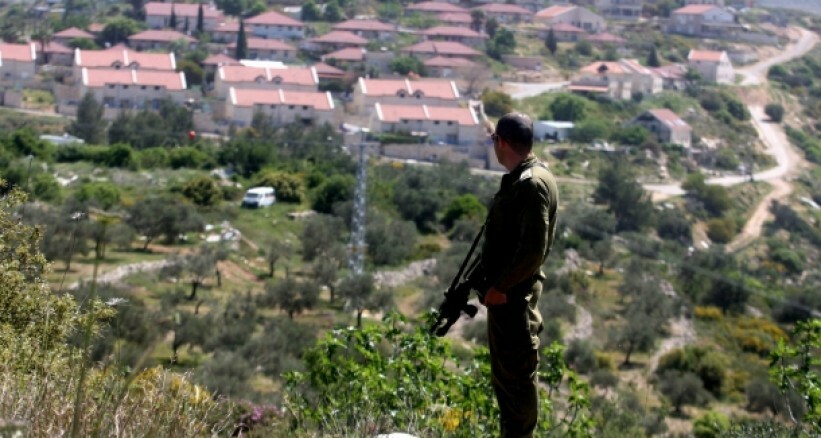
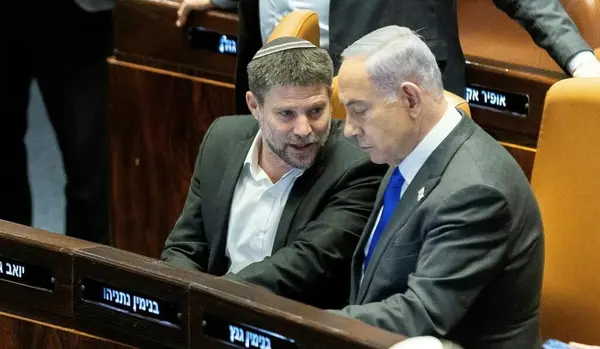
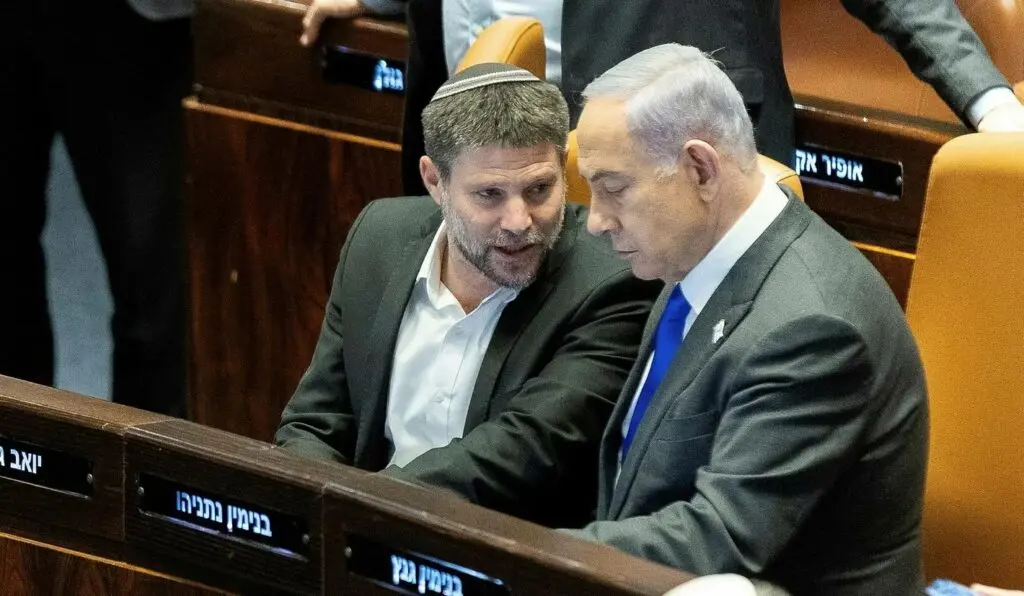
The Israeli government, headed by Benjamin Netanyahu, is racing to impose full sovereignty over the West Bank, amid rapid moves and statements from its ministers, led by Finance Minister Bezalel Smotrich, who announced that 2025 will be the date for achieving this goal.


In separate interviews with “I,” writers, political analysts and specialists believe that Israeli officials are counting on Donald Trump’s return to the US presidency, which could provide strong support for expanding settlements and disrupting any peace efforts. They are even putting the issue of sovereignty over the West Bank on the Trump administration’s table as one of the first issues.


Writers and experts confirm that the Palestinian Authority is facing major challenges, with warnings of its potential collapse if Israel continues to withdraw its powers and undermine its role, which threatens further escalation and confrontation.


More extreme Israeli positions


Writer, political analyst and expert on Israeli affairs, Hani Abu Al-Sabaa, points out that the statements of Israeli Finance Minister Bezalel Smotrich regarding imposing full Israeli sovereignty over the West Bank by 2025 came accompanied by explicit instructions to begin implementing this plan. It seemed striking that Prime Minister Benjamin Netanyahu, hours after those statements, indicated the need to exploit the historic opportunity that the return of former US President Donald Trump to the White House might provide to impose Israeli sovereignty over the West Bank lands.


Abu Al-Sabaa asserts that these statements reflect more extreme positions in the Israeli government, and aim to achieve internal political gains in light of crucial electoral entitlements.


According to Abu Al-Sabaa, the moves led by Netanyahu's government coincide with the results of opinion polls that showed that the Likud party led by Netanyahu may suffer in the upcoming elections, and may not achieve the required electoral threshold. Then came the hardline rhetoric adopted by Smotrich in an attempt to maintain the support of the electoral base of extremist settlers, who constitute a significant electoral force.


Disrupting any political process or possible settlements


But according to Abu Al-Sabaa, this policy also serves a deeper goal: to disrupt any political path or potential settlements that might follow Trump’s victory, which might include the West Bank within new arrangements, which reinforces the Israeli government’s desire to impose a fait accompli before any diplomatic developments.


Abu Al-Sabaa points out that the calls of Israeli officials, including statements by ministers in Netanyahu’s government, were not limited to annexation alone, but some voices are demanding more severe measures, such as removing Palestinian camps and pushing Palestinians to leave their homeland, as these calls reveal the dimensions of the broader Israeli project, which goes beyond mere geographical control to an attempt to bring about sustainable demographic change.


He points out that on the Palestinian side, President Mahmoud Abbas's statements at the extraordinary summit in Riyadh warned of the danger of the collapse of the Palestinian Authority, as President Abbas stressed that unilateral Israeli policies on the ground, which include settlement expansion and land confiscation, threaten the Palestinian dream of establishing an independent state and put the future of the Authority at risk.


According to Abu Al-Sabaa, the Palestinian Authority has faced major challenges in the past, most notably the “Deal of the Century,” which aimed to liquidate the Palestinian cause and pass Arab normalization without a just political solution. Today, the Authority faces a more dangerous scenario that requires a comprehensive confrontation.


Abu Al-Sabaa stresses the need for the Palestinian leadership to use all available means, starting with turning to international forums to expose Israeli policies, to strengthening Arab and Islamic coordination to pressure Netanyahu’s government. Strengthening the steadfastness of the Palestinians on the ground, especially in areas classified as “C,” is a vital priority, despite the limited capabilities possessed by the Authority.


But Abu Al-Sabaa stresses that with the return of Trump, who offered Israel unprecedented political gifts in his previous term, such as recognizing Jerusalem as the capital of Israel and legitimizing Israeli sovereignty over the Golan Heights, the challenges are becoming more complex.


Abu Al-Sabaa stresses that if the Israeli government succeeds in implementing its plans regarding sovereignty over the West Bank, this will mean the end of any hope for a political peace process, and the collapse of the Authority and its institutions, which will leave millions of Palestinians under the rule of direct occupation.


Despite the bleakness of this scenario, Abu Al-Sabaa points out that imposing extremist Israeli policies will plunge the region into a cycle of continuous violence and will strengthen the spirit of resistance among the Palestinians, as historical experiences show that when the Israeli occupation suffers heavy losses due to long-term resistance, it is eventually forced to withdraw, leaving behind settlement projects that have cost it dearly.


A key item in Netanyahu's government program


Writer and political analyst Khalil Shaheen warns of the danger of Israeli Finance Minister Bezalel Smotrich’s proposal that 2025 will be the year of imposing Israeli sovereignty over the West Bank, stressing that this proposal is not just a dream, but rather represents a major item in the government program of Israeli Prime Minister Benjamin Netanyahu.


Shaheen points out that this clause was explicitly mentioned in the coalition agreements signed between the Likud and Religious Zionism parties led by Smotrich in December 2022, which stipulated that the Israeli government would seek to impose the sovereignty of the “Jewish state” over the areas of the so-called “Judea and Samaria” (i.e. the West Bank), and that implementation would depend on Netanyahu’s decisions in light of favorable circumstances.


Shaheen points out that Smotrich believes that Donald Trump's return to the US presidency may create an ideal opportunity to achieve these demands, and perhaps even raise the ceiling of ambitions beyond the annexation of 30% of the West Bank proposed in the "Deal of the Century."


The extreme right, according to Smotrich, may seek to impose sovereignty over the entire West Bank, but things do not stop at the Israeli waiting for favorable conditions, as the current government is working to prepare the reality on the ground. We have witnessed from the beginning the appointment of Smotrich as a second minister in the Ministry of Defense and granting him broad powers related to managing settlement affairs and demolishing Palestinian homes, which effectively diminishes the powers of the Palestinian Authority, especially in areas classified as “B,” referring to the recent escalatory steps that have stripped the Palestinian Authority of powers in southwest Bethlehem, as well as the “creeping annexation” through expanding settlements and linking settlements to a broad infrastructure.


Shaheen explains that these policies are radically different from those followed by previous Israeli governments, which focused settlement on areas that served security purposes such as the Jordan Valley or on the borders of the Green Line. However, now, the policies of the Netanyahu government are characterized by an aggressive nature, as settlers seek to establish settlement outposts deep in the West Bank and launch terrorist attacks on Palestinian villages and communities.


Shaheen expressed his concern about settler attacks that are no longer limited to rural areas, but have extended to the outskirts of Palestinian cities, as happened in the recent attack on the city of Al-Bireh, where cars were burned and residential units were damaged.


Shaheen believes that Israel is trying to confine the Palestinians to isolated areas, while withdrawing more powers from the Palestinian Authority, which threatens its collapse or turning it into an entity that provides services without any sovereign powers.


Regarding the fate of the Palestinian Authority if Israeli sovereignty is imposed, Shahin asserts that imposing sovereignty means that the West Bank will come under complete Israeli control, and the Authority will not be allowed to exercise any statehood, such as raising flags or having security forces. Rather, it will be forcibly transformed into a mere large municipality, while the Palestinians will be treated as residents without full citizenship rights, similar to the situation of the Palestinians in the city of Jerusalem.


Shahin points out that Israel may go further to amend the legal environment in line with the “Jewish Nation-State” law, which enshrines the rights of self-determination for Jews alone and promotes settlement as a supreme value of the state.


Shaheen believes that the danger of annexation does not only threaten the West Bank, but may extend to the Palestinians inside the Green Line, while Shaheen believes that if these steps are implemented, they will launch what he called the "mercy bullet" on the path of normalization, and transfer the conflict to an open confrontation, which may include scenarios of displacement and war in all its cultural and political forms.


The authority is required to adopt a new strategy.


He stresses that confronting this danger requires the Palestinian Authority to adopt a new strategy that works in coordination with the factions and civil society, away from the Oslo approach that focused on managing the population rather than the land.


Shaheen points out that we may witness a return to a popular resistance pattern that reactivates the role of the Palestine Liberation Organization as a comprehensive framework, inspired by previous struggle experiences.


Shaheen believes that the Israeli plans may push the Palestinians to return to resistance in all its forms, which will restore the Palestinian cause to its radiance and define the Palestinian conflict as a national liberation movement.


The occupation imposes its full control over the West Bank


The writer and expert on Israeli affairs, Muhammad Abu Allan Daraghmeh, believes that the Israeli occupation state’s control over Area C, which constitutes 63% of the West Bank, has become a reality. This control is not merely a matter of terminology, but rather the occupation imposes its complete control over the West Bank through networks of settlements, army camps, military training areas, and nature reserves.


Draghmeh points out that despite the absence of an official declaration imposing Israeli sovereignty over the West Bank, the occupation authorities are imposing their actual control through military laws that serve their interests, while the official declaration remains subject to the position of the US administration, which is the only international player capable of providing legitimacy for such a step, as the Israeli occupation government believes. Hence, the statements of the Israeli Minister of Finance, Bezalel Smotrich, that the year 2025 is the year of the actual annexation of the West Bank.


Daraghmeh stresses that the issue of declaring sovereignty over the West Bank depends largely on how the United States deals with the occupation government, given that Tel Aviv cannot ignore the importance of Washington’s approval. So far, although Israeli law has not been formally imposed on the West Bank, the occupation’s control is being applied on the ground, leaving the question of the extent to which this sovereignty can be formally declared.


Israeli discussions about the fate of the Authority


Regarding the fate of the Palestinian Authority, Draghmeh explains that the debate over its existence is ongoing within the corridors of Israeli politics, both at the military and political levels. Despite the apparent differences between the parties, where extremists such as Bezalel Smotrich and Itamar Ben-Gvir call for getting rid of the Authority, on the pretext that it supports what they call “terrorism” and is the nucleus of a potential Palestinian state, the Israeli army sees the importance of maintaining the Authority as a tool for maintaining security. From the military level’s point of view, the existence of the Authority strengthens efforts to combat “terrorism,” but on condition that it remains weak and operates within limits acceptable to Israel.


Draghmeh points out that Smotrich promotes the need for the Authority to remain under the control of the occupation, while keeping its influence weak, even in areas classified as “A,” while preventing it from having any actual presence or influence in areas “C.” Smotrich’s statements, which call for the Authority to remain in a way that serves the interests of the occupation, reflect the general trend toward imposing complete control, while keeping the Palestinians in a state of permanent dependency.


As for the repercussions of declaring sovereignty if it happens, Draghmeh believes that the step means the final elimination of the idea of the two-state solution, which is consistent with the vision of the extreme Israeli right, which considers settlements the most important means of preventing the establishment of a Palestinian state.


Draghmeh warns that this step could lead to the widespread displacement of Palestinians from Area C, with the aim of concentrating their presence in the smallest possible area in the West Bank, which would ensure that the settlers control the largest area, and thus achieve the main goal that Smotrich seeks.


Power options are almost non-existent.


Regarding the Palestinian Authority’s options, Draghmeh asserts that its options seem almost non-existent, especially in light of the unlimited American support for the Israeli occupation, which provides it with international protection in international institutions.


Draghmeh points out that Israel does not pay attention to international resolutions, whether issued by the United Nations or the Security Council, which means that any official Palestinian reactions are limited to statements of condemnation and denunciation or holding international meetings, such as those sponsored by the Arab League, without producing tangible results on the ground.


Draghmeh points out that the internal Palestinian division is an obstructive factor that disperses Palestinian efforts and weakens their ability to effectively confront the occupation at various levels. This division also weakens the general Palestinian position and makes it difficult to invest any popular or international momentum in confronting Israeli plans.


On the Israeli side, Draghmeh explains that the media indicated that Netanyahu's government is not waiting for the end of the Biden administration's term, but is rather accelerating the preparation of files related to the annexation plans to present them to the table of the next Donald Trump administration.


This Israeli haste, according to Draghmeh, warns that actual steps towards annexation are being arranged, especially since Netanyahu's recent statements reflect his agreement with Smotrich's orientations, which means that Israel is moving forward in achieving this agenda without waiting for new international cover.


Draghmeh stresses that these developments reflect the extent of the occupation government’s determination to undermine any chance of establishing a Palestinian state, through practical steps represented by settlement, and political steps represented by seeking to impose sovereignty, amidst the absence of any effective tools in the hands of the Palestinians to confront these accelerating challenges.


A unified Arab position is required


Writer and political analyst Muhammad Hawash explains that since 2017, Bezalel Smotrich has been promoting his project to annex the West Bank as part of what he calls the “decisive plan,” even before he became finance minister in Netanyahu’s government.


Hawash points out that Smotrich believes that this region cannot tolerate two states, and calls on the Palestinians to give up their national aspirations, even by force. This extremist idea has been increasingly encouraged since the previous term of Donald Trump in the US presidency, who provided unprecedented support for Israel. It witnessed some decline during the presidency of Joe Biden, but it has returned to a strong rise with the appointment of Smotrich as a minister in Benjamin Netanyahu’s government. Today, with Trump’s return to the US presidency, Israeli expansionist ambitions appear to be receiving a new dose of support.


Hawash explains that Israeli settlement in the West Bank increased significantly during Smotrich's tenure in government, as Israel tightened its measures against the Palestinians and sought to intensify control over the land.


However, Hawash points out that the idea of full annexation is still subject to complex political balances at the international, regional and Israeli levels, where interests and influential forces overlap in this issue.


Hawash stresses that the Palestinians, of course, reject these plans in principle, and see them as a blatant threat to their national aspirations and legitimate rights.


On the regional level, Hawash confirms that there is a clear rejection of any attempt to impose Israeli sovereignty over the West Bank, and that the entire international community, including the United States, officially recognizes the Palestinian Authority, and the Biden administration is still committed to rejecting the extremist proposals promoted by ministers such as Smotrich and Itamar Ben-Gvir.


However, according to Hawash, Trump's future position on this issue remains unclear, although some indications suggest that he does not intend to return to the "Deal of the Century" in its previous form. However, experts warn that Trump's policy may be affected by new balances in the region.


In this context, Hawash believes that it is necessary for the Arabs to unite in a clear position to confront any plan that does not meet Palestinian aspirations, and to work to protect the two-state solution that enjoys international consensus.


According to Hawash, the complete annexation of the West Bank, if implemented, would mean that Israel would bear responsibility for the Palestinian population. This scenario raises questions about whether Israel is truly prepared to live in a single state that includes the Palestinians, with equal rights guaranteed to all, or whether it is seeking to impose an apartheid-like system, which the international community does not accept in any way. The world agrees on the necessity of achieving a two-state solution, and categorically opposes any policy that would eliminate this option.


Despite the threats of annexation of the West Bank, Hawash asserts that the Palestinian Authority will remain in place, whether Israel accepts it or not. It is internationally recognized and bears responsibility for the Palestinian people, and its presence will remain present as an obstacle to extremist Israeli policies.


However, Hawash expects that the Palestinians will face a severe political confrontation, including all aspects of life in the West Bank, in light of Israel's attempts to gain complete control, which is difficult to achieve without international and regional approval.


Hawash confirms that the first steps to confront Smotrich's plan were represented by the Arab-Islamic summit, which clearly expressed its rejection of any solution imposed unilaterally.


Hawash stresses that confronting these Israeli plans requires broad diplomatic action at the international level to protect the two-state solution, prevent the liquidation of the Palestinian cause, and preserve the rights of the Palestinian people in light of the escalating challenges.


Facts on the ground go unhesitatingly.


Writer and political analyst Sari Arabi stresses the need to deal seriously with the plans of Israeli Finance Minister Bezalel Smotrich, who plans to resolve the issue of Israeli sovereignty over the West Bank in 2025.


Arabi points out that the procedures and facts on the ground are proceeding without hesitation to achieve this goal, which requires great attention, especially since the annexation project is not limited to Smotrich alone, but is part of Prime Minister Benjamin Netanyahu’s agenda, when Netanyahu announced his intention to annex parts of the West Bank during his previous term, which coincided with the term of former US President Donald Trump, and the launch of the “Deal of the Century” at that time.


Arabi explains that annexation is not only achieved through Smotrich’s statements, but also through practical steps. For example, Smotrich was given a second ministry in the Israeli Ministry of War, where he separates the civil administration of the settlers in the West Bank from the military government. This step, which practically means establishing a civil administration for the settlers, is an actual annexation without the need for legal noise, which makes it easy to legalize in the future.


Arabi points out that there are already projects under discussion to annex certain areas of the West Bank, including settlements and Area C, and there are recent Israeli decisions, such as the confiscation of a reserve located east of Bethlehem, and granting powers to the Civil Administration in Area B, which confirms that Israel is proceeding with the gradual implementation of annexation plans.


As for the fate of the Palestinian Authority, Arabi believes that this is a big question that must be asked, especially since any annexation process effectively means ending the settlement process on which the Authority was founded, from the Madrid Conference to the Oslo Accords and the agreements that followed.


Arabi points out that the occupation seeks to transform the Authority from a political entity representing the Palestinians into a mere self-administration with no political horizon, and that it works as a security agent serving the interests of the occupation. This indicates that the fate of the Authority is now in great danger, as its role is being gradually marginalized, which is something that must be taken into account.


The occupation treats the West Bank as an annexed land without inhabitants


Regarding the fate of the Palestinian population after the official announcement of the annexation, Arabi points out that the Israeli occupation deals with the West Bank as a land to be annexed without a population, which raises real questions about the legal status of the Palestinians in light of the annexation. If the areas of the West Bank become subject to Israeli laws, the legal status of the Palestinians will become ambiguous and confusing, which may facilitate the implementation of policies of displacement and suffocation of the population, in an attempt to force them to live in the smallest possible area.


Arabi warns of serious repercussions of annexation, including ending the legal status of the West Bank as occupied territory according to international law, and imposing new facts that legalize and legitimize the occupation.


This reality, according to Arabi, exacerbates the Palestinian dilemma and puts the Authority in a difficult position, especially with the continued state of internal division that disperses national efforts.


Arabi believes that Smotrich's threats cannot be confronted with silence, through statements, condemnation and denunciation, nor through the settlement path that Israel has used to its advantage.


Arabi stresses that the settlement process has ended and failed, which places a great national responsibility before the Palestinian leadership to launch a new program. This program should be based on national unity and take into account the many challenges, such as the ongoing Israeli aggression on Gaza, settlement expansion, and settler attacks.


Arabi concludes that the entire Palestinian national project is in great danger, which requires rethinking strategies and programs, and moving from stagnation to a real confrontation against expansionist Israeli policies.


Israeli concern over annexation due to demographics


Fayez Abbas, a writer specializing in Israeli affairs, believes that Smotrich’s statements about imposing Israeli sovereignty over the West Bank came amid an internal crisis that Smotrich is experiencing, as his popularity is suffering from a significant decline if new elections are held, to the point that in recent opinion polls he barely exceeds the electoral threshold, which has raised his concerns and pushed him to search for a controversial speech that would restore his public presence.


Abbas believes that Smotrich is acting as if the West Bank is not under Israeli control at all, while Israel has imposed its full military sovereignty over it since 1967.


Abbas points out that from Smotrich's perspective, the settlements are a factor that can now be used to advance the annexation project, taking advantage of potential political developments in the United States, as he believes that with Trump's return, there will be a golden opportunity to make fundamental changes on the ground.


However, Abbas poses a central question: What has prevented Israel from annexing the West Bank since it occupied it in the 1967 war? The answer, according to him, is simple but fundamental: demography.


Abbas points out that the fear of annexation stems from Israel's constant concern about having to absorb the Palestinian population, which would lead to the loss of the Jewish majority within the state within a few years. At that point, Israel would not be able to maintain its identity as a Jewish state, but would instead turn into a binational state, which would mean the end of the Zionist project as designed.


Regarding the Palestinian Authority, Abbas asserts that if the annexation is implemented, the Authority will be dissolved automatically, and the burden of managing Palestinian affairs will fall entirely on Israel, including responsibilities for health, education, infrastructure and basic services. Abbas asks: Is Smotrich, as Minister of Finance, prepared to assume these heavy responsibilities?


Abbas points out that confronting such a scenario requires international political action and continuous pressure, but the decisive factor will remain the position of the next US administration. With Trump’s return, all possibilities will remain on the table, including taking decisions that change the face of the entire region.


PALESTINE

Thu 14 Nov 2024 8:31 am - Jerusalem Time

A layered image of the renewed Trumpism!

His policies are shaped by his choices and appointments, and his orientations are understood by his statements.


From his quarrel with former aides who were in the position of scorers, such as Nikki Haley, the owner of the high heel incident in the Security Council, and Pompidou, his intelligence director and the keeper of his first term’s secrets, whom he openly declared, as usual, that he did not include in his team, we know how he settles accounts with his opponents and his worst friends.


However, bringing in people who are more extreme and more passionate about Israel than the two bitter friends of the old man who does not forgive or pardon those who competed with him and abandoned him when he was in trouble, indicates that the new management team is wearing the Maccabi shirt, and that the chants of the “ultras” in the streets of Amsterdam will not be compared to the ideas held by the hawks, and the biases they harbor for Israel that meet halfway with the goals of Smotrich and Ben Gvir in annexation, expansion, and displacement in the year 2025.


In the interval between the exchange of flags between the referees of the matches, until the inauguration of the president-elect and his ascension to the throne in about two months, and the president who is preparing to leave, the atmosphere seems clouded with escalation, with the angry departing one seeking to punish his rival by transferring the hot potato, and the blazing brazier like the burning fire that he enjoyed its warmth during their meeting around it in the White House yesterday, to his hands, to be burned by it so that he will not enjoy his throne.


Biden may be happier with the downfall of his vice president than his rival, who invested in his downfalls and mazes, before he was forced to leave the race under harsh criticism from members of his party, and nothing satisfied him more than her loss to his opponent.


There is more hostility between the departing president and his vice president, who has not abandoned his policies, than between him and his rival who bullied him in the only debate, which was the reason for his ouster and replacement with the candidate of necessity who was expected to lose. It is true that Trump did not deserve to win, but Harris deserved to lose with merit.


If introductions lead to results and endings, then Trump's choices take us back to the stage of zeroing the meters... Fasten your seatbelts in anticipation of the upcoming bumps!


Stop the war of extermination now..!

PALESTINE

Thu 14 Nov 2024 8:22 am - Jerusalem Time

Al-Quds monitors the suffering of sick children deprived of receiving treatment.. The story of the twins, Siraj and Sari, with illness and missing treatment

Their mother: They are slowly dying in front of my eyes and there is nothing I can do for them.

They are only given painkillers... they even deprive us of treatment!


“My children are dying in front of my eyes and I can’t do anything for them,” is how the mother of twins Siraj and Sari Abu al-Khair (4 years old) described the state of pain and helplessness she feels as she is unable to do anything for her two children who suffer from kidney disease in light of the lack of treatment due to the difficult reality that hospitals in the Gaza Strip are going through as a result of the systematic and barbaric targeting they are being subjected to during the war of extermination that the occupation army has been waging for the fourteenth consecutive month.


For more than two weeks, the two children have been lying in Al-Aqsa Martyrs Hospital in Deir al-Balah in the central Gaza Strip, without treatment. Their mother told Al-Quds.com: “They are suffering from a loss of potassium, magnesium and sodium. Before the war, I used to visit hospitals a lot, and they received their treatment in a timely manner.”


She added: "But now there is nothing to relieve their pain. They are only being given painkillers, which are of no use in their condition."


The ongoing Israeli war on the Gaza Strip has doubled the pain and suffering of patients, especially those suffering from chronic diseases, as they are in dire need of treatment, not to mention the Israeli occupation’s intransigence in bringing in medical supplies and medicines to the Strip’s hospitals.


The mother of the two sick children, Abu Al-Khair, continued to narrate her suffering, saying: “Their health has deteriorated greatly, their bodies have become very weak, and they have begun to vomit profusely and continuously, not to mention their inability to walk and their slow movement.”


Not only that, but the two children suffer from bedwetting and constantly need diapers. She said: “They cannot control their urination, and I cannot afford to buy diapers because they are not available in the market, and even if they are available, their price is very high, and I do not have the financial means to buy them.”


She added: “I have twin children, and if I can buy a bag of diapers, it will barely last a week or less. The mother wonders helplessly and frustratedly: “Where will we buy them when we are living in poverty!”


The two children, Siraj and Sari Abu Al-Khair, need magnesium, potassium and many vitamins that strengthen their immunity to resist and endure the disease. The mother continues by saying: “All of this is not available in all hospitals in the Gaza Strip, and I even provide them with painkillers with great difficulty.”


She added: "We are even deprived of treatment... God, what is happening to us is unfair."


The children also need a certain type of food to improve their health and enable them to walk and move. The grieving mother said: “I go to the market and I can’t find anything to buy. My children need vegetables, fruits and eggs.” She continued: “I swear they forgot what eggs are!”


Regarding the most difficult situations she went through, Abu Al-Khair’s mother said: “When Sari had a seizure one day at dawn, I carried him and ran without knowing where to go. I saw him dying before my eyes. I felt that I would lose him with all the oppression, pain and helplessness that this feeling entails.”


For more than a year, the two children have been fighting for their lives in hospital beds, and no one cares about their condition or pays attention to their situation. She continued: “I hope to travel with my children so that they can receive the necessary treatment in hospitals abroad,” and added: “I cannot bear to see their health deteriorate. I hope they grow up and become the best people.”
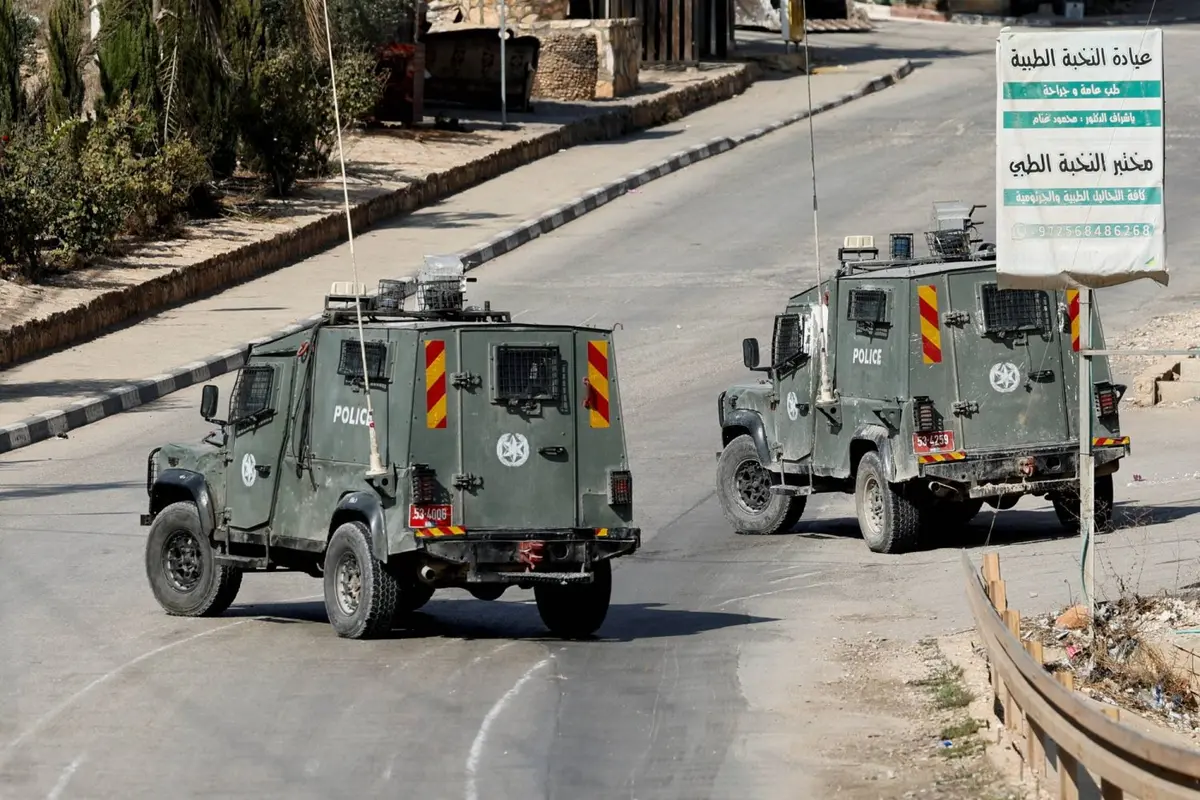
ARAB AND WORLD

Thu 14 Nov 2024 7:54 am - Jerusalem Time

Borrell proposes to suspend political dialogue between the European Union and Israel

Due to allegations that it violated human rights and international law in the Gaza Strip, according to the High Representative of the European Union for Foreign Affairs and Security Policy Josep Borrell


Borrell proposes to suspend political dialogue between the European Union and IsraelHigh Representative of the European Union for Foreign Affairs and Security Policy Josep Borrell


The High Representative of the European Union for Foreign Affairs and Security Policy Josep Borrell has proposed to suspend political dialogue with Israel due to allegations that it violated human rights and international law in the Gaza Strip.


The Euronews website quoted European officials and diplomats as saying that Borrell first raised his proposal during a meeting of ambassadors on Wednesday, and is expected to raise it again at the meeting of EU foreign ministers scheduled for next Monday.


Borrell based his proposal on allegations that Israel violated human rights and international law in Gaza.


The website indicated that the proposal requires consensus among EU member states in order to be implemented, and it is unlikely to reach a consensus due to divisions within the Union regarding Israel and the Palestinian issue.


The website quoted officials and diplomats as saying that most of the ambassadors participating in the meeting expressed negative views on Borrell's proposal.


In mid-February, Spain and Ireland called on the European Union to conduct an urgent review of Israel's compliance with its human rights obligations in the Gaza Strip.


The joint letter sent by Spanish Prime Minister Pedro Sanchez and his Irish counterpart Leo Varadkar stated that "if it becomes clear that Israel is violating the Association Agreement with the European Union, which makes respect for human rights and democratic principles a fundamental element of the relationship between them," the Commission must propose "appropriate measures to the Council for consideration."


With American support, Israel has been committing genocide in Gaza since October 7, 2023, leaving about 147,000 Palestinians dead and wounded, most of them children and women, and more than 10,000 missing, amid massive destruction and famine that has killed dozens of children and elderly people, in one of the worst humanitarian disasters in the world.

PALESTINE

Thu 14 Nov 2024 7:46 am - Jerusalem Time

UN committee adopts resolution on Palestinian sovereignty over natural resources

159 countries voted in favor of the resolution, while 7 countries, including Israel and the United States, opposed it, and 11 countries abstained from voting


A UN committee adopted, on Wednesday evening, by a majority of 159 votes, a draft resolution on the permanent sovereignty of the Palestinian people over their natural resources.


The official Palestinian news agency, WAFA, said that the United Nations Committee on Economic and Financial Affairs (Second Committee) adopted the draft resolution entitled: “Permanent sovereignty of the Palestinian people in the occupied Palestinian territory, including East Jerusalem, and of the Arab population in the occupied Syrian Golan over their natural resources,” submitted by the Group of 77 and China.


It added that 159 countries voted in favor of the resolution, including all member states of the European Union, while 7 countries opposed it: the United States, Israel, Canada, Nauru, Micronesia, Palau, and Argentina, while 11 countries abstained.


The resolution, according to the agency, refers to the advisory opinion issued by the International Court of Justice on July 19, 2024, on the legal consequences arising from Israel’s policies and practices in the occupied Palestinian territory, including East Jerusalem, and on the illegality of Israel’s continued presence in the occupied Palestinian territory.


On that date, the International Court of Justice said, during a public session in The Hague, that “the continued presence of the State of Israel in the occupied Palestinian territory is illegal,” stressing that The Palestinians have the "right to self-determination" and that "Israeli settlements in the occupied territories must be evacuated".


The resolution also "affirms a set of principles and foundations relating to Palestinian natural resources, as an application of the Geneva Convention relative to the Protection of Civilian Persons in Time of War in the Occupied Palestinian Territory, and the International Covenant on Economic, Social and Cultural Rights".


Israel began building the wall in 2002, made of cement slabs ranging in height from 4.5 to 9 meters, along a length of 712 kilometers, and passing through the occupied West Bank.


Israel says it built the wall for "security reasons", but the Palestinians and the United Nations say it was built "to annex Palestinian lands to Israel".


In 2004, the International Court of Justice in The Hague issued an advisory opinion declaring the wall illegal, given that it was built on occupied Palestinian lands.


The UN resolution also expresses "deep concern over Israel's exploitation of Palestinian natural resources and the destruction it is causing to Palestinian land and agriculture, the widespread destruction of agricultural structures and infrastructure, particularly those related to water and electricity supplies, especially in the Gaza Strip, as well as the harmful effects of illegal settlements on all forms of Palestinian life."


The resolution also affirmed "the inalienable rights of the Palestinian people to their natural resources" and called on Israel to "cease the exploitation of these resources," according to the same source.


It also affirmed the right of the Palestinian people "to demand compensation for Israel's exploitation of these resources" and that "Israel's construction of settlements, the wall and other actions are harmful to the Palestinian environment."


The agency quoted the Permanent Representative of Palestine to the United Nations, Riyad Mansour, as saying that "this overwhelming vote in favor of the resolution confirms once again the international community's support for the inalienable rights of the Palestinian people, including their sovereign right to their natural resources."


In previous reports, the United Nations Conference on Trade and Development (UNCTAD) estimated the losses to the Palestinian economy due to preventing Palestinians from exploiting Area C and its natural resources at about $3.8 billion annually.


The Oslo II Agreement (1995) classified the West Bank into three areas: Area A, which is under full Palestinian control; Area B, which is under Israeli security, civil and administrative control; and Area C, which is under Israeli civil, administrative and security control. The latter constitutes about 60 percent of the West Bank.


The vote on the UN resolution coincides with a war of extermination waged by Israel since October 7, 2023, which has left about 147,000 Palestinians dead and wounded, most of them children and women, and more than 10,000 missing, amid massive destruction and famine that has killed dozens of children and elderly people, in one of the worst humanitarian disasters in the world.


Israel continues its massacres, ignoring the UN Security Council resolution to end them immediately, and the International Court of Justice’s orders to take measures to prevent acts of genocide and improve the catastrophic humanitarian situation in Gaza.

PALESTINE

Thu 14 Nov 2024 6:50 am - Jerusalem Time

Briefing to the Security Council on the Protection of Civilians in Gaza by Joyce Msuya

Thank you, Mr. President.

Mr. President, Members of the Security Council, thank you for this opportunity to brief you on the catastrophic situation in Gaza.

Thank you also to our colleagues from the Office of the High Commissioner for Human Rights and the Food and Agriculture Organization. We unequivocally share the serious concerns they have expressed today.
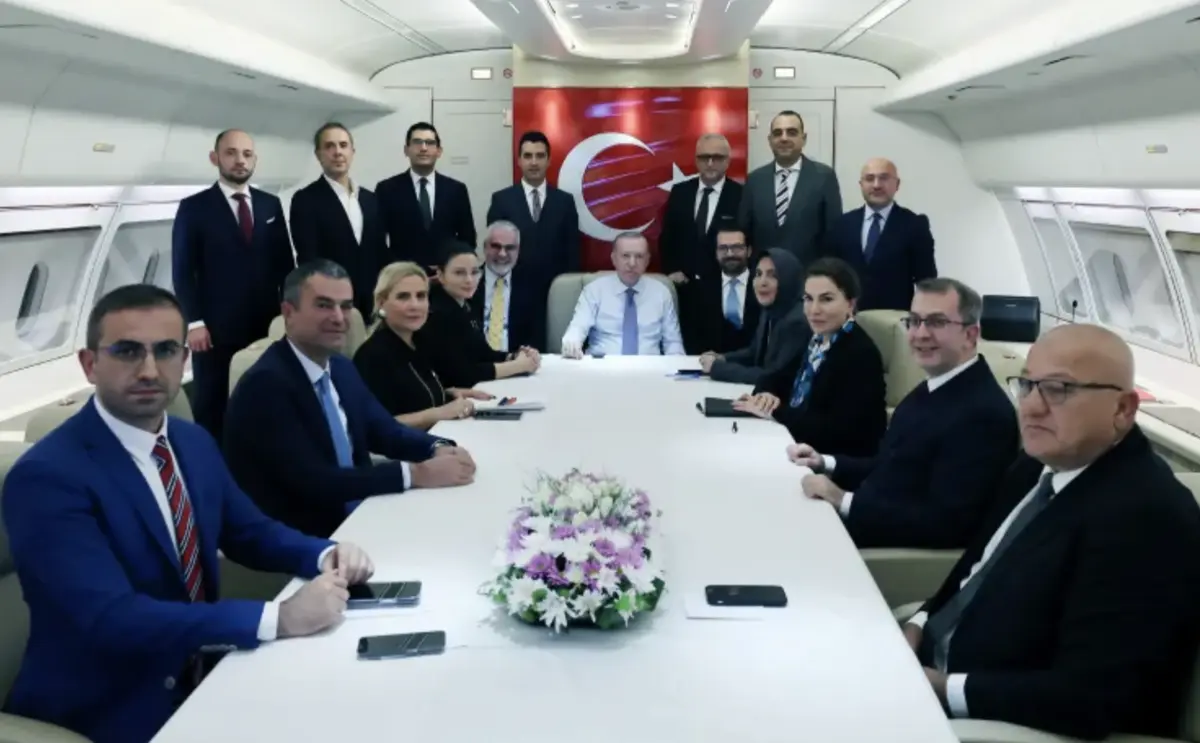
Since the escalation of this conflict in October 2023, we have briefed this Council on no fewer than 16 occasions.

We have condemned the death, destruction and dehumanization of civilians in Gaza who have been driven from their homes, stripped of their sense of place and dignity, forced to witness their family members killed, burned and buried alive.

Injured children have had the words ‘Wounded Child, No Surviving Family,’ penned on their arms.

Most of Gaza is now a wasteland of rubble. What distinction was made, and what precautions were taken, if more than 70 per cent of civilian housing is either damaged or destroyed?

Essential commercial goods and services including electricity have been all but cut off. This has led to increasing hunger, starvation and now, as we have heard, potentially famine. We are witnessing acts reminiscent of the gravest international crimes.

Mr. President, the latest offensive that Israel started in North Gaza last month is an intensified, extreme and accelerated version of the horrors of the past year.

Shelters, homes and schools have been burned and bombed to the ground.

Numerous families remain trapped under rubble, because fuel for digging equipment is being blocked by the Israeli authorities and first responders have been blocked from reaching them.

Ambulances have been destroyed. And hospitals have come under attack.

Supplies to the north are being cut off and people are being pushed further south.

The daily cruelty we see in Gaza seems to have no limits. Beit Hanoun has been besieged for more than one month. Yesterday, food and water reached shelters, but today, Israeli soldiers forcibly displaced people from those same areas.

People under siege now tell us they are afraid that they will be targeted if they receive help.

As I brief you, Israeli authorities are blocking humanitarian assistance from entering North Gaza, where fighting continues, and around 75,000 people remain with dwindling water and food supplies.

Conditions of life across Gaza are unfit for human survival. Food is insufficient. Shelter items –needed ahead of winter – are in extremely short supply. Violent armed lootings of our convoys have become increasingly organized along routes from Kerem Shalom, driven by the collapse of public order and safety.

Many food assistance kitchens have been forced to close. In October, daily food distribution shrunk by nearly 25 per cent compared to September. 

These are not logistical problems – they can be solved with the right political will. The Israeli military’s announcement that the Kissufim crossing into central Gaza has opened cannot come soon enough.

However, our capacity to respond is being undermined, including by the Israeli Knesset legislation to ban UNRWA activities starting in January. If implemented, this bill will be another devastating blow to efforts to provide life-saving aid and avert the threat of famine. No other organization can fill these gaps.

Mr. President, we also remain concerned about the deteriorating situation of Palestinians in the West Bank. Israeli forces continue to employ lethal tactics that appear to defy law enforcement standards. And they are causing damage to water and sewage networks, and other infrastructure.

The demolition of Palestinian-owned homes also continues. On 5 November, nine homes were demolished in the Silwan area outside Jerusalem’s Old City, displacing 42 people, nearly half of them children, to make way for an illegal settlement-related project.

Israeli settlers continue attacks on Palestinians and their property, with more than 160 incidents related to the olive harvest documented in October alone, the majority resulting in casualties or property damage. 

Movement restrictions are making civilian access to essential services, particularly health care, increasingly challenging in refugee camps and in Area C, where humanitarian partners are scaling up to support communities in meeting needs. 

Mr. President, the most basic requirements of humanity are being disregarded.

These are requirements that Members of this Council, and indeed all Member States, set out in international humanitarian and human rights law. They must be respected. 

Constant care must be taken to spare civilians throughout military operations.

Civilians must be allowed to seek protection elsewhere, and they must be guaranteed the right to voluntarily return, as international law demands. Reports indicating that people would not be allowed to return should be of grave concern to this Council.

Parties must ensure that civilians’ essential needs are met and must facilitate unimpeded humanitarian access to those in need, wherever they are.  

Hostages and those arbitrarily detained must be released immediately, and in the interim, they must be treated humanely and allowed visits by the International Committee of the Red Cross.

Indiscriminate rocket fire towards Israel must stop. There must be accountability for international crimes. The provisional orders of the International Court of Justice in the case on the application of the Genocide Convention in the Gaza Strip and the determinations in its Advisory Opinion of July 2024 must be implemented now.

Mr. President, now is the time for Member States to use their leverage to prevent and stop violations of international humanitarian law – through diplomatic and economic pressure, responsible arms transfers and combating impunity.

Now is the time for the Security Council to use its powers under the UN Charter to ensure compliance with international law and full implementation of its resolutions.

OPINIONS

Thu 14 Nov 2024 6:45 am - Jerusalem Time

America First or Annexation First? Party-Drowning Israeli Ministers Have Big Plans for Trump

Haaretz

Haaretz

Opinion Writer

by Allison Kaplan Sommer,

Even before the president-elect chose Mike Huckabee as his envoy to Israel, far-right minister Bezalel Smotrich and other post-election party-goers in Israel were openly talking about Trump’s second term as an opportunity to “take the land away” from the Palestinians for good.


Far-right Finance Minister Bezalel Smotrich and Prime Minister Benjamin Netanyahu in the Knesset, early 2024. Noam Revkin-Fenton

The ecstatic celebrations of the Israeli far right over Donald Trump’s election as US president seem to be a never-ending party; leaders appear to be already drunk on power and free from what they see as the constraints of the Biden administration.
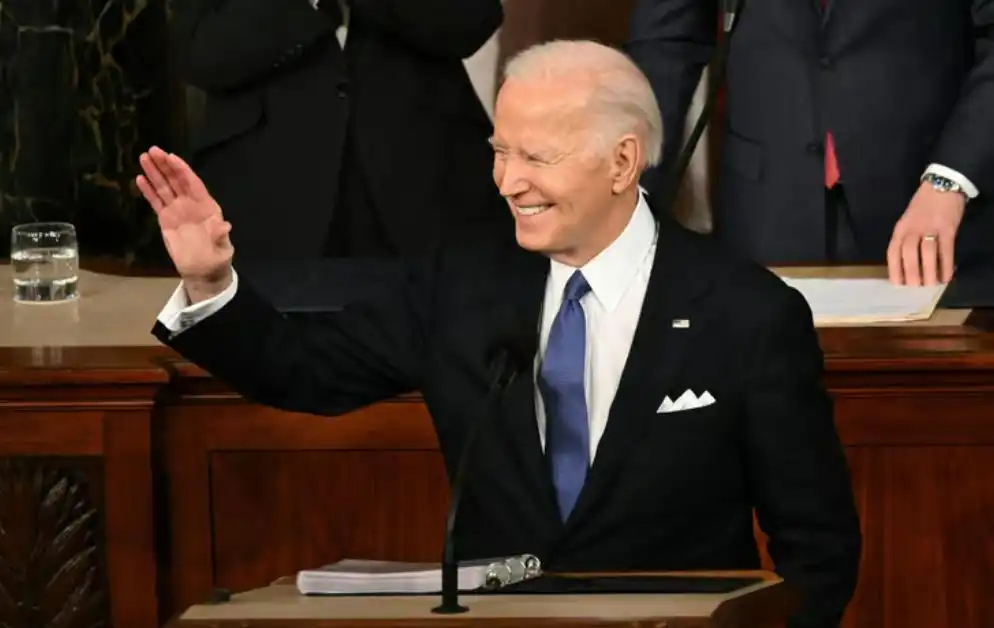

It is in this context that the recent words of far-right Israeli Finance Minister Bezalel Smotrich should be read. On Monday, before a meeting of his Religious Zionism party, he declared that “2025 is the year of sovereignty in Judea and Samaria.”
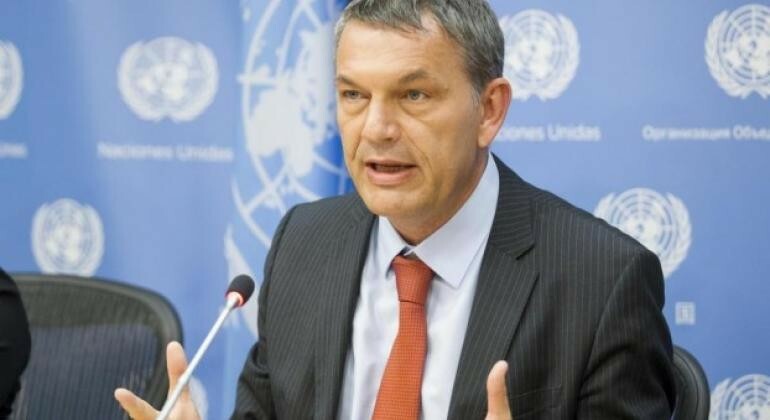

Referring to the Palestinians – as a whole – Smotrich said: “The new Nazis must pay a price in the form of land that will be permanently taken from them, whether in Gaza or in Judea and Samaria.”


A full day before Trump announced that he had chosen former Gov. Mike Huckabee — a Greater Israel advocate with close ties to Israeli settlers — as his ambassador to Israel, Smotrich announced that he believes Trump’s return to the White House means Netanyahu’s government can finish what it started during the Republican president’s first term: annexing the West Bank.


Addressing his party, Smotrich said that during Trump’s first presidency, “we were one step away from applying sovereignty over the settlements in Judea and Samaria, and now is the time to do it.”


Smotrich said he had instructed the Defense Ministry’s settlement administration division — of which he is also a minister — and the IDF Civil Administration in the West Bank to prepare the infrastructure needed to apply Israeli sovereignty in the West Bank.


As usual, he and his allies can’t control the urge to say out loud what should remain confidential.


Less than a month ago, Smotrich – along with other high-level government figures such as far-right National Security Minister Itamar Ben-Gvir, Negev and Galilee Development Minister Yitzhak Wasserlauf, and a number of Knesset members – attended the “Preparing to Resettle Gaza” conference. They forced Prime Minister Benjamin Netanyahu, once again, to deny that – despite all evidence to the contrary – Jewish settlement in Gaza is on the cards.


Will Netanyahu again distance himself from Smotrich’s annexation statement? Much depends on how Trump reacts – and so far his Middle East appointments seem to indicate that he agrees with Smotrich.


Besides, the West Bank is not Gaza. Netanyahu’s government’s coalition agreement begins with a declaration that the Jewish people have a “natural right” to the entire Land of Israel and includes a commitment to pursue policies under which the West Bank will be annexed. Netanyahu himself has said he wants to annex much, if not all, of the West Bank.


But he may still have to backtrack. Trump and Netanyahu have a history of disagreements over the issue of West Bank annexation. It was Netanyahu, with the help of then-US Ambassador David Friedman, who tried to turn the “deal of the century” into an annexation plan that sparked the great clash between the two leaders in 2020.


In the end, the sour lemons of their conflict were transformed into pleasant lemonade when the Abraham Accords were successfully pitched to Netanyahu as compensation for abandoning his plan to annex parts of the West Bank, but not without some ugly clashes. In one such incident, Netanyahu was told point-blank by Trump aides: “The President doesn’t like you very much these days.”


Trump’s son-in-law and Middle East adviser Jared Kushner also shouted “go away” at Ron Dermer, then Israel’s ambassador to the US and now Netanyahu’s minister of strategic affairs, and kicked him out of his office.

Given this track record, Smotrich’s performance less than a week before the election looks set to backfire. Even the most right-wing, pro-Israel elements of Trump world—particularly Trump himself and Kushner—will not be pleased with the actions of people like Smotrich if they get in the way of a more important Trump goal: the successful normalization of diplomatic relations between Saudi Arabia and Israel after Biden’s failure. As much as Netanyahu wants to continue to pander to groups to his right, he has far more to lose by alienating Trump than Biden.


You never know what will happen with an ever-evolving Trump. Only time will tell if and when Smotrich—and other post-election revelers in Israel—will have to sober up.


OPINIONS

Thu 14 Nov 2024 6:36 am - Jerusalem Time

Israel’s UNRWA ban is another declaration of genocidal intent

Al Jazeera

Al Jazeera

Opinion Writer

James Smith

Israel doesn’t attack UNRWA only for its memorialisation of the right of return, but because it helps to nourish, to educate, and to administer care to Palestinians.


Save articles to read later and create your own reading list.

Israeli soldiers operate next to the UNRWA headquarters in the Gaza Strip, February 8, 2024 [Jack Guez/AFP]

Israel’s parliament has voted overwhelmingly to ban the United Nations Relief and Works Agency for Palestine Refugees (UNRWA) from operating throughout occupied Palestine. A second vote has branded the UN agency a “terror” group.

Given the heightened existential threat that the Israeli state poses to the Palestinian people, further obstruction of UNRWA’s programmes will have immediate and catastrophic implications for millions of Palestinians.

No organisation can match UNRWA’s programme coverage, logistical capacity, or collective expertise. In Gaza alone, UNRWA has conducted more than 6 million medical consultations since October 2023 and has provided food assistance to almost 1.9 million people. In the immediate aftermath of the Knesset votes, representatives of several UN agencies objected publicly to the move. UN Secretary-General Antonio Guterres defended UNRWA as “indispensable” while WHO Director-General Tedros Ghebreyesus insisted the agency is “irreplaceable”.

Knowing that no agency can replace UNRWA but attempting to incapacitate its life-sustaining work regardless is a clear declaration of genocidal intent. This represents an obvious disregard for the January 26 ruling by the International Court of Justice (ICJ), including most directly Provision Four that ordered Israel to ensure the provision of “urgently needed basic services and humanitarian assistance to address the adverse conditions of life”.

In South Africa’s second submission to the ICJ in March, its legal team cited various actions taken by Israel including blocking UNRWA staff from reaching schools and health centres, suspending the shipment of UNRWA goods, and attempting to evict UNRWA from its East Jerusalem headquarters. South Africa’s appeal was emphatic:

 “Palestinian children are starving to death as a direct result of the deliberate acts and omissions of Israel – in violation of the Genocide Convention and of the Court’s Order. This includes Israel’s deliberate attempts to cripple [UNRWA].”

Israel has repeatedly instrumentalised the deprivation and selective distribution of humanitarian aid as a pillar of its occupation, most recently to instigate population transfers and enact collective punishment in Gaza. This strategy long pre-dated October 2023 – almost the entire population of Gaza was forced to depend on humanitarian aid under Israel’s siege and occupation, with an average of 500 aid trucks entering Gaza per day.

Israel has a basic legal obligation as an occupying power to ensure the adequate supply of humanitarian aid and the maintenance of essential services throughout Gaza. There has not been a single day since October 2023 that this obligation has been upheld. As of November 8, Israel had only permitted the entry of 44,453 aid trucks into Gaza. Taking pre-October 2023 levels of humanitarian aid as a crude benchmark, the total number of trucks that should have entered during these 13 months stands at 199,500.

Even if those trucks had entered, Israel has debilitated any semblance of a humanitarian system. At least 237 UNRWA staff have been killed; many of Gaza’s clinics, schools, bakeries and warehouses have been destroyed; trucks lack the fuel to operate; and most of Gaza remains subject to forced displacement orders or direct Israeli military occupation from which UN convoys require – and are frequently denied – approval to enter.

Defending UNRWA at this critical moment should not be confused with overstating the role of humanitarian aid. Many critics have pointed out that a limited commitment to humanitarian assistance has undeniably drawn attention away from the centrality of Palestinians’ legal claims and political rights. This same criticism runs throughout the history of UNRWA. In Governing Gaza, anthropologist Ilana Feldman recalls a conversation with a Palestinian in Gaza who argued that the purpose behind UNRWA was to make “the Palestinian forget his homeland since he takes the flour sack”.

A year before the UN General Assembly (UNGA) voted to establish UNRWA, the UNGA passed Resolution 194(III), which affirmed the right of return for Palestine refugees and the need for reparations for those who were forced to resettle elsewhere. The same resolution established the UN Conciliation Commission for Palestine (UNCCP), which was tasked with actualising the right of return. The UNCCP faced persistent resistance from the newly formed Israeli state, rendering the Commission defunct by the 1950s. An annual report is still submitted to the UNGA on behalf of the UNCCP, but the wording of the single-paragraph submission has remained unchanged for more than 30 years.

In an attempt at ideological obfuscation, Israeli officials continue to claim that UNRWA “perpetuates the Palestinian refugee problem”, rather than blame the states that have failed in their collective responsibility to negotiate just political solutions. The irrevocable recognition of the Palestinian right of return is seen by Israel as a threat to its very existence, insofar as Israel’s settler colonial foundations demanded the ethnic cleansing of Palestine and the violent subjugation of the remaining Palestinian population.

Beyond Israel’s attempts to undermine the Palestinian right of return – which will persist irrespective of the future of UNRWA – repeated attacks on UNRWA must be understood in the context of wider attempts by Israel to exert complete control over the humanitarian system, which allows Israel to multiply the effects of its direct military violence.

Israel can’t control UNRWA in the way that it can manipulate private contractors or the international NGOs that have burgeoned in Gaza, and that are dependent on funding from governments complicit in the genocide. Senior Israeli officials have not attempted to hide the pursuit of greater control. Speaking on Israel’s Channel 13 in January, Israel’s representative to the UN, Gilad Erdan, explained of his desire to dismantle UNRWA, “you can’t oversee UNRWA because you can’t oversee the UN … no country is really able to monitor, and there needs to be a direct entity from which you can exact a price.”

Israel doesn’t attack UNRWA only for its memorialisation of the right of return, but because it helps to nourish, educate, and administer care to Palestinians. Any organisation whose activities function to counteract Israel’s genocidal ambition of destroying in whole or in part the Palestinian people will be perceived as a hindrance to the Israeli settler colonial logic of extermination.

ARAB AND WORLD

Wed 13 Nov 2024 10:25 pm - Jerusalem Time

Trump Officially Announces Marco Rubio as Secretary of State

Donald Trump announced on Wednesday the appointment of Marco Rubio as Secretary of State, confirming information circulated by American media.


The US president-elect said in a statement that the senator, known for his anti-China stances, will be “a fierce defender of our nation, a true friend to our allies, and a valiant warrior who will never back down from our enemies,” according to Agence France-Presse.


The Florida-born politician will become the first Latino to serve as the United States' top diplomat once the Republican president takes office in January.


Rubio is arguably the most hawkish choice on Trump's short list of candidates for secretary of state, and in recent years has called for a tough foreign policy toward U.S. adversaries including China, Iran and Cuba.


But over the past few years, Rubio has softened some of his positions to align more closely with Trump’s views. The president-elect has accused previous U.S. presidents of getting the country into costly and pointless wars and has pushed for a more conservative foreign policy, according to Reuters.


The new US administration will face a more volatile and dangerous global situation than when Trump took office in 2017, amid wars in Ukraine and the Middle East and China's closer alignment with US enemies Russia and Iran.


The Ukraine crisis will be at the top of Rubio's agenda.


Rubio, 53, has said in recent interviews that Ukraine needs to seek a negotiated settlement with Russia rather than focus on regaining all the territory Moscow has seized over the past decade.


He was also one of 15 Senate Republicans who voted against a $95 billion military aid package for Ukraine, which passed in April.


“I’m not on Russia’s side, but unfortunately the reality is that the way the war in Ukraine is going to end is through a negotiated settlement,” Rubio told NBC in September.


Choosing Rubio to take on a key policy role could help Trump consolidate gains among Latinos and show that they have a place at the highest levels of his administration.


Rubio is one of the most prominent anti-China hawks in the Senate and was sanctioned by Beijing in 2020 over his stance on Hong Kong after pro-democracy protests.


Rubio, whose grandfather fled Cuba in 1962, is also an outspoken opponent of normalizing relations with the Cuban government, a position on which Trump agrees.

PALESTINE

Wed 13 Nov 2024 9:59 pm - Jerusalem Time

Two Palestinians killed and two wounded by Israeli forces east of Tulkarm

Two young men were killed and a young man and a child were injured by Israeli occupation forces' bullets, on Wednesday evening, during their siege of a house in the Ezbet al-Jarad suburb, east of Tulkarm city.


Local sources announced the death of the two young men, Mamoun Saleh Shraim and Thaer Omar Amara (38 years old), and the occupation’s detention of their bodies after withdrawing from the area.


In turn, the Palestinian Red Crescent Society stated that its crews dealt with an injury to a child (two years old) with a bullet fragment in the head, and a citizen (30 years old) with a live bullet in the shoulder, and they were transferred to the Martyr Thabet Thabet Governmental Hospital, and their condition was described as stable.


Local sources reported that the injured child is the son of Thaer Amara, who was with his father when the occupation targeted him with bullets and "Energa" shells.


A large force of the occupation army surrounded the house of the Shreim family in Al-Ezba, amidst live bullets and "Energa" shells fired towards the house, with intensive flying of reconnaissance aircraft at a low altitude.


The occupation forces also sent more vehicles to the estate, imposed a military cordon on all its entrances, and prevented citizens and vehicles from passing.


It added that after a two-hour siege and the withdrawal of the occupation forces, the ambulance crews were able to enter the house where they found traces of blood.


The Israeli occupation forces stormed the city of Tulkarm from its western and southern entrances, coinciding with the discovery of a special force from the occupation army in the suburb of Ezbet al-Jarad, east of the city.


It is noteworthy that the martyr Mamoun Shraim from Tulkarm city is the brother of Mansour Shraim, who has been detained in the occupation prisons since 2002, and who was sentenced to 14 life sentences and 50 years. As for the martyr Thaer Amara from Tulkarm camp, he is a freed prisoner who spent 15 years in the occupation prisons, and was released in August 2021.


The Fatah Movement in Tulkarm and all the national action factions mourned the martyrs Shraim and Amara, and denounced the ongoing massacres of the occupation against our patient, steadfast and steadfast people on their land, and declared general mourning for their souls and the souls of all the martyrs of Palestine.


With the death of the two young men, Shraim and Amara, the number of martyrs in the West Bank since October 7, 2023, has risen to 783 martyrs, including 167 children.

ARAB AND WORLD

Wed 13 Nov 2024 9:36 pm - Jerusalem Time

Israeli raid targets Beirut's southern suburb

An Israeli airstrike targeted Beirut's southern suburbs on Wednesday, after Israeli warnings to residents to evacuate.


The raids came after Israeli army spokesman Avichay Adraee warned residents of Haret Hreik and Burj al-Barajneh in the southern suburbs via the X website to evacuate, saying: “You are located near facilities and interests belonging to Hezbollah, against which the IDF will act in the near future.”

ARAB AND WORLD

Wed 13 Nov 2024 9:04 pm - Jerusalem Time

Israel vows to continue war in Lebanon, Mikati calls for implementation of Resolution 1701

Israeli Defense Minister Yisrael Katz pledged on Wednesday to continue fighting in Lebanon and not accept any settlement that does not achieve the war's goals, while Lebanese caretaker Prime Minister Najib Mikati said on Wednesday that his country's priority is to stop the ongoing Israeli aggression on Lebanon.


Katz said - during a tour of the Lebanese border - that Tel Aviv will not slow down the pace of the war and will not allow any agreement that does not include achieving the goals of the war, especially Israel's right to act alone against what he described as any terrorist activity.


"We have dealt strong blows to Hezbollah and eliminated its leader Hassan Nasrallah, and this is precisely the right time to continue our strikes with all our might in order to reap the fruits of victory," he added, stressing the need for Israel to continue striking Hezbollah in Beirut and the rest of Lebanon until the war's goals are achieved by "disarming Hezbollah, pushing it back beyond the Litani River, and creating the necessary conditions for the residents of northern Israel to return to their homes."


The Israeli minister was accompanied on his tour by Chief of Staff Herzi Halevi, Commander of the Northern Command Uri Gordin, and a number of senior officers.


Shortly after the Defense Minister's statement was published, missile sirens sounded in the early evening in several areas in northern and central Israel following the launch of missiles from Lebanon, according to the Israeli army.


Katz's statements come a day after US envoy Amos Hochstein spoke of an opportunity to reach a ceasefire agreement in Lebanon soon.


After days of intensive raids, Israel began a ground incursion into southern Lebanon in early October, but its forces have since faced fierce resistance from Hezbollah, which has limited its advance.


Unacceptable transgression

In contrast, Lebanese caretaker Prime Minister Najib Mikati said today that his country's priority is to stop the ongoing Israeli aggression against Lebanon and what he described as the mass massacres committed by the Israeli enemy against the Lebanese.


Mikati stressed that the priority of a peaceful solution is to implement international resolution 1701 and oblige Israel to implement it in full, reiterating his country's rejection of any conditions that constitute a violation of the resolution.


The Lebanese Prime Minister also said that his government is committed to strengthening the presence of the Lebanese army in the south in cooperation with the United Nations Interim Force in Lebanon (UNIFIL).


Axios quoted American officials as saying that Israeli Minister Ron Dermer's meetings in Washington regarding the ceasefire in Lebanon were fruitful.


US officials said Prime Minister Benjamin Netanyahu has signaled to President Joe Biden's administration that he wants to end the war in Lebanon within weeks.


The Israeli aggression on Lebanon resulted in the death of 3,356 people and the injury of 14,344 others, according to a tally reported by the Lebanese Ministry of Health today.


The aggression also caused the destruction of dozens of villages and residential neighborhoods in cities such as Tyre, Baalbek, and the southern suburbs of Beirut, and the displacement of about 1.5 million people.

PALESTINE

Wed 13 Nov 2024 8:45 pm - Jerusalem Time

Two Israelis injured in run-over in occupied West Bank

Two Israelis were injured on Wednesday evening in a run-over attack carried out by a Palestinian with his car at the entrance to the village of Deir Qadis, west of Ramallah, in the central occupied West Bank.


The Israeli army said in a brief statement: "A (Palestinian) terrorist arrived in his car at a checkpoint at the entrance to Deir Qadis and carried out a ramming attack and fled the scene. Large forces are surrounding the village and are now combing the area."


While the "Magen of David" (Israeli ambulance) announced that "two people were slightly injured in the run-over attack that took place near the Modiin Illit settlement."


On Monday evening, a car driven by a Palestinian ran over an Israeli army force stationed at a military checkpoint at the intersection of the town of Al-Khader, near Bethlehem, in the southern occupied West Bank, resulting in two soldiers sustaining moderate and minor injuries, according to the official Israeli Broadcasting Authority.


ARAB AND WORLD

Wed 13 Nov 2024 8:32 pm - Jerusalem Time

Erdogan confirms his country will cut trade and relations with Israel

Turkish President Recep Tayyip Erdogan confirmed on Wednesday that his country has cut off trade and relations with Israel, and that it stands with Palestine until the end. This came in press statements upon his return from his visit to Saudi Arabia to attend the extraordinary joint summit of the Organization of Islamic Cooperation and the Arab League.


Erdogan said: “Trade restrictions and embargoes on Israel are a form of struggle. It is important to pursue active diplomacy that will besiege Israel in all areas in order to increase diplomatic pressure on it. We are in the midst of a great test for humanity that can be passed if we are part of the humanitarian alliance. Otherwise, history will judge those who stand by Israel and remain silent in the face of injustice.”


Erdogan addressed allegations that Türkiye continues its trade with Israel, stressing that the aim of these allegations is to weaken the current government in Türkiye.


He stated that Türkiye is the country that has shown the strongest response in the world to Israel's injustice, and has taken concrete steps, including stopping trade dealings with it.


He said in this regard: "We have cut off trade and relations with Israel, and we stand with Palestine until the end."


Erdogan stressed that the "People's Alliance" (the ruling Turkish party that includes the Justice and Development Party and the Nationalist Movement Party) is determined to sever relations with Israel, indicating that Turkey will continue to do so during the next stage.


He added: "We will hold the oppressor called Netanyahu and his gang accountable for what they did before the law."


He stressed that Ankara is working hard to keep pressure on Israel going and take action based on international law.


Erdogan explained that Turkey ranks first in the volume of humanitarian aid sent to the Palestinians in the Gaza Strip. He pointed out that 52 countries and two international organizations expressed their support for the initiative launched by Turkey at the United Nations to prevent the supply of weapons and ammunition to Israel.


categorical denial

Last Monday, Turkey categorically denied allegations of Turkish trade activities with Israel, noting that it had completely halted all exports and imports with Israel since May 2, 2024, according to the Turkish newspaper Daily Sabah.


According to the statement issued by the Anti-Disinformation Center of the Turkish Communications Presidency, all the allegations circulating about the continuation of trade between Türkiye and Israel are incorrect.


The center stated in a statement published on the X platform, "Since May 2, 2024, Turkey has completely stopped any export or import with Israel, including all types of goods, and has not registered any customs data for this purpose since then."


The center continued, explaining that the statistics relied upon by some media publications, which indicated the continuation of trade exchange under the code 624 for Israel, are inaccurate, as this data pertains to transactions until May 2024.

ARAB AND WORLD

Wed 13 Nov 2024 8:14 pm - Jerusalem Time

Biden welcomes Trump to White House, promises smooth transition of power

US President Joe Biden hosted President-elect Trump at the White House on Wednesday, more than a week after Trump's landslide victory in the November 5, 2024 elections. This was the first US presidential transition meeting in eight years, when former President Barack Obama received President-elect Trump after he won the elections and defeated Democratic candidate Hillary Clinton in the November 8, 2016 elections.


The traditional meeting between the incoming and outgoing presidents came after Biden pledged to maintain a peaceful transition of power.


Biden welcomed Trump and said he looked forward to a smooth transition between administrations, and Trump, in turn, thanked Biden and noted the difficulty of politics, according to a joint White House report.


For her part, first lady Jill Biden helped welcome Trump when he arrived at the White House and gave him a letter to deliver to his wife, Melania Trump, expressing her team's "readiness to assist with the transition," according to a joint report.


According to sources, the two men briefly discussed the issue of the American prisoners in Gaza, while the families of the Israeli prisoners complained of the lack of news about them recently.


Channel 12 Israel quoted the prisoners' families as saying that the number of signs of life among the prisoners has been decreasing recently, and that they have not received any signs of life or indication of their condition for a long time.


The channel also quoted some families as saying that in the past they had received periodic information in various ways through returned prisoners or through other means, and that as time passed the information available became less and less.


On the other hand, White House spokeswoman Karen Jean-Pierre confirmed that Qatar and Egypt are engaged in negotiations to reach an agreement that would pave the way for the release of prisoners in Gaza, while the families of prisoners in Gaza are talking about the decreasing signs of their survival.


The spokeswoman added during a press conference that Washington believes that there are a number of initiatives and methods that would enable an agreement to be reached between Hamas and Israel.


Trump had refused to host Biden in 2020 while challenging the results of the 2020 election.


The last high-profile meeting between the two men was during the June 27 presidential debate, where Biden criticized Trump as a convicted felon with “the manners of a cat running from one alley to another.”


Biden lost the debate in a way that ruined his political fortunes.


Throughout the election campaign, which ended on November 5, Democrats sought to portray Trump as a threat to democracy and even a fascist.

PALESTINE

Wed 13 Nov 2024 7:56 pm - Jerusalem Time

Lazzarini calls on UN member states to work to continue funding UNRWA

The Commissioner-General of the United Nations Relief and Works Agency for Palestine Refugees (UNRWA), Philippe Lazzarini, said that the agency, its employees and millions of Palestinian refugees are going through a critical time, calling on UN member states to work to prevent the implementation of the Israeli ban on its work and to continue funding the agency.


“In clear defiance of the UN Charter, General Assembly and Security Council resolutions and binding orders from the International Court of Justice, the State of Israel is unilaterally acting to change the established parameters for resolving the Israeli-Palestinian conflict,” Lazzarini said in his speech before the Fourth Committee of the UN General Assembly on Wednesday. “It is up to the General Assembly, not individual member states, to change the agency’s mandate.”


Lazzarini pointed to the Israeli Knesset’s adoption last month of legislation banning UNRWA operations in the occupied Palestinian territory within three months. He said that its implementation would have disastrous consequences, and “in Gaza, dismantling UNRWA would lead to the collapse of the UN humanitarian response, which relies heavily on UNRWA’s infrastructure.”


Lazzarini stressed that dismantling the agency would not end the refugee status of the Palestinians, which would continue separately from the agency, but he warned that this would greatly harm the lives and future of the Palestinians.


The UN official spoke about the unique mandate given to UNRWA by the UN General Assembly, to directly provide what amounts to public government services, including education for more than half a million children, and primary health care. UNRWA also provides human development services to Palestine refugees in the absence of a Palestinian state.


UNRWA also provides humanitarian assistance to all those in need. Today, UNRWA has become a victim of the war in Gaza, with at least 243 of its staff killed, others detained and reported torture. More than two-thirds of UNRWA buildings in Gaza have been destroyed or damaged.


According to Lazzarini, in addition to being targeted inside the occupied Palestinian territory, UNRWA is being subjected to a fierce global disinformation campaign. He said that "intense pressure from the Israeli government and groups linked to it has targeted parliaments and governments in countries that donate to UNRWA."


He stressed "the need for UNRWA to gradually complete its mandate within the framework of a political solution and to hand over its services in the occupied Palestinian territory to an empowered Palestinian administration."


Lazzarini also called on Member States to continue funding UNRWA and not to withhold or divert funding based on the belief that the Agency cannot continue its work, and to use all legal and political tools to ensure the preservation of the rules-based international order.


ARAB AND WORLD

Wed 13 Nov 2024 7:21 pm - Jerusalem Time

Sanofi Greater China President: China International Import Expo is a Global Platform for Development Cooperation

The China International Import Expo is a world-class platform for global companies to cooperate on development, said Shi Wang, president of Sanofi Greater China, a regional subsidiary of France's largest healthcare company.


Sanofi values the development opportunities provided by the expo and plans to continue operating in the Chinese market, Xi told Xinhua in a recent interview.


He added that the company is committed to promoting innovation and exchange in the pharmaceutical and healthcare sectors between China and France, as well as promoting global industrial progress.


Xi said that since 2018, Sanofi has been one of the companies with an ideal presence at the exhibition, noting that the company has taken advantage of the platform to establish fruitful long-term partnerships.


He said the exhibition is a key link between Sanofi and the Chinese market, adding that the event not only provided the company with an opportunity to launch several innovative medicines in China, but also strengthened its presence in the market.


He explained that Sanofi gained broad support from the industry through the exhibition, allowing for faster delivery of new products to patients while expanding its partnerships with Chinese companies to enhance care for local patients.


This year marks the 60th anniversary of the establishment of diplomatic relations between China and France, and France is one of the guests of honor at the 7th China International Import Expo. China is Sanofi's second largest market globally, and it was one of the first multinational companies to enter the country after the reform and opening up.


Xi stressed China's strategic importance to Sanofi's future growth and its commitment to expanding domestic R&D efforts to bring Chinese innovations to global markets.


Xi said the pace of biomedical innovation in China is accelerating, providing great opportunities for Sanofi.

ARAB AND WORLD

Wed 13 Nov 2024 7:17 pm - Jerusalem Time

Chinese Premier Pledges Wider Opening to Foreign-Funded Firms

Chinese Premier Li Keqiang said Monday that China will open its doors wider to the outside world, no matter how the international environment changes.


Li made the remarks during a meeting with elite exhibitors and buyers attending the 7th China International Import Expo, including Synopsys, General Electric, MSD and China FAW Group.


Foreign-funded companies at the meeting expressed optimism about the Chinese market, saying they would strengthen their presence and increase their investments in the country.


Despite the slow pace of global economic recovery, China's overall economic operations have remained generally stable and made progress, Li said, stressing that the Chinese market remains one of the best choices for global companies.


The premier added that China will continue to facilitate market access and push for orderly expansion of opening-up in sectors such as communications, education, culture and medical care.


He pledged to continue improving the business environment and providing equal opportunities in access to production factors, qualification licenses, participation in government procurement, and other areas.


Li expressed his hope that China will become an export destination for foreign companies and also a land of investment and entrepreneurship, facilitating closer ties between China and the global market.


He pointed out that he expects Chinese and foreign entrepreneurs to continue to strongly support economic globalization, work together to promote technological progress and industrial upgrading, and foster new growth drivers for the global economy.