PALESTINE

Fri 09 May 2025 11:44 am - Jerusalem Time

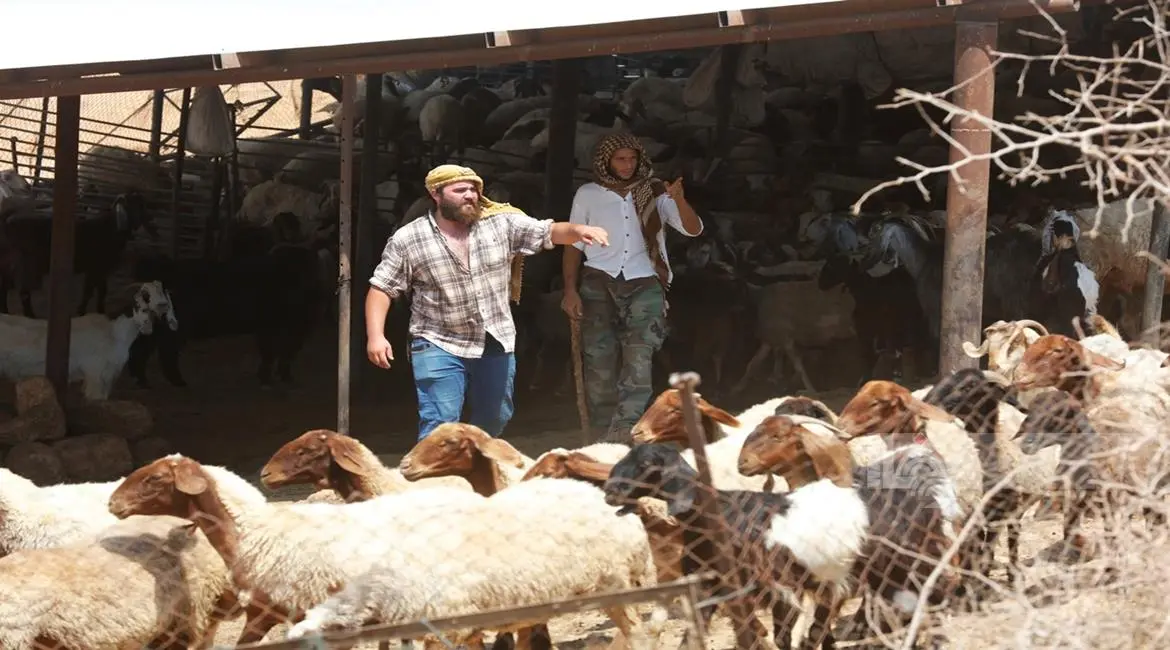
Settlers release their livestock in Masafer Yatta, south of Hebron.

Today, Friday, settlers released their livestock into agricultural crops in several areas of Masafer Yatta, south of Hebron.


Local sources reported that settlers released large numbers of their livestock onto citizens' agricultural crops in the Deira area. Armed settlers also roamed the lands of citizens in the village of Beit al-Rush, southwest of Hebron.

ARAB AND WORLD

Fri 09 May 2025 10:31 am - Jerusalem Time

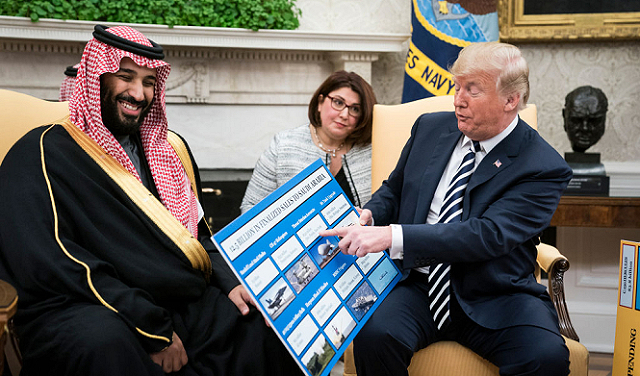
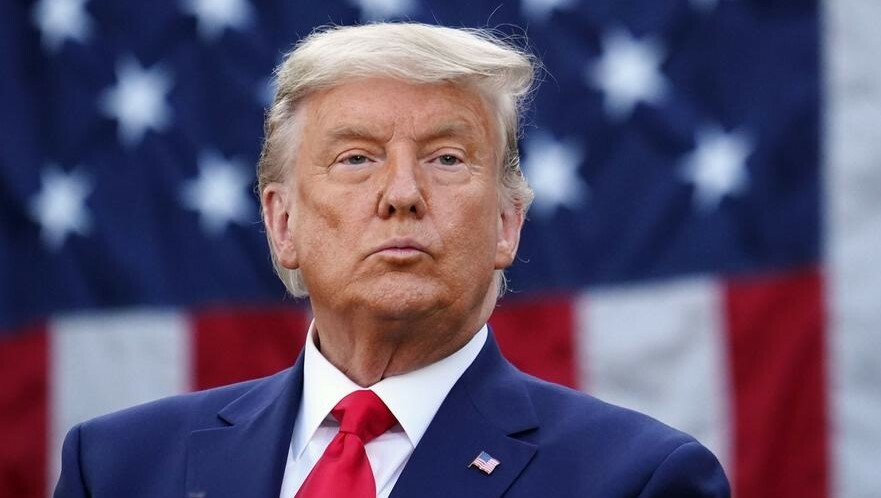
Trump will allow Saudi Arabia to acquire nuclear weapons for civilian purposes without normalization... Israel demands "security guarantees"

US President Donald Trump will allow Saudi Arabia to acquire nuclear weapons for civilian purposes without normalizing relations with Israel, a newspaper report said Thursday.


This comes as the Israeli newspaper Israel Hayom reported today that relations between US President Donald Trump and Israeli Prime Minister Benjamin Netanyahu are witnessing escalating tensions, amid what sources close to Trump described as "mutual frustration on a personal level" between the two sides.


Reuters reported Thursday evening that Trump will allow Riyadh to acquire a civilian nuclear weapon without demanding normalization with Israel in return.


In contrast, the Israeli Public Broadcasting Corporation (Kan 11) reported that Tel Aviv had demanded "security guarantees" regarding uranium enrichment on Saudi soil, such as direct American supervision of the nuclear facility, which is supposed to be used for civilian purposes.


In this context, Kan 11 quoted unnamed Israeli sources as saying that "the possibility of normalization between Israel and Saudi Arabia depends on the Saudis."


Israeli opposition leader Yair Lapid commented on the report: "I have warned for years about a Saudi deal that includes uranium enrichment."


He added, "It is unreasonable for Netanyahu to remain silent while a deal is being negotiated that could spark a nuclear arms race in the Middle East and potentially lead to nuclear capabilities falling into the wrong hands."


According to the newspaper, this tension prompted the US president to decide to "proceed with strategic steps in the Middle East independently of Israel," referring to a broad agreement with Saudi Arabia that does not include normalization of relations between Tel Aviv and Riyadh.


Israeli decision-making circles are increasingly concerned about the US president's policies toward the region, amid signs that Israel's status is declining among his administration's priorities, according to Yedioth Ahronoth on Thursday.


The newspaper considered Trump's announcement to halt strikes against the Houthis without coordinating with Israel, which learned of the announcement from the US president's televised remarks, "a far-reaching step," indicating that US policy in the region may conflict with Israeli interests.


Reports indicate that Saudi Arabia links its engagement in a normalization agreement with Israel to a halt to its aggression against the Gaza Strip, and to an official Israeli declaration committing to a political horizon leading to the establishment of a Palestinian state, even if this term is not explicitly used.


On Wednesday evening, Israel's Channel 12 reported that a senior US official informed the families of Israeli prisoners during a closed-door meeting that "the United States is moving forward with a strategic deal with Saudi Arabia, even without Israel's participation."


The official warned that "the price of ignoring this opportunity will be greater than ever."

During the meeting, the US official said, "The ceasefire deal with the Houthis was just a prelude, and if Israel does not rectify its position, the Millennium Deal may be implemented without it."


The official also expressed understanding for the families' rejection of the military escalation in Gaza, warning that it "could threaten the lives of the prisoners." This stance contradicts the current Netanyahu government's policy and reflects a growing disagreement between the two sides over regional policies.


ARAB AND WORLD

Fri 09 May 2025 10:20 am - Jerusalem Time

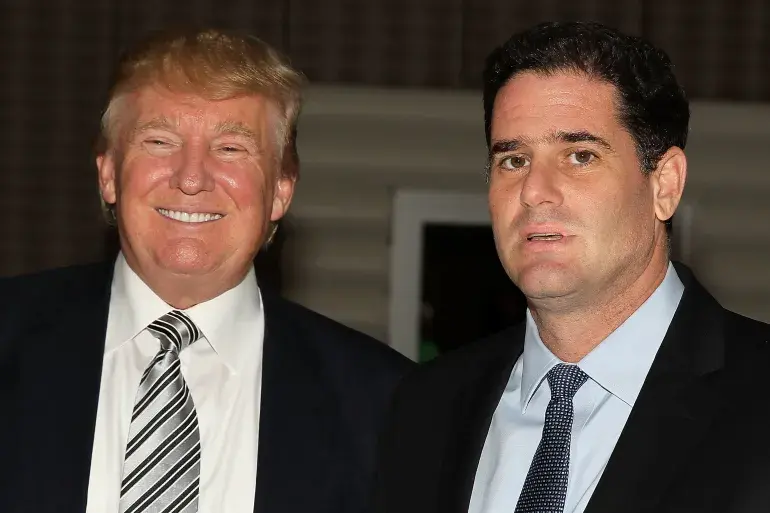
Trump meets with Israeli Minister Dermer to discuss Iranian nuclear talks and starving Gaza.

Axios revealed that US President Donald Trump secretly met with Israeli Minister of Strategic Affairs Ron Dermer, a close ally of Israeli Prime Minister Benjamin Netanyahu, and discussed the nuclear talks with Iran and the war in Gaza, according to two sources familiar with the meeting.


The meeting, which was not announced by the United States or Israel, took place at the White House ahead of the fourth round of US-Iran nuclear talks in Muscat on Sunday and President Trump's trip to the Middle East, which begins on Monday.


Trump will visit Saudi Arabia, Qatar, and the United Arab Emirates on this trip, but will not visit Israel.


This meeting is somewhat unusual, as American presidents do not usually meet with second- or third-rank foreign officials.


The meeting took place two days after Trump's surprise announcement of a truce with the Houthis, which exposed gaps in trust and coordination between the administrations.


This announcement came shortly after Israel carried out strikes on a major port and airport in Yemen in response to a Houthi attack on Tel Aviv International Airport. Israelis were concerned that the ceasefire announced by Trump did not apply to attacks on Israel.


The website reports that an Israeli official stated, "We were shocked that the Trump administration didn't tell us anything. We learned about it on television."


This incident has raised concerns about the potential limits of Israel's influence over the US approach to the nuclear talks with Iran. Netanyahu questions the viability of diplomacy and wants Trump to consider the military option.


Dermer met with US Secretary of State Marco Rubio on Wednesday and expressed Israeli concerns, according to a source familiar with the matter.


On Thursday, Dermer held several meetings at the White House, including one with Trump. Also in attendance were Vice President Vance, Rubio, and White House envoy Steve Witkoff, according to the website.


White House spokeswoman Carolyn Leavitt confirmed Trump's meeting with Dermer, saying it was a "private meeting."


Witkoff and his team are expected to hold another round of nuclear talks with Iran on Sunday in Oman, according to two sources familiar with the matter.


Iranian Foreign Minister Abbas Araqchi will head the Iranian delegation.


Trump reiterated on Thursday his desire to reach a nuclear agreement with Iran without resorting to the use of military force.


The Israeli occupation authorities have set the end of Trump's visit as the deadline for reaching a new agreement on prisoner releases and a ceasefire in Gaza, threatening a large-scale military operation to destroy and occupy the Strip and displace its entire population if no agreement is reached.


In recent days, Witkoff has been working with Qatari and Egyptian mediators to pressure Hamas to agree to the release of some hostages in exchange for a temporary ceasefire, but the movement continues to insist that Israel agree to end the war in exchange for the release of all hostages.

OPINIONS

Fri 09 May 2025 10:11 am - Jerusalem Time

Republicans' demands in opinion polls

 James Zogby

James Zogby

Opinion Writer

American voters want the war in Gaza to end and believe President Trump should withhold US aid, if necessary, to pressure Israel to do so. During last year's election campaign, Donald Trump promised to make major changes to US Middle East policy. He stated that the Gaza war would not have happened if he were president, promised to end it, boasted about pressuring Israel to accept a ceasefire, and then, as president, proposed evacuating Palestinians from Gaza to make way for a Riviera-like resort. Ahead of the 2024 election, we conducted a poll of American voters and found public support for ending the war and using US aid to Israel as leverage to pressure it to end the occupation of Palestinian territories and end the war in Gaza. Now, more than three months into President Trump's second term, Israel has canceled the ceasefire, resumed its bombing campaign, resumed mass deportations of civilians, and reimposed a food and medicine blockade on the Palestinian population in Gaza. Last week, we re-asked the same questions from the 2024 poll in a new survey. The overall results were largely the same, with one key difference: Three months into his term, support for a tougher stance toward Israel was not limited to Democrats, but also included President Trump's Republican voter base, who wanted him to take a tougher stance to pressure Israel to change its behavior. This was one of the key findings of the poll released on April 30 by the Arab American Institute Foundation. The foundation commissioned John Zogby Strategies to conduct a survey of 1,000 American voters to assess their attitudes toward the Trump administration's policies toward Israel's war on Gaza. What the results show is that voters' opinions did not change much between November 2024 and April 2025. What did change, however, is that Israel is losing favor with Republicans, who now want President Trump to take a stronger stance to rein in its behavior. But this doesn't mean that Republican voters no longer support the president's domestic policies, including allegations of anti-Semitism, campus crackdowns, and the deportation of students participating in pro-Palestinian and anti-Israel protests. Here are the key findings: The poll shows that voters' sympathy for Israel remains somewhat higher than their sympathy for the Palestinians. But by a clear margin of 46% to 30%, American voters feel that US policy in the Middle East is too biased in favor of Israel, with 39% of Republicans agreeing and 37% disagreeing. This represents a significant shift from 2024, when only 33% of Republicans agreed with this view, compared to 43% who said the policy was not too biased. By a two-to-one margin, American voters agree that President Trump "should put greater pressure on Israel to end its occupation of Palestinian territories and allow the Palestinians to establish their own independent state." While this percentage is consistent with last year's results, the most notable difference this year is the significant increase in the percentage of Republicans who agree that pressure should be applied to Israel. In 2024, 37% of Republicans supported the idea and 40% opposed it, while now it stands at 49% and only 29% oppose it. When asked whether the United States should continue providing unconditional aid to Israel, or restrict such aid if "Israel continues to act in a manner that endangers civilian lives in Gaza and Lebanon," this year's results were similar to last year's. Only 23% support unconditional aid, while 53% oppose it. The key takeaway from this preliminary data is that while Americans continue to sympathize with Israel, they oppose its policies and want the president—whether Democrat or Republican—to use U.S. aid as leverage to change Israel's behavior. It is also important to note that a significant percentage of Republican voters, including those who identify as "born-again Christians," want the president they elected to take a firm stance against Israel's policies of bombing civilians and occupying Palestinian territories. What all these results demonstrate is that Republicans, and their evangelical Christian base, are also losing patience with Israel's policies.

OPINIONS

Fri 09 May 2025 10:09 am - Jerusalem Time

The Pen is Chained: Palestinian Journalists Confronting Israel's Administrative Detention Machine: A Narrative of Systematic Repression Against Eyewitnesses

  Bin Muammar Al-Hajj Issa

Bin Muammar Al-Hajj Issa

Opinion Writer

In a dark cell in Ofer military prison, veteran journalist Ali al-Samoudi, 58, from Jenin, endures his new fate as an "administrative detainee" for six months. This decision was made by the occupation's intelligence services and is not based on a specific charge or a public trial. This scene epitomizes the systematic repression of the Palestinian press, which has become one of the most prominent tools of the ongoing war of extermination for eight months. The rise in the number of administratively detained journalists to 20, out of 50 others currently in detention, is not just a passing number. Rather, it is an indicator of Israel's shift from killing witnesses to imprisoning them, in an attempt to obliterate the Palestinian narrative and perpetuate a narrative of absolute power. The story of Al-Samoudi—who has spent 35 years documenting the occupation's violations through his lens—reproduces the same scenario experienced by dozens of journalists before him: a dawn raid on his home, a random search, the confiscation of his equipment, and then a notice stamped "top secret" announcing his administrative detention on the pretext of "threatening national security," without allowing his lawyer to review the file. This complex judicial mechanism, which allows for detention for six months, renewable indefinitely, has become a strategic weapon to silence voices, especially with the escalation of international reports documenting Israeli forces' use of cluster bombs and targeted attacks against civilians. Administrative detention is not a new phenomenon, but its escalation in recent months reveals a well-thought-out plan: since the start of the last war on Gaza, any camera documenting the destruction in Rafah or Khan Younis has become a "crime" that warrants imprisonment, according to Israeli security logic. Reports from the Palestinian Center for Development and Media Freedoms show that 90% of detained journalists have been subjected to physical and psychological torture, while their families are denied visits under the pretext of the "security situation." The most cruel irony lies in the coincidence of these arrests with the recent International Court of Justice ruling calling on Israel to "prevent acts of genocide," raising questions about the international community's role in protecting the truth. History repeats itself: In 1988, Israel administratively detained journalist Mohammed Odeh for three years without charge. In 2003, Al Jazeera correspondent Tayseer Allouni was abducted from the streets of Ramallah, becoming the first foreign journalist to be tried by military tribunal. Today, Al-Samoudi joins a long list of journalists who have been censored. The question pressing on the global conscience is: How many more lenses must be broken, and how many more pens silenced, before the war on journalism turns into a crime against humanity? The answer lies in the silence of Israeli prisons that swallow up eyewitnesses, and in those shattered cameras that still send distress signals from under the rubble.

PALESTINE

Fri 09 May 2025 10:02 am - Jerusalem Time

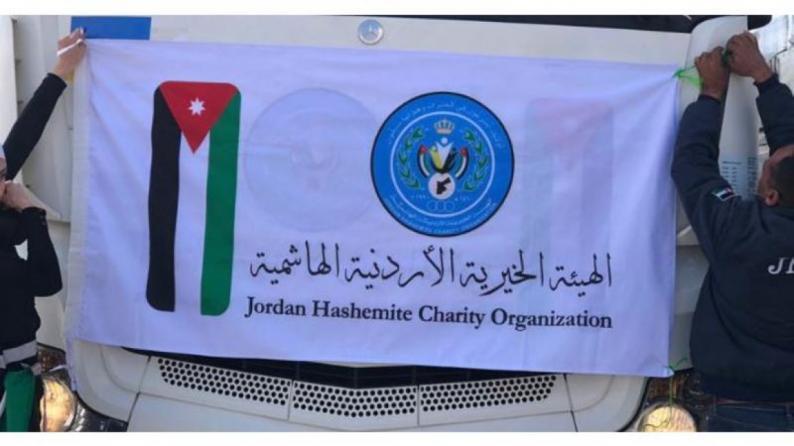
Charity: A website run from London is spreading lies about Jordanian relief efforts in Gaza.

The Jordan Hashemite Charity Organization expressed its astonishment and rejection of a London-based website publishing misleading material containing lies and slander about Jordan's humanitarian and relief efforts since late 2023 to support the people of the Gaza Strip.


The Commission's media office said that the English-language news website had requested answers to questions at the end of Thursday's business day. The questions were biased, accusatory, and based on what it called "allegations."


He explained that the website requested answers to these questions within 3 hours, which suggests that there was a deliberate intention to publish this material without any response with the aim of distorting Jordan's image and harming its role. He explained that the purpose of his question to the Commission was to make the reader feel that he is neutral, honest and objective, knowing that those in charge of the website know that such questions require time to prepare for the purposes of accuracy, transparency and clarity, as the questions were open and accusatory regarding a multi-media relief effort, and it is not possible to isolate one of the efforts and mislead readers with false information.


The media office indicated that donations made to the organization reached the people in the Gaza Strip without any deductions of any costs or fees.


Regarding the financial costs, the media office explained that Jordan bore the costs of the land convoys, airdrops, airlifts, and aircraft sent via Arish, before several countries and organizations requested to participate in these relief efforts.


Regarding the costs related to the airdrops, the media office noted that Jordan had borne all the financial costs related to the purely Jordanian airdrops, which numbered (125 airdrops), while sister and friendly countries bore the costs of the airdrops in which they requested to participate, which numbered (266). These numbers were announced after each airdrop operation, in which the participating countries were specified.


The media office of the Jordanian Hashemite Charity Organization confirmed that the airdrops cost more than what the news website reported. The cost of a free-fall airdrop was approximately $210,000, while the cost of a GPS-guided airdrop was $450,000. The organization explained that the details of these financial costs are fully documented by the countries and international organizations that participated in the operation.


He explained that these figures only cover the cost of a single airdrop, and that the website's false claim that Jordan was profiting from the operation is shameful and a reprehensible slander. No one can claim this, and what was published lacks integrity, credibility, and the accuracy and professionalism of the website that spread its lies.


As for the airlift (in addition to the free drops), the number of aircraft that transported relief supplies reached 102 aircraft, the costs of which were borne by Jordan, while Italy participated with 11 aircraft of its armed forces. The total weight of the supplies transported via the airlift reached approximately 122 tons, and the financial costs were less than the airdrops.


Regarding the land convoys, Jordan covered all the convoys it sent, especially in the first months of the war on Gaza, before several countries and international organizations stepped in and requested to participate in the aid. Jordan covered the costs of their participation, which was conducted within transparent international standards, strict and clear oversight, and documented receipts. The cost of one truck reached $2,200, including only insurance, operating and maintenance fees, and fuel.


The media office reported that the direct costs borne by Jordan to support its brothers in Gaza amount to tens of millions, while the indirect costs to the Jordanian state amount to hundreds of millions. In light of these figures and the tragedy affecting our brothers, it is shameful and a lie to talk about hundreds of thousands of dollars being profited from, as the website claimed in its shameful report.


The media office stated that there are two Jordanian hospitals, a prosthetics clinic, and a mobile bakery in the Gaza Strip, in addition to a hospital in Nablus and two medical treatment centers in Ramallah and Jenin. If the website was keen on the people there, it would have been better off focusing on all these efforts to highlight them and the costs that the Jordanian people provide to their people in Palestine, rather than making pathetic attempts to distort Jordan's image for offensive and misleading purposes.


The media office of the Jordanian Hashemite Charity Organization stressed its intention to pursue the website legally for the rumours and accusatory and misleading information it published, and to pursue anyone who circulated or transmitted these lies.


The Hashemite Charity Commission affirms that these reports cannot cover up the obvious facts, which clearly point to Jordan's lofty historical and humanitarian stance, which every Jordanian, Arab, and honorable person is proud of. It is neither acceptable nor possible to remain silent about this falsification and distortion practiced by the website.

PALESTINE

Fri 09 May 2025 9:55 am - Jerusalem Time

Red Cross: Israel's blocking of aid into Gaza is 'unacceptable'

The Red Cross condemned the human cost of Israel's war of genocide on Gaza, criticizing the Israeli blockade of the territory as "unacceptable."


Aid agencies have repeatedly warned of a growing humanitarian catastrophe in Gaza, which has worsened since the Israeli blockade on all aid began on March 2.


Pierre Krähenbühl, director-general of the International Committee of the Red Cross, told reporters in Geneva: “It is unacceptable to prevent humanitarian aid from reaching the Gaza Strip” and that “this is completely contrary to everything stipulated in international humanitarian law.”


He added that the situation in Gaza is "on the verge of collapse," and that "the next few days are very critical."


"There will be a moment when all our remaining medical supplies and other aid will run out," he said.


Israel denies the existence of a humanitarian crisis in the Gaza Strip, where it plans to expand its military operations to force Hamas to release Israelis held there since a Hamas attack on October 7, 2023.


Israel also reportedly aims to shut down the current UN-led aid distribution system in Gaza, forcing all deliveries to pass through Israeli hubs.


"At the moment, the most effective way to deliver aid to those in need is to lift the measures or decisions that have been taken to prevent aid from reaching Gaza," Krähenbühl said. "There are huge amounts of aid on the Gaza border that could be brought in tomorrow," he emphasized.

PALESTINE

Fri 09 May 2025 9:10 am - Jerusalem Time

Trump Disappointed Israel: Will Netanyahu Sit Idle?

Trump disappointed Israel: Will Netanyahu sit idly by? Israel continues to commit crimes in the Gaza Strip daily, killing dozens of Palestinian civilians, starving the population, and destroying buildings that have not yet been destroyed. On Wednesday, 99 Palestinians were killed by Israeli bombardment, bringing the death toll to more than 2,650, with nearly 7,000 wounded, since Israel violated the ceasefire and resumed the war on March 18.


Israel claims that the resumption of the war aims to exert military pressure on Hamas to agree to a prisoner exchange deal, and rejects Hamas's demands for a ceasefire and an Israeli military withdrawal from the Gaza Strip. In other words, Israel is demanding a deal on its own terms, because an end to the 19-month-old war and the withdrawal of its army would mean the fall of Benjamin Netanyahu's government.


Israel has announced that it is preparing for a significant escalation of the war following the conclusion of US President Donald Trump's tour of the region, which did not include a visit to Israel. Earlier this week, the political-security cabinet approved plans for escalation, under the pretext of recovering the 59 Israeli prisoners still held in the Gaza Strip.


Reports have circulated in Israel about a "disagreement" between the army's position and that of Netanyahu and his government. The army believes the primary goal of the war is to return the captives, followed by eliminating Hamas and its military and political capabilities. Netanyahu and his government believe the opposite: to eliminate Hamas first, followed by returning the captives. However, the outcome of these two positions is not contradictory, as neither side agrees to a ceasefire and a withdrawal from the Gaza Strip.


Israeli Chief of Staff Eyal Zamir said during a meeting with division and brigade commanders on Wednesday that in the first phase following the resumption of the war, "Hamas' position remains one of rejection (of a deal). Hamas is responsible for the suffering, the killing, and the destruction. Now is the time to move to the second phase. We will expand and intensify our operations."


In addition to the contradiction between returning the prisoners and eliminating Hamas, and Israel's inability to achieve both since the start of the war, on October 7, 2023, the Israeli army is facing a crisis within its ranks, represented by the refusal of many soldiers in the reserve forces to comply with military service after being sent summons orders, and the continued refusal of the ultra-Orthodox to be conscripted into the army. This threatens a crisis within the Israeli government as well, represented primarily by the abstention of the ultra-Orthodox parties from voting on legislation initiated by the government, which is forced to withdraw it from the Knesset's agenda.


Betting on "True Friend" Trump

Israelis, particularly on the right, describe Trump as a "true friend." However, this description has begun to shake following the US president's decisions over the past two months, which surprised Israelis without prior knowledge. These decisions relate to direct talks with Hamas to free Israeli prisoners who also hold US citizenship, direct negotiations with Iran regarding a new nuclear agreement, and finally, Trump's announcement of a ceasefire with the Houthis that does not prevent their attacks on Israel.


Israelis are disappointed in their "true friend" following these decisions, which they consider to have been made "behind their backs." Although Trump consistently declares his political and military support for Israel, and has even floated the idea of deporting Palestinians from Gaza—a dream of the fascist Israeli right, which gained widespread support in Israel after Trump announced this transfer plan—a "true friend" for Israel is essentially one who supports its war crimes and ignores his own and his country's interests.


Regardless of whether Trump implements his decisions that surprised Israel—he is considered an unpredictable person and can change his mind quickly—the mere fact of making these decisions has clear implications: a crisis and lack of trust exists between Trump and Netanyahu, not between the two countries.

Netanyahu did not dare comment directly on any of these decisions, fearing a reaction from Trump, who does not hesitate to attack or rebuke any world leader in front of the media cameras.


Trump appears to be joining Western leaders expressing positions critical of Israel for its ongoing wars and destabilizing the region. It was clear to the Americans that their strikes against the Houthis in Yemen would not affect the continued attacks on their ships and the disruption of their trade. Therefore, a ceasefire with the Houthis was in both American and Western interests, even though the Houthis declare they will not cease attacks on Israeli ships or Israel itself.


One striking feature of Israel's regional battlefields is that Arabs, from the Atlantic Ocean to the Gulf, view a missile that penetrates Israeli air defenses and falls in Israel—such as the Houthi missile that fell on Ben Gurion International Airport near Tel Aviv—as a major achievement. Israel, on the other hand, views it as a failure that resulted in the targeting of one of its national symbols.


In contrast, Israel describes its extensive raids in Gaza, Lebanon, Syria, Yemen, and Iran, which have killed tens of thousands, mostly civilians, and destroyed numerous facilities, as "achievements." Israel considers the genocide and starvation in Gaza an "achievement."


nuclear negotiations

Israel hopes that the negotiations between the United States and Iran over the latter's nuclear program will fail, and that such a failure will lead to an Israeli-American attack on and destruction of Iranian nuclear facilities. It believes this is the optimal solution to the Iranian nuclear issue, and that through it, it will be possible to overthrow the Iranian regime and dismantle the Iranian axis in the region.


Netanyahu has sought to destroy the nuclear program through a military attack since he became prime minister nearly thirty years ago. He ordered such an attack early last decade, but the move was thwarted by Israeli security chiefs at the time, who rejected a unilateral Israeli attack without American participation.

When the world powers reached the nuclear agreement with Iran in 2015, Netanyahu attacked the agreement and delivered a speech to Congress against then-US President Barack Obama. However, he did not succeed in preventing the signing of the agreement. However, he succeeded in convincing Trump, during his previous presidential term, to withdraw from the nuclear agreement in 2018. However, the US withdrawal from the agreement pushed Iran to develop its nuclear program more than it had before the 2015 agreement, and uranium was enriched to a level that exceeded

It is now close to developing a nuclear bomb, and Iran is now described as a "nuclear threshold" state.

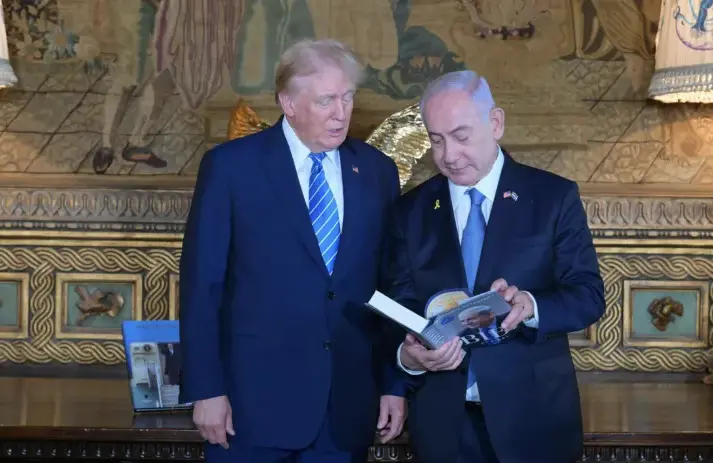
Netanyahu's hopes of possibly attacking Iran's nuclear program were boosted after Trump's second term. However, Trump urgently invited him to the White House in early April to announce to him and the media that the United States would conduct direct negotiations with Iran over its nuclear program.


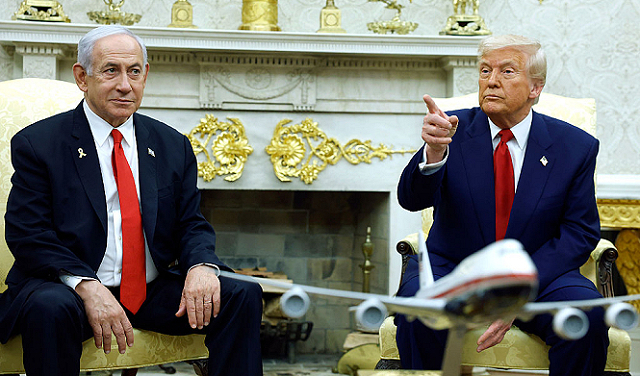
Netanyahu, sitting next to Trump, looked as if he had been slapped in the face.

The US president addressed him with this announcement. The United States is conducting direct negotiations with Iran, unlike the negotiations that preceded the 2015 agreement, when major powers negotiated with Iran and the United States did not participate directly.


Israeli experts and analysts do not rule out the possibility that the US-Iranian negotiations will end with a nuclear agreement similar to the 2015 agreement, especially since the possibility of Iranian concessions is limited. Experts and researchers recommend that Netanyahu refrain from publicly intervening in the negotiations, as the resulting damage would outweigh the benefits. They also recommend that Israel can influence some aspects of the agreement through secret talks with the Trump administration. Trump's goal is to ensure that Iran does not acquire a nuclear weapon.


It is currently unclear whether a new nuclear agreement will be reached, but if it does, Netanyahu's hopes will be dashed. Israel will be unable to attack the nuclear facilities of a country with which the United States has concluded a nuclear agreement. Achieving the agreement will not lead to the downfall of the Iranian regime and the dismantling of its alliances in the region. If economic sanctions are lifted on Iran, an oil-exporting country, its allies will also recover economically, and their influence in their countries may once again increase.


Faced with such a scenario, Israel is unlikely to sit idly by. It will not attack Iran while a new nuclear agreement is in place or negotiations are underway, but it may resort to media and political-diplomatic campaigns against the nuclear agreement, and may once again accuse Iran of secretly developing a military nuclear program aimed at destroying Israel. It currently appears that Israel will continue its raids in Lebanon and Yemen, while escalating its war on Gaza.


In this context, Israeli Defense Minister Yisrael Katz threatened in a statement on Wednesday that "the Houthis will receive severe blows from Israel if they continue to launch missiles at us, and the Israeli army is ready for any mission."


He added, "I warn the Iranian leadership, which funds, arms, and uses the terrorist Houthi organization, that the proxy approach is over and the axis of evil has collapsed. You bear direct responsibility. What we did to Hezbollah in Beirut, to Hamas in Gaza, to Assad in Damascus, and to the Houthis in Yemen, we will do to you in Tehran. We will not allow anyone to target Israel, and whoever targets us, we will target them severely."


PALESTINE

Fri 09 May 2025 9:04 am - Jerusalem Time

The occupation forces injure a citizen and arrest others in the West Bank.

This morning, Friday, Israeli occupation forces injured a citizen and arrested others in the West Bank.


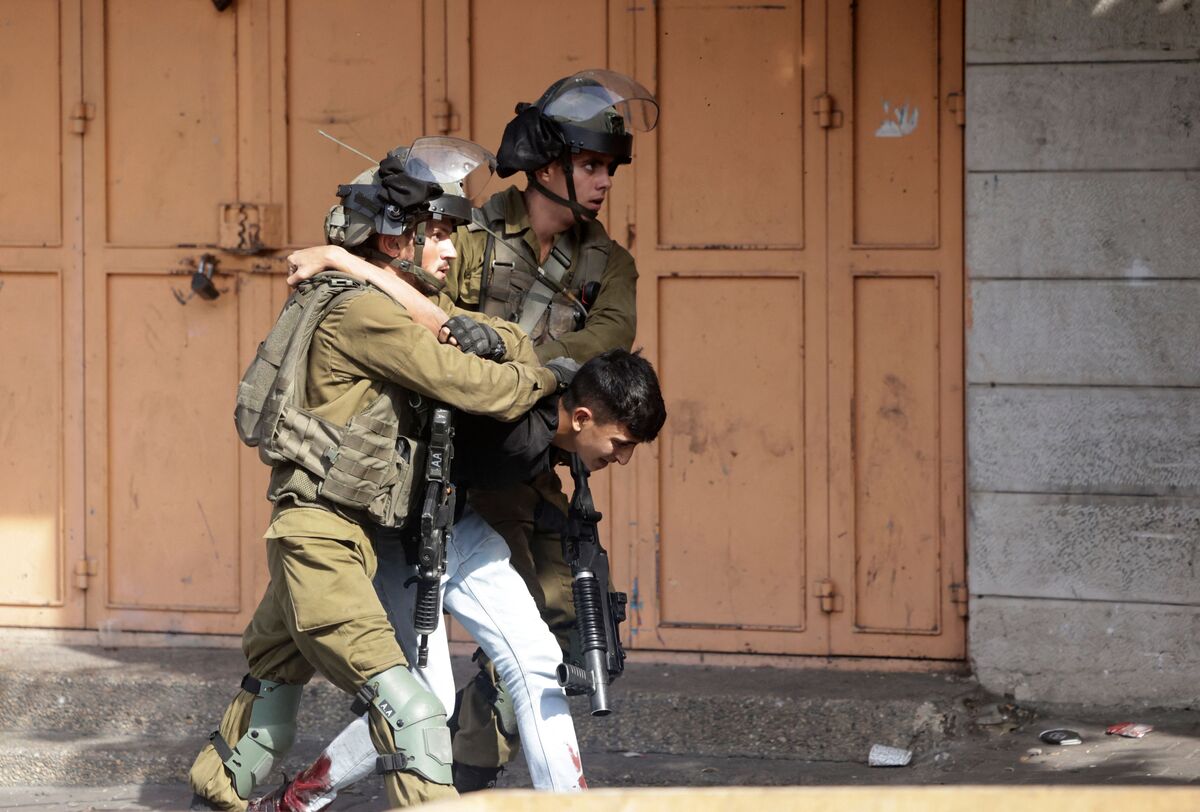
In Ramallah, occupation forces stormed the city center and attacked a young man inside a bakery, beating him and dragging him on the ground, causing fractures to his body.


The occupation forces also stormed the village of Deir Abu Mash'al, west of Ramallah, and arrested Hassan Ali Rabie (30 years old) after raiding and searching his family's home.


In Hebron, occupation forces stormed the southern part of the city and arrested freed prisoner Abdul Rahman Mahdi Barqan after raiding and searching his home and ransacking its contents. They also stormed the village of Deir Razih to the south and arrested the child Youssef Ashraf Amro and the brothers Bashar and Muhammad Ayman Amro.


Meanwhile, the occupation forces continued to close the entrances to towns, camps, and the city of Hebron with iron gates and earth mounds, and tightened their security measures at military checkpoints in the Old City and at the electronic gates near the Ibrahimi Mosque.


In Bethlehem, occupation forces stormed Al-Ubaidiya and raided the home of Qutaiba Mahmoud Khalifa. After searching his home and ransacking its contents, they handed him a notice to report to their intelligence services.


In Hebron, occupation forces arrested Firas Nasser Hamdan during a raid on the Tabqa area, west of the town of Dura. They also detained three children and conducted field investigations with them.


PALESTINE

Fri 09 May 2025 9:01 am - Jerusalem Time

Three citizens, including a fisherman, were killed and others were injured in the Gaza Strip.

A fisherman was killed and another injured on Friday by Israeli occupation forces north of Gaza City.


Local sources said that Israeli gunboats opened fire on a fishing boat in the northern Gaza Strip, killing one fisherman and wounding another.


She reported the death of citizen Amal Hussein Al-Najjar (45 years old) as a result of the wounds she sustained a week ago in the occupation's bombing of the city of Khan Yunis in the southern Gaza Strip.


Ahmed Al-Sayed Salout also died from serious injuries he sustained when the occupation forces bombed his home in Deir al-Balah, central Gaza Strip, three months ago.


Local sources reported that Israeli warplanes bombed a home belonging to the Hamdan family near the Al-Shuhada Mosque, east of the Nuseirat refugee camp in the central Gaza Strip, killing Rashad Abu Hayya, his wife Safaa, and their infant son Amr.


She added that an Israeli drone bombed an apartment in the Al-Mutamayizun building in the Al-Rimal neighborhood in Gaza City, killing Jasser Shamiya and wounding others.


Israeli military vehicles opened heavy fire on the eastern areas of Gaza City.

PALESTINE

Thu 08 May 2025 10:25 pm - Jerusalem Time

A young man and a child were shot during an Israeli raid on Al-Khader, south of Bethlehem.

A young man was injured by live bullets and a child by shrapnel on Thursday evening, during an Israeli raid on the town of Al-Khader, south of Bethlehem.


According to local sources, Israeli occupation forces stormed Al-Khader, positioned themselves in the gate area, deployed snipers, and fired live ammunition, tear gas, and sound bombs, wounding a young man with a live bullet to the foot and a child with bullet fragments to the chest and face.


She added that the occupation forces damaged a shop after smashing the outer glass door.

PALESTINE

Thu 08 May 2025 10:23 pm - Jerusalem Time

The death of the deported released prisoner Moatsem Raddad

The released prisoner, Moatasem Taleb Daoud Raddad (43 years old), from the town of Saida, north of Tulkarm, who was deported to Cairo, died this evening, Thursday, in an Egyptian hospital, after a struggle with cancer that he contracted in the occupation’s prisons.


The Palestinian Prisoners' Affairs Commission and the Palestinian Prisoners' Club stated that the released detainee and deportee, Raddad, is one of the most difficult medical cases to face, having faced complex medical crimes over the course of his nearly 20 years of detention in Israeli occupation prisons.


Raddad was released during the ceasefire deal in the Gaza Strip last February, and was among those deported to Egypt. Upon his release, he was transferred to an Egyptian hospital for treatment, but his health had deteriorated significantly, leading to his death.


Raddad was arrested in 2006 and sentenced to 20 years in prison, during which he suffered from difficult health conditions. He sustained shrapnel injuries during his detention, and his health deteriorated as a result of medical negligence, leading to chronic and serious illnesses, including acute intestinal inflammation and chronic bleeding, in addition to high blood pressure, shortness of breath, irregular heartbeat, and severe back and joint pain.


Despite his deteriorating health, Raddad suffered from medical neglect inside the occupation's prisons. He was regularly transferred from Ofer Prison to the Ramle Prison Clinic for treatment, but the conditions of the transfer and the poor treatment he was subjected to during the transfer exacerbated his suffering.


A year ago today, a released prisoner sent a message from Radad while he was in prison, in which he said: “I feel inside that I am the next martyr inside the occupation’s prisons. My condition is deteriorating daily. During the past months, I have suffered from continuous fainting spells, my intestines bleed daily, my heartbeat is irregular, and my blood pressure is constantly high. I also suffer from shortness of breath, and I almost suffocate without help. This is in addition to the severe pain I suffer from in my back and joints. I also have great difficulty sleeping, and the only words I receive from the jailers are that you are dead here. Our suffering as patients in prisons is unimaginable in any way. We are dying daily. We are detained in cells and surrounded by hunger, thirst, oppression, abuse, and torture, and we are deprived of the most basic conditions of health care.”

ARAB AND WORLD

Thu 08 May 2025 10:01 pm - Jerusalem Time

The University of Washington suspended 21 students over pro-Palestinian protests.

The University of Washington announced Wednesday the suspension of 21 students following their arrest earlier this week for occupying an engineering building during a pro-Palestinian protest, according to the German Press Agency.


According to a statement issued by the university, the students who stormed the Interdisciplinary Engineering Building in Seattle on Monday evening, demanding that the university sever its ties with Boeing, have also been barred from entering the entire University of Washington campus.


The university added that 13 people, who were arrested but are not students, were also barred from entering the Seattle campus.


The university said the raid resulted in "significant damage" to the building and its equipment. Several waste containers outside the university were also set on fire.


The Seattle Times reported that Boeing has donated more than $100 million to the University of Washington since 1917, including $10 million for the engineering building.


Boeing is a major supplier to the Israeli military, and Israel has received more military aid from the United States than any other country since World War II.

PALESTINE

Thu 08 May 2025 9:49 pm - Jerusalem Time

Trump considers US-led occupation of Gaza, similar to Iraq

According to US media reports, the administration of US President Donald Trump is considering a plan for the United States to lead the occupation and administration of the besieged Gaza Strip, similar to the way Washington administered Iraq after the 2003 US invasion.


Reuters reported that high-level discussions "focused on forming a transitional government headed by a US official, which would oversee Gaza until it is demilitarized and stabilized, and a viable Palestinian administration emerges."


The sources, who spoke to the agency on condition of anonymity because they were not authorized to discuss the talks publicly, compared the proposal to the Coalition Provisional Authority in Iraq that Washington established in 2003, shortly after the US-led invasion that toppled Saddam Hussein.


Anil Shelin, a scholar at the Quincy Institute in Washington, D.C., described the idea as "horrific and absurd," adding, "Americans should remember the futility of imposing a government on Iraq by force of arms. Trump's apparent consideration of this shows how much he is subservient to Israel's control, rather than prioritizing U.S. interests."


Most experts point to the CPA as the catalyst for an imminent insurgency that plunged the US military into more than a decade of war in Iraq, which has killed hundreds of thousands and cost more than $3 trillion. As with the US-led war in Iraq, experts say that "there would be no set timetable for how long such a US-led administration would remain [in Gaza]," while "a US-led interim authority in Gaza would drag Washington deeper into the Israeli-Palestinian conflict and represent its largest intervention in the Middle East since the invasion of Iraq."


"If true, it's a complete reversal of the Bush administration's policies regarding the occupation of Middle Eastern territories," added Trita Parsi of the Quincy Institute. "It's the opposite of what Trump promised the American people: bringing the troops home and disengaging the United States from the region."


"It also shows that as long as Israel's occupation of Palestinian territories, which is the root cause of the violence, continues, the United States will always face pressure to withdraw from the Middle East," Parsi added.


Last year, the hardline neoconservative think tank, the Jewish Institute for National Security Affairs (JINSA), and the Vandenberg coalition released a plan—with similar lines to what Reuters reported—that called for the creation of a special entity, the "International Fund for Gaza Relief and Reconstruction," led by "a group of Arab states such as Saudi Arabia, Egypt, and the United Arab Emirates" and "supported by the United States and other countries."

PALESTINE

Thu 08 May 2025 9:14 pm - Jerusalem Time

Washington promotes a "dubious" aid initiative for Gaza.


Hebrew and American media reported on Thursday that the United States is pushing for UN Security Council support for a new initiative that would allow aid to be delivered to the Gaza Strip "without direct Israeli military intervention," according to Washington's claim.


While the private Hebrew newspaper Yedioth Ahronoth described the initiative as "American," the Washington Post reported it as "Israeli."


However, according to the announced details of the initiative, it achieves the same stated goal of an initiative recently promoted by Tel Aviv, namely "emptying northern Gaza of Palestinian civilians," which raises doubts about it.


Yedioth Ahronoth reported that Steve Witkoff, US President Donald Trump's Middle East envoy, presented the initiative to the Security Council, claiming that it "aims to provide food and medical aid to civilians in Gaza, without direct intervention from the Israeli military."


The newspaper added that the initiative's first phase aims to "establish four safe aid distribution centers inside Gaza, each serving approximately 300,000 people, covering a population of 1.2 million, with a subsequent goal of reaching more than 2 million people."


According to Yedioth Ahronoth, the plan "will be implemented without a direct Israeli military presence, but coordination will be made with the army to maintain what it called the humanitarian corridors" through which aid seekers will arrive.


** "Gaza Humanitarian Foundation"


For its part, the Washington Post reported that "the initiative is designed to rely on the United Nations, particularly the World Food Programme, and humanitarian NGOs already operating in Gaza to distribute food parcels at the centers to Palestinians, whose identities will be vetted by Israel" to ensure they are not members of Palestinian factions.


The newspaper added that the aid distribution will be carried out under the umbrella of an organization called the Gaza Humanitarian Foundation, a non-profit organization recently registered in Switzerland and established by undisclosed governments and entities, including the payment of wages to the American security contractors participating in the initiative.


In a statement distributed Wednesday, the Geneva-based Gaza Humanitarian Foundation did not provide any information about its origins, supporters, or relationship with Israel, but said it is "independent" and "aims only to ensure that aid is delivered directly, and only, to those in need" in the Gaza Strip.


She added that Israeli military personnel "will not be present near aid distribution sites."


The organization explained: "Aid distribution is based solely on need, without eligibility requirements or consideration of identity, origin, or affiliation, with priority given to the dignity and safety of the community," it claimed.


** Evacuation of northern Gaza


But nongovernmental aid organizations and people familiar with the Israeli plan said, according to the Washington Post, that the scope and terms described are far from what they were told about the plan's initial stages, which include vetting the identities of Israeli beneficiaries and providing aid to fewer than 200,000 people.


The American newspaper added that aid distribution will be limited to "southern Gaza."


This means that the initiative will achieve the same goal as its counterpart, recently proposed by Israel and rejected by the Palestinian side and international organizations: "accelerating the evacuation of Palestinian civilians from the northern Gaza Strip," according to what Israeli Army Radio revealed last Tuesday.


The Israeli plan, rejected by Palestinians and internationally, stipulates that aid be distributed in the city of Rafah in the southern Gaza Strip, specifically in the area between the Morag and Philadelphi axes, which are completely under Israeli military control.


The plan also stipulates that "the entry of Gaza residents into this area will be conditional upon thorough inspections to ensure the absence of Hamas elements."


Army Radio reported that "three aid distribution centers will be established inside Rafah, making it the main hub for receiving and distributing humanitarian aid in the Strip."


She noted that "aid will not be distributed in any other area of the Gaza Strip, which is expected to accelerate the movement of civilians from northern Gaza to the south."


For several weeks, the Israeli army has been encircling the area between the Philadelphi Corridor on the Gaza-Egypt border and the Morag Corridor, which separates Rafah from Khan Yunis, claiming to be "pursuing dozens of Palestinian militants there."


The military plan, devised by Israeli Chief of Staff Eyal Zamir and approved by the Israeli Security Cabinet last Sunday, calls for the displacement of Palestinians from across Gaza, particularly the northern part of the Strip, to this area.


Israel seeks to reoccupy the Gaza Strip, particularly in the north, following its withdrawal from it in 2005 under Prime Minister Ariel Sharon.


In this regard, Israeli Finance Minister Bezalel Smotrich said last Monday that Tel Aviv will not withdraw from Gaza after completing its occupation, even if it is in exchange for the release of prisoners held by Palestinian factions.


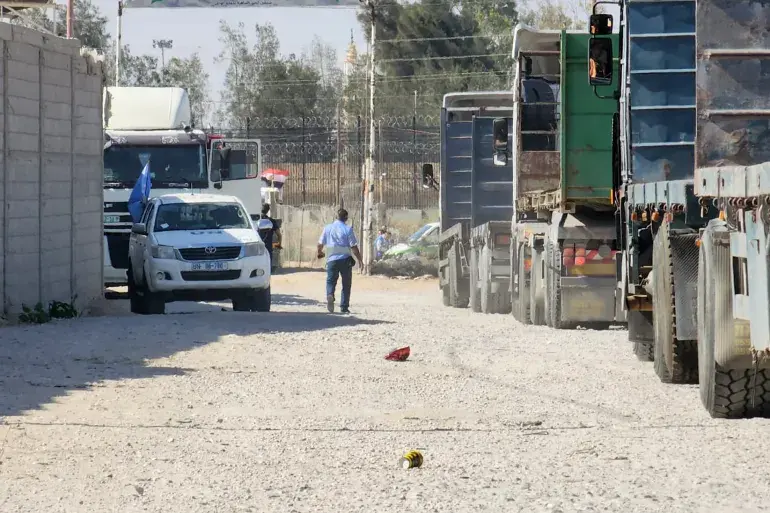
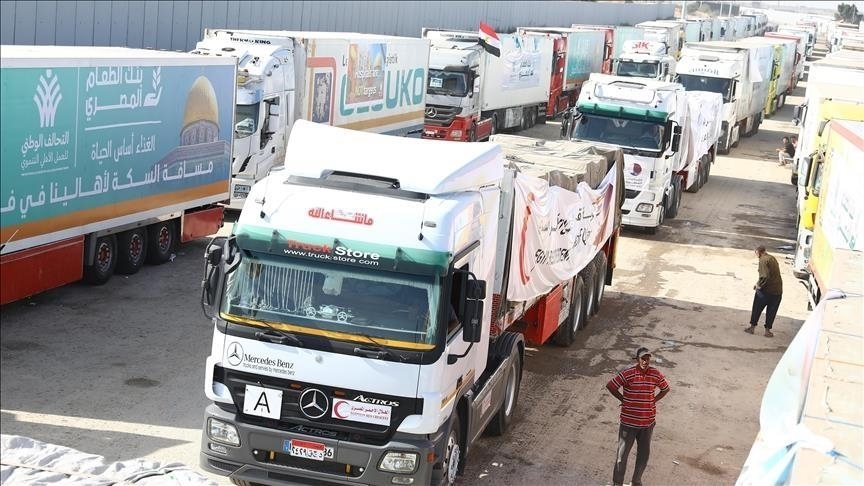
It's worth noting that on March 2, Israel halted the entry of humanitarian aid into the Gaza Strip, despite hundreds of trucks carrying international aid waiting to enter the Strip. This has exacerbated the famine in the Strip.


UN agencies have rejected Israel's proposed plan for the entry of aid, while the Palestinian government announced on Monday its rejection of the same plan, considering it an attempt to circumvent UN agencies.


The Palestinian government affirmed its rejection of "any steps aimed at undermining the role of the United Nations Relief and Works Agency for Palestine Refugees (UNRWA) or related national institutions," while calling for "more international pressure to open the crossings and allow the entry of aid."


In the same context, Hamas expressed its strong rejection on Monday of any Israeli plan that would turn humanitarian aid into a tool for political blackmail, considering such a plan "an extension of the policy of starvation and dispersion that gives the occupation an additional opportunity to commit crimes of genocide."


Meanwhile, the international humanitarian team in the occupied Palestinian territory warned on Sunday evening that the Israeli plan "presented to us means that large parts of Gaza, including the least mobile and most vulnerable people, will remain without supplies."


He stressed that the plan "contradicts international humanitarian principles, is dangerous, and pushes civilians into military zones to obtain rations, threatening lives and further entrenching forced displacement."


The Humanitarian Team is a strategic body led by the United Nations, comprising representatives of UN agencies and Palestinian and international NGOs, and operates under the supervision of the UN Humanitarian Coordinator for the occupied Palestinian territory.


UN Secretary-General António Guterres and Emergency Relief Coordinator Tom Fletcher have previously announced that the organization will not participate in any plan that does not adhere to the universal humanitarian principles of humanity, impartiality, independence, and neutrality.


Israel has been blockading Gaza for 18 years, leaving approximately 1.5 million Palestinians out of a population of approximately 2.4 million homeless after their homes were destroyed in the war of extermination. Gaza is suffering from famine due to Tel Aviv's closure of the crossings to humanitarian aid.


With American support, Israel has been committing genocide in Gaza since October 7, 2023, leaving more than 172,000 Palestinians dead and wounded, most of them children and women, and more than 11,000 missing.


On Wednesday, US President Donald Trump said that his country had held numerous discussions regarding Gaza, and that the details of the situation would be revealed "likely within the next 24 hours."


The government media office in Gaza, Hamas, human rights organizations, and UN officials have repeatedly warned of the dangers of famine and "severe" malnutrition affecting Palestinians in Gaza, particularly children and the elderly, due to Israel's ban on the entry of relief, food, and medical aid into the Strip.


ARAB AND WORLD

Thu 08 May 2025 8:47 pm - Jerusalem Time

American Robert Francis Prevost elected Pope


American Cardinal Robert Francis Prevost was announced as the new pope and leader of the Catholic Church on Thursday. The new pontiff will take the name Leo XIV.


The new pope was born in Chicago and was a close aide to the late Pope Francis. He is known within Vatican government circles as a moderate figure capable of reconciling divergent viewpoints.


"A great honor"

For his part, US President Donald Trump said that the election of an American pope to the Vatican for the first time was a "great honor."


He wrote on Truth Social, "Congratulations to Cardinal Robert Francis Prevost, who has just been elected Pope. It is a great honor to know that he is the first American Pope. What a wonderful feeling, and what great pride for our country. I look forward to meeting Pope Leo XIV."


White smoke... and bells ringing

Earlier today, the chimney above the Sistine Chapel in the Vatican released white smoke, signaling the success of the selection of the Catholic Church's new pope, in a second round of voting by the 133 cardinal electors who have been convened in a conclave since Wednesday.


Shortly after white smoke rose from the chimney mounted on the roof of the Sistine Chapel, the bells of St. Peter's Basilica rang out, while the crowds continued to cheer and applaud enthusiastically.


The new Pope was elected following a voting process that was open to all possibilities due to the record number of cardinals participating.


A two-thirds majority unanimously approved his name, meaning he received at least 89 votes. However, due to the absolute secrecy surrounding the closed congress, details of the electoral process are not being disclosed.


The new pope will succeed the late Pope Francis, who died on April 21 at the age of 88, concluding a 12-year pontificate.


PALESTINE

Thu 08 May 2025 8:26 pm - Jerusalem Time

7 dead, including two girls, as a result of the occupation's bombing of Beit Hanoun and Al-Nuseirat camp.

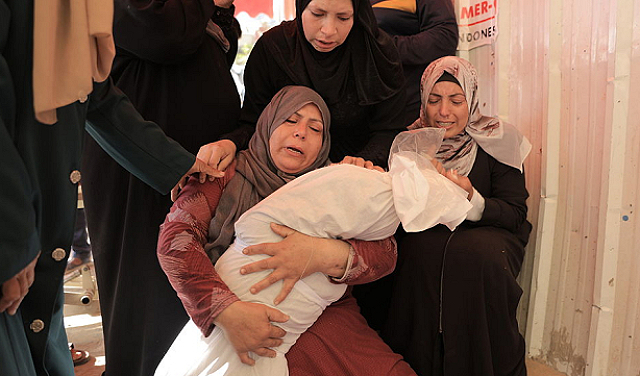
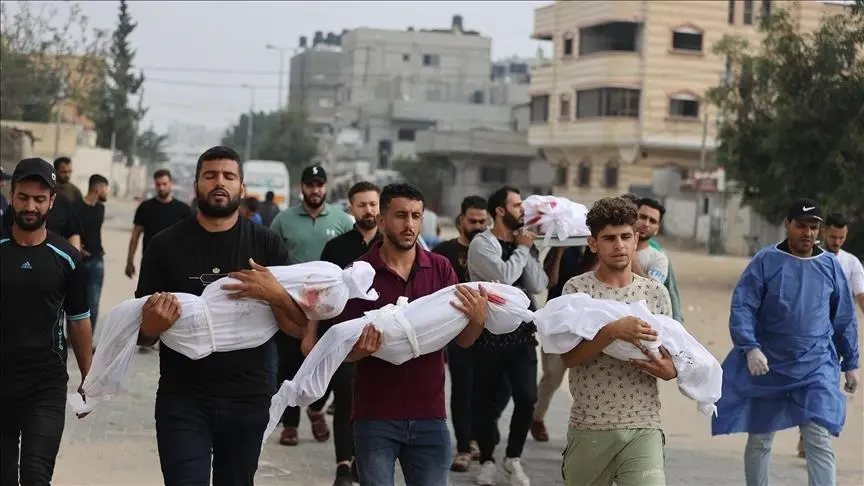
Seven civilians, including two girls, were killed and dozens were injured when Israeli warplanes bombed the town of Beit Hanoun in the northern Gaza Strip and the Nuseirat refugee camp in the center.


According to local sources, Israeli warplanes bombed a home appliance store near the entrance to the Nuseirat refugee camp, killing four civilians, including two girls, and wounding 27 others, including four children and five women.


Three citizens were also killed when Israeli warplanes bombed the Al-Za'anin family home, near a sports stadium in the northern town of Beit Hanoun.

ARAB AND WORLD

Thu 08 May 2025 8:17 pm - Jerusalem Time

A federal judge orders the Trump administration to detail the legal basis for Mahmoud Khalil's deportation.

A federal judge has ordered the Trump administration to detail the legal precedent for its plan to deport Mahmoud Khalil, a Palestinian activist whose presence in the country the government claims could harm US foreign policy interests.


U.S. District Judge Michael Farbiarz in Newark, New Jersey, ordered the administration to provide a list of every case in which U.S. officials used the law against Khalil, a Columbia University graduate student who led campus protests demanding an end to Israel's genocide in Gaza.


The judge requested details of US Secretary of State Marco Rubio's decision regarding the risks posed by Khalil's presence in the United States. He gave the government until 9:30 a.m. Eastern Time on Thursday.


Khalil was arrested on March 8 at his New York City apartment building in the presence of his wife, a US citizen. Khalil became a permanent resident of the United States last year and has been held without charge since his arrest. The US administration is seeking Khalil's deportation under a section of immigration law that allows for the removal of "an alien whose presence or activities in the United States may have potentially adverse foreign policy consequences."

PALESTINE

Thu 08 May 2025 5:50 pm - Jerusalem Time

Netanyahu: We are working with the Americans to transfer Hamas from Gaza to a third country.

Israeli Prime Minister Benjamin Netanyahu stated during a meeting with reserve soldiers from the 5th Brigade that the main goal of the current phase of the war is to recover the captives and completely defeat Hamas, according to his claims.


He said the movement should "raise the white flag," indicating surrender, according to his claims.


"They may raise the evacuation flag, and we are working on that," Netanyahu told the soldiers, referring to the plan to deport Hamas leaders from the Gaza Strip.
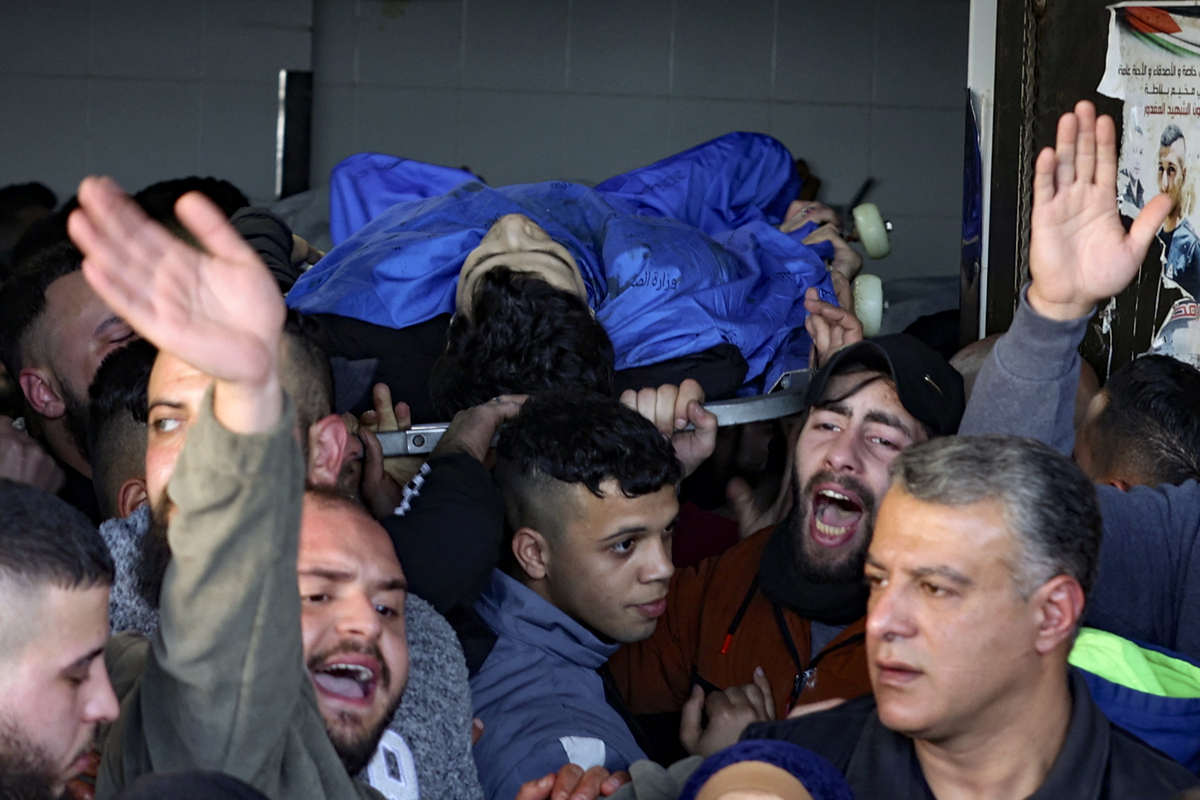

He pointed out that the occupation is working intensively with the US administration to transfer Hamas leaders to a third country, as part of intensive efforts to reach a solution that ensures the end of the movement's rule in the Gaza Strip.


These statements come amid escalating military operations in Rafah, south of the Gaza Strip, and mounting international pressure on the occupying entity regarding the worsening humanitarian catastrophe there.

ARAB AND WORLD

Thu 08 May 2025 4:37 pm - Jerusalem Time

Hebrew media: Trump disappointed with Netanyahu

Sources close to US President Donald Trump revealed that the president has grown deeply disillusioned with Israeli Prime Minister Benjamin Netanyahu and has decided to move forward with strategic moves in the Middle East without coordinating with him, according to Hebrew media.


According to the newspaper Israel Hayom, the personal relationship between Trump and Netanyahu has deteriorated significantly in recent times, with both sides expressing frustration and resentment.


Sources indicated that Trump is no longer willing to wait for any initiatives from the occupation government, and that he is determined to act alone to secure American interests in the region.


According to the Hebrew newspaper, Washington believes Netanyahu is stalling on making crucial decisions that would have accelerated the process of peace agreements in the region.

PALESTINE

Thu 08 May 2025 4:22 pm - Jerusalem Time

MSF: Lack of accountability for Israel 'shocking'

Claire Manera, MSF's emergency coordinator in Gaza, said the lack of accountability for Israel is "shocking," and that the organization "is at a loss for words in the face of the daily loss of life" in Gaza as the assault on the territory intensifies.


The organization reported on Thursday in a series of tweets on the X platform that "since March 2, no aid has entered the Gaza Strip due to a decision by the Israeli authorities."


She added that she is suffering from "a shortage of basic supplies and fuel needed to maintain her medical response, while the number of seriously injured people continues to rise."


"Palestinians are being killed and injured en masse as Israeli forces intensify their attacks across the Gaza Strip," Claire Manera, MSF's emergency coordinator in Gaza, told the organization.


The coordinator said that the lack of accountability (for Israel) is shocking. “We are at a loss for words, as more lives are lost every day.”

PALESTINE

Thu 08 May 2025 3:21 pm - Jerusalem Time

The death toll in the Gaza Strip rises to 52,760.

The death toll from the genocidal war and aggression waged by the Israeli occupation forces against the Gaza Strip has risen to 52,760 dead and 119,264 wounded since October 7, 2023.


Medical sources reported that the death toll includes 2,651 dead and 7,223 wounded since March 18, when the occupation resumed its aggression on the Gaza Strip.

Over the past 24 hours, 106 martyrs and 367 injured people arrived at Gaza Strip hospitals. A number of victims remain buried under the rubble and debris, and are on the streets, unable to be reached by ambulances and civil defense teams.

PALESTINE

Thu 08 May 2025 3:06 pm - Jerusalem Time

Israeli occupation continues its aggression on the city and camp of Jenin for the 109th day.

The Israeli occupation forces continue their aggression on the city of Jenin and its camp for the 109th day, expanding their bulldozing and destruction operations inside the camp with the aim of changing its features and structure, and continuing to prevent entry or access to it.


Occupation soldiers turned the UNRWA girls' school into a military barracks, placing their equipment, mattresses, and food inside, wreaking havoc in its classrooms and corridors. Columns of smoke rose near the "Prisoner's Mosque" on the outskirts of the camp after the occupation forces set fire to the area.


The occupation forces also continue their complete closure of Jenin camp, preventing access to it and the return of displaced persons to their homes. Meanwhile, bulldozing and destruction operations continue inside the camp, aimed at altering its structure and features.


According to Jenin Municipality estimates, approximately 600 homes were completely demolished in the camp, while the rest were partially damaged and rendered uninhabitable.

The occupation also caused significant damage to facilities, homes, and infrastructure in Jenin, particularly in the eastern and al-Hadaf neighborhoods.


Israeli occupation forces surrounded a house in the town of Barta'a, northwest of Jenin, and arrested a young man after searching the house and destroying its contents.

The occupation forces closed the Barta'a checkpoint, which is the only outlet for the residents of the town and the village of Tura to the rest of the governorate.


Villages in Jenin Governorate are witnessing near-daily raids as the aggression against the city and camp continues. Daily military movements are being recorded in most of the governorate's villages, along with the constant presence of Israeli patrols and vehicles.


The occupation forces continue to send military reinforcements towards the camp and its surroundings, while the city witnesses the daily deployment of infantry units in several neighborhoods.


Families from the camp, along with hundreds of families from the city and its surrounding areas, remain forcibly displaced to this day. The Jenin Municipality reports that the number of displaced persons from the camp and the city has exceeded 22,000.


The economic situation in Jenin is deteriorating further, with commercial losses recorded as a result of the aggression, which has led to the closure of many shops and a decline in shopping traffic in the city. This is in addition to bulldozing and destroying infrastructure and streets, and damaging a large number of shops, especially in the western neighborhoods, which are experiencing a near-total economic paralysis. Losses are estimated at approximately $300 million.


Since the start of the assault on the city and camp on January 21, 40 people have been killed, along with dozens more injured and arrested.

PALESTINE

Thu 08 May 2025 1:25 pm - Jerusalem Time

Updated: One dead and injuries during the occupation's storming of the Old City of Nablus.

A young man was killed and others were injured by Israeli occupation forces' gunfire on Thursday, and two others were arrested during a raid on the Old City of Nablus.


The General Authority of Civil Affairs informed the Ministry of Health of the death of Rami Al-Kakhn (30 years old) in Nablus.


Earlier, the Ministry of Health reported that nine people injured by Israeli occupation forces' gunfire had arrived at Rafidia Governmental Hospital, including two in critical condition, while the rest were in stable condition.


According to local sources, one of the injured, Rami Al-Kakhn, was arrested, along with Mohammed Mishaal, after the raid on the Jasmine neighborhood in the Old City.


According to the Palestinian Red Crescent, an 18-year-old man was shot in the thigh with live ammunition, two others were shot in the foot with live ammunition, and two boys were injured by shrapnel in the chest, foot, and back. All were taken to the hospital.


Red Crescent crews also dealt with 35 cases of tear gas inhalation.

PALESTINE

Thu 08 May 2025 12:33 pm - Jerusalem Time

In a non-final statistic, 18 Palestinians dead have been reported in the Gaza Strip since dawn today.

A citizen was killed and others were injured on Thursday in an Israeli airstrike on a house in the central Gaza Strip, bringing the death toll in the Strip since dawn today to 18.


Local sources reported that a citizen was killed and others were injured in an airstrike launched by an Israeli drone on the home of the Al-Shaarawi family near Al-Sawarah School, southwest of Nuseirat, in the central Gaza Strip.


Al-Awda Hospital in Nuseirat announced the arrival of the body of a martyr and an injured person from the Al-Sawarha area.


In a related development, a civilian was injured by Israeli drone fire on Al-Nazzaz Street in the Shuja'iyya neighborhood, coinciding with artillery shelling targeting the eastern Shuja'iyya and Al-Tuffah neighborhoods, east of Gaza City.


This morning, medical sources reported that the death toll from the Israeli bombing of a home belonging to the Rayan family near the Tal al-Rabi' School in the town of Beit Lahia, north of the Gaza Strip, had risen to nine.


The sources added that two citizens were killed when the occupation forces bombed a house in the Shuja'iyya neighborhood.


She added that a girl was killed and four others were injured as a result of the occupation's artillery shelling of the tents of the displaced west of Khan Yunis in the southern Gaza Strip, while a child was injured by occupation bullets in the foot near the Al-Sumoud camp in Al-Mawasi.


Local sources said that two fishermen were injured by Israeli naval fire off the coast of Khan Yunis, south of the Gaza Strip, while Israeli artillery shelled the city's Al-Batn Al-Sameen area.


The body of a child who went missing after the occupation forces bombed a school housing displaced persons in Al-Bureij camp in the central Gaza Strip two days ago was found this morning.


Since October 7, 2023, the occupation has been committing genocidal crimes in Gaza, leaving more than 171,000 dead and wounded, most of them children and women, and more than 11,000 missing.

PALESTINE

Thu 08 May 2025 12:15 pm - Jerusalem Time

Jamil Al-Salhout: "Jerusalem" is the starting point and the compass that never betrays

Al-Quds maintained a leading position and special importance despite strict Israeli military censorship and was the most prominent among publications.
Al-Quds has kept pace with the Palestinian moment in all its details, and for this reason it has become an indispensable reference that cannot be ignored or overlooked.
High professionalism has been one of Jerusalem's most prominent features, enabling it to excel over its peers and maintain its status over the past decades.
I felt very happy when Ibrahim Melhem was appointed editor-in-chief, as I saw it as a qualitative step in the newspaper’s journey and an important leap in its professional history.

Speaking to Al-Quds on the occasion of its 20,000th issue, Jerusalemite writer Jamil Al-Salhout recounted the newspaper's history as if it were the history of an unbreakable homeland, emphasizing that it was "the primary platform for expression after the June setback and the voice of Palestinians in the heart of the occupied city."


In his speech, Al-Salhout emphasized that Al-Quds was not an ordinary newspaper, but rather a collective memory and a vital archive of the city's history, literature, and political and cultural movement. As much as it provided a haven for post-1967 writers, he said, it remained the most widely circulated, most professional, and most independent newspaper, without slipping into partisanship or restrictive censorship. Rather, it embraced everyone and wrote for everyone, thus earning its place, even today, as a symbol of steadfastness and respect.
Al-Riyada newspaper after the setback

- Being born and raised in Jerusalem, how do you remember your beginnings with Al-Quds newspaper? Was it part of the Jerusalemite home in your childhood?
* When the 1967 war broke out and the subsequent defeat occurred, I was eighteen years old. At that time, all the newspapers published in Jerusalem before the occupation, such as Al-Jihad and Al-Manar, ceased publication.
A number of young writers at the time—such as Mahmoud Shuqair, Khalil al-Sawahra, Subhi al-Shahruri, Jamal Banoura, and Abdul Hamid Taqash from Gaza—turned to writing for the Israeli Communist Party's press, specifically for the Al-Ittihad and Al-Jadeed newspapers.
When Al-Quds newspaper was published after the war, it became the first journalistic outlet to emerge from the territories occupied in 1967. It attracted a large number of veteran writers, along with new faces who emerged during that period, such as Asaad Al-Asaad, Adel Samara, Khalil Touma, and others.
The publication of Al-Quds came at an exceptional time and marked a significant event in Palestinian journalistic life. Although it, like other later Arab newspapers such as Al-Fajr, Al-Shaab, and Al-Bayader, was subject to strict Israeli military censorship, Al-Quds maintained a pioneering status and special importance, and was the most prominent among these publications.

Voice of Palestine under Occupation

- In light of the occupation of the city and its changing features, what role did Al-Quds newspaper play in protecting the cultural identity of Jerusalemites?
* Like other newspapers published later, Al-Quds covered the Palestinian situation in all its details, reporting on the practices of the Israeli occupation in the occupied territories, from land confiscation to settlement expansion and other violations. For this reason, it has become an indispensable reference, one that cannot be overlooked by any researcher interested in Palestinian affairs since 1967.
In addition to its political and news-oriented role, the newspaper also distinguished itself by embracing the Palestinian literary scene, through its cultural page, which opened the door to a large number of young writers who emerged after the occupation. Prominent writers wrote for it, including Zaki al-Aila, Abdullah Tayeh, Muhammad Ayoub, Saleh Zaqout, Ziad al-Hawari, Mufid Dweikat, Jamil al-Salhout, Jabra Hanouneh, Jamal Salsaa, and others who made their way from the pages of Jerusalem to the Palestinian cultural scene.

Professionalism that stands the test of time

You are a multi-genre writer, from short stories to novels to satirical articles... Did Al-Quds newspaper play a role in embracing some of these experiences?
* Yes, I wrote for Al-Quds newspaper more than once, and I had articles published there. However, after 1974, I moved to work for a number of Palestinian newspapers and became directly involved in journalistic work. This made it inappropriate, professionally, for me to continue publishing for another newspaper while working for other journalistic institutions.
However, the significant role played by Al-Quds newspaper cannot be denied, whether in shaping public awareness, fostering new writers, or establishing the presence of Palestinian journalism in the heart of the occupied territories, despite all the restrictions and censorship.
- In your opinion, what makes Al-Quds newspaper able to withstand the 20,000th issue, despite the political, economic, and media crises?
* Al-Quds newspaper is considered the most professional newspaper published in the occupied territories after 1967, as a number of professional journalists worked in it, who possessed real experience in field and editorial journalistic work.
This was reflected in the nature of the newspaper, which was the most proficient in several aspects: in terms of regularity of publication, quality of journalistic production, accuracy of news formulation, and depth of editorial content.
This high level of professionalism has been one of Jerusalem's most prominent features, enabling it to excel over its peers and maintain its status over the past decades.

Non-partisan platform

Do you believe that Al-Quds newspaper has succeeded in being an open platform for all segments of the Palestinian cultural scene? Or are there areas that could have been further expanded?
* What distinguished Al-Quds newspaper from other Palestinian newspapers published after 1967 was that it was not a partisan newspaper, unlike other newspapers that were directly or indirectly affiliated with specific political organizations or parties.
This does not mean that it was completely open to all trends, as it was itself subject to a kind of internal censorship and had clear political orientations, but it remained relatively more independent and more professional than many other newspapers.
However, the prominent role played by Al-Quds newspaper in the Palestinian journalistic landscape cannot be denied, both in terms of coverage and in fostering writers and ideas.
- Given your involvement in initiatives such as the "Youm7" symposium, how do you see the complementarity or gap between the Jerusalem literary movement and the cultural journalism in the newspaper?
* As all those interested in the cultural movement in the occupied territories know, the Seventh Day Symposium was launched on March 1, 1991, and has since then served as a free weekly forum for discussing Palestinian literary and intellectual production.
We regularly documented the symposium's proceedings, and Al-Quds newspaper kindly published many of its sessions, contributing to the dissemination of this cultural activity to a wide audience and cementing the symposium's status as a pillar of the Palestinian cultural scene in Jerusalem and beyond.

Funny memory with the newspaper

- Do you have any special memories of any issue of the newspaper, or of certain articles that you felt represented a pivotal moment in the history of Jerusalem journalism?
* I don't have a specific position with Al-Quds newspaper in mind now, but what comes to mind is a deeper observation related to the reality of the Palestinian press in general, and especially the newspapers published in the occupied territories.
In my opinion, the strength of any newspaper stems from its ability to cover local news in depth and with honesty, and from providing a platform for local writers, especially in a geographically isolated and politically restricted environment such as the occupied Palestinian territories.
Unfortunately, some local journalists have resorted to republishing articles from Arab newspapers published abroad, instead of highlighting local voices living and writing from within the daily struggles.
One of the funny incidents that will never leave my memory is when we sent one of the Youm7 seminars to Al-Quds newspaper on the same night it was held, but it wasn't published. Ironically, the London-based Al-Quds Al-Arabi newspaper published it the very next day. About two months later, we were surprised to find Al-Quds newspaper publishing the same text, this time copied from Al-Quds Al-Arabi!
I then went to the newspaper's offices in Jerusalem and met with a number of editors, who were also surprised when I told them that the text had originally been sent to them, before being returned to them from abroad via another newspaper.

A rich archive for researchers

As a social critic, do you believe that Al-Quds newspaper has succeeded in reflecting the transformations and contradictions of Jerusalemite society?
* This question goes beyond the scope of Al-Quds newspaper and other Palestinian newspapers, as the newspaper is by nature a general news paper, and does not specialize in in-depth social or economic affairs.
However, Al-Quds continued to report on events and incidents from the field, via its correspondents or citizens inside the occupied territories. This enabled it to indirectly document many of the social transformations that Palestinian society has witnessed over the decades.
Thus, its archive today represents a valuable resource for researchers in sociology and beyond, as it reflects developments in daily life and changes in popular consciousness in the context of the occupation.
On the occasion of the publication of the 20,000th issue, what message would you like to send to the newspaper’s editorial team today, to its readers, and to the new generation of Jerusalemite journalists?
* I was very happy when Ibrahim Melhem was appointed editor-in-chief of Al-Quds newspaper. I saw it as a qualitative step in the newspaper’s journey and an important leap in its professional history.
Al-Quds newspaper is today the most widely distributed newspaper in the occupied Palestinian territories, and its continued publication for more than half a century is credited to its status as a pillar of Palestinian journalism.
Over the years, most young writers of all ages have turned to Jerusalem first, as it is the most prominent newspaper and the platform that has always provided them with the opportunity to start their careers.

Competence before loyalty

Concluding his remarks, Jamil Al-Salhout made an important point to those in charge of Al-Quds newspaper and to all those working in the Palestinian local press, saying: "I would like to add something I deem necessary, which is that the mechanism for appointing newspaper employees should not be based on personal relationships or political affiliations, as often happens, but rather should be built on professional competence alone."
He added, "It is important that the newspaper's doors remain open to all writers, regardless of political or ideological orientation, or personal relationship with the editors. What must be taken into consideration is the quality of the material and its suitability for publication, and nothing else."

PALESTINE

Thu 08 May 2025 12:10 pm - Jerusalem Time

Trump is preparing "major surprises." Will he restore calm to the Middle East with unconventional steps?

Dr. Hassan Ayoub: Trump's top priority now is to reach a nuclear agreement with Iran that will pave the way for stable economic and security arrangements with the Gulf states.
Dr. Amr Hussein: Trump has a habit of using statements to attract attention and boost his media presence, which leads to expectations of a promotional campaign to enhance his personal presence.
Dr. Hussein Al-Deek: Trump's anticipated announcement could have significant political and diplomatic implications related to the Arabian Gulf and the delivery of aid to Gaza.
Dr. Irene Said: Trump may focus on Middle East issues during his visit to the region, including announcing efforts to bring humanitarian aid into Gaza.

Dr. Abdul Majeed Suwailem: Trump may lead a new phase aimed at extinguishing fires in the region rather than igniting them.


In a controversial new move, US President Donald Trump made a major announcement that could herald transformations in Middle East affairs and restore stability there, amid indications of a strategic move to compartmentalize regional issues and address them separately.


In separate interviews with Al-Quds, political writers, analysts, and experts believe that Trump's statements come at a time when he is seeking to bolster his political prospects, while simultaneously repositioning his country in the region. This includes direct negotiations with Iran, understandings with the Gulf states, and attempts to contain tensions in the region, particularly in Yemen and Gaza.


They point out that Trump's striking focus on "imminent surprises" and his sudden and unexpected decisions expose the region to multiple possibilities, most notably the possibility of reaching a new nuclear agreement with Tehran or announcing humanitarian arrangements for Gaza.


They believe that Trump's approach, based on "solving individual problems" rather than treating the region as a whole, signals a profound shift in American priorities, different from those of the previous administration. This coincides with the possibility of leaving Israel out of some understandings and further straining its relations with Washington.


Trump's decisions are volatile and surprising.

Dr. Hassan Ayoub, a writer and political analyst specializing in Israeli and American affairs, says that US President Donald Trump faces significant challenges in formulating his volatile and surprising decisions, which rely heavily on his personal intuition. This presents analysts with significant difficulties in predicting the future, and the good surprises he speaks of in the near future.


Ayoub links Trump's recent announcement of a ceasefire with the Houthis in Yemen, announced Tuesday, with the possibility of a qualitative breakthrough in the nuclear negotiations with Iran. He believes this step reflects a new strategy based on "problem solving" rather than dealing with Middle East issues as a comprehensive deal.


According to Ayoub, the Trump administration is moving toward dividing regional issues into separate issues, departing from the comprehensive vision adopted by previous US administrations to achieve stability in the region.


Ayoub explains that Trump's current top priority is to reach a nuclear agreement with Iran, which would pave the way for stable economic and security arrangements with the Gulf states, potentially placing Israel outside the framework of these arrangements.
Ayyoub believes that Oman's mediation, which succeeded in reaching a ceasefire with the Houthis, indicates Trump's attempt to create a favorable environment for the success of negotiations with Tehran. Three rounds of negotiations have been held in recent weeks, showing significant progress.

A strategic shift raises tensions with Israel.

Ayoub points out that this strategic shift is raising tensions with Israel, particularly given statements by Israeli Prime Minister Benjamin Netanyahu, who appeared compelled to halt Israeli airstrikes against Yemen following Trump's announcement.
Ayoub points out that the Israeli attack on Sanaa airport, initially considered not to be the final one, abruptly halted just hours after the US announced an agreement with the Houthis, reflecting Israel's continued "blackout."
Ayoub explains that Netanyahu faces a real dilemma, as he may seek to derail the agreement with Iran and sabotage Trump's diplomatic tour of the region, especially since the tour may not include a stop in Israel, reminiscent of Barack Obama's first visit as president to the region without a stop in Israel.
Ayoub believes that Trump is resentful of Netanyahu's "games," noting that Trump is extremely sensitive to his personal credibility, which could prompt the US administration to pressure the Israeli government to accept the US vision.
Ayoub asserts that this tension is clearly evident in the contrast between Trump's strategy, which views a military solution as a means to reaching agreements, and Netanyahu's approach, which considers it an end in itself.

Feeding Gaza residents in exchange for the release of Israeli prisoners

Ayoub anticipates two possible scenarios for the positive surprise Trump spoke of. The first is linked to a breakthrough in the Iranian nuclear negotiations, as he pointed to reports indicating progress in the latest rounds of negotiations. The second could relate to the Gaza Strip, but in a manner that would be unpleasant for the Palestinians.
Ayoub explains that the Trump administration appears to be relying on a "humanitarian dimension," with its Middle East envoy, Steven Witkoff, proposing a deal that would include feeding Gaza residents in exchange for the release of Israeli prisoners, a move Hamas would likely reject. He also hinted at the possibility of announcing a new US plan for arrangements in the West Bank, reinforcing the idea of dealing with each issue separately.
On the other hand, Ayoub believes that Trump is seeking to create tremendous commercial and economic opportunities with the Gulf states, alongside multi-level diplomatic moves.
Ayoub notes that the announcement of a ceasefire with the Houthis could be a prelude to broader agreements, but success depends on regional reactions, particularly from Iran and Israel. He notes that the coming days, which are expected to be full of developments, are expected to be closely monitored, while acknowledging that information currently available is scarce.
Ayub warns of the danger of Trump relying on his intuition to make decisions, noting that this approach makes predicting the future extremely difficult.
Ayoub emphasizes that the current situation requires close monitoring, especially with the growing role of Omani mediation and its impact on regional balances. While Trump appears determined to impose his vision, the question remains open regarding Netanyahu's ability to adapt to these shifts, or whether they will lead to further escalation in the region.


Questions about the upcoming big announcement

Egyptian writer, political analyst, and researcher in international and strategic relations, Dr. Amr Hussein, explains that the anticipated major announcement indicated by US President Donald Trump raises questions about its nature, whether it is political, paving the way for his potential return to the political arena, or strategic, impacting US domestic and foreign policies.
Hussein points out that Trump has a habit of using such statements to attract attention and boost his media presence, leading to speculation that a surprise announcement could signal a promotional campaign to bolster his personal presence.
Regarding Trump's upcoming visit to the region, Hussein believes it carries two main dimensions: first, Trump's attempt to assert himself as an influential figure on the international stage, and second, an opportunity to reposition himself in resolving sensitive regional issues such as conflicts in the Middle East.
Hussein points out that the success of Trump's visit depends on the nature of the messages he delivers. If it focuses on calm and support for stability, it may contribute to reducing regional tensions. However, if the visit turns into a platform for escalating rhetoric or scoring domestic political points, it could further exacerbate tensions in the region, especially given the sensitivity of the current situation.
Hussein asserts that Trump's influence remains, but it is conditional on his ability to balance his personal interests with complex regional dynamics.


Keeping the media on the alert

The writer, political analyst, and expert on American affairs asserts that US President Donald Trump adopts a controversial approach in his statements, aiming to attract attention and keep the media on edge.
Al-Deek points out that Trump's expected announcement in the coming hours or days could carry significant political and diplomatic implications, linked to two key aspects that reflect his strategic vision for the region.
The first aspect, according to Al-Deek, is the United States' announcement that it will adopt the term "Arabian Gulf" instead of "Persian Gulf" in all its official names, whether within federal and local ministries and agencies, or in international contexts.
Al-Deek believes this move represents a "political and diplomatic flirtation" directed at the Gulf Arab states, particularly Saudi Arabia, the UAE, and Qatar.
Al-Deek explains that this decision reflects Trump's attempt to strengthen relations with these countries, which constitute a core component of his regional policy, by demonstrating symbolic support for their historical positions in the dispute over the naming of the Gulf.
Al-Deek points out that the second aspect relates to the official entry of humanitarian aid into the Gaza Strip, in addition to arrangements with the Houthis in Yemen through Omani mediation.

Resolving some outstanding issues

Al-Deek points out that this step comes within the context of understandings aimed at resolving some outstanding issues, including calming the Iranian front and reducing tensions in Yemen.
Al-Deek asserts that there is a clear trend toward de-escalation in the Red Sea and Bab al-Mandab Strait, where Houthi attacks on commercial vessels and warships will cease, enhancing stability in this vital region.
Regarding the possibility of reaching a permanent ceasefire or truce in the Gaza Strip, Al-Deek rules out the possibility of such a declaration before Trump's upcoming visit to the region.
Al-Deek explains that the reason lies in the significant difference between the Israeli approach and the Palestinian-Arab approach. According to Al-Deek, the Israeli side, led by Benjamin Netanyahu, believes that any ceasefire must be temporary, followed by the release of prisoners and detainees, followed by the resumption of the war to achieve its goals, namely the destruction of Hamas. In contrast, the Palestinian-Arab approach calls for a permanent ceasefire and a complete withdrawal of the occupation from Gaza.

The issue of handing over Hamas weapons

Al-Deek points out that the issue of Hamas's weapons surrender has become one of the most complex issues in the truce negotiations, as both the ruling coalition and the opposition in Israel agree to continue the war until this goal is achieved. This makes stopping the war, according to the Israeli vision, difficult, especially given Hamas's refusal to do so.
Al-Deek believes that Trump's upcoming visit to the region could contribute to resolving some issues and easing tensions on specific fronts.
Al-Deek points to the Yemeni file, where he expects a significant de-escalation, while regarding the Syrian file, he is likely to have a strong presence during the negotiations between Trump and Prince Mohammed bin Salman in Riyadh.
Al-Deek alludes to unconfirmed reports that Syrian President Ahmed al-Sharaa may arrive in Saudi Arabia to meet with Trump, which could bolster efforts to de-escalate the situation in Syria.
Al-Deek notes that the recent phone call between Trump and Turkish President Recep Tayyip Erdogan, which included mutual invitations to visit Washington and Ankara, could be a prelude to a de-escalation on the Syrian front, especially given expectations of US pressure on Netanyahu to halt the ongoing Israeli military strikes on Syria.


Cautious optimism about achieving relative stability in the region

Al-Deek warns that Trump may grant Netanyahu freedom of movement in the Palestinian arena, whether in Gaza or the West Bank, without American pressure, while the focus will be on achieving stability in other arenas such as Yemen, Iran, Syria, and perhaps Lebanon.
Al-Deek asserts that this visit may represent a positive turning point in some issues, but it will not resolve the deep-rooted issues in the Palestinian-Israeli conflict, as fundamental disagreements remain.
Al-Deek expresses cautious optimism about the possibility of achieving relative stability in the region, particularly on the Yemeni and Syrian fronts. However, he stresses that the situation in Gaza will remain a major point of tension due to Israel's intransigence. Nevertheless, Trump's visit to the region may bring additional surprises that reflect his unconventional political style.


Regional stability serves American economic interests.

For her part, Egyptian academic and political analyst Dr. Irene Said says that US President Donald Trump's upcoming visit to the Middle East aims to achieve regional stability that serves American economic interests, with a focus on calming tensions and ending conflicts.
Saeed points out that Trump is adopting clear approaches to de-escalation, citing the resumption of negotiations with Iran and the announcement of a halt to strikes on the Houthis in Yemen, despite Israel's attempts to embroil him in regional conflicts.
Saeed explains that Trump seeks to achieve stability in the region to advance his domestic interests, especially in light of challenges threatening American interests, such as maritime security or involvement with jihadist groups.
Saeed asserts that these factors could undermine his promises to the American voters who brought him to the White House. Despite his previous failure to manage conflicts, whether in Gaza or the Russia-Ukraine war, his current approach reflects a clear desire to resolve regional issues.
Speaking about Trump's expected "major announcement," Saeed indicated that he may focus on Middle East issues during his visit to the region. The announcement is expected to address efforts to deliver humanitarian aid to Gaza and attempts to control Israeli Prime Minister Benjamin Netanyahu's policies.

Strong indicators of a settlement

Saeed affirms that Cairo and Doha have recently taken important steps to resume negotiations and ensure the success of calming efforts, which enhances the chances of achieving tangible progress.
Saeed explains that the visit cannot be separated from American economic interests, pointing to Trump's 2017 visit, which saw the signing of major deals with Gulf states.
Saeed believes these deals represent strong indicators of a settlement, especially in light of Israel's "shameful" policies and the extreme right's insistence on continuing the war without a clear strategic vision or objectives.
Saeed asserts that the success of Trump's visit depends on his ability to strike a balance between calming conflicts and promoting regional stability, while preserving American economic interests. However, this raises controversy over his ability to address the challenges posed by Israeli policies and regional tensions.


Three main axes of Trump's expected announcement

Writer and political analyst Dr. Abdul Majeed Sweilem says that the so-called "big announcement" expected to be made by US President Donald Trump represents a strategic attempt to defuse tensions in the Middle East, with a focus on strengthening economic relations with the Gulf states. Sweilem believes this announcement could include three main axes: a framework agreement with Iran, a ceasefire in the Gaza Strip, or enhancing regional stability to attract investment and rebuild the US economy.
According to Suwailem, Trump's announcement seeks to achieve regional stability that serves the United States' economic interests.
Suwailem stresses that Trump is well aware that the success of this move requires making tangible concessions that meet the demands of the Gulf states.
Suwailem cites the example of Saudi Arabia seeking to conclude advanced arms deals and possibly move toward building a civilian nuclear reactor, alongside other demands from Gulf states such as the UAE and Qatar.
Suwailem asserts that Trump understands that the United States' ability to benefit from the Gulf states' vast financial capabilities depends on his responsiveness to sensitive regional issues, including the situation in the Gaza Strip.

Trump realizes the importance of ending the war in Gaza

Suwailem points out that Trump recognizes the importance of ending the war in the Gaza Strip as an integral part of his strategy.
Suwailem believes the US president will announce a ceasefire and a long-term truce, possibly extending for five years, considering that the threat posed by Hamas has effectively been eliminated.
Suwailem believes that Trump will rely on a narrative that the United States has successfully protected Israel from the threats it faces, and therefore will not be obligated to support Israeli ambitions to annex territory or realize the concept of "Greater Israel."
Suwailem says, "Trump will confirm that the United States has provided Israel, since October 7, 2023, with unprecedented support, unmatched by any other country in the world, contributing to the elimination of direct threats from Hamas, Hezbollah, and the axis of resistance. Consequently, Israel can now enter a period of calm without the need for further escalation."
On another note, Suwailem expects Trump's major announcement to include serious discussion of an agreement with Iran, whether a detailed agreement or a preliminary framework.
Suwailem believes this move could represent a historic shift, as the United States seeks to integrate Iran into regional economic networks, enhancing stability and paving the way for mutual investment. He asserts that this trend reflects Trump's desire to avoid involvement in new wars, especially after his withdrawal from the confrontation with Yemen, believing that the region no longer needs military escalation.

Attracting huge Gulf investments.

Suwailem asserts that Trump's primary goal is to strengthen the US economy by attracting massive Gulf investments.
Suwailem believes that the Gulf states, led by Saudi Arabia, are prepared to play an unprecedented regional role, provided a minimum level of regional stability is achieved and the tensions driven by Israeli Prime Minister Benjamin Netanyahu are resolved.
"Trump realizes that the success of his plan depends on his ability to convince the Gulf states that the United States is serious about protecting their interests and promoting stability," Suwailem says.
Suwailem believes that Trump aspires to establish regional economic networks that include all parties, including Iran, which would enhance prosperity and protect American interests. He emphasized that this announcement could represent an "unprecedented shift" in US policy toward the region.
Although Suwailem does not expect explicit American recognition of Palestinian national rights, he believes that this stage may halt the existential threat facing the Palestinian people.


A new phase aims to extinguish fires in the region

Suwailem explains that ending the war in Gaza and restoring regional stability will pave the way for reconstruction and granting Palestinians a degree of rights. He believes this shift reflects Trump's realization that continuing wars is impossible without thwarting his economic plans.
Suwailem points out that the events that began on October 7, 2023, exposed the falsity of Israeli narratives that attempted to portray the Palestinian resistance and the resistance axis as completely defeated.
Suwailem asserts that reality has proven that Israel has not achieved its ambitious goals, such as building a "state from the Euphrates to the Nile," and that the United States is now forced to acknowledge new realities, which represents a major achievement for the resistance and the Palestinian people.
Suwailem points out that Trump may lead a new phase aimed at extinguishing fires in the region, rather than igniting them.
Suwailem asserts that the success of this major announcement depends on Trump's ability to strike a balance between meeting the demands of the Gulf states, ending regional conflicts, and rebuilding the American economy. However, the question remains: Will Trump be able to achieve this historic transformation, or will regional challenges continue to hinder his ambitions?

ARAB AND WORLD

Thu 08 May 2025 12:02 pm - Jerusalem Time

13 civilians killed in Pakistani firing on India

The Indian government announced on Thursday that 13 civilians were killed by Pakistani artillery fire along the Line of Control, the de facto border between the two countries, following an escalation of violence into an exchange of artillery fire following a series of Indian strikes, according to Agence France-Presse.


The Indian Foreign Minister said that all those killed were in the town of Poonch (northeast), as were the majority of the 59 injured.
India and Pakistan exchanged heavy shelling on Wednesday, killing 31 people on the Pakistani side and 15 on the Indian side, in the most serious military confrontation between the two countries in two decades.
Tensions between India and Pakistan escalated on April 22 after New Delhi accused Islamabad of being behind an attack targeting tourists in Indian-administered Jammu and Kashmir, which killed 26 people and injured others.
In contrast, Islamabad denies any involvement in the attack, for which no group has claimed responsibility. Escalating tensions between New Delhi and Islamabad raise fears of an escalation in the military confrontation between the two nuclear powers, which have been at odds since the partition of the country in 1947.
Beijing and London quickly offered mediation to defuse the crisis, while the United Nations, Moscow, Washington, and Paris called for restraint.
India attacked Pakistan and the part of Kashmir administered by Islamabad on Tuesday night. Pakistan claimed to have shot down five Indian Rafale fighter jets, in what is considered the worst fighting between the two nuclear-armed neighbors in more than 20 years.
The Indian strikes targeted Pakistan's most densely populated province, Punjab, for the first time since the last full-scale war between the two countries more than 50 years ago, raising fears of an escalation of hostilities in one of the world's most dangerous and volatile regions.


PALESTINE

Thu 08 May 2025 11:14 am - Jerusalem Time

Aggression on Tulkarm: Raids, house demolitions, and military checkpoints

The Israeli occupation forces continue their aggression on the city of Tulkarm and its camp for the 102nd consecutive day, and for the 89th day on the Nour Shams camp east of the city, amid an ongoing escalation of field raids, searches, and the demolition of homes and infrastructure.


Local sources reported that Israeli occupation forces had been deployed extensively in and around the Nour Shams refugee camp since the early morning hours, setting up military checkpoints at the entrance on Nablus Road and imposing strict restrictions on the entry of residents of homes threatened with demolition. These restrictions included checking IDs, physical searches, and lengthy field interrogations, despite residents having obtained prior coordination for entry.


Last night, the occupation authorities notified the demolition of 15 new buildings in the camp in three areas. Each building contains a number of residential apartments, belonging to the families of Zuhairi, Hasri, Zendiq, Subh, Salah, Abu Khamis, Faour, Hajj Yusef, Ghanayem, Ali, Fayyad, Aisha and Saqr. They were given two hours to vacate their homes in the morning, in each area separately and at different times.


This escalation comes after the occupation notified last Thursday the demolition of 106 buildings and homes in the two camps, including (58) buildings in Tulkarm camp, and (48) homes in Nour Shams camp.


The Popular Committee for Services in Nour Shams Camp announced that the number of buildings and homes demolished by the occupation forces over the past three days exceeded 48, distributed across the neighborhoods of Al-Manshiya, Al-Maslakh, Al-Eidah, and Al-Jami'. The demolitions also displaced dozens of families, amid widespread destruction of property and infrastructure.


She confirmed that the occupation forces demolished some homes without prior notice to their owners, shocking them as they were surprised to see bulldozers storming into the neighborhoods without warning and beginning the demolition and destruction operations.


Meanwhile, since the early morning hours, the city has witnessed intensive movements of occupation vehicles, patrolling the main streets, obstructing the movement of citizens and vehicles, provocatively honking their horns and deliberately driving against traffic.


The city, its two camps, Tulkarm and Nur Shams, and its suburbs are under a suffocating siege, subjected to repeated raids amidst the firing of live ammunition and sound bombs, particularly at night. Furthermore, there are systematic attacks on citizens' homes and infrastructure, transforming the camps and residential neighborhoods in some parts of the city into military barracks, after homes were seized and their residents forcibly evacuated.


The occupation forces also continue to seize homes and residential buildings on Nablus Street and the adjacent northern neighborhood, converting them into military barracks after forcibly evacuating their residents. They also station their vehicles in the vicinity.


The ongoing Israeli aggression and escalation against the city of Tulkarm and its two refugee camps resulted in the deaths of 13 citizens, including a child and two women, one of whom was eight months pregnant. Dozens were also injured and arrested, and the infrastructure, homes, shops, and vehicles were completely and partially demolished, burned, vandalized, looted, and robbed.


The aggression also resulted in the forced displacement of more than 4,200 families from the Tulkarm and Nur Shams camps, comprising more than 25,000 citizens. It also resulted in the complete destruction of more than 400 homes and the partial destruction of 2,573 others, in addition to the closure of their entrances and alleys with earth mounds.


In parallel with the ongoing genocidal war in the Gaza Strip since October 7, 2023, the Israeli occupation army and settlers have escalated their attacks in the West Bank, resulting in the deaths of more than 960 citizens, the injury of nearly 7,000 others, and the arrest of 16,400 people, according to official data.

PALESTINE

Thu 08 May 2025 10:49 am - Jerusalem Time

Israeli occupation forces demolish a house and an agricultural facility in Nablus and Bethlehem.

Israeli occupation forces demolished a home and an agricultural facility in Nablus and Bethlehem on Thursday.


In Nablus, Israeli occupation forces stormed the New Nablus and Upper Taawun neighborhoods of the city, accompanied by two bulldozers, and proceeded to demolish a two-story house, one of which was inhabited and the other under construction and belonged to the Majed al-Adham family.


In Bethlehem, occupation forces demolished an agricultural facility in the Khallet al-Nahla area near the village of Wadi Rahhal. The facility was a barn for raising livestock, and stone fences belonging to Khader Issa Abu Ahour were destroyed, on the grounds that they were not licensed.