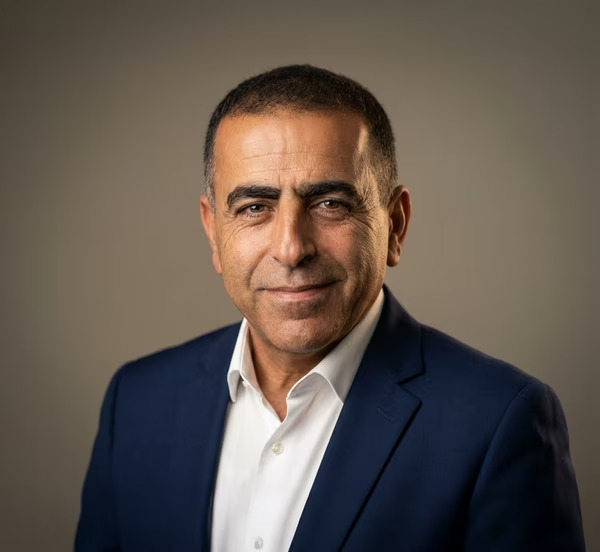
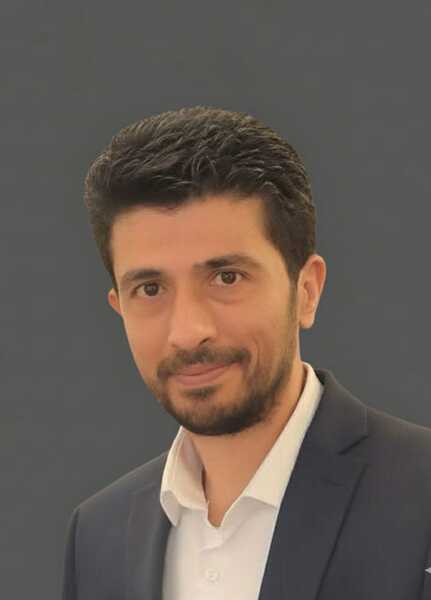
Dr. Khalil Tafakji: Demolition of homes in "Area A" for various pretexts indicates the absence of any effective sovereignty for the Palestinian Authority even in areas under its administration.
Salah Al-Khawaja: One of the most dangerous proposed steps is dealing with thousands of archaeological sites in the West Bank as biblical sites, along with accompanying Judaization projects.
Dr. Hassan Breijieh: Israel seeks to get rid of the Oslo Accords, and due to the difficulty of doing so, it is moving towards imposing facts on the ground through settlement expansion and gradual annexation.
Abdul Hadi Hantash: The withdrawal of service powers from Hebron Municipality and placing them under the sovereignty of "Kiryat Arba" Municipality was to prevent any Palestinian administration in H2 areas.
Dr. Abdul Nasser Makki: Opening land registry files is dangerous and allows direct purchase of properties from Palestinians, opening the door for expanding settlement influence.
Suhail Khalilieh: Allowing settlers to own land in the West Bank paves the way for widespread forgery operations, coinciding with demands for proof of ownership from Palestinians under impossible conditions.
Ramallah - Exclusive to "Al-Quds"-
Fears are growing over the repercussions of recent Israeli decisions regarding the withdrawal of powers from Hebron and Bethlehem municipalities, the expansion of intervention in areas classified as "A," and the individual registration of land ownership for settlers, considering them an indicator of a new phase of reordering control in the West Bank and its gradual annexation.
These measures include transferring administrative and religious responsibilities for sensitive sites such as the Ibrahimi Mosque and the Old City of Hebron, as well as Bilal ibn Rabah Mosque ("Rachel's Tomb") in Bethlehem, which is seen as a step contributing to reducing the role of Palestinian institutions in managing the affairs of these areas, according to experts, specialists, and officials in settlement affairs in separate discussions with "Al-Quds."
Experts, specialists, and officials believe that these developments show a trend towards subjecting religious and archaeological sites and areas to direct supervision by the Israeli Civil Administration, in parallel with the introduction of settlement expansion plans. The issue of demolishing buildings and opening land registries also raises concerns about legal changes that may affect land ownership and weaken the presence of the Palestinian Authority even in areas under its administration.
They point out that these policies fall within a broader path of imposing new facts on the ground that pave the way for gradual annexation, taking advantage of a complex regional and international political context.
Undermining Oslo and Seizing Palestinian Powers
Dr. Khalil Tafakji, an expert in settlement affairs, believes that the recent Israeli measures regarding the withdrawal of powers from municipalities and intervention in areas classified as "A" according to the Oslo Accords represent an advanced stage in undermining the agreement, and constitute "the final nail in Oslo's coffin," by reducing the powers of Palestinian institutions and re-imposing gradual Israeli control over these areas.
Dr. Tafakji explains that the withdrawal of powers from Hebron Municipality, including the Ibrahimi Mosque, practically means seizing powers from the Palestinian government, represented by the Ministry of Endowments, and transferring them to Israeli authorities.
Dr. Tafakji points out that planning areas under full Israeli control, such as the Ibrahimi Mosque area, the bus station, and Tel Rumeida, will be subject to settlement expansion plans under the supervision of the Israeli Civil Administration, without any role for the Palestinian Authority or Hebron Municipality in managing these areas.
Towards Legalizing Gradual Annexation
Dr. Tafakji affirms that the recent Israeli decisions reflect a trend towards legalizing and legitimizing the process of gradual annexation, noting that the approval of laws in the Knesset in the first and final readings gives them binding status and makes it difficult to reverse them.
Dr. Tafakji believes that these steps, including talk of demolishing homes in "Area A" under planning, environmental, or archaeological pretexts, indicate the absence of any effective sovereignty for the Palestinian Authority even in areas classified as under its administration.
Dr. Tafakji refers to the decision to expand the boundaries of Bilal ibn Rabah Mosque ("Rachel's Tomb") weeks ago, considering it an additional example of infiltration into "Area A" and imposing full control over religious sites, such as Bilal ibn Rabah Mosque, and withdrawing powers from Palestinian institutions.
Exploiting Religion for Political Goals
Dr. Tafakji believes that the use of religious sites, from the Ibrahimi Mosque to Bilal ibn Rabah Mosque, reflects the exploitation of religion to achieve political goals within a broader strategy of gradually re-establishing Israeli control.
Dr. Tafakji points out that the issue of antiquities constitutes another محور in this policy, citing the placement of archaeological areas such as Sebastia and Herodium under full Israeli control, including about 1800 dunams in Sebastia and about 70 dunams in Tuqu'.
Dr. Tafakji explains that the matter extends to nature reserves and other sites, where environmental, religious, and historical considerations are used as pretexts to re-establish control over areas that were under Palestinian control under Oslo, including sites such as Nabi Musa, which are now under full Israeli control.
Strategy of Imposing Occupation on "Area A"
Dr. Tafakji believes that all these measures indicate a clear strategy to gradually and systematically re-impose occupation on "Area A," considering that the timing, in light of recent Israeli political moves and the Israeli Prime Minister's visit to Washington, suggests an American consensus or support for these policies in the West Bank.
Fundamental Changes in the Status and Identity of Palestinian Lands
Salah Al-Khawaja, director of the Central Office of the Wall and Settlement Resistance Commission and an expert in settlement affairs, confirms that the recent decisions and legislation issued by the Israeli Ministerial Committee for National Security Affairs ("the Cabinet") reflect the insistence of Benjamin Netanyahu's government and its ministers on making fundamental changes in the status and identity of Palestinian lands, in the context of a long-term project to impose new political and geographical realities that undermine the possibility of an independent Palestinian state.
A Historical Path of Israeli Expansion
Al-Khawaja explains that what is happening now is an extension of a historical path of Israeli expansion, noting that the international community has not taken firm stances since 1948 to stop a series of massacres and displacement operations that affected hundreds of Palestinian villages and towns, and later the expansion that solidified Israel's control over most of historical Palestine.
Al-Khawaja points out that the occupied territories after 1967 and since the first weeks of occupation, were followed by the forced displacement of the Maghariba Quarter in Jerusalem, then the accelerated Judaization of holy sites, including repeated attacks on Al-Aqsa Mosque, without effective international deterrence.
Al-Khawaja points out that the annexation of Jerusalem constituted one of the most dangerous early annexation steps, followed by the adoption of projects aimed at reshaping Palestinian geography by dividing the occupied territories into separate cantons, including isolating the Gaza Strip, Jerusalem, and the Jordan Valley, and transforming the rest of the West Bank into fragmented areas, in an effort to weaken any components of a geographically contiguous Palestinian state.
Al-Khawaja believes that the experience of the Oslo Accords was a Palestinian attempt to find a path towards statehood, but subsequent Israeli policies showed the absence of a real Israeli partner for peace, and the continued defiance of successive Israeli governments to the international system and global contentment with positions of condemnation and denunciation.
Infringing on the Hebron Agreement
Al-Khawaja pauses at the recent decisions regarding the control and withdrawal of powers from Hebron and Bethlehem municipalities, considering them among the most dangerous issued by "the Cabinet," especially in Hebron.
Al-Khawaja confirms that they infringe on the arrangements stipulated in the Hebron Agreement and the division of the city into H1 and H2 areas.
Al-Khawaja points out that the H1 area, which constitutes about 75% of the Old City of Hebron, has witnessed years of closures, siege, and gradual Judaization, including the seizure of homes and the closure of about 1200 commercial establishments since 2002, in addition to imposing temporal and spatial division in the Ibrahimi Mosque and controlling most of its area.
Developing the Israeli Narrative on the West Bank
Al-Khawaja believes that the new proposals include developing the Israeli narrative on the West Bank from military occupation to "disputed territories," to considering the West Bank as "Judea and Samaria" areas, in parallel with settlement educational programs in a number of settlements to promote a more extreme discourse, in light of the activity of dozens of settler groups that carry out repeated attacks against Palestinians.
Al-Khawaja points out that one of the most dangerous proposed steps is also dealing with thousands of archaeological sites in the West Bank as biblical sites, and the accompanying Judaization projects, in addition to opening new roads to religious sites, such as Joseph's Tomb, without coordination with the Palestinian side.
Al-Khawaja considers that talk of the possibility of carrying out demolitions in areas classified (A) and (B) under the pretext of planning or archaeological changes represents a direct تجاوز of existing agreements and an attempt to impose broader control even in areas administratively subject to the Palestinian Authority.
Implications of Declassifying Land Ownership
Al-Khawaja warns of the implications of declassifying land ownership in these areas, considering that it may open the door to fraudulent seizure deals, in light of estimates indicating that a large percentage of land deals in the West Bank are tainted by forgery. Despite this, Al-Khawaja points to increasing international shifts in recognizing Palestinian rights, driven by global popular movement and some governmental positions, especially in Europe and Latin America.
Al-Khawaja calls for strengthening internal unity and adopting practical confrontation strategies, citing the experience of the First Intifada as a model for organized popular action, including tools such as civil disobedience, and benefiting from the international solidarity movement and boycott campaigns to pressure international institutions, especially the International Criminal Court, to open files related to settlement and consider them war crimes, in addition to a wide range of violations related to checkpoints and the settlement infrastructure.
Entrenchment of Creeping Annexation Policies
Dr. Hassan Breijieh, a researcher in settlement affairs, confirms that the measures of stripping powers from Hebron and Bethlehem municipalities and expanding into areas classified as "A," and the accompanying legitimization of control over lands and homes and carrying out demolitions within those areas, represent an entrenchment of creeping annexation policies, and constitute a clear violation of the rules of international law governing the relationship of the occupying power with the people under occupation.
Breijieh explains that the occupation, as an occupying power, does not have the right to own or expropriate according to the Fourth Geneva Convention, the Rome Statute, and the 1908 Hague Regulations, considering that the decisions of the Israeli Ministerial Committee for National Security Affairs ("the Cabinet") regarding expropriation and stripping of powers prove that the Israeli government is directly leading systematic policies that include genocide in Gaza and forced displacement in the West Bank.
Breijieh explains that these measures come within a planned strategy, through which the Israeli government seeks to make widespread field changes that reflect a trend towards ending the political framework that has existed for decades.
Practical Disposal of the Oslo Accords
Breijieh points out that Israel is practically seeking to get rid of the Oslo Accords, but it faces legal difficulty in officially canceling them, so it is moving towards imposing facts on the ground through settlement expansion and gradual annexation.
Breijieh believes that this stage represents, from the perspective of the Israeli government, a "golden period" to benefit from American support, a partner in forced displacement policies, in addition to European neutrality, Arab weakness, and Palestinian division, which are combined factors that encourage the acceleration of these policies.
Breijieh warns that the continuation of this path may lead to a widespread explosion whose consequences will be catastrophic for Palestinians, considering that the Israeli government is pushing towards expanding the scope of violence in the West Bank in a more bloody manner.
Breijieh explains that Palestinians remained a people under occupation even under the Oslo Accords, which regulated the Palestinian-Israeli relationship, pointing out that the benefits for Palestinians were limited compared to what Israel achieved, which now sees it as an obstacle to its settlement and colonial projects, despite the difficulty of legally canceling it after the regional arrangements that resulted from it.
Institutionalization of Israeli Policies
Regarding archaeological and endowment areas, including the Ibrahimi Mosque, Breijieh stresses that they are facilities and properties protected by international law, and that the duty of the occupying power requires preserving them, not confiscating them or exploiting them for tourism.
Breijieh believes that the announcements issued by ministers in the Israeli government regarding ending municipal powers and canceling existing laws reflect the nature of an extremist right-wing government that is working to institutionalize these policies and transform them into a systematic approach.
Empowering Settlers to Control Strategic Sites
Abdul Hadi Hantash, an expert specializing in land and settlement affairs, confirms that the recent decisions issued by the Israeli Cabinet regarding the withdrawal or restriction of powers of Hebron and Bethlehem municipalities are part of a broader project of Israeli control over the West Bank, and aim to enable settlers to gain full control over strategic and religious sites, including the Ibrahimi Mosque and Bilal ibn Rabah Mosque, which Israel calls "Rachel's Tomb."
Hantash explains that the Israeli occupation several years ago included about 400 targets in what it called "Jewish heritage," and the process of controlling the Ibrahimi Mosque and Bilal Mosque began gradually, with the Israeli flag being raised on both sites, which gave the green light to settlers to control these areas and expand their influence in the surrounding Palestinian neighborhoods.
Imposing Hegemony over Palestinian Areas
Hantash points out that the goal of these measures is not merely to control religious sites, but to impose civil and administrative hegemony over Palestinian areas, and to impose laws and policies that directly serve settlement expansion.
Hantash affirms that the withdrawal of service powers from Hebron Municipality and placing them under the sovereignty of "Kiryat Arba" Municipality was to prevent any Palestinian administration in H2 areas, which include settlement outposts in the heart of the city and the "Kharsina" settlement established north of Kiryat Arba.
Hantash explains that this step represents deliberate pressure on Palestinian citizens in the Old City of Hebron, by imposing new taxes and powers that are difficult to absorb, which may push some residents to leave their homes, which is part of a policy aimed at gradually emptying the city of its original inhabitants.
Annexation of the West Bank as a Reality
Hantash points out that the Israeli occupation exploited the Oslo Accords to expand settlements and impose facts on the ground, stressing that the actual annexation of the West Bank has become a reality today, as Israeli civil law is applied to Palestinian lands, which transfers the West Bank from being occupied territories under international law to a legal status similar to Israeli cities such as Tel Aviv, which constitutes a radical change in the political and legal reality of the region.
Hantash explains that these measures have contributed to the daily increase in settler attacks on Palestinians, including killings, looting, land seizures, tree cutting, and building demolitions, with the implementation of settlement projects without any need to refer to Palestinian municipalities, as happened in the Hisba market in the Old City of Hebron, where a large settlement project was implemented after the municipality constituted a legal obstacle to its implementation.
Hantash believes that the upcoming meeting between US President Donald Trump and Israeli Prime Minister Benjamin Netanyahu may not change these decisions on the Palestinian reality, given internal and external Israeli pressures, noting that Israel is exerting strategic pressures, exploiting international issues such as the Epstein file and others to achieve its goals in the West Bank.
Necessity of Moving Beyond Traditional Condemnation Statements
Hantash urges Palestinian citizens to stand firm against these policies, stressing that the actual response must go beyond traditional condemnation statements, and include effective political and international action, by pressuring the Palestinian Authority to strengthen its legal and diplomatic presence, and explaining the Palestinian issue to international parties to prevent the occupation from implementing its Judaization plans, and emphasizing that what is happening represents an existential threat to Palestinian cities and their residents in Hebron, Bethlehem, and various areas of the West Bank.
According to Hantash, the current stage requires unifying Palestinian and international efforts to confront the increasing Israeli control over the West Bank, and working to protect Palestinian rights and prevent settlement expansion, which has become a direct threat to Palestinian existence on the ground.
Strengthening Settler Control in Hebron
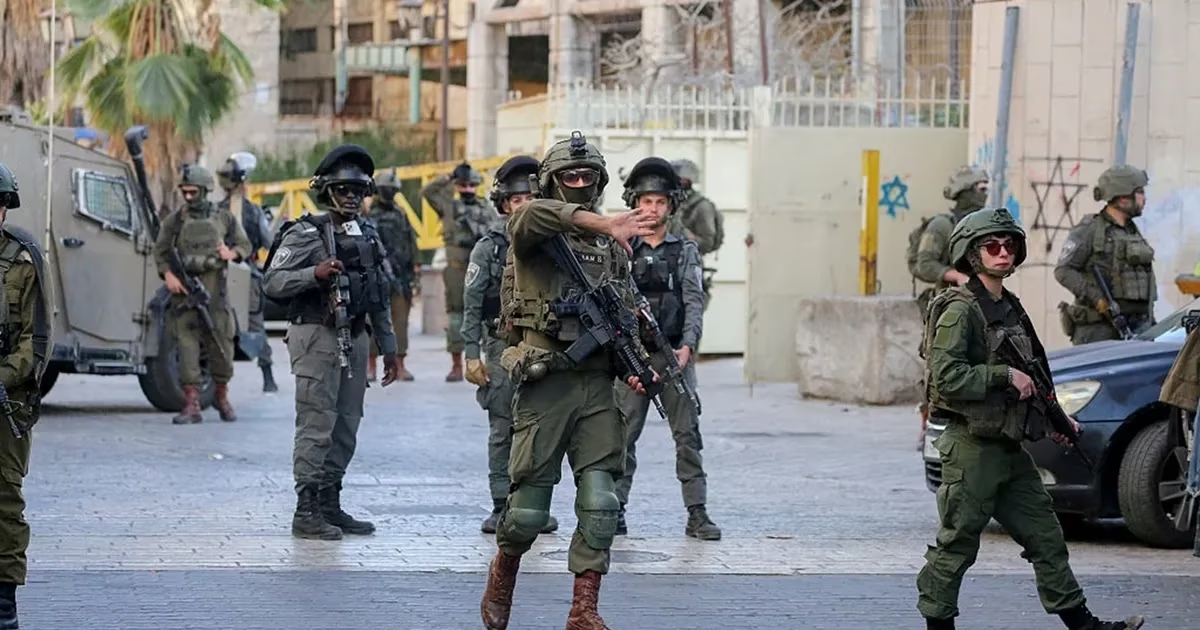
Dr. Abdul Nasser Makki, a researcher in settlement and Jordan Valley affairs, warns of the danger of the decisions taken by the Israeli government regarding the transfer of parts of the West Bank to areas under Israeli civil administration, especially regarding the transfer of powers of Hebron Municipality and the administration of the Ibrahimi Mosque in Hebron and the transfer of its responsibility to the Israeli Civil Administration, in addition to intensifying gates, checkpoints, and Judaization measures in the Old City of Hebron.
Makki believes that these steps aim to strengthen settler control in Hebron, and constitute a direct blow to the concept of peace and the foundations of the Oslo Accords, leading to the weakening of the Palestinian National Authority.
Makki explains that these decisions contradict the arrangements of the Hebron Agreement of 1997, which granted Hebron Municipality responsibilities related to the Ibrahimi Mosque and its surroundings, pointing out that the withdrawal of these powers will lead to a comprehensive change in the reality of the area, and will give settlers freedom of movement and broader control without the intervention of any other party, thus entrenching a reality controlled by settler authority.
Opening Land Registries to Expand Settlement Influence
Makki affirms that opening land registry files in the West Bank to Israelis represents a dangerous development, because it allows direct purchase operations of lands and properties from Palestinians, and opens the door for expanding settlement influence at the expense of the Authority's powers.
Makki believes that the final approval of these measures practically means ending the Oslo phase and pushing towards the reality of Palestinian cantons, indicating the beginning of the implementation of the annexation project.
Makki points out that the Israeli government is proceeding with these policies despite previous American warnings about annexation, considering that there is a division of roles within the Israeli government in the timing of the implementation of these decisions before Israeli Prime Minister Benjamin Netanyahu's visit to the United States.
Annexation to Keep the Palestinian Authority Weak
Makki explains that Israel seeks to gradually annex the West Bank while maintaining a weak Palestinian authority that performs limited administrative functions, pointing out that the influence of the Israeli Civil Administration now effectively extends from areas (C) and (B) and affects aspects of areas (A), including water issues, antiquities, and building demolitions, which means the expansion of Israeli control beyond the traditional classifications of areas.
Makki calls for a shift in Palestinian and Arab positions from condemnation to practical action, through an urgent Arab meeting to confront these policies, in addition to the necessity of a clear American stance that prevents their continuation due to their repercussions on regional stability.
Palestinian, Makki stresses the importance of a comprehensive meeting of the PLO Executive Committee with the participation of all factions, including Hamas and Islamic Jihad, with the aim of unifying ranks in confronting challenges that threaten the future of the Palestinian land and state.
Opening the Door to Widespread Forgery Operations
Suhail Khalilieh, a researcher in settlement affairs, warns that the recent Israeli decisions to withdraw powers from Hebron and Bethlehem municipalities, and to open the way for settlers to own land in the West Bank, represent a dangerous shift aimed at entrenching settlement control over vast areas, especially in areas classified as (C), with direct implications for the legal and geographical realities in the Palestinian territories.
Khalilieh explains that the decision regarding allowing individual settlers to directly purchase lands in various areas of the West Bank, including areas classified according to the Oslo Accords (A), (B), and (C), practically targets areas (C) in particular, due to their large area and strategic importance.
Khalilieh explains that the danger of this step lies in opening the door to widespread forgery operations, coinciding with Israeli plans to register lands in those areas, where landowners are required to provide proof of ownership under conditions he described as impossible for Palestinians.
Khalilieh points out that since 1967, Israel has stopped most land registration and transfer operations outside municipal boundaries, leaving vast areas registered in the names of owners since the Jordanian era, many of whom have died decades ago, and as a result, the number of heirs in many cases has doubled to dozens or hundreds of people, which facilitates the passage of suspicious deals.
Khalilieh affirms that the inability of owners to provide the required documents opens the way for classifying these lands as "state lands," which grants the competent Israeli authorities the power to dispose of them and transfer them to settlements or settlers, with the issuance of official ownership deeds to them at the expense of Palestinians, noting that these measures indicate that they have been planned since the occupation of the West Bank.
Towards Redrawing the Map of the West Bank
Regarding the withdrawal of powers from Hebron Municipality, Khalilieh explains that the goal is to empty the Hebron Agreement of its content, by transferring the powers of the Old City and the Ibrahimi Mosque to the Israeli Civil Administration, in preparation for granting the (H2) area an independent administrative status as a settlement council with planning and construction powers.
Khalilieh points out that this means enabling about 800 settlers to control the area surrounded by more than 120 checkpoints, after years of weakening economic activity, displacing Palestinian families, and expanding settler influence.
Khalilieh points out that the same scenario applies to the area of Bilal ibn Rabah Mosque ("Rachel's Tomb") in Bethlehem, where it is expected to be granted self-settlement administration in preparation for its annexation to the "Greater Jerusalem" plan and its attachment to the Israeli Jerusalem Municipality.
Khalilieh believes that these measures go beyond being separate administrative decisions, and constitute part of a comprehensive political project to redraw the map in the West Bank.
Khalilieh stresses that confronting these developments requires a comprehensive political solution with international intervention because it is a political issue, considering that legal tools and international decisions have become limited in their impact in light of current Israeli policies.
Khalilieh calls for launching serious political action that leads to an international conference that re-raises pending issues within a clear and realistic agreement framework, stressing that dealing with each file separately is no longer effective in confronting a broad project that targets the future of the Palestinian territories.