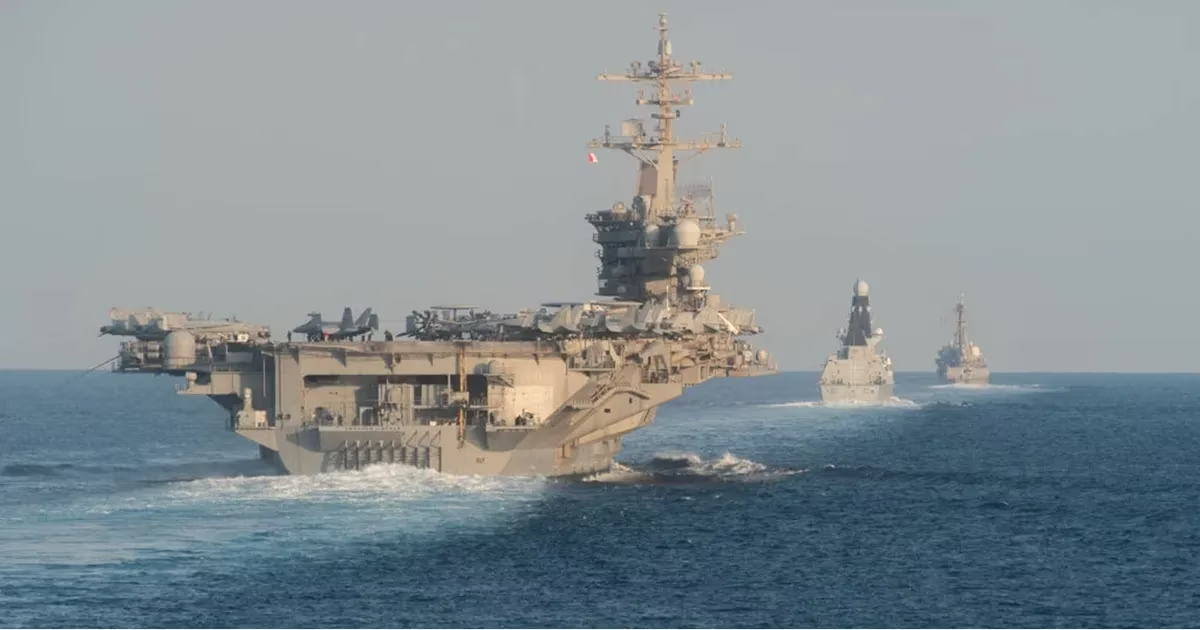







Iranian-American relations are going through one of their most critical periods, with military escalation on the ground intertwined with political and economic pressures that have reached their peak. This complex scene has pushed the region to the brink of an explosion that could reshape the balance of power in the Middle East, making diplomacy an inevitable necessity once again.
The language of dialogue has returned to the forefront through active Omani mediation in Muscat, primarily aimed at preventing the situation from sliding into an uncalculated, comprehensive confrontation. These moves reflect both parties' desire to explore alternative paths to the language of threats that prevailed in recent months, despite continued mutual apprehension.
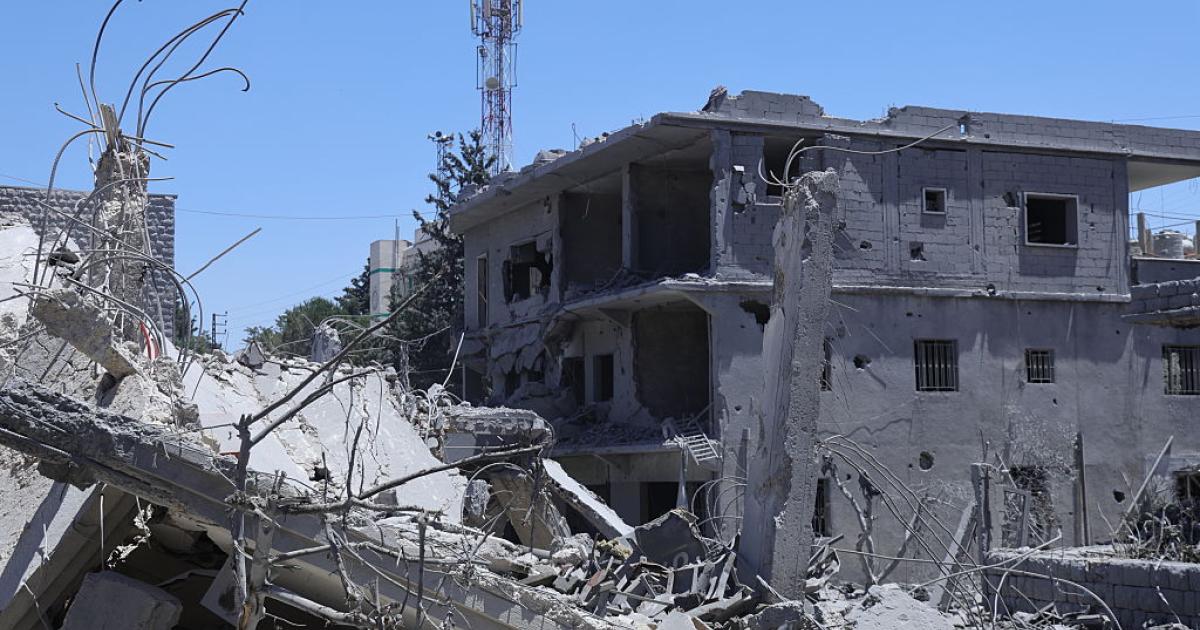
The recent period witnessed a series of reciprocal military strikes targeting sensitive sites, revealing the limits of each party's military power. Washington realized that any widespread attack could ignite multiple fronts in the region, leading to catastrophic disruptions in global energy markets and oil prices.
In contrast, Tehran finds itself facing an internal economic predicament due to ongoing sanctions and the deteriorating value of the local currency, increasing social pressures. Despite possessing regional deterrence tools, entering a direct war with the United States could seriously threaten the stability of the political system.
Through the negotiation table, the United States seeks to achieve high demands that go beyond the nuclear file to include ballistic missiles. The American administration believes that any sustainable agreement must ensure the containment of Iran's regional influence and redraw the map of powers to serve the interests of its allies in the region.
For its part, Iran treats these negotiations as a tool to defend its supreme strategic interests, declaring its categorical rejection of expanding the scope of discussion to include its defensive capabilities. Iran's primary focus is on the necessity of lifting economic sanctions and ensuring the unimpeded flow of oil exports without international obstacles.
Tehran also insists on obtaining legal guarantees that prevent any future US administration from unilaterally withdrawing from the agreement, as happened in 2018. This demand represents a stumbling block in the negotiations, given the nature of the American political system and the difficulty of providing commitments that transcend administrations.
Observers believe that political realism may compel both parties to accept a 'temporary agreement' or what is known as a minimum deal for now. This formula is based on Iran freezing high uranium enrichment levels in exchange for a gradual and programmed easing of some economic sanctions.
Any potential breakthrough in the Muscat track will immediately cast its shadow on hot files in Yemen, Iraq, Syria, and Lebanon. Major understandings between Washington and Tehran often translate into de-escalation on the ground in arenas witnessing Iranian influence, which could open the door for local political settlements.
On the other hand, analysts warn that the failure of this round of negotiations could open the door to an unprecedented phase of escalation. In the absence of a diplomatic solution, parties may resort to harsh options, including broader military strikes and an increase in sectarian and political tension.
Washington realizes that the 'maximum pressure' policy has not fully succeeded in changing Iranian behavior but has pushed Tehran towards more nuclear intransigence. This realization prompts some wings in the American administration to prefer the diplomatic path as the least bad and costly option at present.
For Iran, the nuclear program represents a powerful bargaining chip that cannot be relinquished without a rewarding economic and political return. Tehran uses the pace of enrichment as a tool to improve its negotiating terms, constantly emphasizing that its program has peaceful objectives despite widespread international skepticism.
The current conflict represents a battle over the shape of the upcoming regional order in the Middle East, not just a technical dispute over centrifuges. The negotiations are a real test of both parties' ability to make painful concessions in exchange for achieving relative stability that serves their internal and external interests.
In conclusion, the region remains suspended between hopes of diplomatic success and fears of military failure, as regional capitals await the outcomes of the Muscat meetings. Either political pragmatism will prevail and lead to long-term de-escalation, or everyone will slide into a confrontation that could set the region back years.
Direct confrontation has become more costly than sitting at the negotiating table for both parties in light of current economic and geopolitical crises.
Share your opinion
Muscat Negotiations: Can Omani Mediation Succeed in Defusing the Confrontation Between Washington and Tehran?