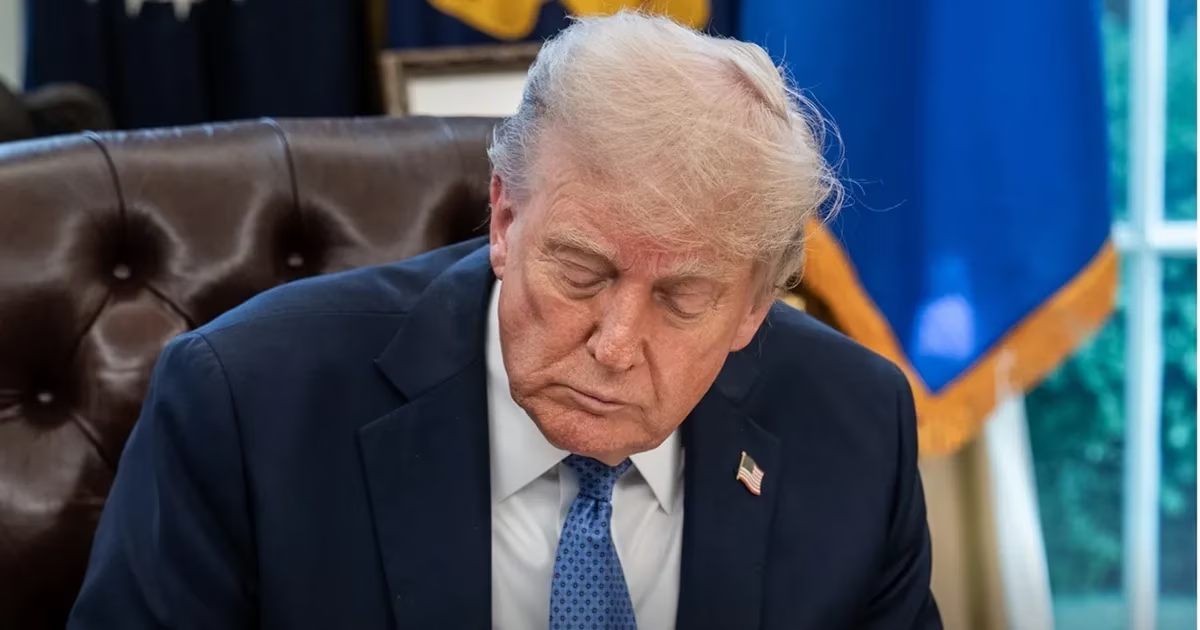







Political circles in Washington witnessed a state of turmoil following sharp statements made by US President Donald Trump, targeting a number of Republican Party leaders who oppose the preliminary agreement with Iran. Trump hinted at imposing severe political consequences on anyone who tries to obstruct the new diplomatic path led by his administration, stressing that the stage requires unity behind the White House's decisions.
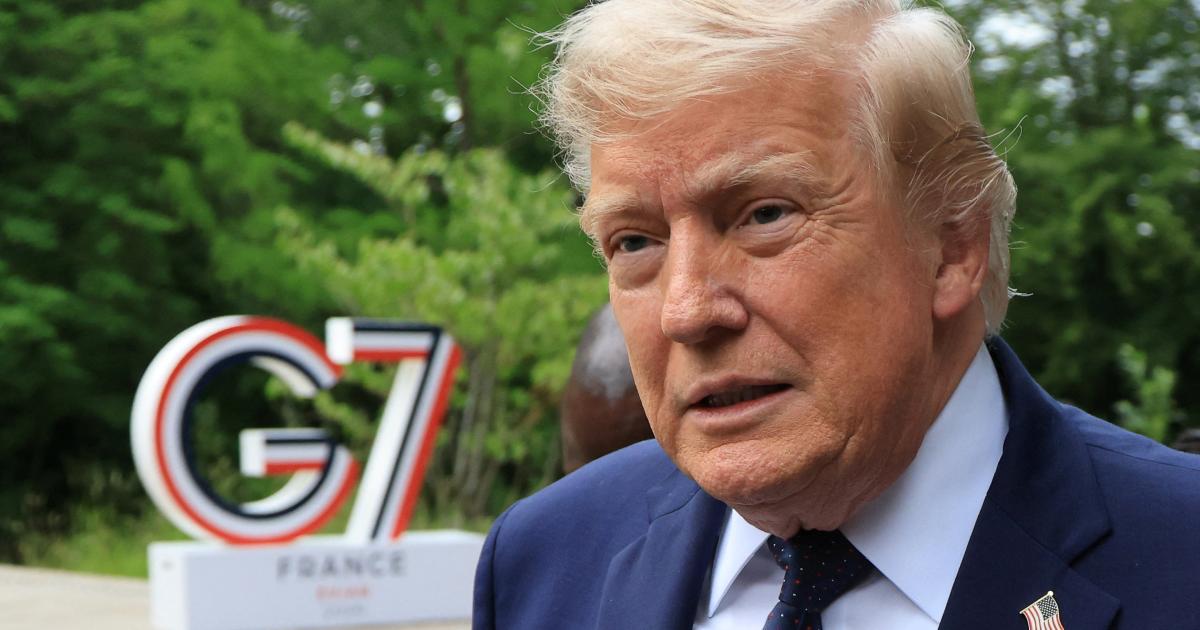
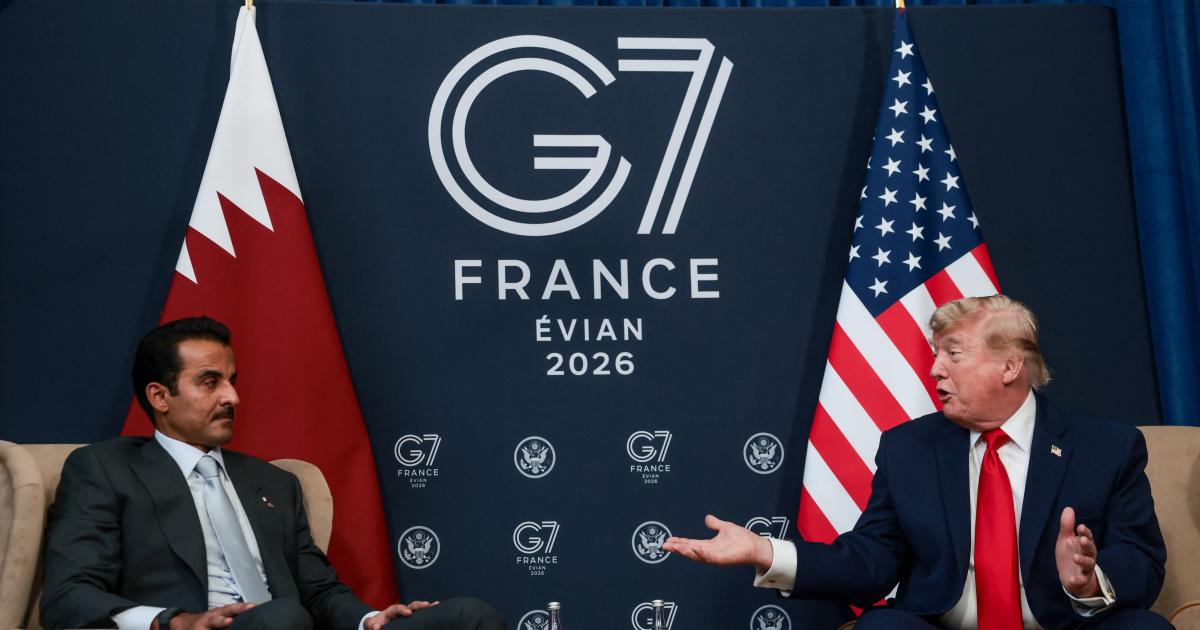
These threats came during Trump's participation in the G7 summit held in France, where he was asked about the position of prominent Republican figures who had expressed public reservations about the terms of the agreement. Sources reported that the US President appeared firm in his response, indicating that any questioning of the feasibility of understandings with Tehran would face a strong political reaction within the party's corridors.
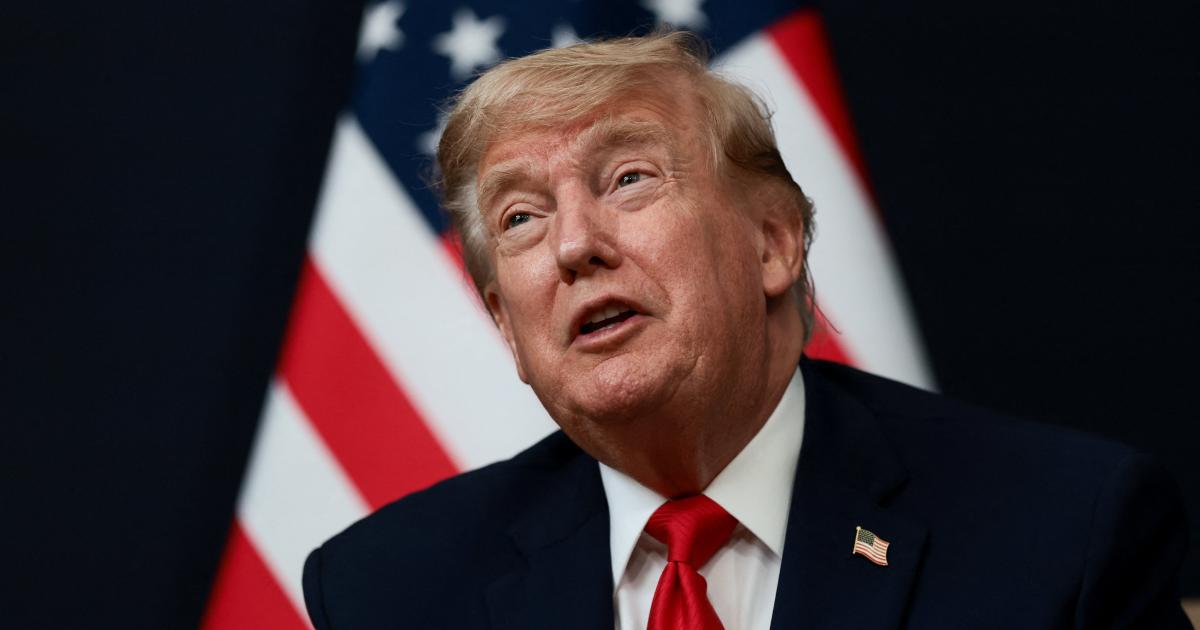
Trump specifically mentioned Senator Lindsey Graham, one of his most prominent traditional allies, warning him against continuing to question the undeclared agreement. Trump said in a tone not devoid of threat: 'If he's skeptical, he's going to be in big trouble,' before adding in a softer tone: 'I think he's fine,' in an attempt to contain the situation while maintaining the warning message.
These developments come at a time of deep division within the US Congress over the announcement of a preliminary agreement to cease hostilities between Washington and Tehran. Lawmakers express a mix of cautious optimism and scathing criticism due to the absence of official details about the terms of this agreement, which has led to escalating demands for full transparency from the administration.
Press reports indicated that a large number of Republican lawmakers refused to give their full support to the current steps, preferring to wait until the original documents are revealed. These lawmakers stressed that they would not rely on what they described as 'propaganda reports' promoted by Iranian media, emphasizing the need for them to see the full text of the agreement.
In this context, Republican Senator Tom Tillis mocked the ambiguity surrounding the ongoing understandings, questioning how to seriously deal with an agreement described as secret. Tillis considered that the lack of clarity weakens the credibility of American moves in the Middle East, and creates a state of uncertainty for allies and lawmakers alike.
Despite the criticism, members of both the Democratic and Republican parties welcomed progress on the thorny Iranian issue, but they all agreed on the need to present the details to the relevant committees. Observers believe that this agreement may reshape the features of the American role in the region, which requires national consensus that transcends narrow partisan differences.
For his part, Senator Lindsey Graham had linked in previous statements the success of any path with Iran to its ability to enhance regional stability through the Abraham Accords. Graham stressed that the most important strategic goal must remain to permanently halt Iran's nuclear ambitions, and to ensure the decline of Tehran's destabilizing role in neighboring countries.
Graham believes that expanding the path of normalization in the region represents the real guarantee for the success of any understandings with the Iranian side, stressing that the countries of the region must be convinced of a change in Tehran's behavior. He added that any agreement that does not lead to greater integration of Israel into the regional system will be considered incomplete and will not achieve the desired peace.
Informed sources explained that there is concern within the Republican Party that the new agreement will lead to a reduction of pressure on Iran without obtaining fundamental concessions. Lawmakers are demanding strict guarantees that prevent Tehran from using the expected financial returns to fund its proxies in the region or develop its missile programs.
In his assessment of the field situation, Graham indicated that Iran and its proxies have suffered significant strategic weakness during the past period, which puts them in a weaker negotiating position. He considered that their ability to produce additional nuclear capabilities has become very limited thanks to the continuous military and intelligence pressures they have been subjected to.
Analyzes indicate that Trump, through his attack on critics, seeks to impose a fait accompli before the upcoming elections, considering the agreement with Iran a major diplomatic achievement. However, this approach clashes with the desire of lawmakers to exercise their full oversight role over foreign policy, especially in matters directly affecting national security.
The question remains about the White House's ability to convince skeptics within the Republican Party of the feasibility of this path, in the absence of a written text that can be built upon. Political circles are awaiting what the coming days will reveal in terms of more details that may calm the fears of opponents or intensify the confrontation.
In conclusion, this internal conflict in Washington represents a real test of Trump's influence within his party, and his ability to pass major deals in the Middle East. While the president relies on political decisiveness, lawmakers insist that transparency and parliamentary oversight are the only way to ensure the protection of supreme American interests.
If he's skeptical, he's going to be in big trouble. I think he's fine.
Share your opinion
Trump threatens opponents of Iran deal within Republican Party with 'big trouble'