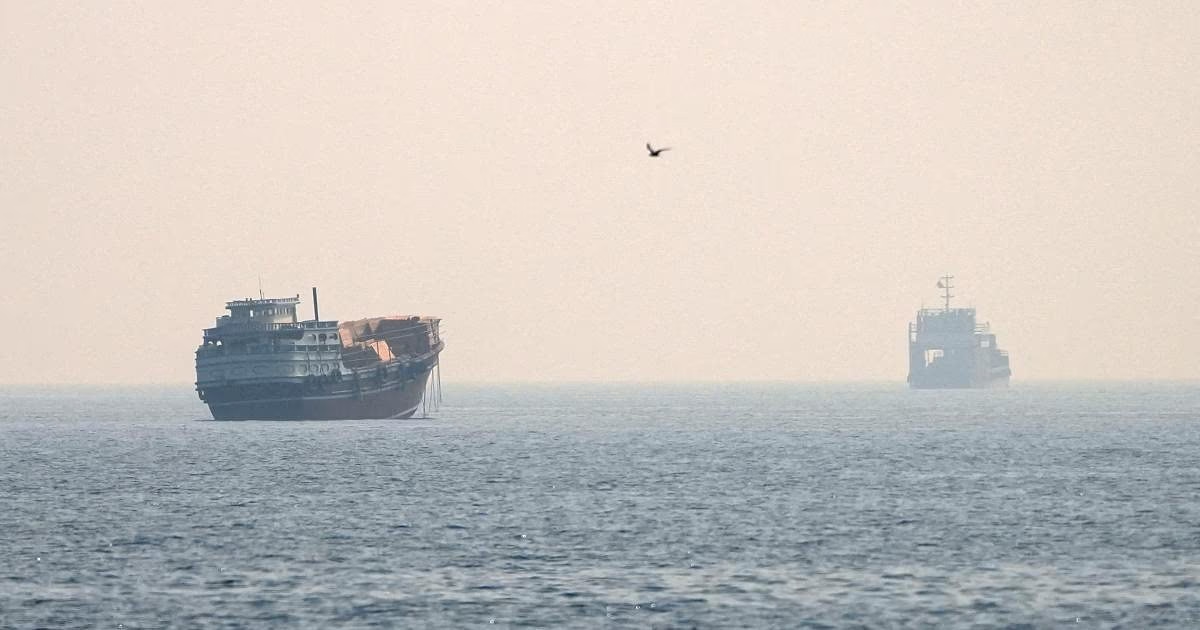







Diplomatic movements are accelerating at regional and international levels in an attempt to contain the escalating tension between Iran and the United States. Multiple mediations are seeking to bring both parties back to the negotiating table, at a time when Tehran insists on balancing its high military readiness with keeping channels of dialogue open to avoid the region sliding into a comprehensive confrontation.
Informed sources reported that the Iranian Ministry of Foreign Affairs and military leaders have not closed the door to diplomacy despite the intensity of mutual rhetoric in recent days. Tehran affirms that it will not succumb to pressure or military threats, while emphasizing the necessity for Washington to adhere to its legal commitments outlined in previous memoranda of understanding between the two parties.
Fundamental points of contention hinder progress in the political track, foremost among them being Article 13 of the joint memorandum of understanding. This article concerns the necessity for the United States to release Iranian funds held abroad, an issue that Tehran considers a real test of the American side's seriousness in any future settlement.
The energy file also represents an additional stumbling block, especially after Washington announced the cancellation of exemptions related to Iranian oil exports and their financial revenues. Observers believe that this development imposes itself as a key item on the agenda of any potential meetings, as Tehran demands the lifting of restrictions imposed on its oil sector as a condition for de-escalation.
In a related context, the interpretation of Article 5 of the memorandum of understanding, concerning the mechanism for dealing with the Strait of Hormuz, remains a point of political and legal clash between the two capitals. There is a sharp divergence regarding how to implement security arrangements in the strategic waterway, which further complicates reaching a consensual security formula that ensures freedom of navigation and regional stability.
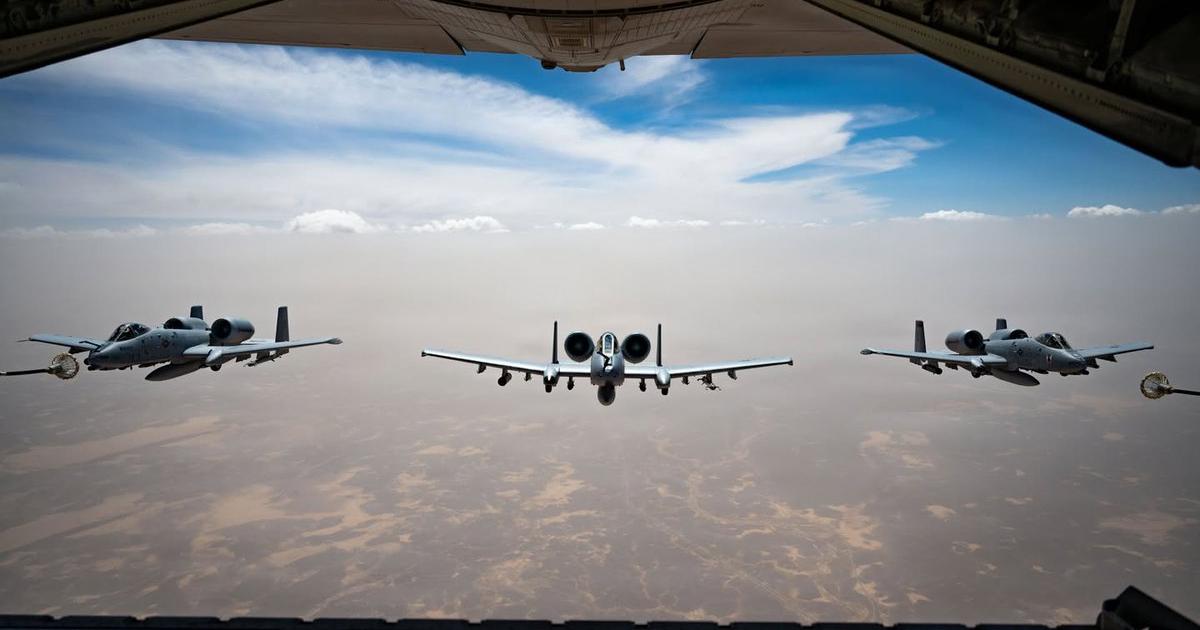
On the ground, the past hours witnessed an unprecedented escalation after the US Central Command (CENTCOM) carried out a series of extensive airstrikes. The attacks targeted approximately 90 military sites within Iranian territory, including advanced air defense systems, ballistic missile and drone storage facilities, as well as naval logistics bases.
Iran's Revolutionary Guard responded immediately by targeting American military bases in Kuwait, Bahrain, and Jordan. Military commanders in Tehran warned that the scope of attacks would expand significantly if American strikes continued, asserting that they have the capability to reach all American interests in the region.
Despite this direct confrontation, official Iranian statements indicate that the negotiation path has not yet ended, but it has become closely linked to a cessation of hostile operations. Regional capitals are watching the outcomes of this confrontation with great concern, amidst fears of mediations failing to defuse the crisis before it is too late.
Questions remain about diplomacy's ability to withstand the roar of explosions, given each party's adherence to its political and field conditions. While Washington insists on undermining Iranian military capabilities, Tehran refuses to make any concessions under the weight of bombardment, leaving the region open to all possibilities.
Iran has affirmed from the outset that the diplomatic path continues in parallel with military readiness to deal with any emergency developments.
Share your opinion
Diplomacy Under Fire: Tehran Insists on Negotiation Despite Military Escalation with Washington