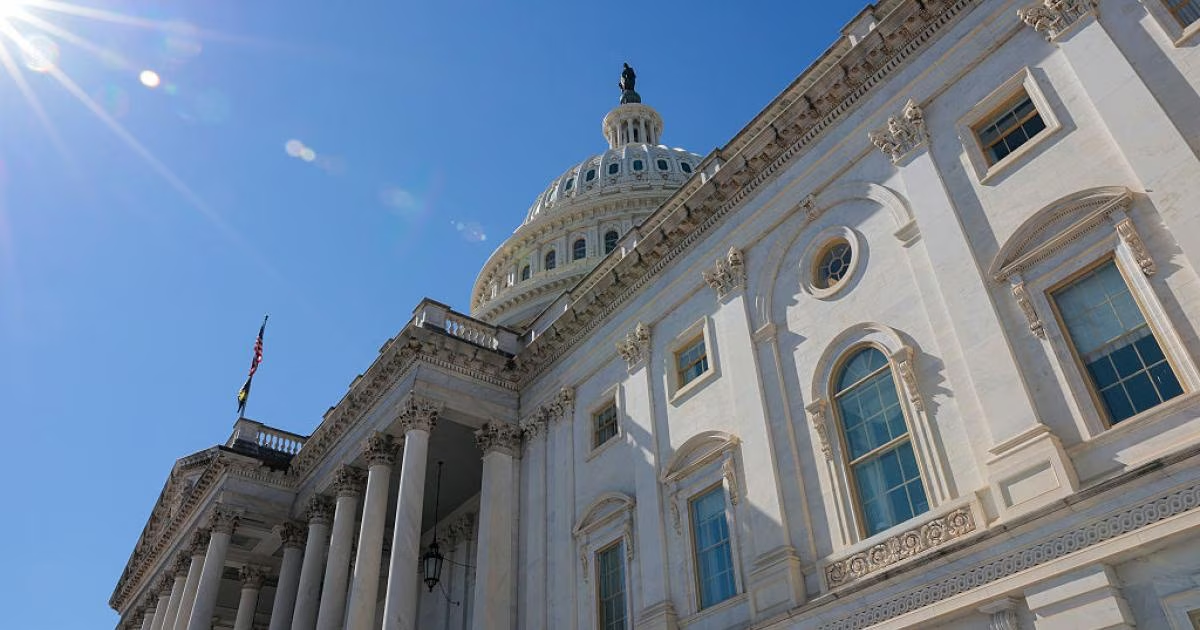







The US Senate, controlled by the Republican Party, approved a bill aimed at ending military operations directed against Iran. This decision passed with a majority of 50 votes to 48, reflecting growing political concern within Washington regarding the continuation of armed conflict, despite the diplomatic efforts led by the current administration to reach a peace agreement with Tehran.
This vote is a continuation of a similar step taken by the House of Representatives earlier this month, highlighting the escalating legislative reservations towards the war that erupted on February 28th. A number of Republican lawmakers joined their Democratic colleagues in supporting the decision, indicating a crack in the unified stance within the President's party regarding foreign policy.
Politically, this move represents a moral blow to President Donald Trump, especially as it comes at a sensitive time in the ongoing negotiations with the Iranian side. Although the procedural rules within Congress may not force the President to use his veto power, the political message reflects a loss of complete control over the war file within the halls of Capitol Hill.
President Trump had launched a sharp attack on previous legislative moves in the House of Representatives, describing them as 'unpatriotic.' He accused his political opponents of trying to obstruct his foreign victories, considering that Democrats and some dissenting Republicans prefer to see the country fail rather than acknowledge his administration's successes in managing the crisis.
This legislative attempt comes within the framework of efforts led by Democrats to restrict the President's military powers, as they accuse the White House of exceeding constitutional mandates. Lawmakers emphasize that the US Constitution limits the power to declare wars to Congress, while the President's role is limited to responding to imminent threats with the necessity of returning to Parliament within two months.
Data indicates that the US administration exceeded the 60-day legal deadline last May, justifying it by stating that the conflict, which began with joint strikes with Israel, had effectively ended. However, the Democratic opposition rejects these justifications, asserting that the military presence on the ground is still ongoing despite the recently announced truce.
In the context of the parliamentary debate, Democratic Minority Leader Chuck Schumer stated that the American people are paying the price for what he described as Trump's 'historic mistake' in starting this war. In contrast, Republican senators warned that this decision could weaken Washington's negotiating position, which might prompt the Iranians to withdraw from the diplomatic talks table.
Concurrently with the political moves, recent opinion polls conducted by international media sources showed that only a quarter of Americans believe there is a real justification for the war on Iran. The data revealed a sharp decline in President Trump's popularity to 34%, his lowest rating since the beginning of his second presidential term, amidst public fears of a truce collapse.
The survey results showed that a large segment of the American public believes that the United States' global standing has become weaker as a result of this conflict. Also, 63% of participants expressed doubts about the ability of recently signed agreements to achieve sustainable peace, a pessimistic view shared by a large part of supporters of both the Republican and Democratic parties alike.
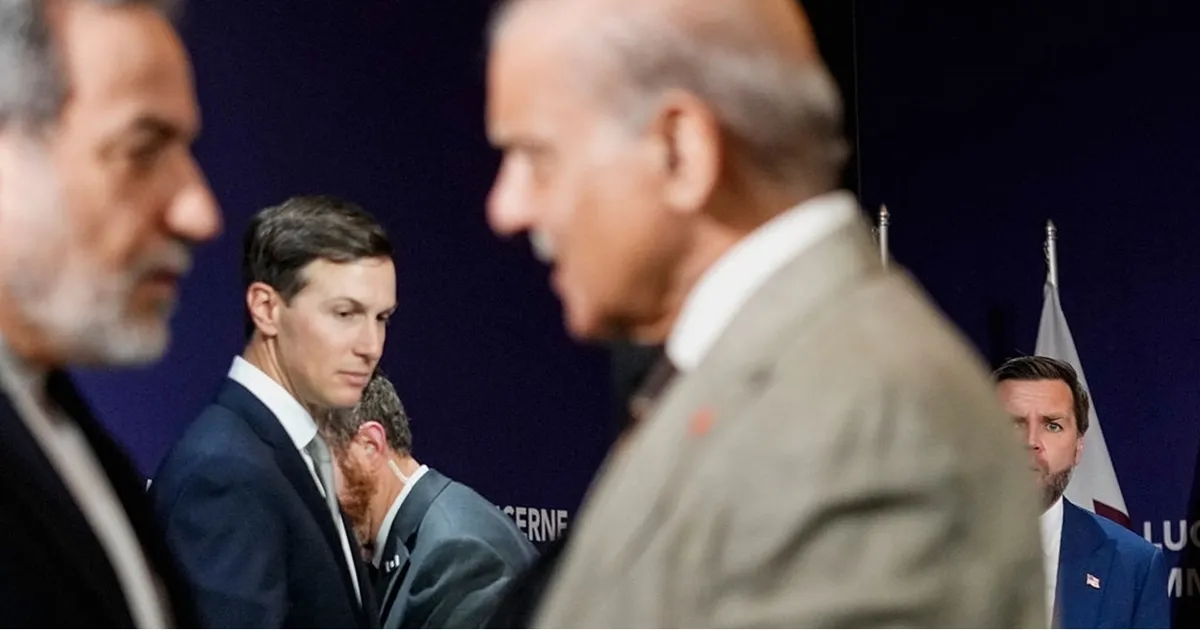
On the diplomatic front, the Swiss resort of Bürgenstock witnessed an intensive round of talks between American and Iranian officials earlier this week. These meetings fall within the framework of the 'Islamabad Memorandum of Understanding,' which aims to establish a roadmap for ending the joint military operations launched by Washington and Tel Aviv against Iranian targets.
In mid-June, the parties announced reaching a preliminary agreement consisting of 14 basic articles to address outstanding issues. The agreement stipulates a transitional period of several weeks, during which all hostilities will cease and a comprehensive negotiation process will begin, aimed at resolving the contentious issues that led to the outbreak of military confrontation.
Despite the lifting of the naval blockade on Iranian ports as a gesture of goodwill, tension remains dominant in American political circles. The question remains about the administration's ability to balance internal legislative pressures with the requirements of the complex diplomatic path with Tehran amidst a sharp division in public opinion.
Americans paid the price for Trump's historic mistake in Iran, and he should never have started this war.
Share your opinion
US Senate Votes to Halt Military Operations Against Iran