





Warnings are escalating about an unprecedented environmental and health catastrophe in the Gaza Strip, where thousands of displaced Palestinians find themselves forced to live in dilapidated tents next to massive landfills. This crisis is a result of the destruction of infrastructure and homes during military operations, pushing families to seek shelter in areas lacking the most basic public safety requirements.\n\nLocal sources reported that the accumulation of waste in streets, residential neighborhoods, and displacement camps poses a direct threat to the lives of residents. This deterioration is due to the inability of municipal crews to access the main landfills located in the eastern border areas, as a result of security restrictions and a lack of machinery and fuel necessary for transportation and processing operations.\n\n The Joint Services Council for Solid Waste Management in the central and southern parts of the Strip warned that the continuation of this situation portends the outbreak of deadly epidemics. Foul odors and toxic fumes resulting from spontaneous or deliberate burning of garbage spread around these landfills, creating a fertile environment for the proliferation of disease-carrying insects and rodents.\n\nChildren, in particular, suffer from the spread of acute skin and intestinal diseases due to direct contact with pollutants in these areas. The danger increases as families are forced to use materials extracted from waste, such as plastic and paper, as alternatives to missing fuel for cooking and heating inside their worn-out tents.\n\nIn a field testimony, displaced person Atta Maarouf explained that living near the landfill was not a choice but was imposed by harsh circumstances and the lack of housing alternatives. He pointed out that the absence of cooking gas and fuel forced them to scavenge through garbage for any flammable materials, emphasizing that extreme poverty compelled some to turn these landfills into their sole source of livelihood.\n\nEconomic reports indicate a tragic reality, with unemployment rates in the Strip soaring to nearly 80% according to World Bank estimates. This comprehensive economic collapse has made the majority of families entirely dependent on scarce humanitarian aid entering through heavily controlled crossings.\n\nIn Gaza City, a painful scene unfolds of children scavenging through piles of garbage, not only in search of items to sell but also for food scraps to satisfy their hunger. These scenes come after international bodies declared an actual famine in northern areas, with expectations of its spread to central and southern areas amid the ongoing siege.\n\nThirteen-year-old Samer Wadih spoke of suffering repeated injuries while searching through waste, noting that hunger sometimes drives them to eat whatever scraps they find. This testimony reflects the scale of the humanitarian tragedy experienced by the younger generation in the absence of food security and basic health services.\n\nFor her part, displaced person Shurooq Abdel Aal expressed her deep concern for her children, who suffer from a continuous rise in temperatures and mysterious symptoms. She said that insects constantly invade their tents, demanding the provision of safe and clean shelter to protect her family from a slow death amidst the waste.\n\nOn the international level, the regional director of the World Health Organization warned that the outbreak of diseases in Gaza would not remain confined within its borders. She affirmed that continuous restrictions on the entry of medical aid and fuel hinder any real efforts to contain the successive health crises affecting overcrowded displacement centers.\n\nDespite a ceasefire agreement, the situation on the ground has not seen a tangible improvement in service and environmental aspects. Municipalities still lack the heavy equipment needed to remove rubble and rehabilitate landfills, making waste management an almost impossible task given the currently available resources.\n\nCivil defense sources confirm that the spread of waste near displaced persons' gatherings represents a ticking time bomb that could explode at any moment in the form of a widespread epidemic. These bodies demand international pressure to allow the entry of specialized machinery and spare parts necessary to restart the public sanitation system in various governorates of the Strip.\n\nThe continued prevention of the entry of mobile homes and building materials exacerbates the housing crisis, forcing citizens to remain in unhealthy environments for long periods. This imposed siege prevents any attempts at reconstruction or even the restoration of vital facilities that have been extensively damaged over the past two years.\n\nIn conclusion, the landfill crisis remains another face of the suffering of Gaza's residents that did not end with the cessation of military operations. Between the hammer of hunger and the anvil of epidemics, Palestinians continue their struggle for survival under living conditions described by international reports as unfit for human life.\n\n"We collect paper, nylon, and firewood to light fires for baking and cooking, as there is no gas or fuel, and the lack of income has forced us to work inside the landfills despite their dangers.

PALESTINE
Mon 20 Apr 2026 10:43 am - Jerusalem Time
Gaza Landfills: Hotbeds of Epidemics and a Last Resort for the Destitute Under Siege

Tags
MORE FROM PALESTINE

Death of the Prisoner Imad Sarhan in Gilboa Prison After 25 Years of Detention
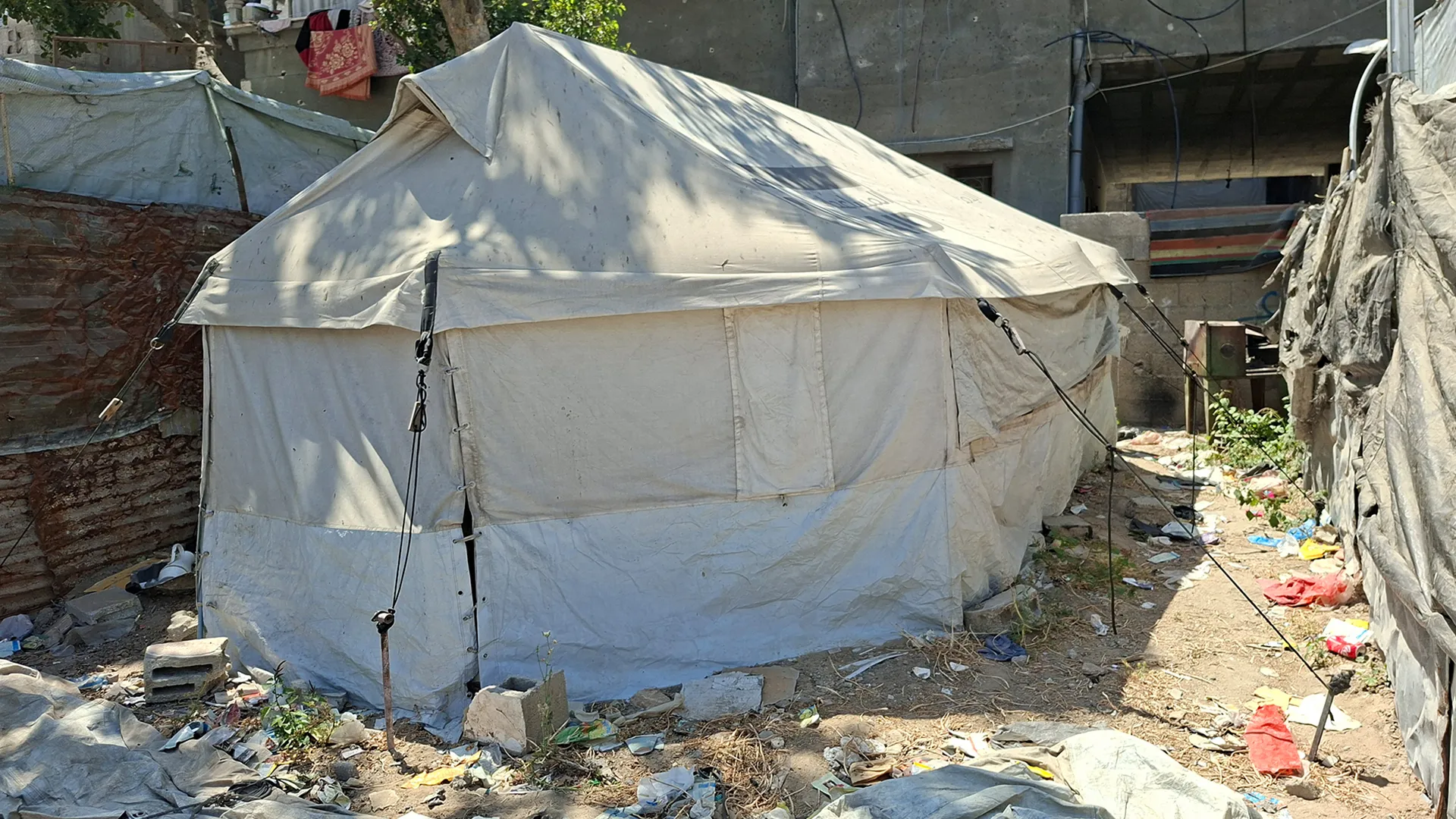
Bodies under displaced persons' tents.. Random graves double the tragedy of unidentified martyrs in Gaza

Tony Blair Joins Leadership of Peace Council's Executive Arm to Manage and Reconstruct Gaza



Share your opinion
Gaza Landfills: Hotbeds of Epidemics and a Last Resort for the Destitute Under Siege