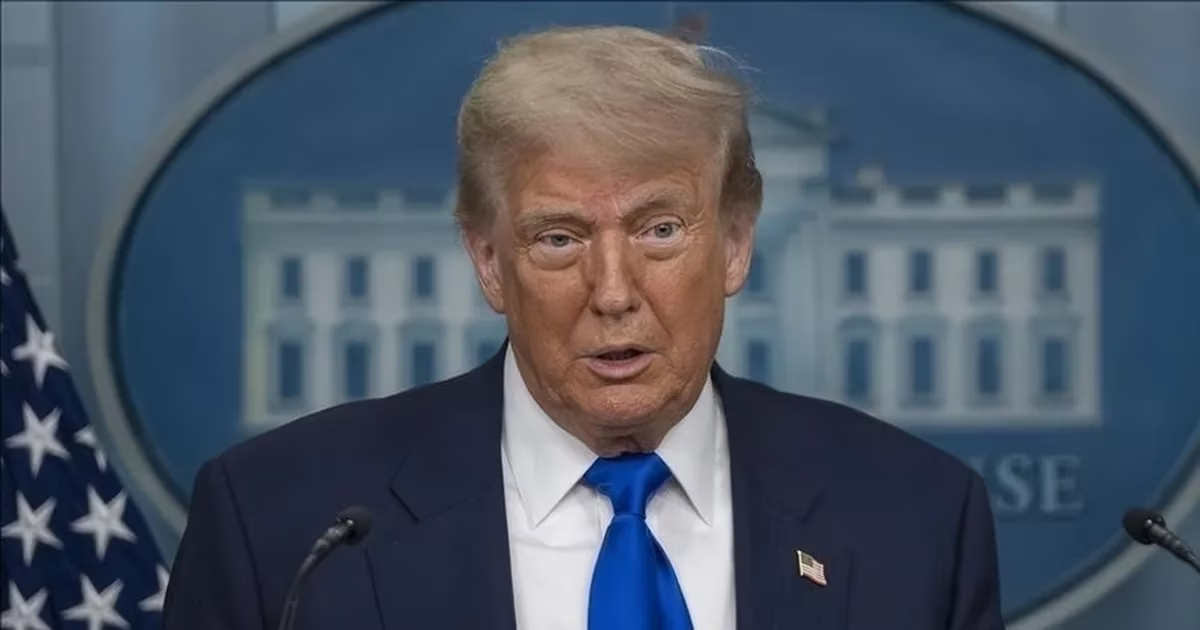







The international arena is witnessing intense diplomatic activity that transcends the boundaries of traditional dialogue, with negotiations hosted in the Pakistani capital Islamabad, and direct talks between Lebanon and Israel in Washington, emerging as new tools in the power struggle. These moves are under direct American patronage, stemming from the principle that negotiations are merely another face of war, aiming to achieve political gains that military and economic options failed to secure on the ground.
The marathon negotiation rounds led by US Vice President JD Vance in Islamabad, which lasted for about 21 hours, revealed an overwhelming American desire to resolve outstanding issues. It appears that the current US administration will not accept returning without tangible results, as the talks were very close to announcing initial understandings that would pave the way for a final and comprehensive agreement ending the current state of tension with the Iranian side.
In contrast, these negotiations showed the cards of strength that Tehran still holds, foremost among them the threat of closing the Strait of Hormuz and controlling the Lebanese trajectory through its allies. Iran clearly linked reaching an agreement with it to stopping military operations against Hezbollah in Lebanon, reflecting the 'unity of fronts' strategy that Washington is trying to dismantle through separate negotiation tracks.
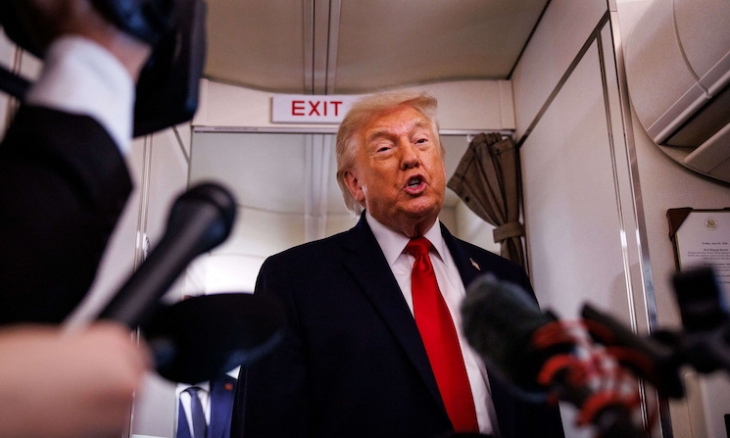
US President Donald Trump, for his part, adopted a rigid stance during the negotiations, stating his desire to get 'everything' and instructing his negotiating team not to concede on any American demands. This approach temporarily pushed the negotiation process into a stalemate, as Vance's round ended with the announcement of failure and a return to Washington instead of signing the anticipated agreement.
Following this, the US administration moved to strip Iran of its pressure cards, imposing a naval blockade on Iranian ports to ensure the Strait of Hormuz remains open to international navigation. On the Lebanese track, Washington sought to pull the 'Lebanese card' from Tehran's hand by sponsoring direct negotiations between Beirut and Tel Aviv, with high-level diplomatic participation including the ambassadors of both parties and the US Secretary of State.
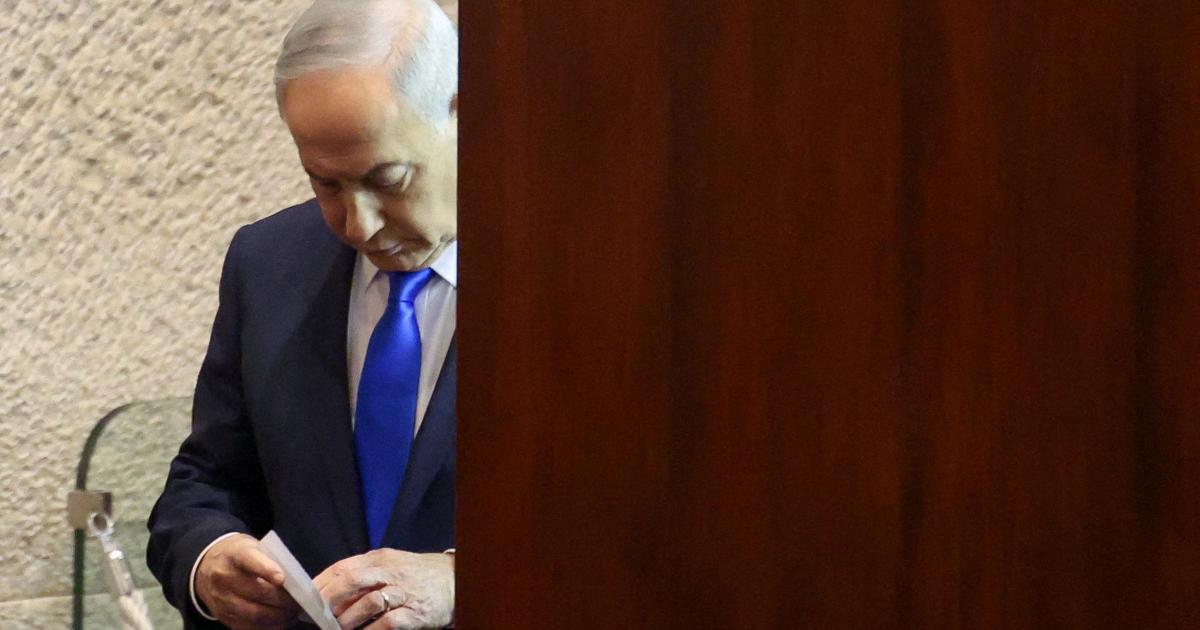
Despite American pressure, the Lebanese side showed resilience in certain positions, with Lebanese President Joseph Aoun rejecting attempts to arrange direct contact with Israeli Prime Minister Benjamin Netanyahu. The Lebanese presidency stipulated a complete cessation of Israeli aggressions before engaging in any direct communication, reflecting the complexity of the scene and the intertwining of security and political issues.
In a related context, the pressure exerted by Trump on Netanyahu led to a relative calm and a ceasefire in southern Lebanon, coinciding with Israel's pursuit of long-term political goals. Tel Aviv hopes through these negotiations to transform the issue of Hezbollah's weapons into an internal Lebanese matter, while maintaining a 10-kilometer deep buffer zone within Lebanese territory as a fait accompli.
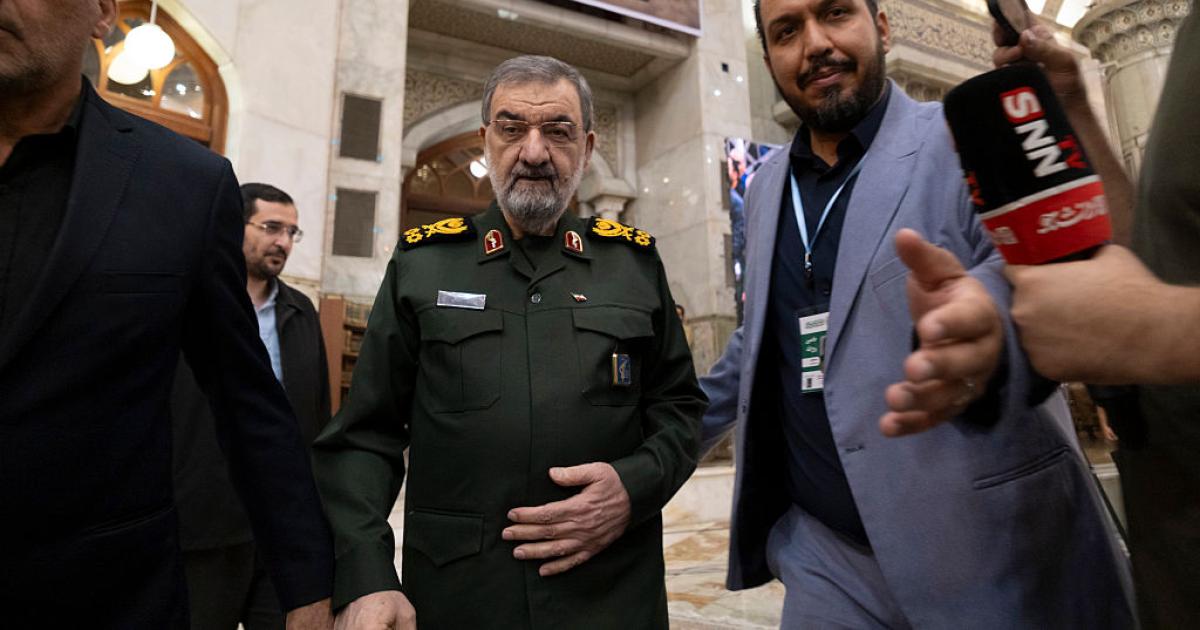
As for the Iranian side, estimates indicate that the new regime may show unprecedented flexibility on the nuclear file in exchange for saving the deteriorating economic situation. Reconstruction, improving living standards, and providing essentials for citizens have become priorities that supersede nuclear ambitions, which may open the door for handing over nuclear stockpiles in exchange for the release of billions held in international banks.
The current truce has given all regional and international powers an opportunity to recalculate, from the warring parties to countries affected by the disruption of energy supplies such as China, Japan, and the European Union. These powers collectively pressure the US administration to succeed in the political track, fearing the repercussions of a negotiation collapse on the global economy, already exhausted by the consequences of ongoing wars.
In conclusion, we are facing a difficult birth of what is called 'peace by force,' as the region awaits crucial dates in April 2026 with the expiration of the current truce deadlines. Scenarios oscillate between signing historic agreements that end the conflict, extending deadlines to give diplomacy an additional chance, or returning to the square of comprehensive fighting that this time may be devastating for everyone without exception.
What could not be achieved by military or economic war, the parties seek to achieve through political war and direct negotiations, which are a continuation of the battlefield.
Share your opinion
War of Negotiations: Can Coercive Diplomacy Succeed Where the Military Machine Failed?