






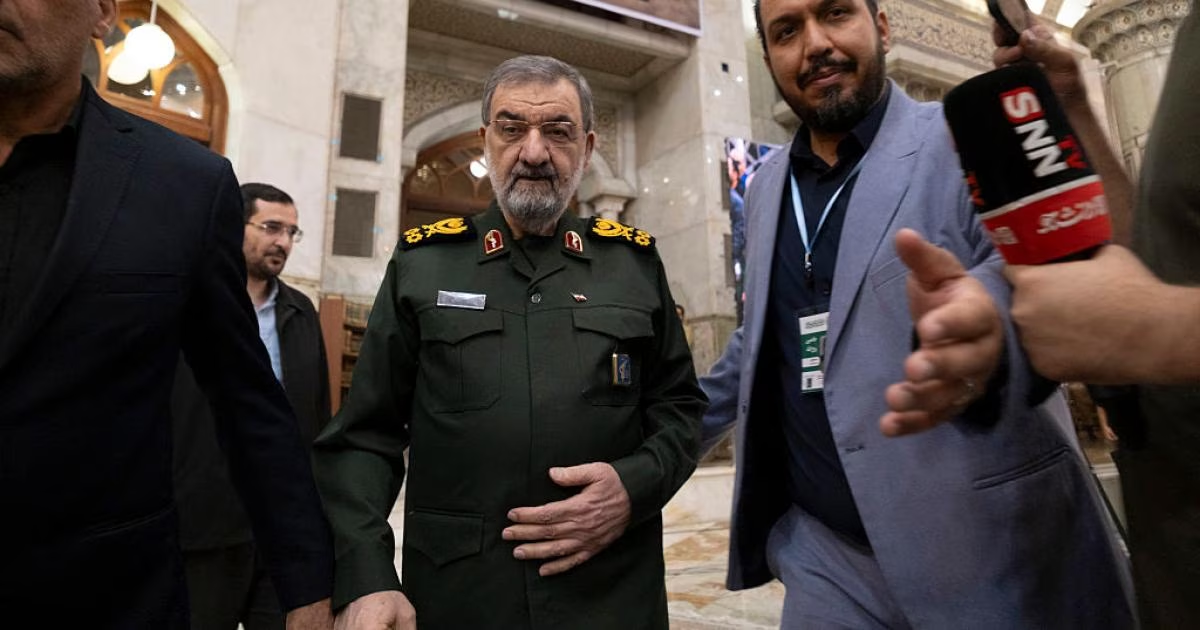
Mohsen Rezaei, advisor to Iran's Supreme Leader, announced that reaching any political agreement with the current US administration is contingent on a practical step: the release of detained Iranian assets. Rezaei clarified that the value of these assets amounts to $24 billion, emphasizing that this demand represents the cornerstone of any future negotiations between the two parties to end the existing state of tension.
In a related context, Iranian diplomatic sources revealed details of the proposed timeline for receiving these funds, with Tehran demanding $12 billion immediately upon signing the memorandum of understanding. Kazem Gharibabadi, Deputy Foreign Minister for Legal Affairs, indicated the necessity of scheduling the remaining amounts to be paid within a period not exceeding 60 days, which is the specified duration for technical negotiation rounds.
The Islamic Republic insists on the necessity of lifting all economic sanctions that Washington reimposed after its unilateral withdrawal from the nuclear deal in 2018. Tehran views the restoration of access to its frozen funds abroad as a legal right that cannot be waived, considering that the continued freezing of these assets hinders any real progress in the stalled diplomatic path between the two countries.
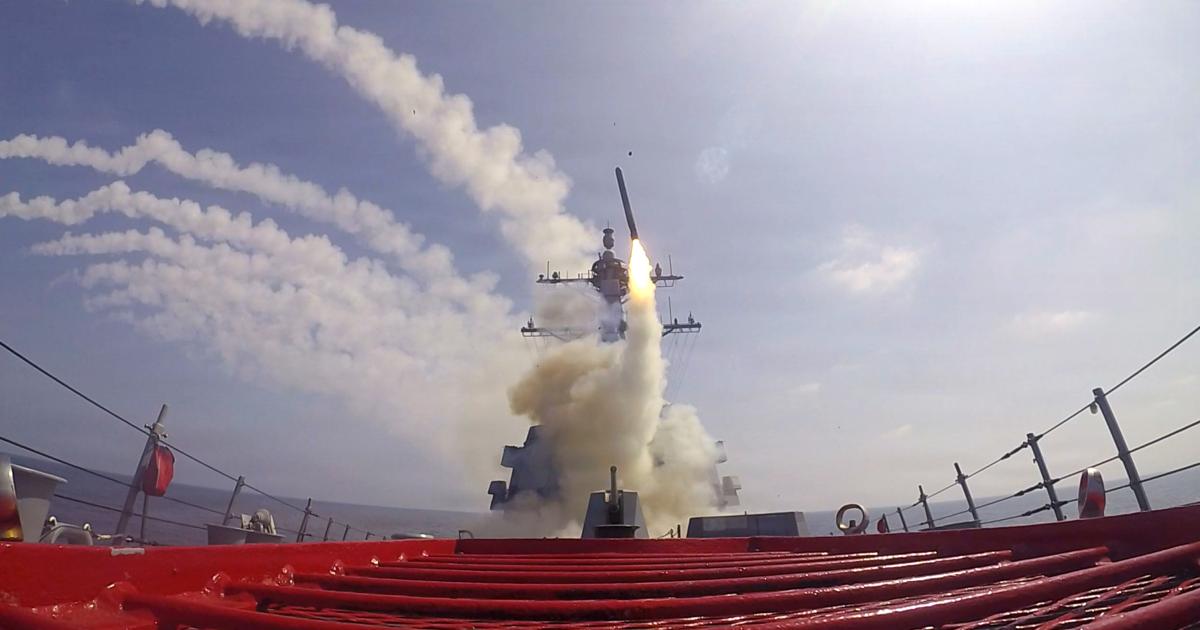
On the ground, the Gulf of Oman region witnessed a remarkable military development, as the Iranian armed forces announced the execution of a 'warning missile' operation targeting two US Navy destroyers. A military statement mentioned that the American ships were forced to change their course and leave the area towards the Indian Ocean after these missile volleys, the exact date of which Tehran did not specify.
The Iranian army described the US Navy's movements in the region as 'illegal acts,' calling the forces present there 'terrorist.' The statement affirmed that these operations come within the framework of defending Iranian maritime sovereignty and confronting the threats posed by foreign warships in the strategic waterways near the Strait of Hormuz.
In contrast, the US Central Command (CENTCOM) quickly denied the Iranian narrative in its entirety, asserting that its ships had not been subjected to any attack or gunfire. Washington considered such claims a blatant violation of the ceasefire agreement that came into effect on April 8, warning of the repercussions of spreading misleading information about navigation security.
US military sources stressed that their forces continue to move freely in international waters and are committed to carrying out their missions, including the blockade measures imposed on Iranian ports. These verbal and field skirmishes threaten the fragile truce recently reached, amid stalled negotiations aimed at ending the state of military hostility that erupted last February.
The region is experiencing a state of constant alert since the expansion of regional confrontations, with Iran imposing strict control over the Strait of Hormuz in response to US movements. Despite the existence of communication channels aimed at reaching a final agreement, the gap between Tehran's financial demands and US security requirements still hinders the achievement of a comprehensive settlement to end the crisis.
Any potential agreement between Washington and Tehran depends on the approval of US President Donald Trump's administration to release frozen Iranian assets worth $24 billion.

Share your opinion
Escalation in the Gulf of Oman: Iran Demands $24 Billion for Agreement and Announces Targeting of American Destroyers