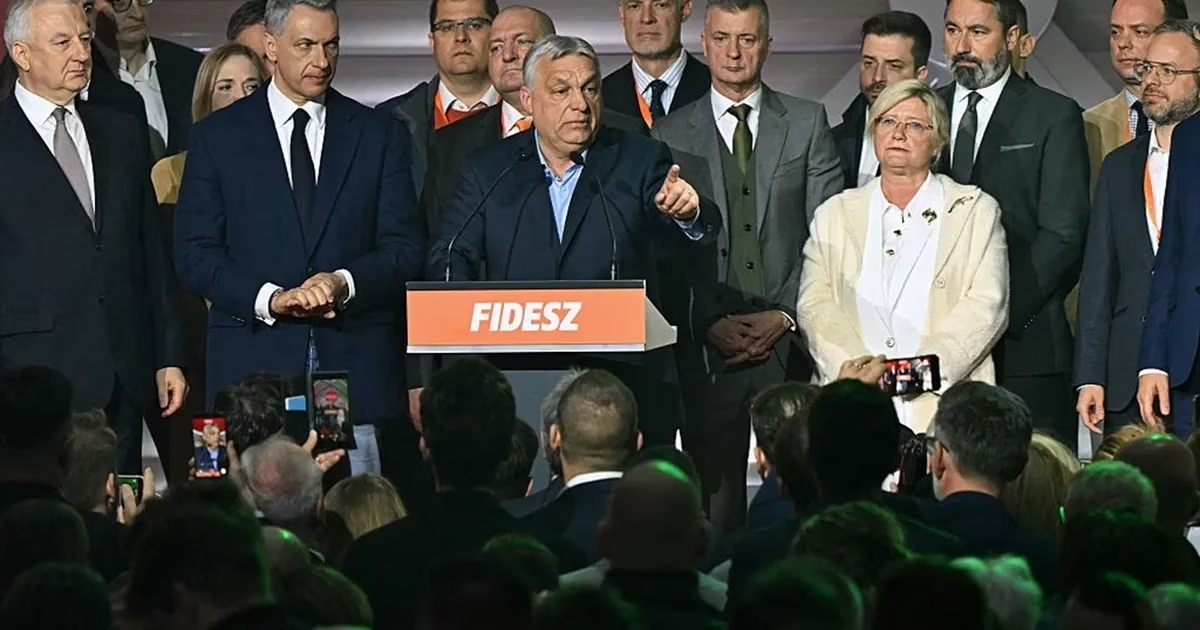







Hungary witnessed a dramatic shift in its political landscape, as veteran Prime Minister Viktor Orbán conceded defeat in the general elections held this Sunday. This announcement came after preliminary results confirmed a vast lead for the nascent opposition party, ending a long era of absolute dominance by the ruling Fidesz party.
Orbán, considered one of the most prominent allies of Donald Trump and Benjamin Netanyahu in Europe, described the election results as clear and painful at the same time. He stated that he congratulated the winning party, emphasizing his commitment to continue political work from the opposition benches without abandoning his principles.
Official data indicates a landslide victory for the center-right Tisza party, led by rising politician Péter Magyar. The opposition party garnered between 55 and 57 percent of the votes, which represents a devastating blow to Orbán's political ambitions and his nationalist project.
These results are expected to give the Tisza party a comfortable majority in the 199-seat Hungarian Parliament, with estimates suggesting it will secure approximately 135 seats. These figures reflect a widespread popular desire for change after years of controversial policies pursued by the previous government.
_The electoral process was characterized by a massive and unprecedented turnout of Hungarian voters, with participation reaching approximately 74.23 percent. This rate significantly exceeded the figures recorded in the 2022 elections, reflecting the state of polarization and great interest in the country's future.
Observers believe that Orbán's fall will cost Israeli occupation Prime Minister Benjamin Netanyahu a strategic ally within the European Union. Orbán had consistently used his 'veto' to obstruct any European decisions condemning Israeli practices or imposing sanctions in response to the war in the Gaza Strip.
On the European front, this defeat is likely to end the opposing role Hungary has played within the continental bloc for many years. Orbán's departure will pave the way for the approval of a massive aid package for Ukraine worth 90 billion euros, which the defeated prime minister had consistently blocked.
Russian-Hungarian relations will also be affected by this shift, as Orbán was considered President Vladimir Putin's closest ally within the European Union. The opposition's victory would realign Budapest's foreign policy with the general orientations of Brussels and Washington in confronting Russian influence.
In his first reaction, Péter Magyar expressed great optimism about the results, affirming that his party's optimism was based on field participation data. Through his political program, Magyar seeks to combat rampant corruption and restore judicial independence, which was damaged under the previous government.
Economic analysts attributed Orbán's declining popularity to the economic recession that hit the country and the sharp rise in living costs. A large segment of Hungarians expressed their dissatisfaction with the growing wealth of businessmen close to power at a time when the average citizen was suffering from financial pressures.
During his election campaign, Orbán tried to portray the election as a choice between 'war and peace,' accusing the opposition of seeking to drag the country into the conflict in Ukraine. However, this narrative failed to convince voters who preferred to focus on domestic issues and promised democratic reforms.
The victory of the Tisza party may open the door for the release of billions of euros in EU funds allocated to Hungary, which had been frozen due to Brussels' concerns about declining democratic standards. This possibility represents a glimmer of hope for the struggling Hungarian economy, which needs urgent liquidity.
In the capital Budapest, sources observed long queues in front of polling stations, where young voters expressed their urgent need to improve the general mood and end the state of political tension. They affirmed that the previous government focused on stirring up emotions instead of solving the real crises facing society.
This defeat is a shock to far-right circles in the West, which viewed Orbán's model of 'illiberal democracy' as an inspiring example. With the fall of this model at the ballot box, Hungary begins a new phase that may bring it back to the heart of European and democratic consensus.
The election result is clear and painful, and I will serve my nation from the opposition and will never give up.


Share your opinion
Political earthquake in Hungary: Historic defeat for Orbán and rise of the opposition led by Magyar