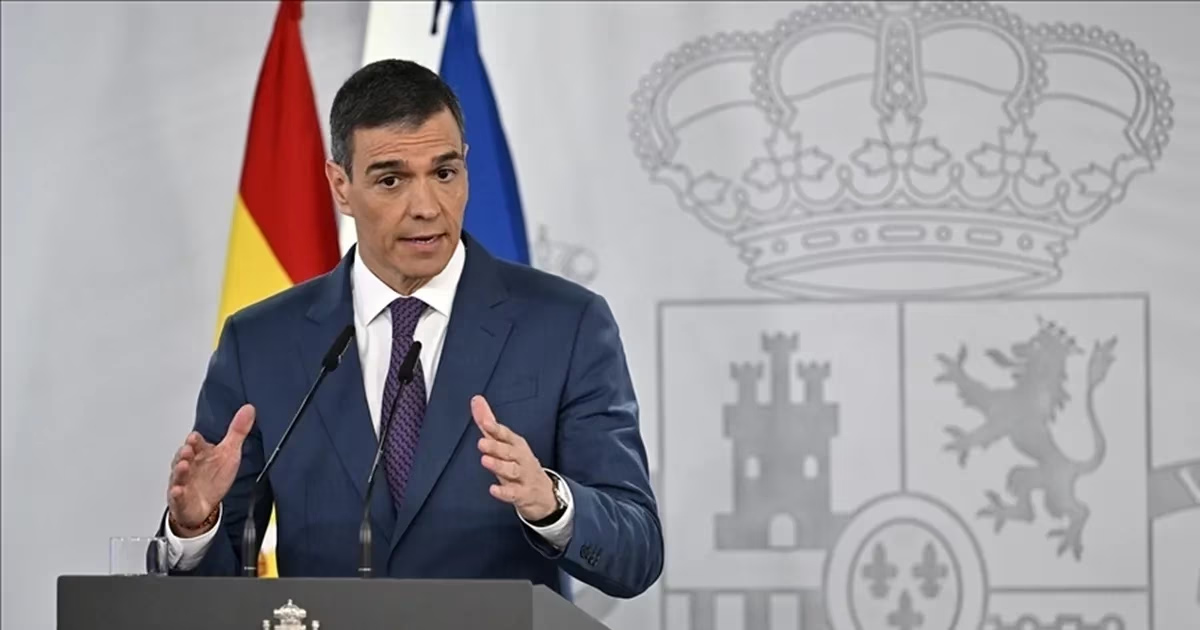







Press sources reported that Spanish Prime Minister Pedro Sanchez has emerged as one of the most prominent and influential leaders on the international stage within the European political scene. This transformation followed his firm stances against the policies of the US administration led by Donald Trump, especially concerning the Iranian file, which made him the focus of global media attention at recent European summits.
Despite the significant challenges Sanchez faces within Spain, including a struggling government coalition and corruption scandals pursuing those close to him, his international presence has seen a qualitative leap. He has transformed from a leader whom journalists focused on questioning about local affairs, to a leader whose statements on critical issues affecting the security of the continent and the world are eagerly awaited by major capitals.
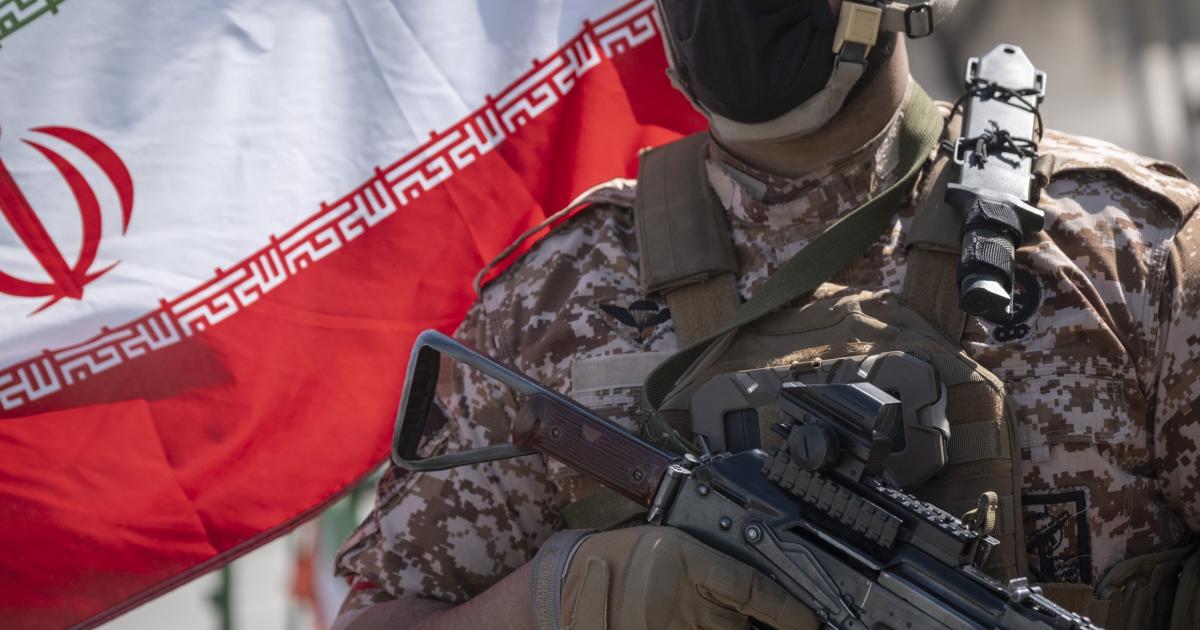
The roots of this ascent date back to late February, when Sanchez emerged as the only EU leader who explicitly condemned the military attack launched by the United States and the occupation on Iran. The Spanish Prime Minister described these operations as 'illegal,' a stance observers considered more courageous and clear than the reserved positions taken by the leaders of France and Germany.
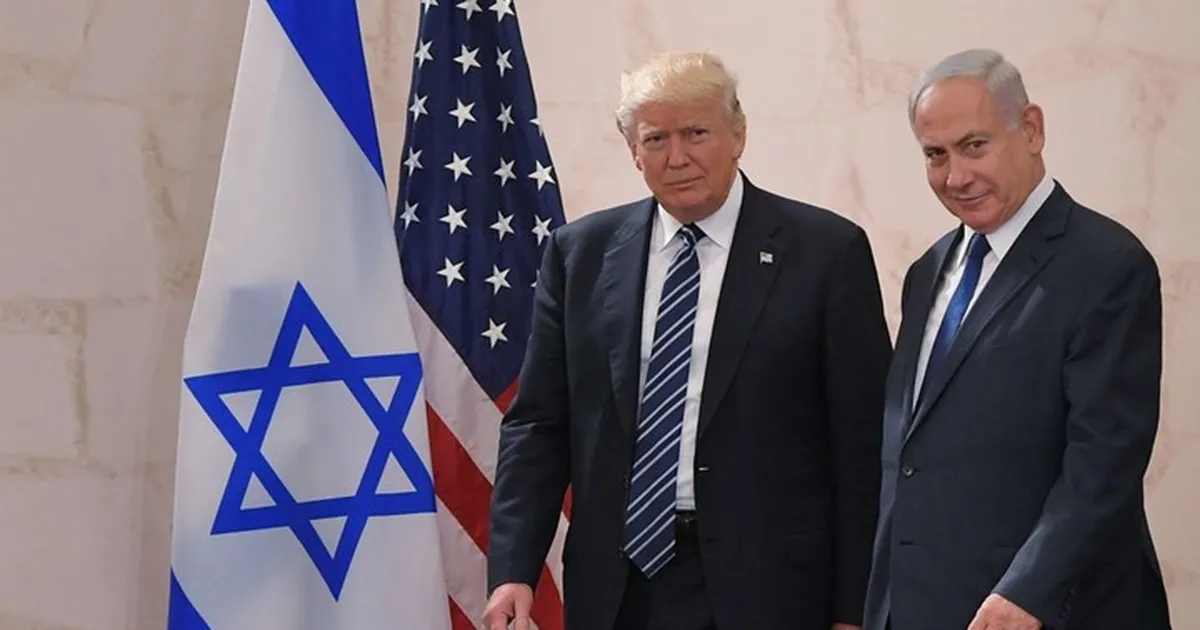
Sanchez did not stop at verbal condemnation; he took practical steps by preventing American warplanes from using joint military bases or crossing Spanish airspace. This decision angered US President Donald Trump, who described Spain as a 'terrible and unfriendly' country, threatening to impose trade sanctions and seek its expulsion from NATO.
According to analyses, the fierce attack from the White House backfired, contributing to the transformation of the isolated Spanish position into a general European trend. EU leaders quickly rallied in solidarity with Madrid in the face of American threats, making Sanchez the 'moral leader' of the Union in confronting Trump's confrontational policies.
Spanish Foreign Minister José Manuel Albares believes that his country was not isolated in its positions but played a leading role that encouraged others to follow. Albares affirmed that Sanchez's commitment to the principles of international law and human rights guides Spain's foreign policy amidst current global turmoil.
Reports indicate that Sanchez enjoys relative immunity to American economic pressures, given the limited trade exchange between the two countries compared to nations like Germany. Furthermore, Spain's success in achieving a boom in renewable energy has reduced its dependence on energy crises linked to the Middle East, giving Madrid greater room for political maneuver.
Sanchez's political formation dates back to his experience in Bosnia and Herzegovina in 1997, where he worked as an economic advisor within the UN mission in Sarajevo. That experience, according to his memoirs, immunized him against the 'scourge of nationalism' and made him believe in the necessity of defending the multilateral world order and international institutions in the face of hate speech.
Domestically, the situation in Spain remains complex, with opinion polls showing that over 60% of citizens do not trust their prime minister despite his international popularity. The right-wing opposition exploits corruption issues to launch continuous attacks against him, describing him as 'synonymous with corruption' and demanding early elections to end the political stalemate.
Nevertheless, Sanchez has demonstrated an exceptional ability for political survival, managing to return to lead the Socialist Party after being ousted in 2016 through a popular campaign he led himself. His allies describe him as a 'fighter' with high resilience in adapting to crises, which enabled him to form the first coalition government in modern Spanish history.
Regarding the Palestinian issue, Sanchez took a prominent stance that angered the Israeli occupation, describing military operations in the Gaza Strip as 'genocide.' This position, despite causing a diplomatic crisis with Tel Aviv, strengthened his standing among popular bases in Spain and Europe that oppose wars and human rights violations.
Political experts believe that Sanchez may resort to strengthening his international presence to compensate for his weak domestic position and the difficulty of passing legislation in a divided parliament. Confronting Trump's policies resonates widely with the European majority, who see the American president as a threat to the continent's stability and democratic system.
Amid American threats to increase military spending, Sanchez has maintained his stance against increasing defense allocations, a position that enjoys widespread popular support in Spain. He is seen as a progressive figure who refuses to be drawn into arms races, preferring to invest in sustainable development and diplomatic solutions to international conflicts.
In conclusion, Pedro Sanchez faces a real test of balancing his international ambitions with his domestic commitments until the end of his term in 2027. His struggle with the Trump administration and his challenge to military policies in the region will remain a key axis defining the features of European leadership in the coming years.
Spain was never alone; we were simply at the forefront, leading so that others could follow.
Share your opinion
Sanchez Challenges Trump: How Did Spain's Prime Minister Become the 'Conscience of Europe' in the Iranian Crisis?