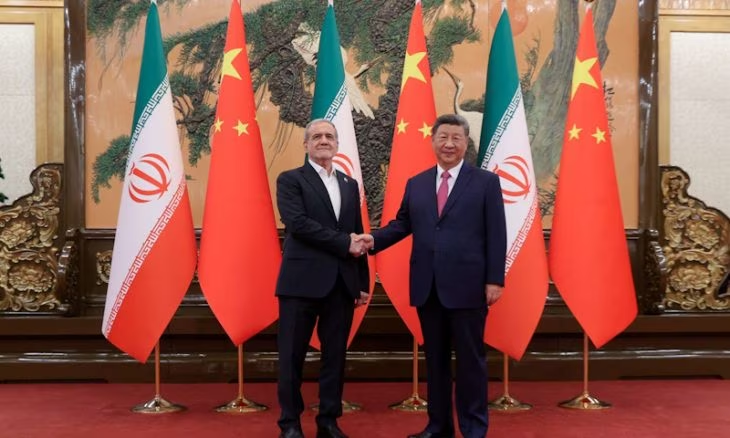







Diplomatic reports and informed sources have revealed the hidden and crucial role played by the People's Republic of China in reaching a ceasefire agreement between the United States and Iran. Despite the international praise Pakistan received as the public mediator in this crisis, China's behind-the-scenes moves were the real key to achieving the diplomatic breakthrough.
Sources reported that hopes of avoiding escalation were fading hours before the truce was announced, especially with continued direct American threats against Tehran. At that critical moment, Beijing intervened with its political and economic weight to persuade the Iranian leadership to accept the initial ceasefire proposal, thereby preventing a global economic and military catastrophe.
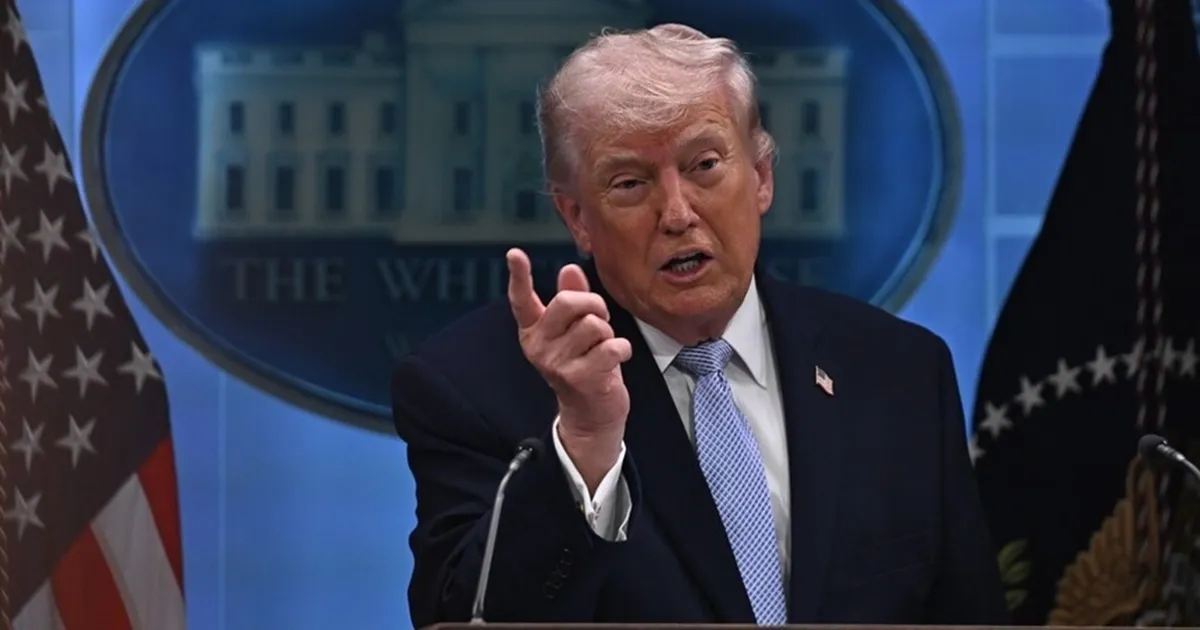
Officials familiar with the negotiations confirmed that Pakistani efforts, despite their pivotal importance, would not have reached a final conclusion without direct Chinese intervention. Beijing succeeded in leveraging its strategic relations with Tehran to dispel Iranian concerns, which was reflected in the statements of the US President, who later acknowledged China's primary role.
Data indicates that Iran expressed a clear desire for a reliable international 'guarantor' for any future agreement, and found China to be the most capable party to play this role. This desire comes amid Iran's distrust of Western promises, and the exclusion of Russia as an acceptable party to the European Union given the current Ukrainian crisis.
Pakistan's capital, Islamabad, is preparing to host new rounds of talks between the two parties, having formed a team of technical experts to research complex issues. These files include maritime navigation in international waterways and the nuclear file, issues that require precise and sensitive agreements between major powers.
Experts believe that close coordination between Beijing and Islamabad has been in place since the first day of hostilities, with the aim of protecting common interests in the region. China is not only Iran's primary trading partner but also a huge investor in Pakistani infrastructure projects, making regional stability a top priority for it.
On the diplomatic front, China practiced a policy of 'quiet diplomacy' away from the media spotlight, with its foreign minister making dozens of calls to the concerned parties. The Chinese Special Envoy for the Middle East also made intensive shuttle trips to bridge viewpoints, while maintaining a distance that prevented Beijing from being openly drawn into the conflict.
In the UN Security Council, China and Russia used their veto power against draft resolutions aimed at pressuring Tehran regarding the strategic Strait of Hormuz. This stance enhanced Beijing's position with decision-makers in Iran and gave it the ability to exert positive pressure to ensure the success of the current de-escalation process.
Despite this initial success, thorny issues still hinder the achievement of lasting peace, most notably the escalation in Lebanon. Regional parties are seeking to include the Lebanese arena in the comprehensive truce agreement, which faces complications due to the separate American vision for this issue.
Sources indicate that the United States prefers to manage the Lebanese-Israeli negotiations file separately in Washington, away from the Iranian de-escalation path. This divergence in views places mediators before significant challenges that require painful concessions from all concerned parties to ensure the continuation of the truce.
China's growing role in the Middle East reflects a shift in the international balance of power, where Washington is no longer the only player capable of shaping agreements. The trust Tehran places in Beijing makes the latter a cornerstone of any future security arrangements related to energy security and navigation in the Gulf.
Observers believe that China fully understands the sensitivity of its position; it does not want to appear as a direct adversary to American interests, but at the same time, it protects its regional allies. This delicate balance is what allowed it to move in areas that traditional diplomacy failed to penetrate in recent months.
In a related context, Beijing continues its efforts in other regional issues, such as the conflict between Pakistan and Afghanistan, which enhances its image as a regional force for peace. Chinese cities host regular meetings between Taliban and Pakistani officials in an attempt to contain border crises that threaten 'Belt and Road' projects.
The question remains about the ability of this fragile agreement to withstand internal pressures in both Washington and Tehran. However, China's entry as a potential guarantor gives additional momentum to the negotiations and ushers the international community into a new phase of multipolar diplomacy in the world's most tense regions.
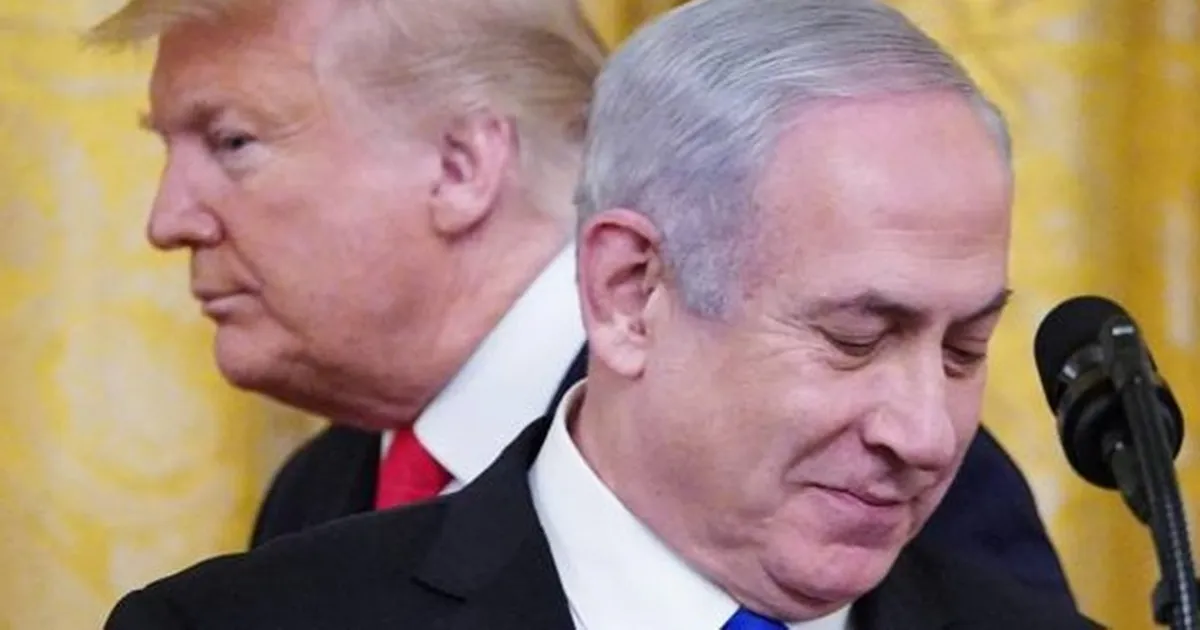
China's role will remain indispensable in concluding any final peace agreement as a key guarantor, given that Iran does not trust the Trump-Netanyahu duo.

Share your opinion
The Secrets of Mediation: How China Steered De-escalation Between Tehran and Washington?