







Christians around the world, on Sunday, observed Easter and Palm Sunday according to both Western and Eastern calendars, in an atmosphere overshadowed by fears of expanding regional conflicts. Pope Leo XIV of the Vatican called on leaders of the international community to adopt the option of peace, criticizing the international indifference towards thousands of victims who fall daily due to raging wars.
In St. Peter's Square in the Vatican, the Pope presided over the Easter Mass for the first time since his ascension to the Holy See in May of last year. In his message, he affirmed that true peace cannot be imposed through instruments of war or the logic of force, but is achieved only through sincere dialogue and human encounter that transcends the desire to control others.
His Holiness warned of the danger of becoming accustomed to scenes of violence and surrendering to the results of hatred generated by armed conflicts. He pointed out that the world has become oblivious to the dire economic and social consequences afflicting peoples, calling for a global awakening of conscience to end the divisions that fuel the fire of conflicts in several regions of the world.
In the Palestinian territories, the city of Bethlehem witnessed varied celebrations, where churches following the Western calendar observed Easter, while Eastern churches celebrated Palm Sunday. The main Mass was held in St. Catherine's Church for Latins, adjacent to the Church of the Nativity, with the presence of priests and worshippers who offered prayers for the end of the ordeal.
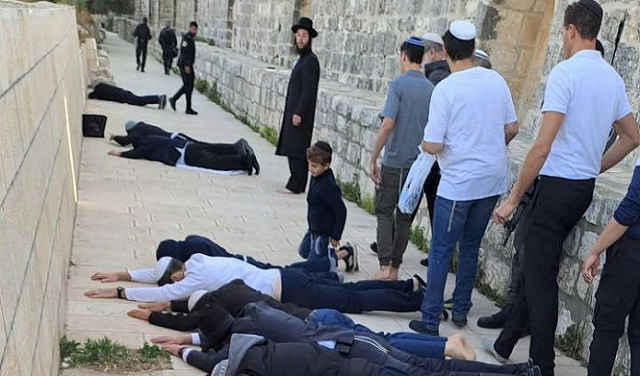
In the occupied city of Jerusalem, the usual joyful manifestations were absent due to the strict military measures imposed by the Israeli occupation authorities. Occupation forces prevented thousands of Palestinian Christians from reaching the Church of the Holy Sepulchre, after setting up checkpoints and iron barricades in the alleys of the Old City and on the roads leading to the holiest Christian sites.
Local sources reported that Israeli police subjected the few worshippers who were allowed to pass to precise and provocative inspections. These restrictions come at a time when the occupation authorities continue to close the blessed Al-Aqsa Mosque and the Church of the Holy Sepulchre for the thirty-seventh consecutive day, leading to a complete paralysis of religious life in the city.
The Latin Patriarch of Jerusalem, Cardinal Pierbattista Pizzaballa, was forced to hold Easter Mass behind closed doors inside the Church of the Holy Sepulchre with a very limited number of clergy present. Eyewitnesses described the atmosphere inside the Old City as a military barracks, where occupation forces prevented worshippers who gathered outside from entering, awaiting an opportunity to pray.
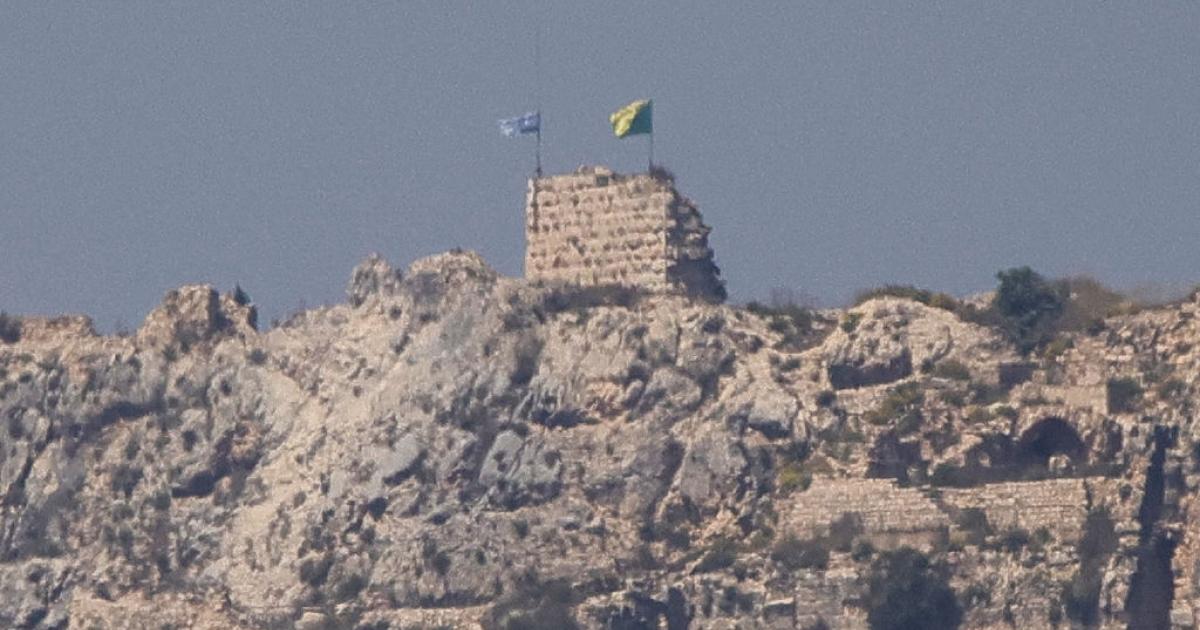
On the northern front, Christians in southern Lebanon are living in tragic conditions under the weight of siege and mutual shelling between the Israeli army and Hezbollah. Christian-majority villages, such as the border town of Debel, face almost complete isolation as a result of ongoing military operations that have turned the holiday into an occasion for steadfastness and survival.
Field sources reported from residents of the border villages that the sounds of explosions did not subside throughout the holiday hours, forcing residents to stay in their homes and rely on scarce humanitarian aid. Despite these circumstances, residents affirmed their determination to remain on their land and perform their religious rituals with the simple means available under shelling.
These field developments come amid an escalation of military confrontation that began in late February, casting a dark shadow over all aspects of life in the region. This tension was clearly reflected in the movement of pilgrims and religious tourism, which completely stopped in the holy cities due to security risks.
It is worth noting that the coincidence of the Western and Eastern holidays in April 2026 was supposed to be an occasion to unite prayers, but the political and military reality imposed a different agenda. The calls for peace that emanated from the Vatican, Bethlehem, and Jerusalem remain pending, awaiting international action to end the cycle of violence plaguing the region.
Peace is not imposed by force, but by dialogue, and not by the will to control others, but by encountering them.

Share your opinion
Easter Burdened with Wounds: A Siege on Jerusalem and Regional War Drums Loom Over Christian Celebrations