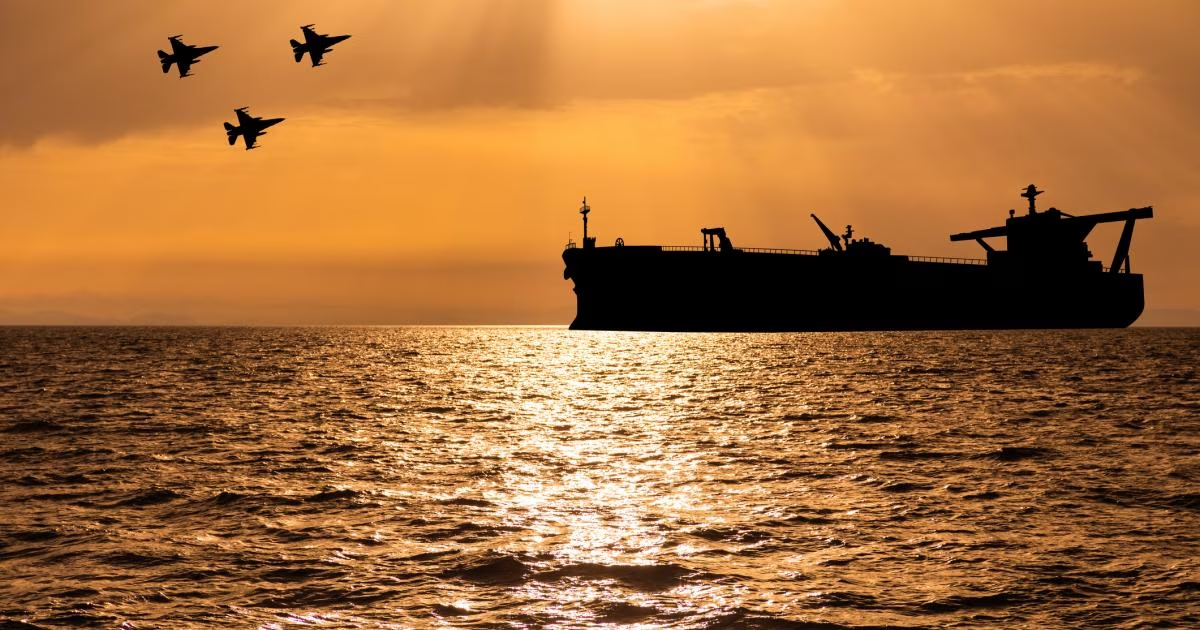







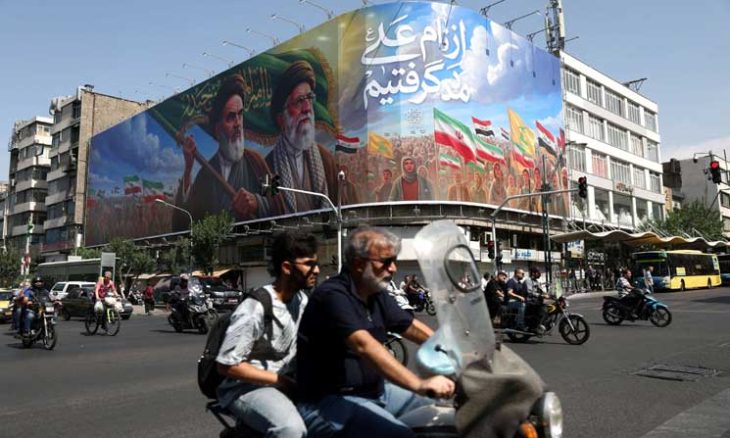
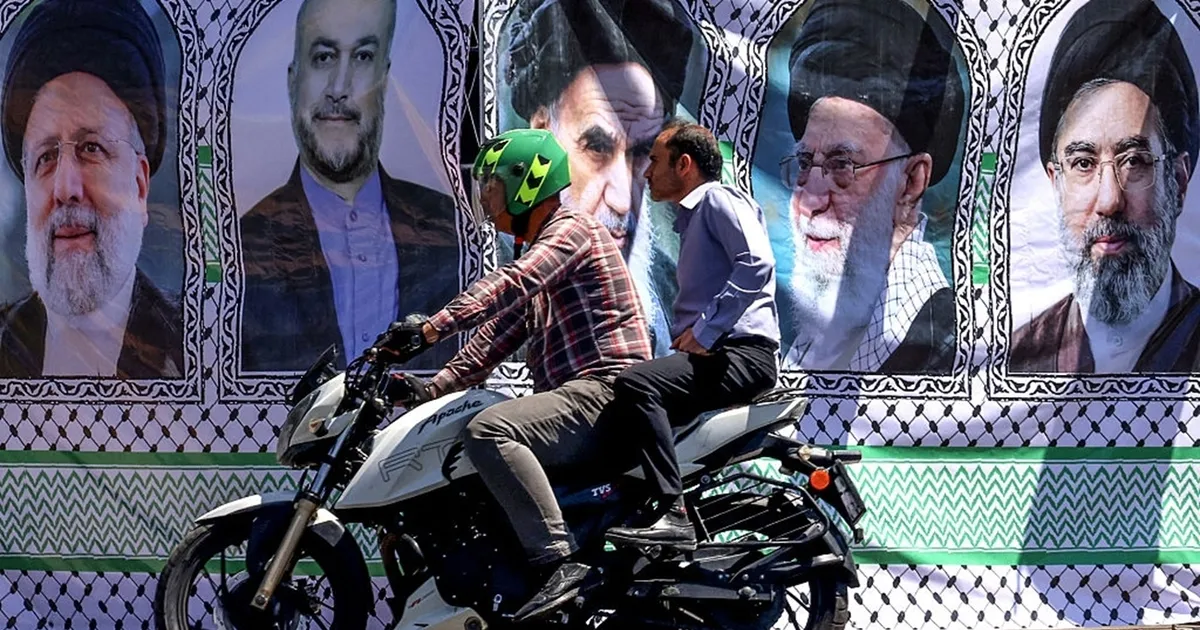
Tehran reiterated its strict stance on navigation in the Strait of Hormuz, with Ali Akbar Velayati, senior advisor to the Iranian Supreme Leader, affirming that the vital waterway will remain closed to those he described as enemies of the country. Velayati clarified in a post that this measure targets hostile military bases in the region, emphasizing that the strait is open for global trade movement except for entities that threaten Iran's security.
In response to American threats, Velayati downplayed President Donald Trump's statements regarding the course of ongoing military operations. The Iranian advisor indicated that the end of the conflict would not be determined by the desires or dreams of aggressors, but rather would be the result of Iranian strategy and the field capability imposed by state authority in the face of external pressures.
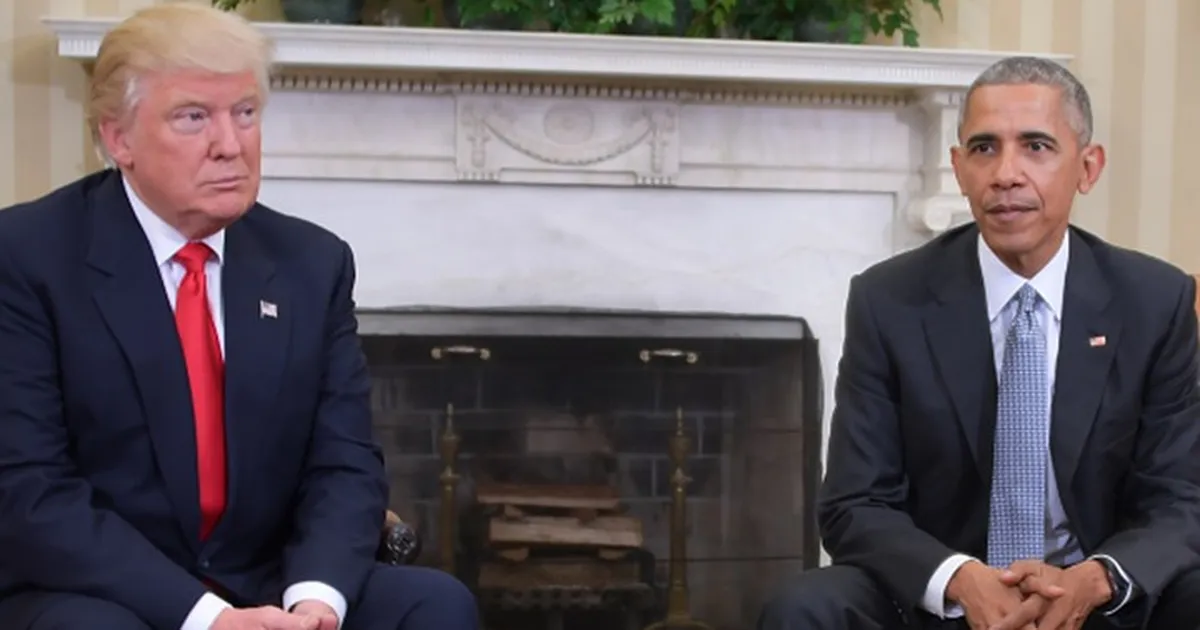
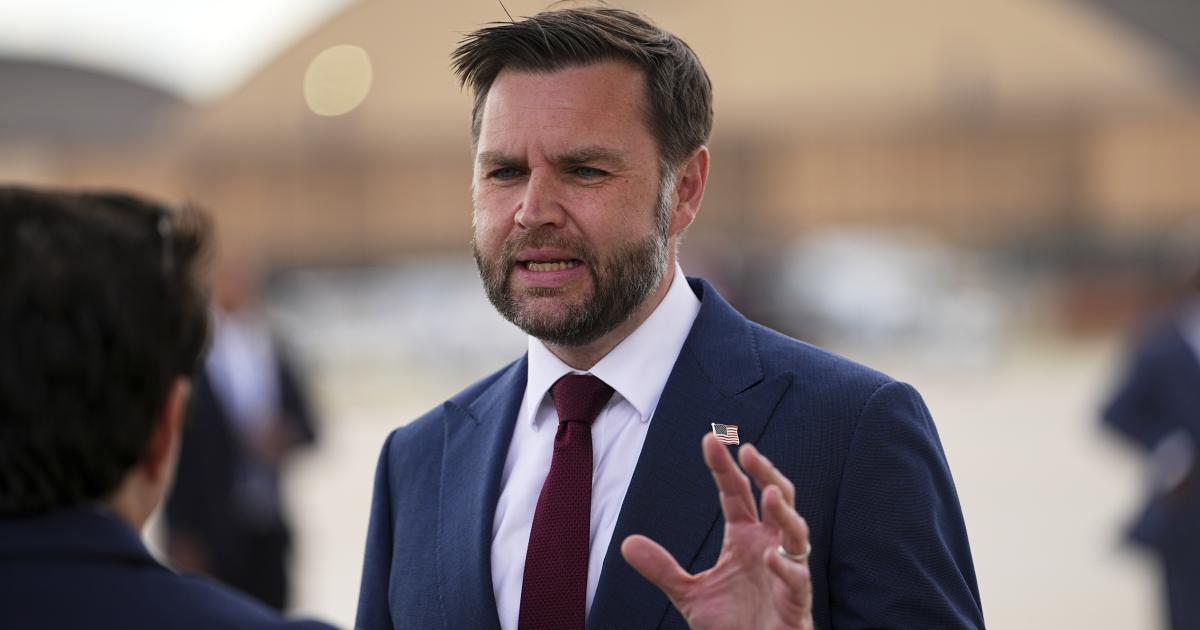
For his part, US President Donald Trump issued escalating statements, asserting that Washington was on the verge of achieving its primary strategic goals in confronting Tehran. Trump vowed to deliver a 'very harsh' military strike within the next three weeks, claiming that US forces were on track to complete all assigned military tasks in record time.
On the European front, French President Emmanuel Macron adopted a different stance, warning that resorting to military force to open the Strait of Hormuz was an unrealistic option. Macron clarified during his current visit to South Korea that his country had never supported the idea of liberating navigation through armed operations, given the serious risks that such a move could entail.
The French President considered that any attempt to open the strait by force would take a very long time and would expose passing ships to direct risks from Revolutionary Guard missiles and Iranian ballistic capabilities. Macron affirmed that the only solution to ensure the flow of energy and fertilizers lies in dialogue and consultation with the Iranian side, not through direct military confrontation that could spiral out of control.
As part of diplomatic efforts, the French Ministry of Foreign Affairs revealed arrangements for a high-level meeting next week involving G7 countries and the Gulf Cooperation Council states. The meeting, chaired by France in its current term, aims to discuss the repercussions of the strait's closure and seek diplomatic ways to secure international shipping lanes amid the current escalation.
In London, British Foreign Secretary Yvette Cooper expressed her country's deep concern over the continued closure of the strait, describing the Iranian move as reckless and threatening global economic security. Cooper's statements came during an expanded virtual meeting that included representatives from more than forty countries to discuss the crisis of the maritime passage, which is considered the lifeline for global energy supplies.
Economic data indicates that the Strait of Hormuz accounts for about 20% of the world's total oil and liquefied natural gas supplies, making its closure an international crisis that transcends the boundaries of regional conflict. Global markets have been significantly affected since the start of military tensions last February, amid fears of severe supply shortages and skyrocketing prices.
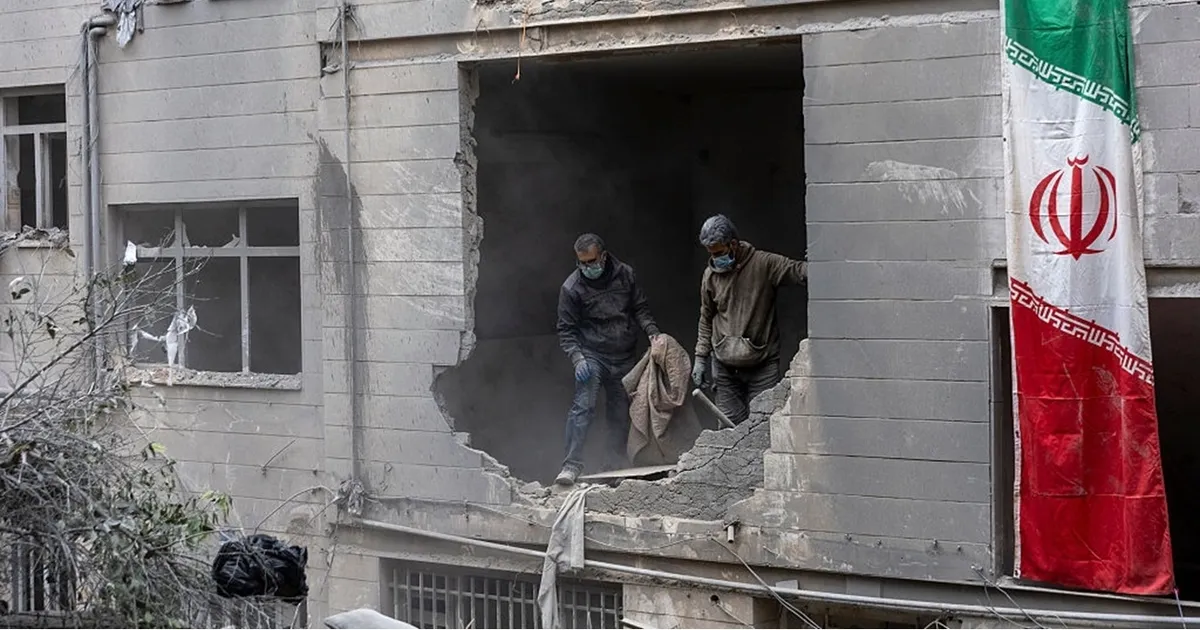
Since late February, the region has witnessed a large-scale military confrontation, with Israeli and American forces launching continuous attacks on Iranian targets, resulting in thousands of casualties. In response, Tehran has retaliated by launching missile barrages and drones targeting Israeli sites, while activating the weapon of closing the strait to pressure the international community.
France is currently seeking, in coordination with European and international allies, to form a coalition aimed at ensuring freedom of navigation once an agreement to cease hostilities is reached. The Élysée believes that restoring confidence in maritime passages requires arduous negotiations with Tehran to ensure that the scenario of closure, which paralyzed trade in one of the world's most important straits, is not repeated.
Field sources reported that the situation around the strait remains highly tense, with an intensive deployment of Iranian Revolutionary Guard naval vessels. International powers are closely monitoring any movements that might indicate Tehran's intention to escalate its measures, at a time when popular and economic pressures are increasing on energy-importing countries to secure alternatives or reach a de-escalation.
Anticipation remains the order of the day, awaiting the outcomes of the G7 and Gulf meetings, and whether American threats will translate into on-the-ground reality or remain within the framework of negotiating pressure. With each side adhering to its positions, the Strait of Hormuz crisis is likely to become more complex, putting the global economy to its toughest test in decades.
The Strait of Hormuz is open to the world, but it will always remain closed to the enemies of the Iranian people and their bases in the region.
Share your opinion
Strait of Hormuz Crisis: Tehran Insists on Closure, Macron Warns Against Use of Force