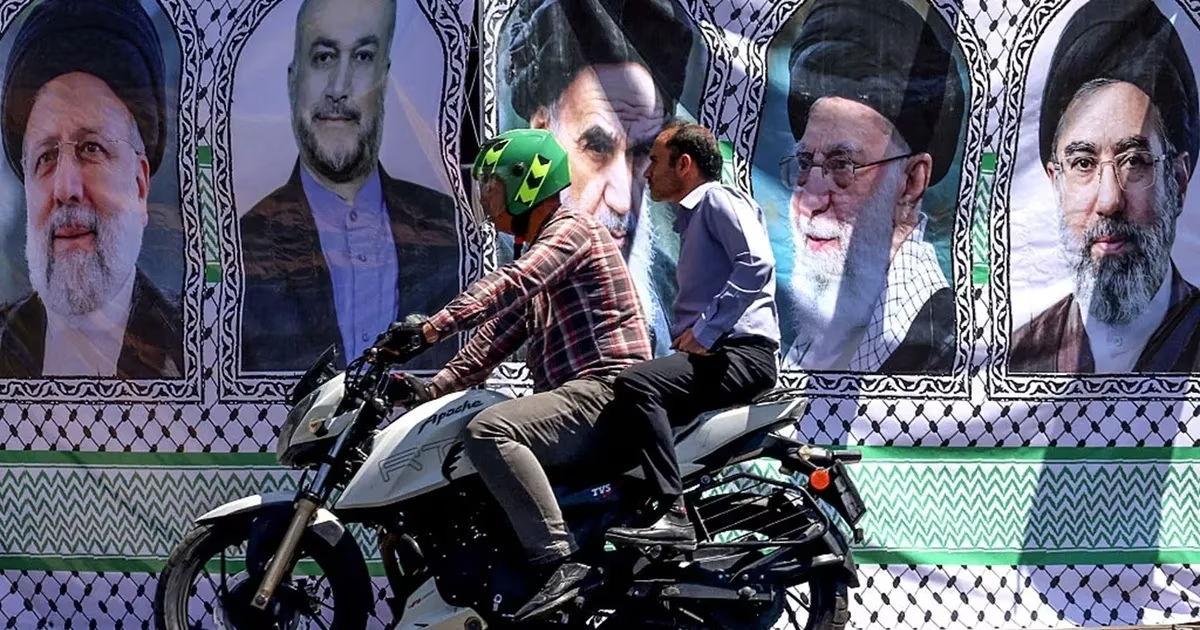







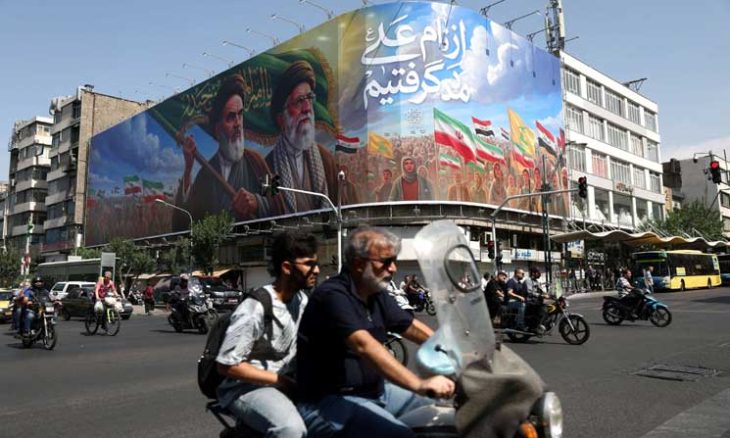
International press sources revealed details of the agreement announced by US President Donald Trump with the Iranian leadership, confirming that it put an end to a costly war that lasted for several weeks. Despite the cessation of military operations, the agreement kept the Iranian regime in power, leaving the most complex issues, especially the nuclear program, for future negotiation rounds whose final features have not yet been clarified.
Trump announced the end of the military campaign against Tehran with a sharply economic message, calling for the reopening of global trade routes and energy supply lines. The US President called on the world's ships to resume their activity and pump oil again into global markets, a clear indication of his desire to end the state of confusion that afflicted the international economy due to the confrontation.
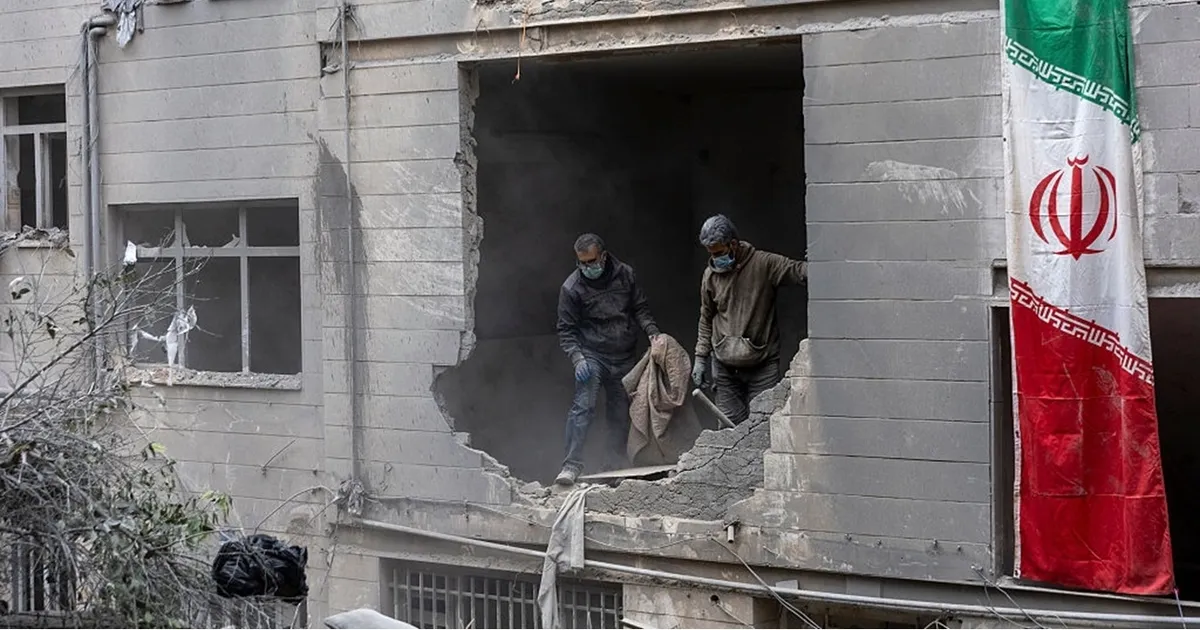
According to reports, the end of the fighting restored the field conditions to what they were before the outbreak of the American-Israeli confrontation against Iran on February 28th. This retreat comes despite the fact that the declared goals at the beginning of the conflict sought to bring about a radical change in the structure of Iranian rule and support the internal protests that Washington had bet on.
The first hours of the war witnessed the killing of Iranian Supreme Leader Ali Khamenei, which Western circles at the time considered a golden opportunity for the collapse of the regime. However, the popular uprising that the White House expected did not materialize on the ground; instead, Tehran showed military resilience and the ability to close the strategic Strait of Hormuz, which put immense pressure on the American administration.
The sources explained that the current agreement includes an initial Iranian commitment not to seek to acquire nuclear weapons, but officials in Tehran link the actual start of enrichment negotiations to the lifting of the comprehensive US naval blockade. Corridors of the US administration speak of a proposal to hand over Iran's enriched uranium stockpile to the United States to ensure its complete destruction.
In a remarkable shift in political discourse, Trump affirmed in press statements that he never sought to change the regime in Iran, describing the current group he is negotiating with as 'the most rational.' This change reflects Washington's realization of the difficulty of military options and their exorbitant cost to regional stability and the interests of allies.
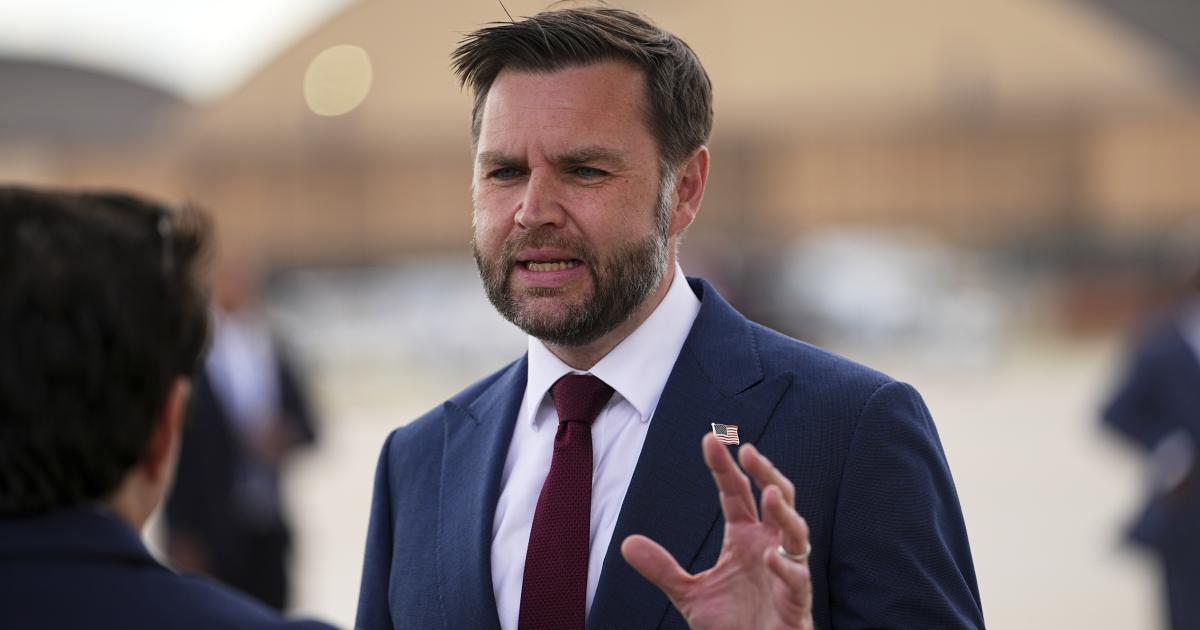
For his part, US Vice President J.D. Vance defended the agreement, considering it a strategic shift that will change the face of the Middle East for the next fifty years. Vance indicated that Iran's commitment to the terms of the agreement will end the state of chaos that the region has suffered from for decades, stressing that the war achieved military objectives by destroying naval capabilities and high-ranking leaders.
In contrast, skepticism prevails among experts and analysts, with researchers believing that the agreement maintains a regime that possesses all tools of regional threat, from ballistic missiles to drones. Experts warned that Tehran succeeded in transforming the Strait of Hormuz from a theoretical bargaining chip into a real tool of influence that imposed its conditions on the international table.
On the domestic American front, Trump faced criticism from his Republican allies, with Senator Lindsey Graham demanding that any nuclear agreement be presented to Congress for review and vote. Conservative media figures also expressed their dissatisfaction with the non-publication of the memorandum of understanding, warning of significant gaps between the American and Iranian narratives of the agreement's content.
Leaked information indicates that the agreement includes a 60-day truce to negotiate thorny issues, with the release of approximately $25 billion in frozen Iranian assets. These steps come at a time when Iran possesses a huge stockpile of highly enriched uranium estimated at 12 tons, which makes the upcoming negotiations extremely sensitive.
On the Israeli side, former officials such as Moshe Ya'alon warned of political and security collapses resulting from the failure of the strategy adopted against Iran. Ya'alon considered that current policies are leading to a dead end, given the dissatisfaction of the head of the occupation government, Benjamin Netanyahu, with any understandings that might threaten his political future or give Tehran a chance to catch its breath.
Through this agreement, Tehran seeks to obtain billions of dollars needed to rebuild what the aggression destroyed, while maintaining its regional influence in Lebanon, Iraq, and Yemen. Observers believe that Iran has proven its ability to withstand the long war losses, which forced Washington to retreat from its high demands announced at the beginning of the conflict.
The official signing of the agreement is expected next Friday, amid strict measures to prevent the leakage of details before they are fully matured. This secrecy aims to protect the understandings from external and internal political pressures that could lead to the failure of negotiations at the last minute, especially concerning the future of centrifuges.
The question remains about the extent to which this 'fragile' agreement will withstand field and political challenges, especially with regional parties that see it as a threat to their interests. The coming days will reveal whether Trump has indeed succeeded in achieving 'historic peace' or if it is merely a postponement of a major confrontation to come, given Iran's continued possession of nuclear power capabilities.
Oh ships of the world, start your engines, let the oil flow; the war is over and the regime remains.

Share your opinion
Behind the Scenes of the Trump-Iran Agreement: End of War, Survival of the Regime, and the Nuclear File on the Negotiation Table