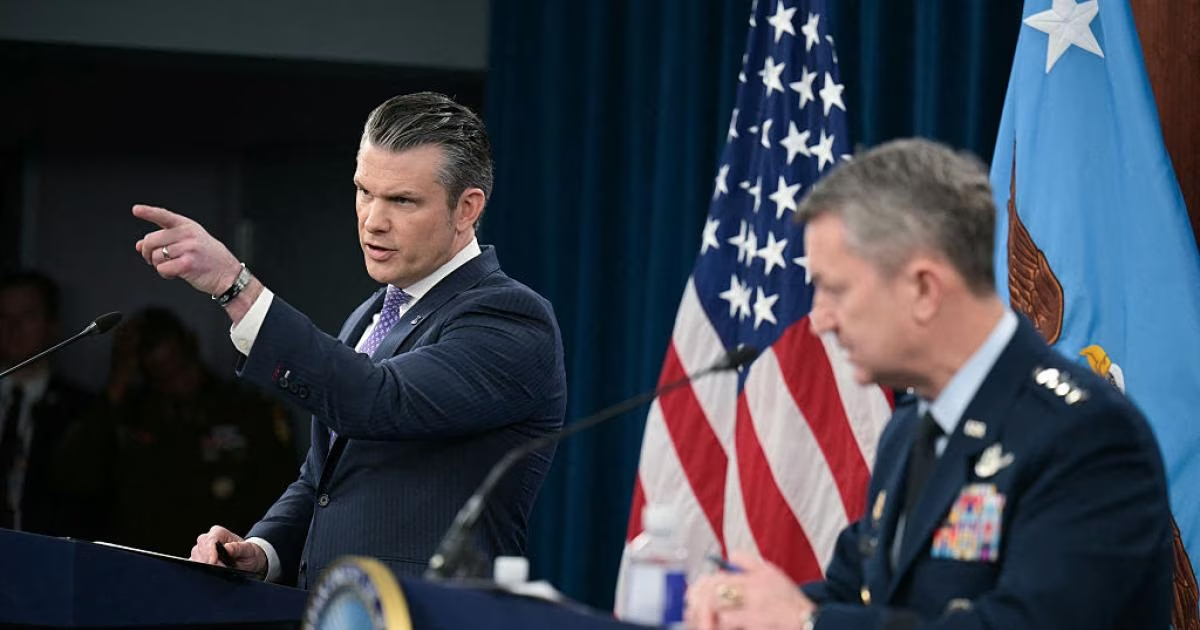







US Secretary of War, Pete Hegseth, confirmed that the military confrontation led by the United States and Israel against Iran has entered a 'decisive' phase, the features of which will become clear in the coming days. Hegseth explained at a press conference held at the Pentagon that Tehran understands the seriousness of the current situation, stressing that it now lacks effective military capability to respond to ongoing movements.
The American minister refused to rule out the option of ground intervention in Iranian territory, indicating that all military options remain on the table to ensure the achievement of the operation's objectives. He added that maintaining the element of surprise and not revealing plans to the adversary is an essential part of the US military command's strategy at this stage of the conflict.
In a related context, US Army Chief of Staff, Dan Kane, revealed the extent of the intensive air and missile operations carried out over the past month. Kane explained that US forces successfully targeted more than 11,000 sites inside Iran over the past thirty days, which significantly curtailed the Iranian regime's defensive and offensive capabilities.
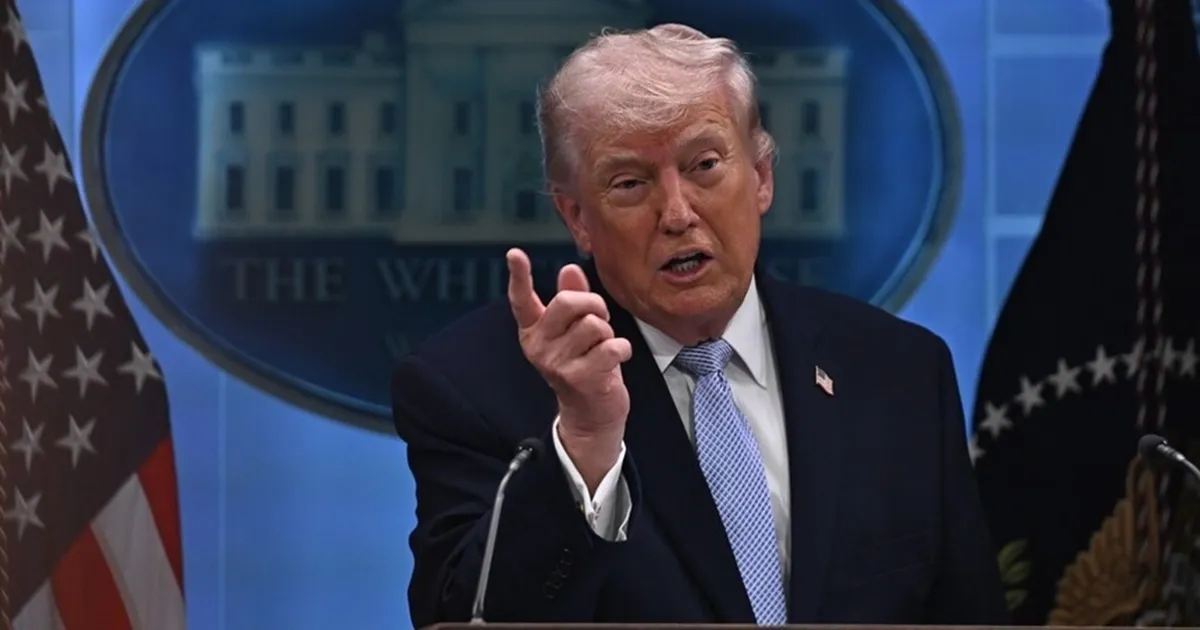
For his part, US President Donald Trump launched a sharp attack on European allies, specifically Britain and France, accusing them of failing to participate in the war effort. Trump indicated via the 'Truth Social' platform that countries that refused to engage in the war should not expect American assistance to secure their oil supplies through the Strait of Hormuz.
Trump sent a strongly worded message to countries suffering from fuel shortages, demanding that they rely on themselves and head to the strait to seize their oil needs. The US President considered that Washington had completed the 'hard part' of the mission, and that it would not continue to provide free protection to those who did not stand with it in this strategic war.
Trump explained that the Iranian regime had been effectively destroyed, describing the military operations as a 'decapitation' of the regime, although the official name of the operation is 'Epic Fury'. He confirmed that the United States is now negotiating with lower leadership levels in Iran, reflecting the collapse of the highest leadership structure in Tehran.
Informed sources in Washington reported that Trump's statements reflect deep dissatisfaction with Paris's stance, which he accused of obstructing the passage of military aircraft en route to support operations. The sources indicated that France refused to open its airspace to military shipments heading to the region, forcing the US command to change flight paths.
Regarding the field situation, Defense Secretary Hegseth indicated that the past twenty-four hours witnessed a significant decrease in the number of missiles launched by Iran. He considered this decline an indicator of the success of American strikes in depleting the Iranian arsenal, stressing that talks to end the war are gaining real momentum under the pressure of continuous bombardment.
Trump warned that the United States might reconsider all its defense commitments to European allies in the future. The US President linked current military support to the willingness of European countries to participate in international crises affecting US national security, hinting at a return to a policy of isolation from NATO.
Reports indicate that Iran succeeded in closing the Strait of Hormuz to oil tanker traffic, causing widespread disruptions in global energy markets. However, Trump insists that the solution lies in buying oil from the United States, which has an abundance of production, instead of waiting for American military protection in international waterways.
Journalistic sources stated that Trump's escalating rhetoric primarily aims to address the American voter and emphasize that the current administration puts Washington's interests first. Trump seeks to hold European countries fully responsible for any shortage in energy supplies or price increases resulting from their 'reserved' stance on the war.
At the Pentagon, Hegseth confirmed that US forces deployed in the Middle East are on high alert to carry out any new orders that may include ground incursions. He explained that the adversary believes there are 15 different ways of ground attack, confirming that this belief is correct and that operational plans are ready for implementation at any moment.
These developments come at a time when the US administration is threatening to target vital infrastructure in Iran, including electricity and water networks and energy security. This threat is considered a qualitative escalation aimed at exerting maximum pressure on the remaining joints of the Iranian state to force it into complete surrender.
In conclusion, observers in Washington believe that the coming days will be a real test of the allies' ability to withstand Trump's pressure, and Iran's ability to endure successive strikes. As the pace of military operations accelerates, diplomacy 'under bombs' remains the only path the Trump administration sees to end this escalating regional conflict.
No one can lead a war and win it if they tell their adversary what they are willing to do and what they are not willing to do.

Share your opinion
Pentagon announces 'hour of decision' approaching in Iran, Trump attacks European allies