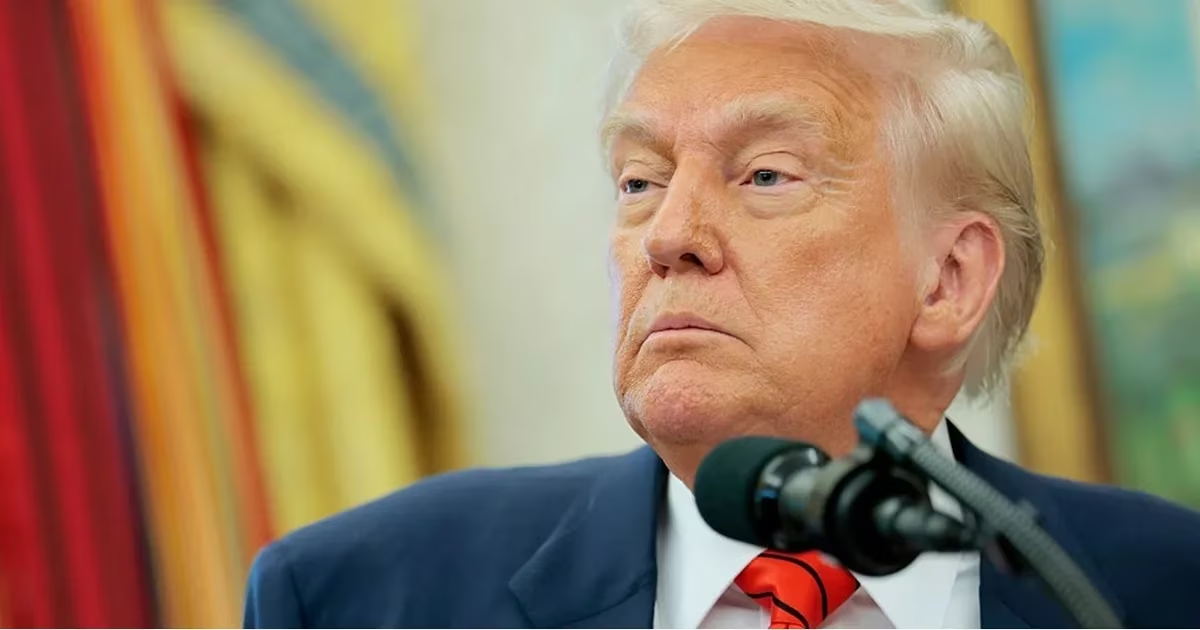







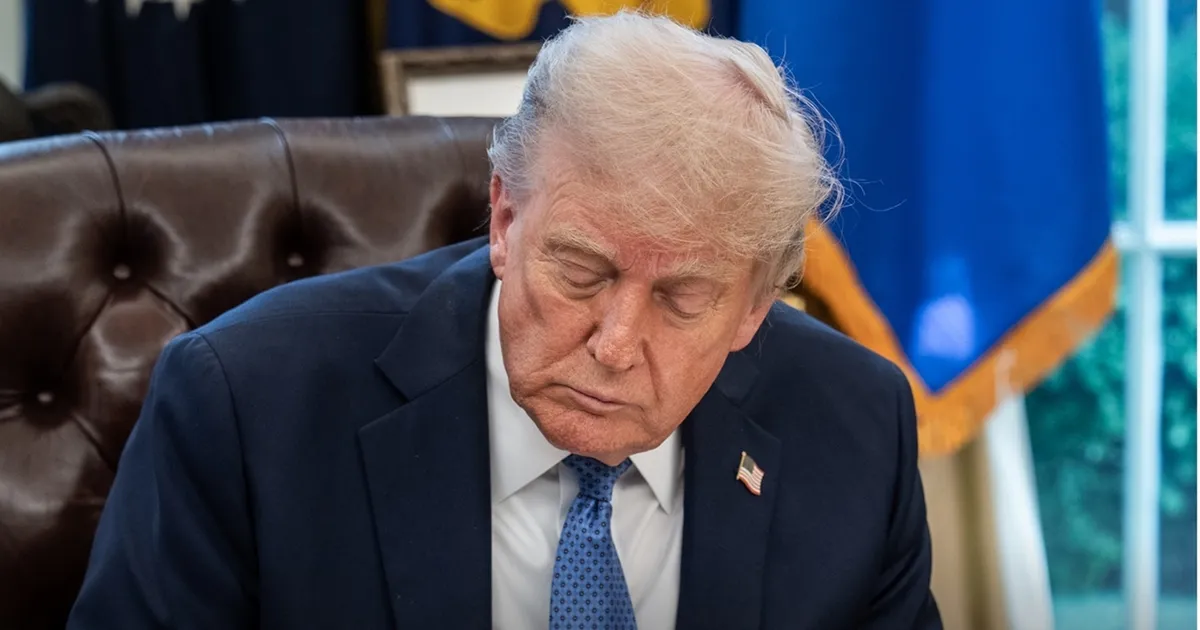
American journalist Fareed Zakaria, in an article published by the Washington Post, considered President Donald Trump's policies towards Iran to be a diplomatic disaster of his own making. Zakaria compared Trump's current floundering to former President Barack Obama's 'red line' mistake in Syria, noting that Obama's retreat at the time now seems more rational and wise given the magnitude of contradictions plaguing the White House today.
The article highlighted the threat Trump issued last week via social media platforms, giving Tehran 48 hours to fully open the Strait of Hormuz without conditions. Trump threatened, in case of non-compliance, to strike and destroy Iranian power plants, starting with major facilities, in an escalation that observers described as potentially igniting a comprehensive and uncontrollable regional confrontation.
Despite Iran's explicit refusal to comply with these threats and the continued closure of the strait, Trump's reaction was completely contrary to his previous promise. The American president unexpectedly announced a five-day postponement of military strikes, speaking of 'fruitful talks' with the Iranian side, which Tehran quickly and completely denied, putting the American administration in an embarrassing position.
The retreat did not stop there; Trump extended the truce for an additional week and a half, making his statements subject to changing and unstable standards before the international community. Zakaria believes that Trump's positions, whether raising tariffs or threatening to destroy gas fields, change within a few days, causing allies and adversaries alike to lose the ability to predict the next American move.
In a striking paradox, Trump announced on one day that the war was 'almost over,' only to return hours later and confirm that the victories achieved were insufficient and that he would not back down until a crushing defeat of the enemy was achieved. He also expressed his willingness to negotiate with Iranian leaders, before retracting again under the pretext of their deaths in military operations carried out by American and Israeli forces, which reflects a state of inconsistency in crisis management.
In a related context, previous reports indicate that American discourse towards the region has taken on a sharp ideological character, with the American Secretary of War describing the current conflict as resembling 'the Crusades.' This trend reflects the evangelical West's use of religious discourse as a tool to strip Arab peoples of their material and spiritual wealth, an extension of an orientalist ideology that historically paved the way for European colonialism in the region.
Analysts believe that modern Europe and the United States employ religious violence and accuse others of it, while monopolizing human rights discourse to justify military interventions. These powers view those belonging to the region as an Islamic bloc in an existential struggle, regardless of their political orientations, which explains the enthusiastic support shown by some of Trump's supporters for the current war despite their previous opposition to Middle East wars.
Zakaria asserts that the fundamental problem is that Trump may not find an easy way out of this war, given Iran's military capabilities that enable it to inflict severe damage on the global economy. While Trump's supporters see this contradiction as 'strategic genius' aimed at confusing adversaries, experts believe that policy fluctuations result from market disturbances and narrow internal political considerations that do not serve long-term national interests.
The article concluded by noting that American credibility has turned into something like a 'strange television show,' where the president tries to resolve crises that were essentially born from his reckless statements. After previously hinting that protecting the Strait of Hormuz was not Washington's concern, he returned to make it the focus of a global conflict, amidst praise from businessmen who previously criticized the instability of government policies and their negative impact on markets.
Obama's retreat from the red line in Syria now seems wiser compared to what has happened since the start of the Iranian war and the erratic nature of Trump's positions.
Share your opinion
Fareed Zakaria: Trump's Contradictions on the Iranian File Undermine American Credibility and Create a Global Crisis