







Washington Message
28/3/2026
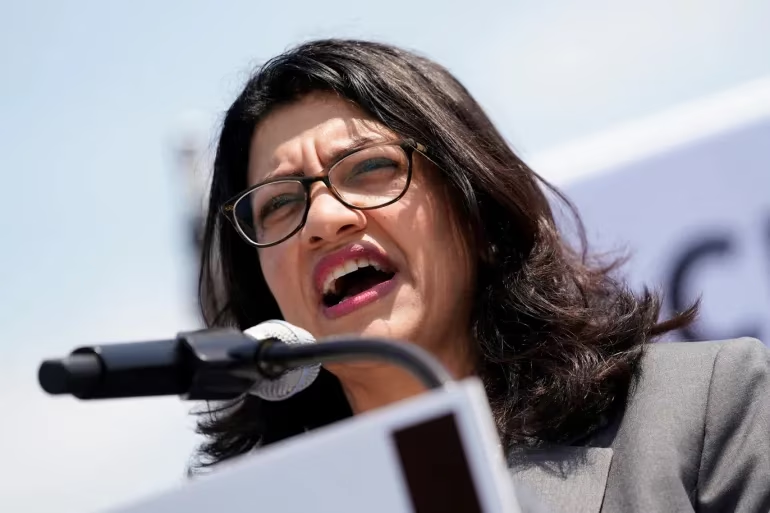
In a notable move reflecting escalating debate within the United States regarding its Middle East policy, US Congresswoman Rashida Tlaib announced on March 27, 2026, the introduction of a legislative package in the US House of Representatives aimed at halting US support for Israeli military operations in southern Lebanon. This initiative comes amidst an escalation of Israeli military operations against Hezbollah, following an incident that occurred in late February.
The legislative package consists of two main bills that reflect an escalating tone in the political discourse opposing US military support for Israel. The first is a House resolution declaring solidarity with the Lebanese people in the face of what Tlaib described as "illegal invasion, war crimes, and ethnic cleansing." The resolution calls for an immediate cessation of military operations, rejection of any threats of illegal occupation, and calls for international investigations into potential violations, as well as support for the return of displaced Lebanese to their areas.
The second bill is a resolution based on the War Powers Act, aiming to compel the US administration to withdraw any direct or indirect military support for ongoing operations in Lebanon. This includes halting assistance in military targeting or intelligence sharing with Israel, which, if passed, would represent a radical shift in the nature of US involvement in the conflict.
In justifying her move, Tlaib leveled sharp accusations against Israel, considering that it is applying in Lebanon what she described as a "genocide playbook," similar to what she claims happened in the Gaza Strip. She also held the United States directly responsible, asserting that these operations "would not have happened without US support funded by taxpayer money," calling for a comprehensive ban on arms exports to Israel.
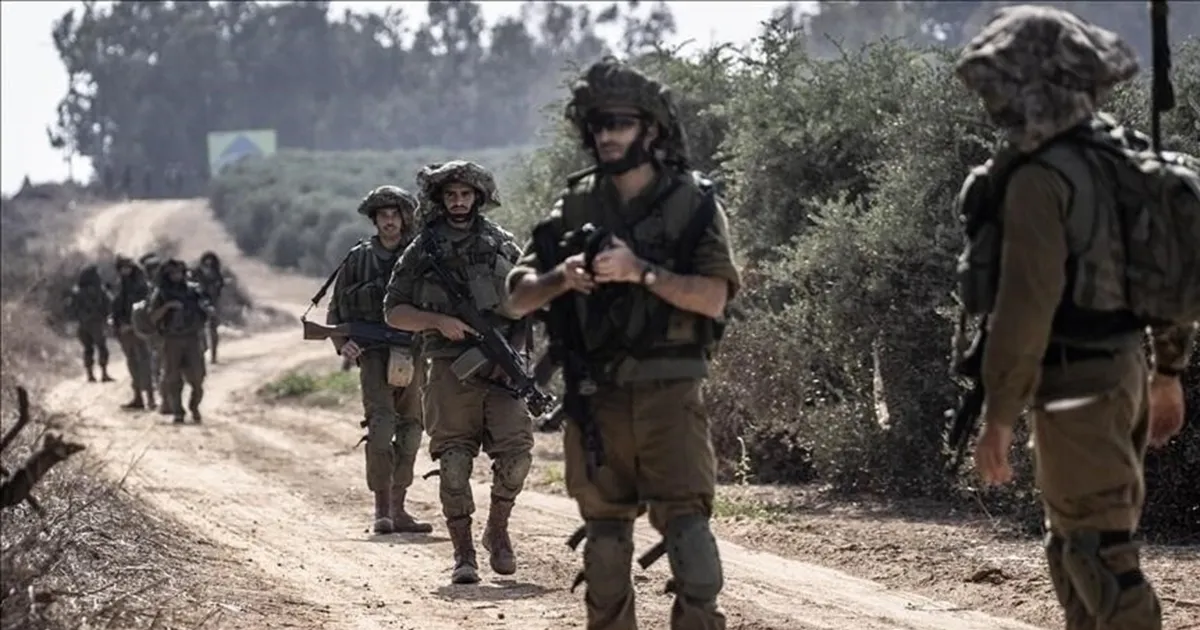
Tlaib's statements indicate growing concern about the targeting of civilian infrastructure in southern Lebanon, where she spoke of widespread destruction of villages and mass displacement of residents. These allegations align with circulating reports of escalating airstrikes and ground operations, in the context of the ongoing confrontation with Hezbollah, further complicating the regional scene and raising fears of an expanding conflict.
Conversely, this initiative is expected to face strong opposition within Congress, given the continued traditional support for Israel by both Republican and Democratic parties, although this consensus is gradually eroding, especially within the progressive wing of the Democratic Party. This move is also likely to spark a broad debate about the limits of the President's powers in managing foreign military operations, and the role of Congress in curbing them.
This move comes at a sensitive political moment, as internal pressures on the US administration are increasing to re-evaluate its policy towards conflicts in the Middle East, amidst growing criticism from human rights organizations and political circles that see unconditional support for Israel undermining US credibility on the international stage.
Rashida Tlaib's initiative reflects a significant shift in political discourse within the United States, where criticism is no longer confined to academic or human rights circles, but is now embodied in tangible legislative actions. This shift indicates the growing influence of the progressive current that seeks to redefine the relationship with Israel on human rights and legal grounds. However, the success of this initiative remains limited given the balance of power within Congress, making it more of an attempt to change public debate rather than bring about immediate policy change, yet its cumulative impact could be profound.
The War Powers Resolution also raises fundamental questions about the nature of US involvement in foreign conflicts and the limits of executive authority in providing military support without explicit authorization. Historically, Congress has rarely succeeded in imposing effective restrictions on this type of involvement, but the escalating debate over the political and moral cost of military support may revive this role. In this context, the initiative is not only about Lebanon but represents a broader test of the ability of American institutions to rebalance power between the legislative and executive branches on issues of war and peace.
Regionally, this initiative may contribute to strengthening the discourse rejecting US support for Israel, but at the same time, it may intensify political polarization within the United States. While its supporters see it as a necessary step to hold military policies accountable, its opponents consider it a threat to strategic relations with Israel. This division reflects deeper shifts in American public opinion, especially among younger generations, who are becoming more critical of traditional policies. Therefore, the importance of this step lies in its long-term political implications, more than its direct legislative outcomes.

Share your opinion
Tlaib Introduces Legislative Package in Congress to Halt US Aid to Israel in Lebanon