







Washington - Said Arikat - 20/3/2026
News Analysis
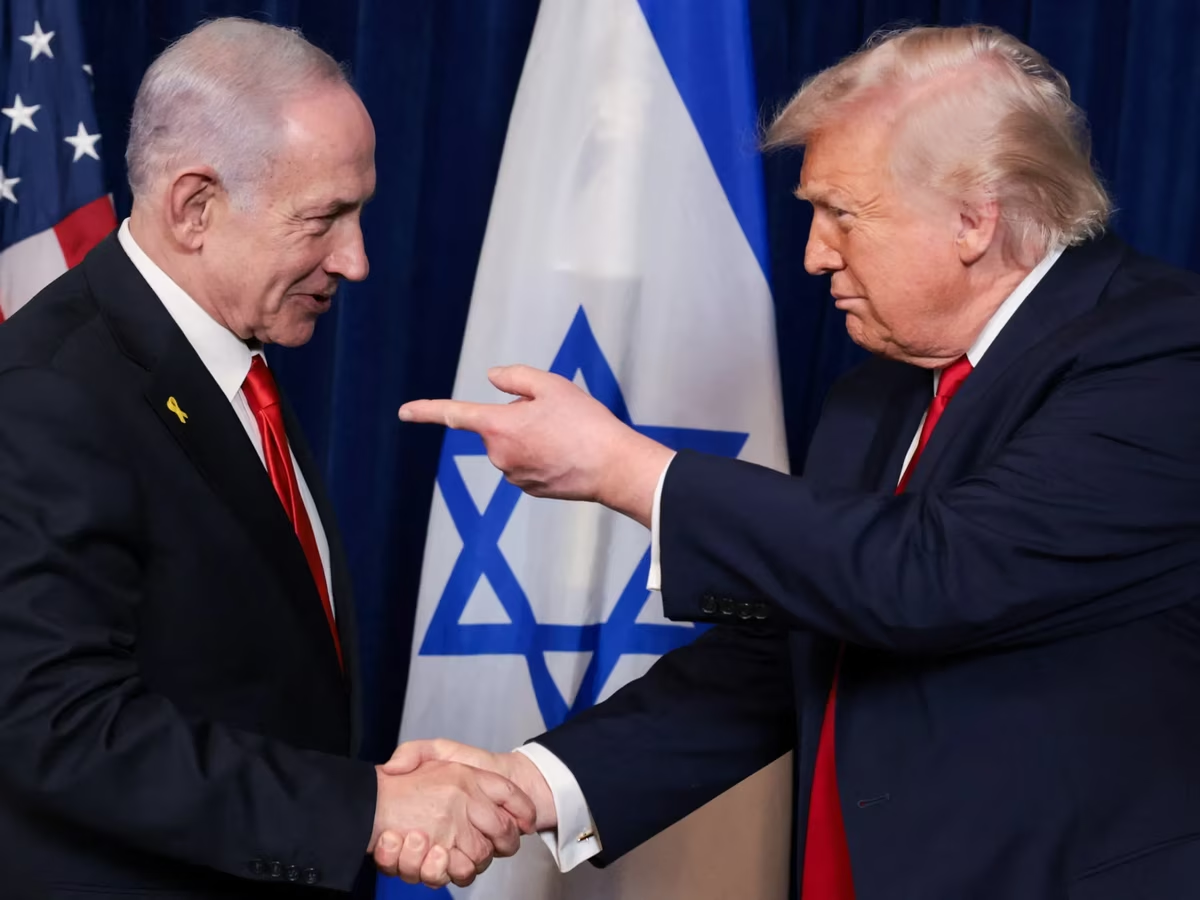
The divergence in positions between Donald Trump and Benjamin Netanyahu regarding the targeting of Iran's "South Pars" gas field marks a significant turning point in the course of the war with Iran, which has lasted twenty days and was initially characterized by close coordination between the two sides. This dispute, while seemingly tactical on the surface, reflects a deeper difference in risk calculations and strategic objectives, raising serious questions about the cohesion of the alliance in managing a complex and multi-dimensional conflict in a highly sensitive region.
This issue gains particular importance because the attack on an energy facility the size of "South Pars" was not merely a limited military operation, but a step with broad economic and geopolitical repercussions. Iran responded by targeting energy infrastructure in other Middle Eastern countries, leading to a rapid regional escalation and a significant rise in global energy prices. This rise did not occur in a vacuum; it increased pressure on global economies and prompted US allies in the Gulf to express their concern, demanding that Washington play a more balanced role in curbing the escalation.
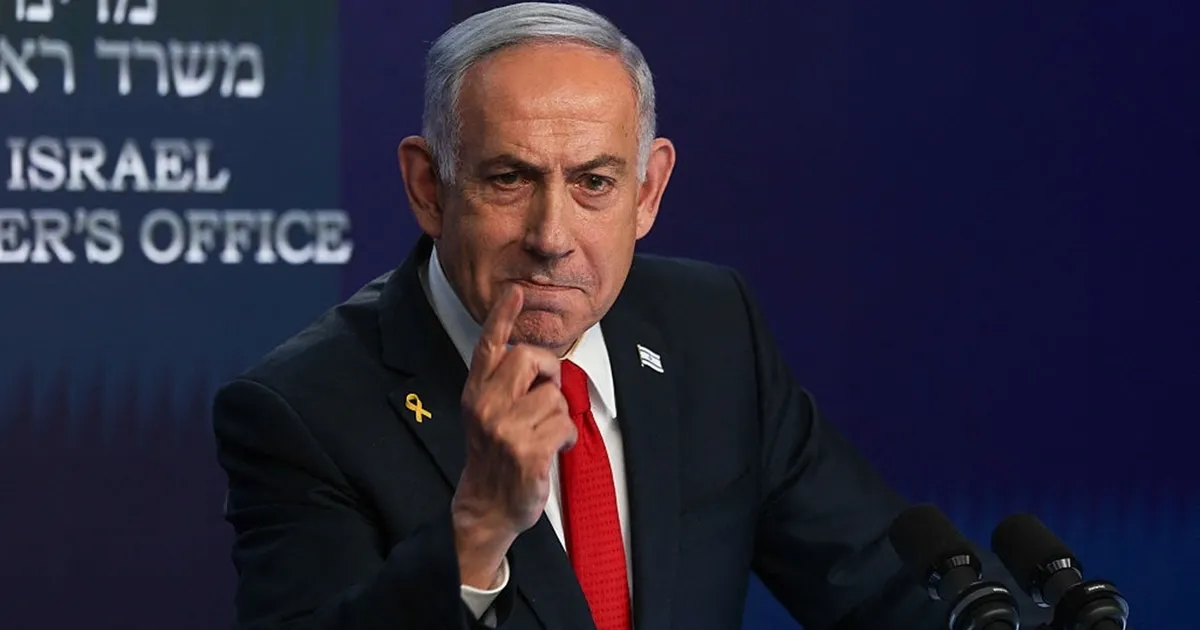
In this context, Trump's statements during a meeting in the Oval Office confirmed American reservations about the Israeli decision. He clearly indicated that he had not supported the attack, and had even asked Netanyahu not to carry it out. This statement reveals a gap in decision-making mechanisms between the two allies, as Israel appears willing to act unilaterally on issues it deems vital to its security, even without full American approval. In contrast, Netanyahu tried to downplay this divergence, emphasizing continued coordination and describing the relationship as very close, while acknowledging that Israel made the decision independently.
This divergence raises a fundamental question about the nature of leadership in this alliance: Is the United States truly leading, as Netanyahu asserts, or has Israel begun to act with a wider margin of independence amidst the complexities of the conflict? The answer to this question goes beyond the event itself, touching upon the essence of the relationship between the two parties at a moment of real test.
The dispute between Trump and Netanyahu also reflects a divergence in the philosophy of conflict management, where Trump tends to control the pace and avoid sliding into uncalculated escalation, while Netanyahu adopts a more offensive approach based on preempting threats. This divergence is not entirely new, but it became more apparent in this crisis due to the sensitivity of the targeted objective. Striking a strategic energy facility is not only seen as a military strike, but as a move that could redraw the rules of engagement and lead to a chain reaction that is difficult to contain.
From another perspective, this dispute can be read as a message directed to regional and international parties. Trump's statements may aim to reassure Washington's allies in the Gulf that the United States does not support uncontrolled escalation, while Netanyahu seeks to maintain Israel's deterrent image. This divergence in messages reflects an attempt by each party to address a different audience, adding another layer of complexity to the scene and making it difficult to interpret the positions as mere fleeting tactical differences.
In the longer term, this dispute may have a direct impact on the outcomes of the war with Iran. If the divergence in sensitive decisions continues, it could weaken the common front, giving Iran an opportunity to exploit the divisions. Conversely, this dispute might push both parties to redefine the limits of their coordination, ensuring greater clarity in decision-making. In either case, what happened indicates that the alliance, despite its strength, is not immune to deep strategic divergences.
Experts believe that the dispute between Trump and Netanyahu cannot be viewed as a fleeting incident, but rather as an indicator of deeper shifts in how the conflict with Iran is managed. While each party seeks to achieve its security and political objectives, the greatest challenge remains maintaining a delicate balance between coordination and independence. This balance, if disrupted, may not only affect the course of the war, but also the shape of the entire regional order, at a moment characterized by an unprecedented degree of fragility and tension.

Share your opinion
Coordination Breakdown or Repositioning? Trump-Netanyahu Dispute Over the War on Iran