







Washington – Said Arikat – 3/15/2026
News Analysis
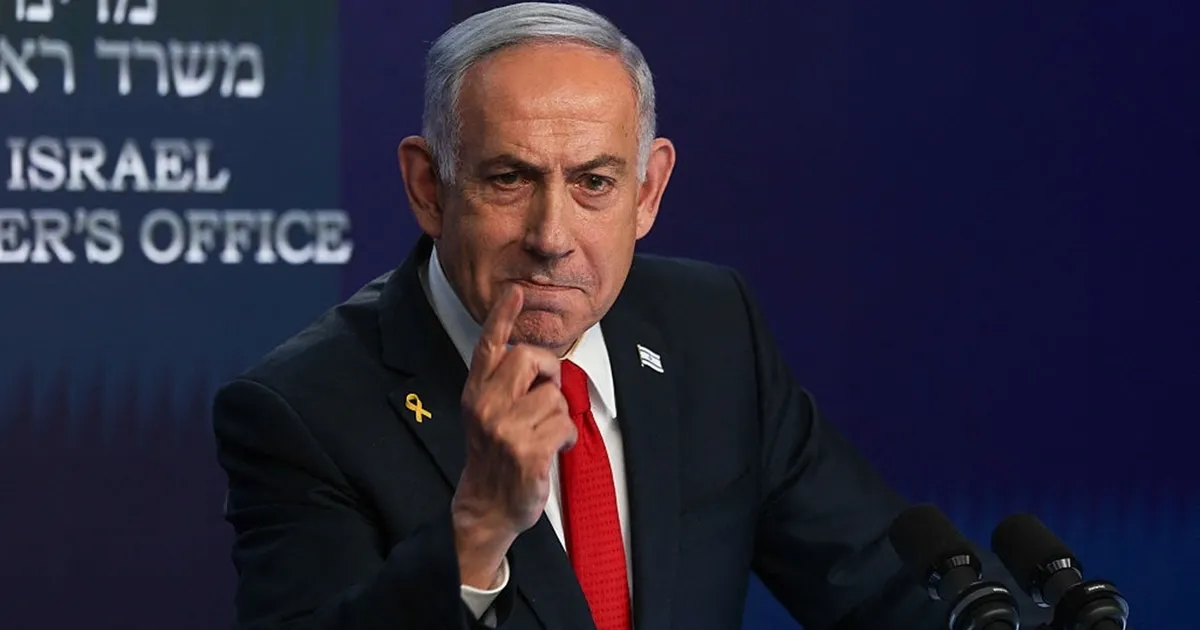
Tensions in the Gulf region escalated after statements by US President Donald Trump, who announced that the United States is working to form an international naval alliance to protect the Strait of Hormuz and keep it open to global navigation, indicating that many countries may send warships to the region alongside US forces as part of this broad military move. Trump said that countries such as China, France, Japan, South Korea, and the United Kingdom have been harmed by Iran's attempts to obstruct navigation in the strait, and therefore they must participate in its protection, in his words.
He added that US forces destroyed what he described as one hundred percent of Iran's military capability, but at the same time warned that Tehran is still capable of sending drones, planting naval mines, or launching short-range missiles along the vital waterway. He affirmed that the United States will continue to bomb the Iranian coast and sink military boats and ships if necessary to ensure the strait remains open and safe. He said in a firm tone that Washington will make the Strait of Hormuz safe and free one way or another soon.
These statements came after the US Central Command announced a large-scale military strike targeting Iran's Kharg Island, where it confirmed that US forces bombed more than ninety military targets during what it described as a precise operation.
In response, Tehran warned that any targeting of its energy facilities would lead to a direct response to American interests in the region. Iranian Foreign Minister Abbas Araghchi said in an interview with NBC News on Saturday that his country would target American companies or companies in which the United States has stakes if Iranian facilities were bombed by the United States or Israel.
He added that Tehran would act cautiously to avoid harming densely populated areas, but stressed that Iran would not hesitate to respond to any aggression. He also indicated that the strikes that targeted Kharg Island were launched, according to him, from the United Arab Emirates, specifically from "Ras Al Khaimah" and "Dubai," condemning the use of populated areas as platforms for launching American "HIMARS" missiles.
In a related development, the Iranian Revolutionary Guard announced that American interests in the UAE, including ports, docks, and military sites, have become legitimate targets after the American attacks, and also called on residents to stay away from ports and military bases to avoid civilian casualties.
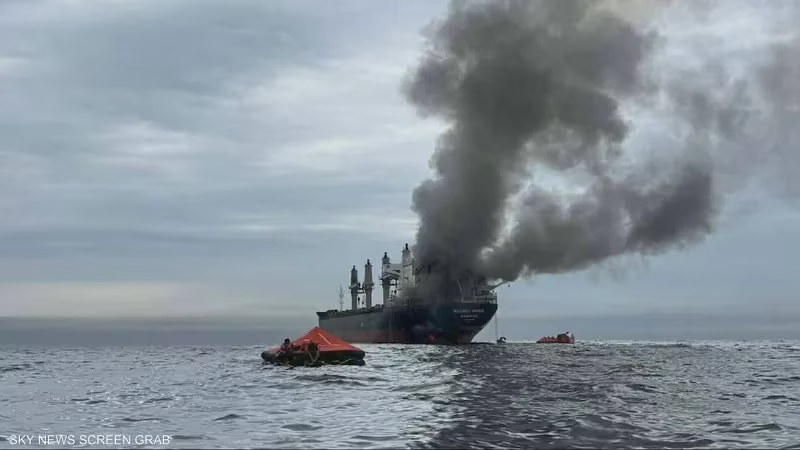
At the same time, media reports indicated a fire broke out at a major energy facility in Fujairah after shrapnel fell during the interception of a drone, with no injuries reported among workers. These developments indicate that the Strait of Hormuz has once again become the main center of tension in the conflict between Washington and Tehran, as the US administration considers freedom of navigation a red line that cannot be allowed to be threatened, while Iran considers the increasing military and economic pressure to target its sovereignty and national security, which makes the region on the verge of an open confrontation that may extend beyond the strait to affect the overall balance of security and energy in the Middle East.
Observers believe that Trump's statements reflect a clear desire to internationalize the confrontation over the strait instead of limiting it to a bilateral conflict with Iran. The call for Asian and European countries to send naval vessels means that Washington seeks to share the cost of protecting the world's most important oil passage, and also tries to enhance the legitimacy of its military actions by showing that the issue is not only about an American-Iranian conflict but about the security of the global economy.
However, this approach faces skepticism from experts who warn that any large military buildup in the strait could increase the chances of unintended friction between naval forces and turn the narrow passage into a dangerous show of force. Moreover, relying solely on military deterrence does not guarantee preventing limited attacks that may be carried out by irregular forces or small naval units, a scenario many fear will keep energy markets in a state of permanent tension in the coming period, especially if the political and military escalation between the two sides continues without effective negotiation channels capable of containing the crisis before the region slides into a wider confrontation that could affect global trade, the stability of oil prices, and the entire international economy in the near future.
Trump's statement about securing the Strait of Hormuz reveals a traditional American approach based on military force as the primary tool for managing international crises. However, this approach ignores that sensitive maritime passages are not managed solely by military deterrence but also by political understandings and regional security arrangements. Any open escalation around the strait could push Tehran to respond with asymmetric methods such as naval mines and drones, which are low-cost tools but capable of disrupting major fleets and global energy markets in just a few hours, and a large naval alliance could also
The warning issued by Iranian Foreign Minister Abbas Araghchi, in turn, reveals the nature of Iran's strategy in managing escalation with Washington. Tehran knows that the traditional balance of power clearly favors the United States, so it threatens to target economic interests and companies instead of direct military confrontation. Energy companies, ports, and transportation networks represent real pressure points on the global economy. Moreover, threatening commercial interests could create disagreements between Washington and its allies, who rely more on the stability of trade and energy in the Gulf than on long-term military adventures, which Iran is trying to exploit politically.
The broader dimension of this escalation relates to the future of global energy security. About one-fifth of the world's seaborne oil supplies pass through the Strait of Hormuz, and any disruption, however limited, immediately affects oil prices, insurance, and international shipping. Therefore, talk of a US-led naval alliance is not only about protecting navigation but also about reasserting American influence in the Gulf at a time when other international powers, such as China, are increasing their attempts to expand their economic and naval presence in the region, making the strait a theater of open geopolitical competition and not just a sensitive waterway.

Share your opinion
Strait of Hormuz on the Brink of Explosion: Trump Calls for Naval Alliance, Tehran Threatens American Interests