







The cart of the street vendor 'Abu Shaheen' roams the streets of Nablus city, north of the West Bank, laden with seasonal vegetables, but his voice, which passersby were accustomed to hearing, did not receive the usual echo this year. Despite the last ten days of Ramadan and the approaching Eid al-Fitr, commercial activity appears subdued and burdened by the worries of war and regional tensions that have cast a shadow over Palestinian consumer behavior.
Abu Shaheen describes the state of the markets as 'miserable,' indicating that the fear of the unknown has led many to drastically reduce their spending and settle for minimal purchases. The vendor believes that citizens now prefer to hold onto cash instead of shopping, in anticipation of any security or economic developments that may arise amid the ongoing escalation in the region.
For her part, government employee Mona Al-Aghbar expresses the compounded pressures facing Palestinian families, as the Eid season coincided with a suffocating salary crisis and escalating political tension. She explained that the irregular disbursement of financial dues forced her to reorder her priorities, limiting purchases to necessities only to ensure Eid clothes for her three children.
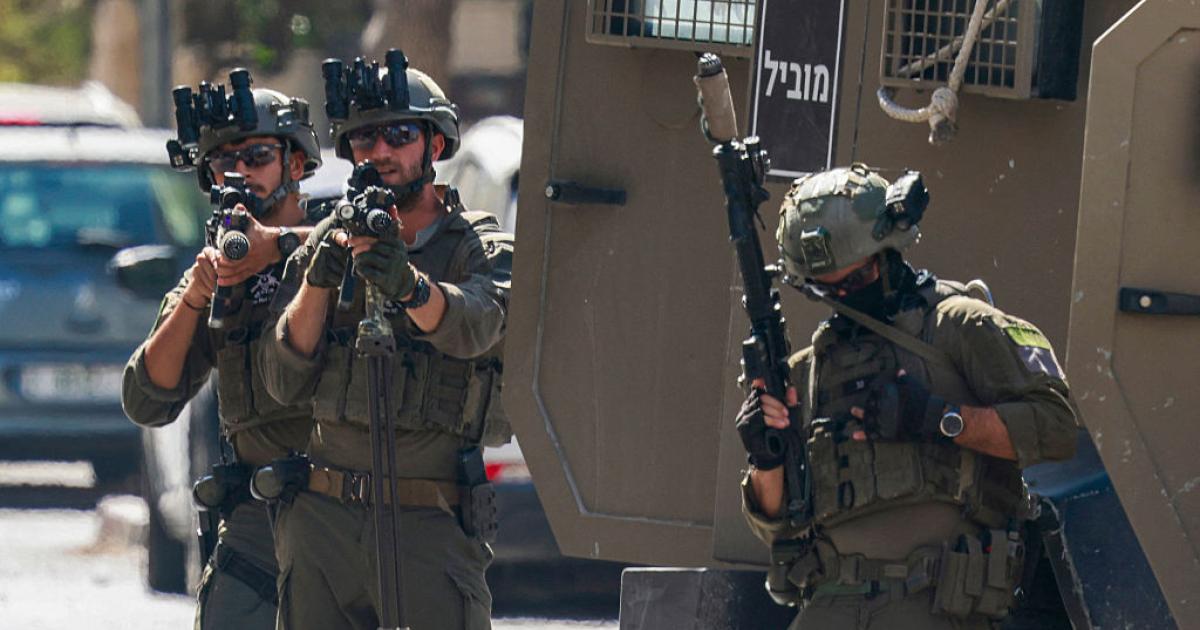
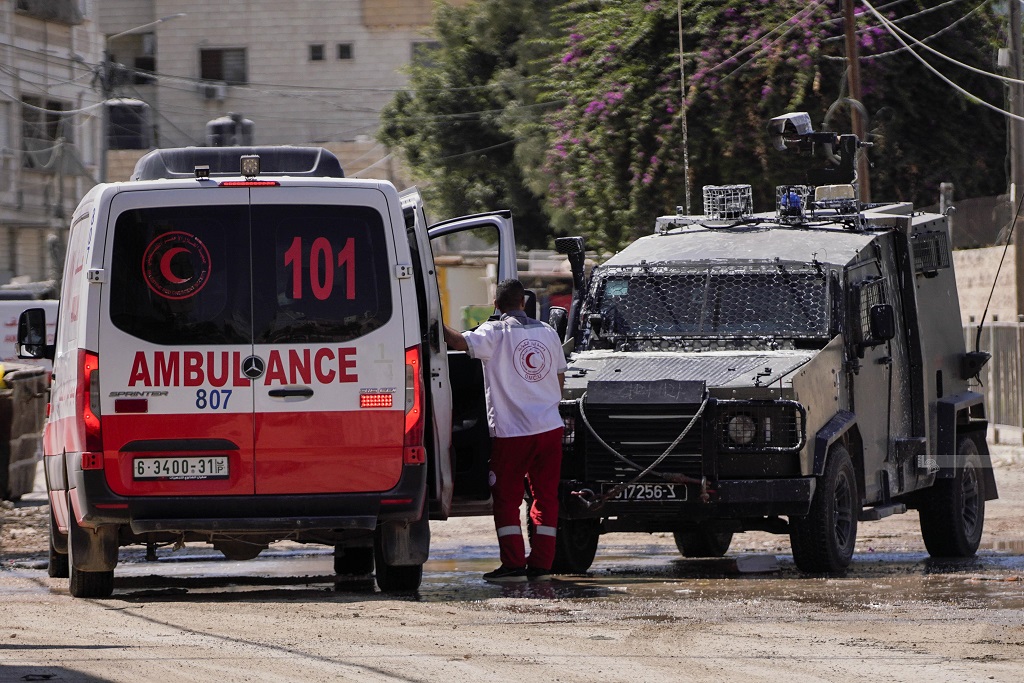
Nablus city, a vital economic center, faces a strict military siege imposed by the Israeli occupation on its main entrances, isolating it from surrounding villages and towns. This field closure has led to the absence of 'external purchasing power' that the city's markets primarily depend on, especially shoppers from rural areas and from within Palestine.
Traders in the city confirmed that the closure of checkpoints, such as the Beit Furik checkpoint, for several consecutive days caused a complete paralysis in some commercial sectors. They believe that the continued restriction on movement is the biggest obstacle to any attempt to revive the market, especially during seasons that are supposed to witness annual sales peaks.
Economic estimates indicate that the Palestinian market has lost about $9 billion since the start of the war in October 2023, due to the disruption of workers prevented from reaching their workplaces. This financial bleeding has led to a tangible decrease in general purchasing power, causing the head of the household to direct their limited spending towards food supplies and fuel only.
In the clothing and retail sector, trader Ayman Al-Masry speaks of goods piling up in warehouses due to citizens' reluctance to buy non-essential items. Al-Masry explained that traders are living in a state of uncertainty, as their capital is frozen in seasonal goods that may not find buyers, threatening their ability to meet their financial obligations to suppliers.
Al-Masry adds that consumer patterns have shifted radically towards household storage of food items and gas, fearing supply disruptions or complete closure of crossings. This shift has created a significant gap in the market, where luxury sectors suffer from a severe recession, while essential goods sectors face significant pressure that could lead to shortages in some items.
Yassin Dweikat, spokesperson for the Nablus Chamber of Commerce, explained that the city witnessed slight signs of recovery before Ramadan, but these quickly dissipated with the escalation of regional tensions. He pointed out that the absence of shoppers from within the occupied territories, who represent a significant commercial pillar, contributed to deepening the financial crisis plaguing shops.
Dweikat noted that accumulated financial crises, primarily the occupation's withholding of Palestinian clearance funds, estimated at $255 million monthly, have caused a liquidity shortage. This reality has placed traders under dual pressure, as they face the costs of accumulated inventory amid a complete absence of the usual purchasing activity at such times.
In an attempt to stir the stagnant waters, many traders resorted to offering huge discounts and sales on clothes, shoes, and sweets. Through these steps, they aim to collect any amount of cash liquidity to cover their operating expenses, despite realizing that the fear dominating consumers is stronger than any price temptations.
Regarding food security, official sources in the Ministry of Economy confirmed that the strategic stock of essential goods such as flour, oil, and sugar is sufficient for six months. However, Dweikat warned that uncalculated hoarding could create artificial crises in the markets, urging citizens to buy only according to actual need.
Economic circles are anxiously monitoring the repercussions of tension in international waterways, such as the Strait of Hormuz, and its impact on global commodity prices. Experts believe that any increase in shipping costs or global energy prices will inevitably reflect on the Palestinian market, already burdened by crises, which could lead to a new wave of unaffordable price hikes for consumers.
The scene in the West Bank markets remains suspended between traders' hopes for an imminent breakthrough and a field and political reality that is becoming increasingly complex. While families prepare to celebrate Eid with minimal means, shops remain full of goods and empty of customers, a picture that summarizes the depth of the economic crisis left by the war and siege.
People became fearful and tightened their belts; they refrain from buying and prefer to hold onto cash in anticipation of any emergency.
Share your opinion
West Bank Markets in the Grip of Recession: War and Siege Extinguish the Joy of Eid