







The last ten days of the blessed month of Ramadan this year have arrived at Al-Aqsa Mosque with a scene completely different from what the city of Jerusalem has known for decades, as the courtyards, which used to be bustling with tens of thousands of worshippers in seclusion, appeared empty and desolate. The occupation authorities closed the doors to worshippers, preventing them from reaching the mosque or even entering the Old City, in a measure considered the first of its kind since the occupation of East Jerusalem in 1967.
Under these strict restrictions, prayers inside the mosque were limited to only five people: the Imam, the muezzin, the prayer leader, the pulpit guard, and the mosque director, while the voices of the worshippers who used to fill the corridors and courtyards were absent. Field sources reported that a tone of sadness prevailed in the performance of the imams due to the absence of worshippers who were accustomed to answering the call to prayer in this sacred space.
One of the imams of Al-Aqsa Mosque, who has been leading prayers for over four decades, described the current situation as 'forced absence' of worshippers, noting that the mosque used to be crowded with visitors from Jerusalem, the Palestinian interior, and from outside the country as well. The imam expressed his deep sorrow at seeing the first of the two Qiblas empty at a time when the mosque was supposed to be filled with remembrance and seclusion around the clock.
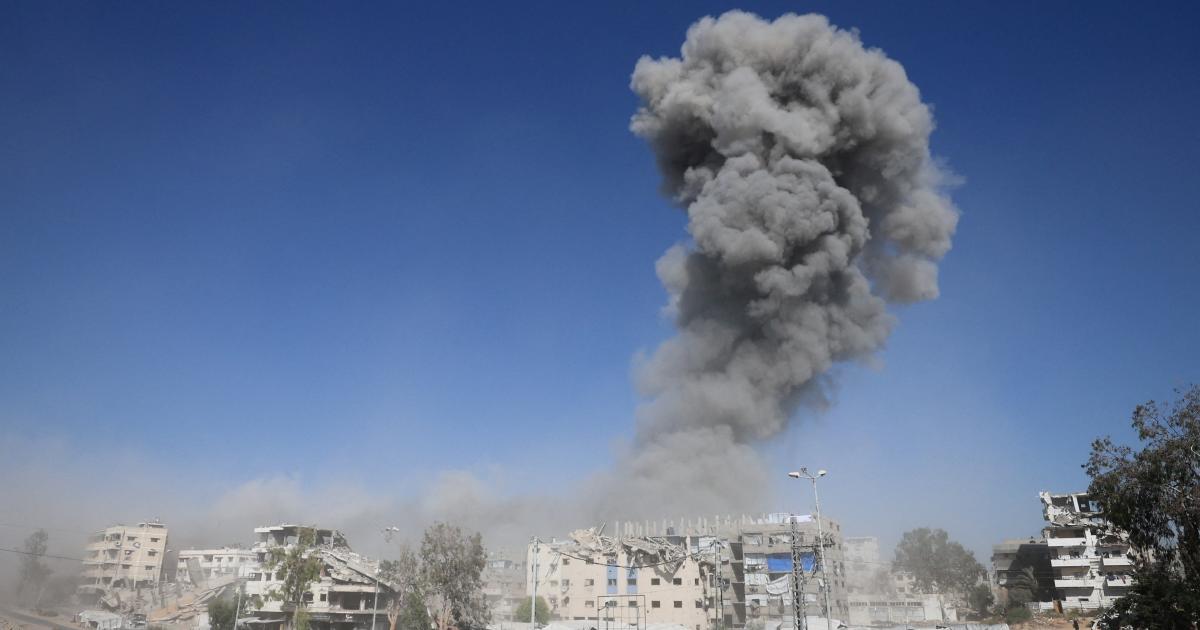
Since the outbreak of the recent military tensions in the region on February 28, prayers in Al-Aqsa have been limited to internal loudspeakers only, depriving the residents of the Old City from hearing the call to prayer and the prayers. The Dome of the Rock prayer hall also remained completely closed, which increased the mosque's isolation and stripped it of its usual spiritual and social symbolism during Ramadan.
Jerusalemites express deep anguish over this deprivation, as imams are forced to pray in mosques near their homes to compensate for their forced absence from the mihrab of Al-Aqsa. These imams face urgent and painful questions from worshippers about when the mosque will reopen, questions that remain without clear answers amidst the ongoing 'state of emergency' imposed by the occupation.
For his part, Jerusalemite doctor Majd Al-Hadmi, who has volunteered as an imam and muezzin for 15 years, considered what is happening to be 'unreasonable deprivation' and a clear politicization of security measures. Al-Hadmi affirmed that the pretexts put forward by the occupation regarding the absence of shelters are illogical, given the robustness of the historical prayer halls, which are more fortified than modern shelters, indicating other objectives behind the emptying.
Al-Hadmi stressed that Al-Aqsa represents a unique social and spiritual space where Palestinians from different regions meet, which the occupation seeks to undermine by cutting off the lifeline to the city. He believes that the absence of Arab and Islamic identity from Jerusalem in these blessed days is a carefully planned matter to impose a new reality that ends the collective Palestinian presence in the mosque.
Historical data indicate that the closure of Al-Aqsa Mosque and the prevention of Friday prayers there has occurred only five times since 1967, the last of which was in recent days coinciding with the ongoing military attack. This recent recurrence reflects an acceleration in the use of comprehensive closure as a punitive and political tool against Jerusalemites and Islamic holy sites.
The Governorate of Jerusalem warned that these measures fall within a systematic plan to impose direct occupation control over the mosque's administration and marginalize the role of the Islamic Endowments Department. The Governorate clarified that the occupation is exploiting the current circumstances to change the existing legal and historical status quo that recognizes Islamic custodianship over the holy sites.
Omar Al-Rajoub, Director of the Media Department in the Governorate, affirmed that the closure aims to consolidate Israeli influence and prepare the ground for future Judaization schemes in Al-Haram Al-Sharif. He considered that preventing worshippers from accessing the courtyards of Al-Aqsa during the holiest times represents a blatant violation of internationally guaranteed religious rights and a challenge to the international community.
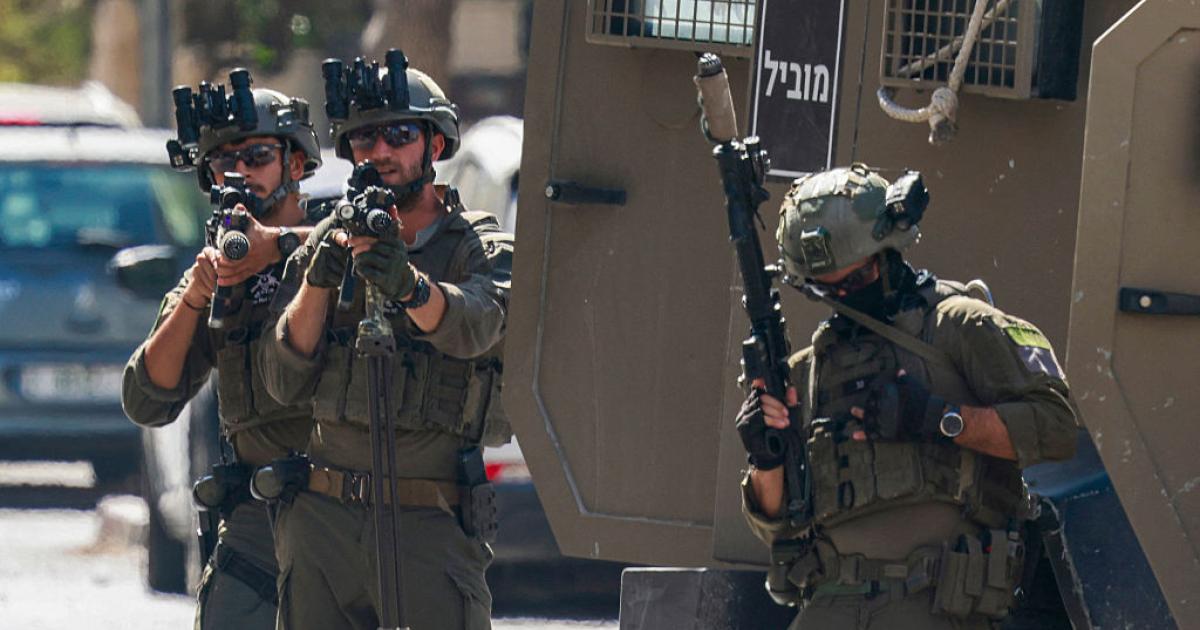
The recent Israeli restrictions included a complete ban on seclusion (I'tikaf), stopping the entry of necessities for worshippers and staff, in addition to activating armed military patrols inside the courtyards. The measures also affected 'Dar Al-Hadith Al-Sharif' by preventing scientific circles, in a clear attempt to dry up cultural and religious sources within Al-Aqsa Mosque.
In contrast to the restrictions on Muslims, local sources observed an increase in the times settlers stormed the mosque, and the issuance of hundreds of eviction orders against those stationed there, activists, and endowment employees. This duality in treatment reveals a premeditated intention to enable Jewish presence in the mosque at the expense of authentic Islamic rights, exploiting the declared state of war.
Jerusalemite activities believe that the occupation is sending political messages that complete control over Al-Aqsa has become possible, and that it has the ability to impose a new reality without deterrence. These messages are considered a dangerous signal to the local and international communities about the future of the holy city and its holy sites, which face an unprecedented existential threat under the guise of 'security'.
In conclusion, Al-Aqsa Mosque remains captive in these blessed nights to military measures that have turned its courtyards into a barracks, while Palestinians await an Eid whose joy may not be complete until they return to the embrace of their mosque. Questions remain about the extent of popular and diplomatic resilience to restore the status quo and protect Jerusalem's identity from ongoing distortion and Judaization.
Al-Aqsa is sad and there is no one in its courtyards; I never imagined that I would see the first of the two Qiblas empty of its inhabitants on the holiest nights of the year.
Share your opinion
Al-Aqsa in the Last Ten Days of Ramadan.. Empty Courtyards and Unprecedented Closure Decisions Since 1967