







The Palestinian narrative has long faced immense challenges in reaching global screens, especially in Hollywood, which for decades remained a closed space for narratives from the Middle East. As the 98th Academy Awards ceremony approaches, the cinematic scene appears to be undergoing an unprecedented historical transformation with three Palestinian films making it to the awards shortlist at once.
This intense presence raises fundamental questions about the beginning of the breaking of the cultural siege that has surrounded the Palestinian cause in global cinema for many years. After a journey that began with the film 'Divine Intervention' in 2003, and continued with Hany Abu-Assad's nominations for 'Paradise Now' and 'Omar', leading to the win of 'No Other Land' in 2025, it seems that 2026 represents the peak of this creative accumulation.
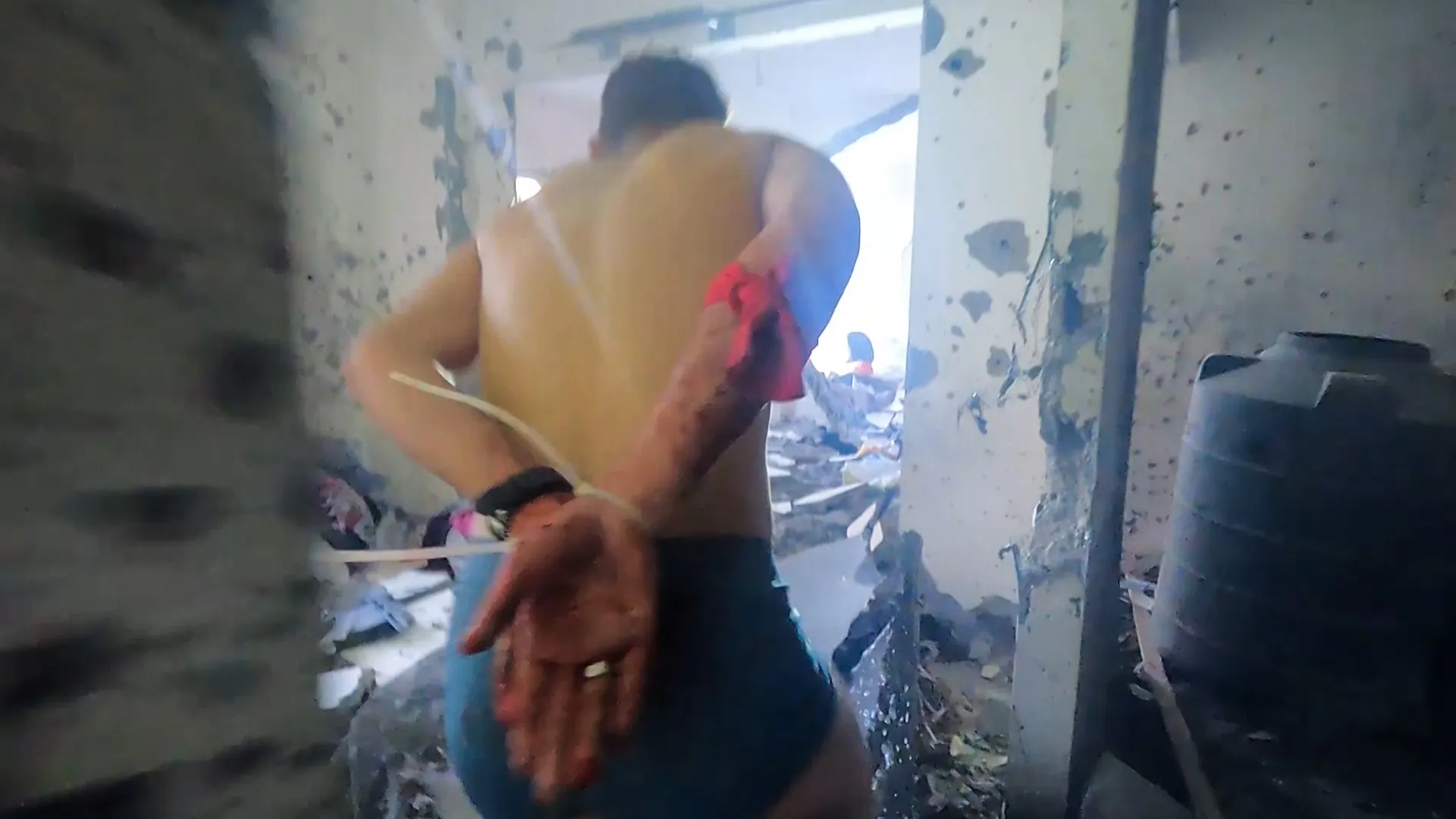
Leading the scene is the film 'The Voice of Hind Rajab' by Tunisian director Kaouther Ben Hania, which is nominated for Best International Feature Film. The film is based on a real tragedy that shook global conscience in January 2024, documenting the last moments of the child Hind Rajab through real audio recordings of her calls with Palestinian Red Crescent crews.
Ben Hania managed to transform this painful memory into a universal cinematic testimony that condemns violence and champions humanity, which led the film to receive an exceptional reception at the Venice Film Festival. The audience stood applauding the work for 23 continuous minutes, one of the longest applause periods in the history of the prestigious festival, expressing deep emotional impact from the story.
The second film, 'Palestine 36' by director Annemarie Jacir, takes viewers back to a pivotal historical era: the Great Palestinian Revolt against the British Mandate. This work is considered one of the largest Palestinian cinematic productions, highlighting the roots of the conflict and the colonial role in shaping the contemporary reality of the region.
The production of 'Palestine 36' faced major on-the-ground challenges, as the crew had to move filming from the West Bank to Jordan due to the outbreak of war in October 2023. Despite these difficulties, the film succeeded in garnering widespread international acclaim, especially at the Toronto Film Festival, despite Israeli attempts to restrict it, which included raiding its screenings in occupied Jerusalem.
The third film in this race is 'The Remainder' by director Shireen Dabees, which presents a human epic spanning three generations of Palestinians. The work traces the journey of a Palestinian family from the Nakba of 1948 until the late 1980s, illustrating how collective memory and identity are transmitted across decades despite displacement and refuge.
As with the other films, Dabees had to move filming locations to Cyprus, Greece, and Jordan due to security conditions in Palestine. The director considered that the arrival of these films collectively to global awards platforms reflects a belated but necessary international recognition of the importance of Palestinian stories and their ability to touch the human conscience.
Beyond the artistic aspect, these films fought a fierce battle in the distribution corridors within the United States, where major Hollywood companies preferred to avoid these politically controversial works. This reluctance pushed filmmakers to collaborate with independent distribution companies such as 'Willla' and 'Watermelon Pictures' to ensure the narrative reached the American audience.
These distribution difficulties reflect the fragility of Palestinian cinema's presence on major digital platforms, especially after the incident of removing dozens of Palestinian films from the 'Netflix' platform in 2024. Nevertheless, the insistence on being present in independent cinemas and festivals has contributed to creating a new cinematic awareness towards the issue.
In the face of these challenges, widespread solidarity campaigns emerged from Hollywood's A-list stars, who decided to break the silence and openly support Palestinian cinema. The 'Talking Palestine 36' campaign saw the participation of prominent names such as Mark Ruffalo, Susan Sarandon, and Riz Ahmed, which gave additional momentum to these films among voters.
This support from international stars reflects a radical shift in the internal discussion in Hollywood, where talking about Palestinian rights has become more acceptable and common. Artists no longer fear expressing their humanitarian stances towards the Middle East, which has helped highlight the artistic and aesthetic value of these cinematic works.
Indeed, the numbers for the 2026 season speak of an unprecedented breakthrough; the presence of three films on the shortlist in one year is an achievement that surpasses everything achieved in the past two decades. This development indicates that the Palestinian narrative is no longer just a fleeting 'exception' at festivals, but has become an authentic and established voice at the heart of the industry.
In conclusion, the arrival of these films to the 'Dolby' stage in Hollywood remains a victory in itself, regardless of the final results of the awards distribution. The mere presentation of these stories on the highest global cinematic platform means that the cultural siege has begun to crumble before the power of art and its ability to convey human truth from the heart of suffering.
The Oscar nomination is not about me personally as much as it is about the child who has become a human symbol for the story the film tells.

Share your opinion
Three Palestinian Films on the Oscar Shortlist: Has the Cultural Siege in Hollywood Been Broken?