







The region entered a dangerous historical turning point with the launch of joint American-Israeli military operations against Iran on February 28th. These moves, led by President Donald Trump's administration in coordination with Benjamin Netanyahu's government, aim to politically and geopolitically re-engineer the Middle East, imposing a new reality that completely ends Tehran's and its allies' influence in the region.
The attacking forces used a massive military arsenal that included strategic B1 and B2 bombers and advanced naval fleets, leading to widespread destruction of Iranian infrastructure. The initial waves of bombing resulted in over 1330 deaths, and the most prominent event was the assassination of Supreme Leader Ali Khamenei, which put the Iranian regime before an unprecedented existential test in the history of the revolution.
Tehran was quick to respond, launching over 2000 missiles and drones targeting American bases in the region and deep inside Israel, resulting in the deaths of 14 Israelis and 7 American soldiers. This military response revealed the use of new generations of precision and cluster missiles carrying warheads weighing over a ton, which disrupted the defensive calculations of the attacking coalition.
On the internal political front in Iran, state institutions rushed to pledge allegiance to Mojtaba Ali Khamenei as the country's new leader, in a move aimed at preventing any constitutional vacuum or internal collapse. This swift appointment is seen as a direct challenge to Washington and Tel Aviv's plans to install an alternative leadership that aligns with the Western agenda and submits to the dictates of the White House.
Economically, the war caused an earthquake in global energy markets, with oil prices soaring past the $100 per barrel mark, and navigation in the Strait of Hormuz halted for the tenth consecutive day. Control over this waterway, through which 25% of global oil exports pass, is one of the strategic objectives of the war to ensure the flow of petrodollars and control the destinies of nations.
Reports indicate that the financial cost of the conflict reached astronomical figures in its early days, with the Pentagon spending approximately $5 billion on ammunition in just 48 hours. In contrast, Israel recorded losses exceeding $6 billion in the first week, increasing pressure on the American economy, which is already suffering from a debt exceeding $33 trillion.
Given its inability to fully repel Iranian drones, Washington requested technical and military support from Ukraine, including sending experts and interceptor drones to protect American bases in Jordan. This reliance on Kyiv's expertise is due to its long experience in dealing with Iranian-made drones that Russia used extensively during the Ukrainian war.
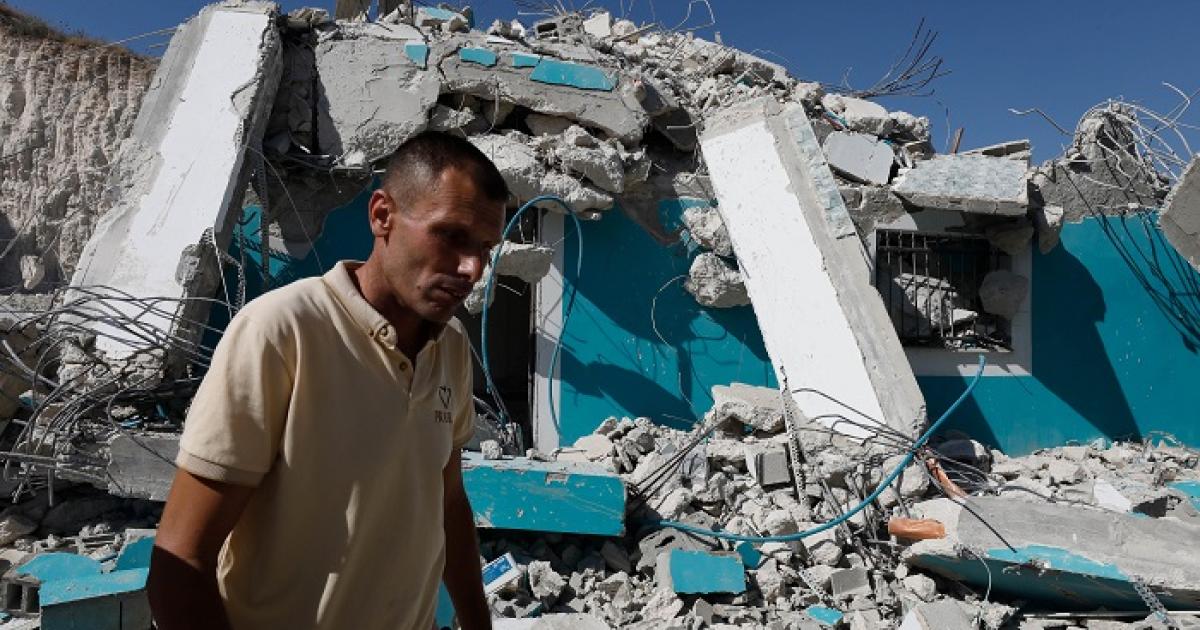
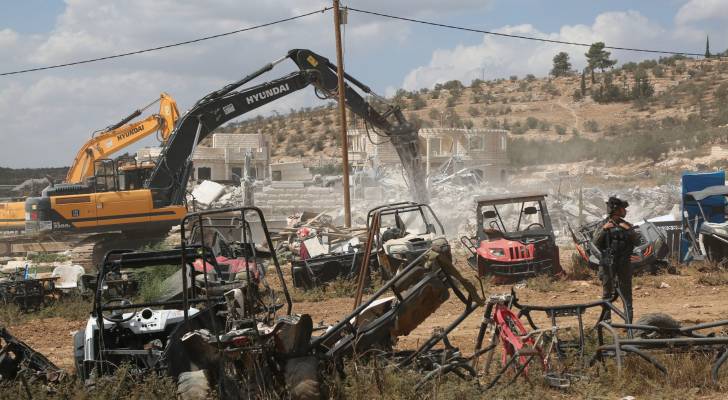
The war cast a heavy shadow over the Palestinian issue, as settlers exploited the regional preoccupation to escalate their attacks in the West Bank, leading to the killing of 6 Palestinians and the displacement of hundreds. Peace projects and negotiations related to the Gaza Strip also faltered, as the international priority shifted to preventing the confrontation with Iran from escalating into an uncontrollable comprehensive regional war.
Internationally, a sharp division emerged in the Security Council, where European powers refused to participate in military action, warning of its catastrophic consequences for global security and peace. European capitals believe that the war threatens to destroy global supply chains and raise inflation and unemployment rates in countries already suffering from suffocating economic crises and high debt.
The American strategy also aims to tighten the trade blockade on China, which relies almost entirely on Iranian oil to secure its energy needs. By controlling oil sources in Iran, Washington seeks to undermine China's economic power and re-establish unipolar dominance over the global financial system.
Within the United States, President Trump faces growing opposition in Congress and among the American public, with polls showing that 53% oppose this military intervention. Criticism of Trump is escalating due to his exceeding constitutional powers by waging a widespread war without official authorization, which portends an internal political crisis that could worsen with increasing human losses.
The Zionist plan, as analysts see it, aims through this war to reach the stage of 'Greater Israel' by removing the military obstacles represented by Iran and its allies. Netanyahu seeks, by striking the 'head of the snake' as he describes it, to pave the way for expanding the circle of normalization with countries in the region and ensuring Israel's qualitative military superiority for decades to come.
Informed sources confirm that the current war may draw a new map of the world that transcends the borders of the Middle East, as it redefines international alliances among major powers. With the continued mutual shelling, the option of returning to the negotiating table seems out of reach given the insistence of both sides on achieving strategic objectives that cannot be divided.
The question remains about the international community's ability to curb this escalation before it slides into a nuclear confrontation or a long-term war of attrition that drains the region's resources. Iran after the assassination of its leaders will not be the same as before, and the allegiance to the new leader indicates that Tehran has chosen the path of open confrontation instead of surrendering to American and Israeli pressures.
Our ambition is to empower the Iranian people to overthrow the rule of tyrants and expand the circle of normalization in the region.


Share your opinion
Dimensions of the American-Israeli Aggression on Iran: A New Engineering for the Region Amidst Stormy Economic and Military Repercussions