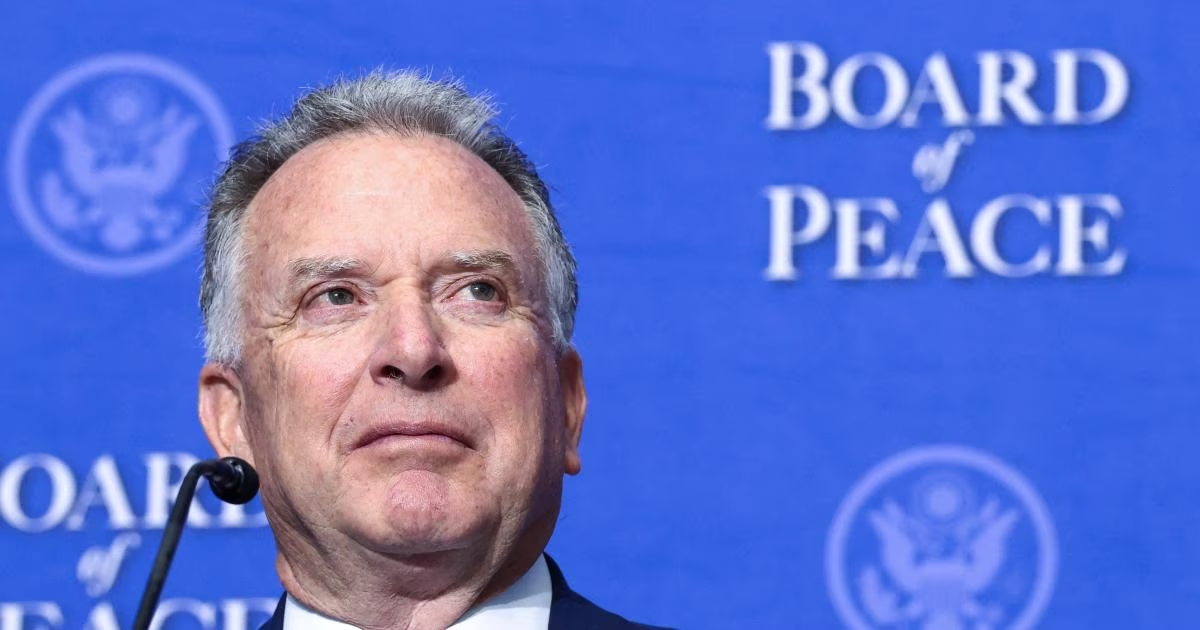







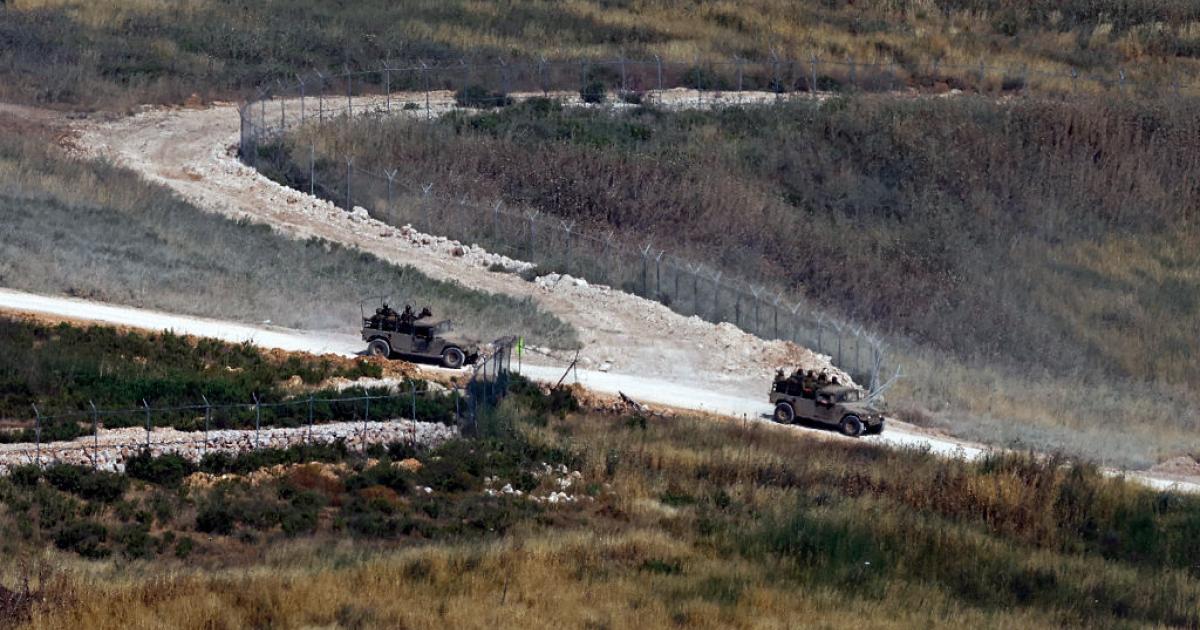
US Special Envoy Steve Witkoff revealed arrangements for an official visit to Israel early next week, directly aimed at enhancing joint coordination on military plans related to the ongoing war against Iran. This move marks the first of its kind for high-ranking American officials since the launch of joint military operations on February 28th.
In statements to international media, Witkoff indicated that the United States and its allies have largely undermined Iran's nuclear infrastructure. He clarified that the ability to enrich uranium is now almost completely destroyed, placing Tehran before difficult choices in the next phase of the confrontation.
On the international diplomatic front, significant developments emerged regarding Russia's stance on the conflict, with sources reporting that the Russian President held a phone call with his American counterpart, Donald Trump. During the call, the Russian side affirmed Moscow's abstention from providing Tehran with any intelligence information related to American military assets in the region.
For its part, the Kremlin remained silent on reports of US pressure to prevent information exchange with Iran, and the Russian presidential spokesman refused to comment on allegations of providing Tehran with coordinates of potential targets. These developments follow American press reports accusing Moscow of assisting its ally in identifying targets for retaliation against attacks.
In Washington, President Donald Trump downplayed the significance of any intelligence leaks that might reach the Iranian side, considering that they would not make a fundamental difference in the course of operations. Defense Secretary Pete Hegseth also expressed confidence in field superiority, asserting that the US administration is not concerned about Iranian attempts to gather information.
On the ground, the US Secretary of Defense announced a new phase of military escalation, vowing to launch the most intense airstrikes since the war began about ten days ago. Hegseth confirmed from the Pentagon that strikes directed at targets inside Iran would see unprecedented intensity to ensure the achievement of the operation's strategic objectives.
Hegseth emphasized that the timeline for military operations is entirely subject to the assessments and decisions of President Donald Trump, who is in charge of managing the crisis. He clarified that US forces are on high alert to carry out their assigned missions with high precision deep inside Iran.
In contrast, the Iranian response came from the Secretary of the Supreme National Security Council, Ali Larijani, who described the American threats as desperate attempts that would not intimidate the Iranian people. Larijani affirmed in official statements that his country is prepared for a long confrontation and will not back down in the face of increasing military pressure.
Larijani invoked religious and historical symbols in his speech to emphasize the resilience of the Iranian domestic front, warning the US administration against continuing this approach. He considered that military power, no matter how great, would not be able to erase the will of nations, vowing that the results would be counterproductive for the aggressors.
It is worth noting that the military confrontations that began in late February have led to severe human and material losses on the Iranian side, including high-ranking leaders in the hierarchy of power. In return, Tehran continues its attempts to retaliate by launching missile barrages and drones targeting various locations, which has resulted in damage to civilian properties in several areas.
Let's see if the Iranians want to talk, we have almost completely destroyed their ability to enrich uranium.
Share your opinion
Anticipated US-Israeli Coordination on War Plans Against Iran, Witkoff to Visit Tel Aviv Next Week