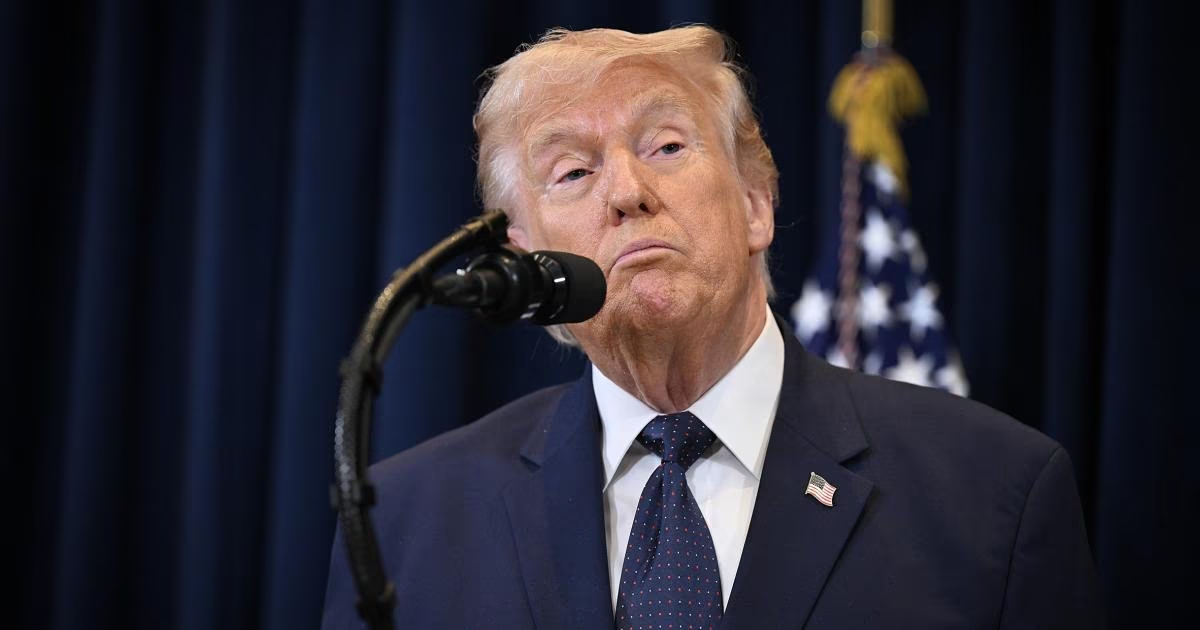







Recent statements by US President Donald Trump regarding the military confrontation with Iran have caused confusion and political controversy, due to the clear contradiction in his rhetoric within a short period. His positions have ranged from asserting the imminent end of military operations and describing them as a short-term journey, to indicating that the final victory has not yet been achieved as desired.
In a phone interview with media sources, Trump expressed his belief that the war was almost over, noting that US forces had made significant progress in implementing the timeline he had previously set. According to his estimates, operations that were supposed to take between four and five weeks had reached their final stages.
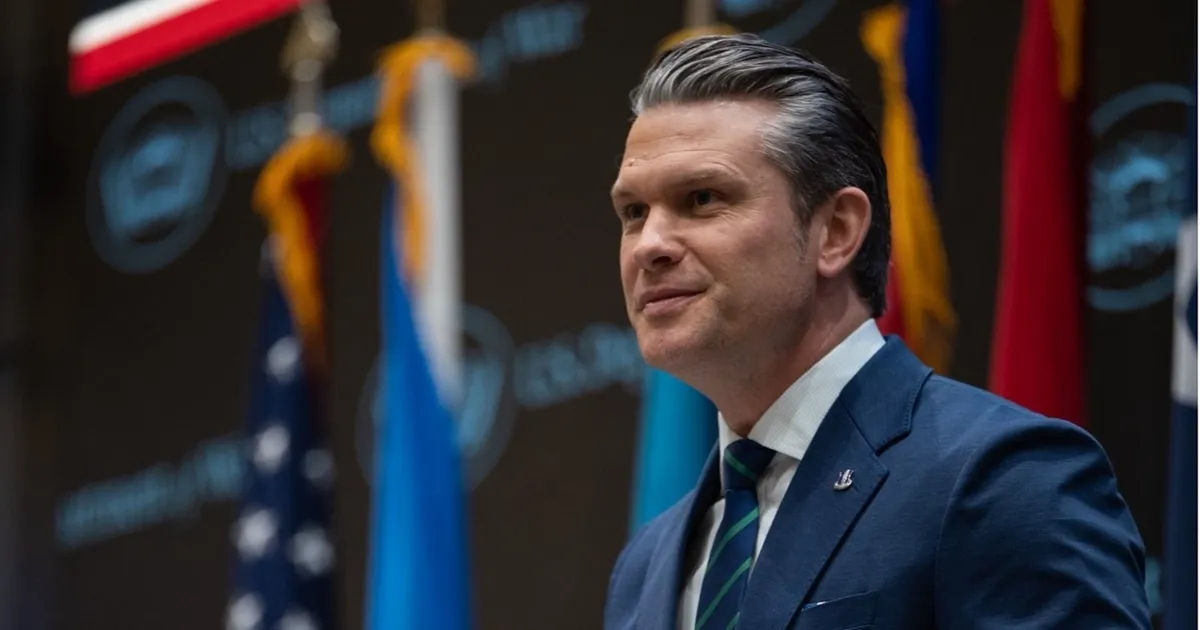
In contrast to the President's optimism, the US Department of Defense, through its official platforms, issued brief messages indicating that the fighting had just begun, reflecting a gap in the official narrative between the White House and the Pentagon. This discrepancy was reinforced by Defense Secretary Pete Hegseth's statement, who confirmed in a recorded interview that the current military operations against Tehran were only the beginning.
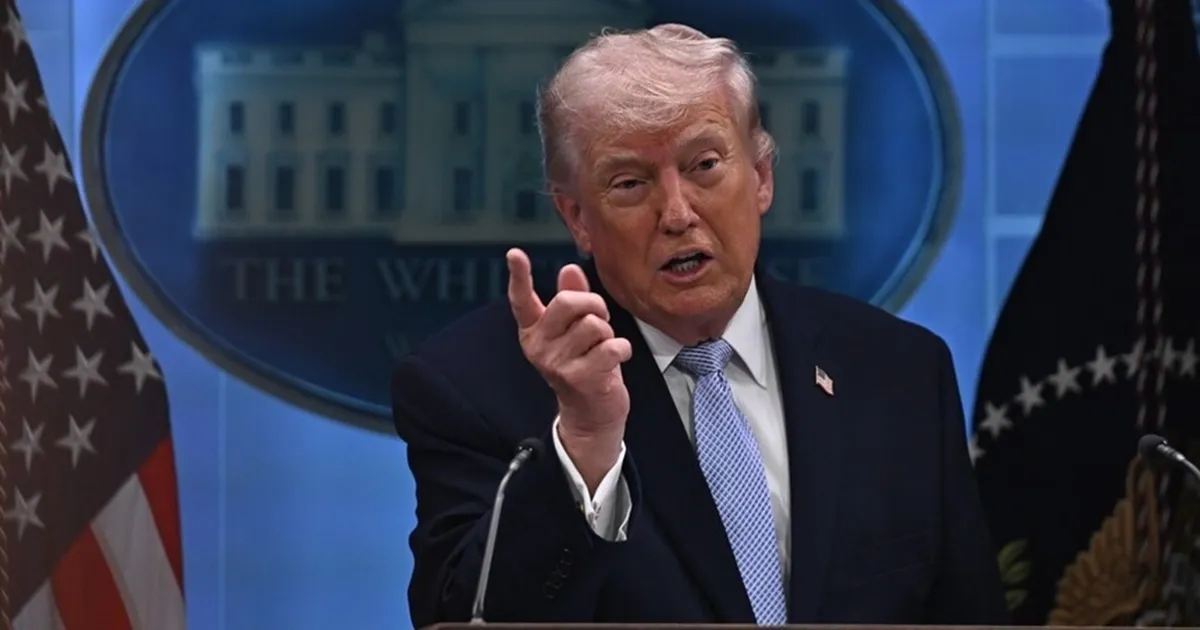
During a speech to Republican Party members in Florida, Trump tried to balance the achievements made with the need for continuity, emphasizing that the United States had achieved several victories but they were not enough to ensure lasting security. He stressed the need to move forward with greater determination to achieve what he described as a 'crushing defeat' of the enemy to ensure that threats do not return in the future.
The contradiction was not limited to the timeline of the war but also included the assessment of Iranian military capabilities, where Trump initially claimed that Tehran had lost all its air and naval power and communication networks. The US President claimed that Iran had launched everything in its arsenal and had nothing left to offer militarily in the face of the American war machine.
However, in a subsequent press conference, Trump partially retracted these absolute estimates, explaining that Iranian capabilities had not completely disappeared but had significantly diminished. This retraction was evident when he spoke about the naval fleet, where he modified his statement from 'no fleet' to 'most of it sunk,' with continuous changes in the number of targeted ships.
Reports indicate that Trump provided varying figures for Iranian naval losses, raising the number from 46 to 51 ships in a short time, according to press sources that followed the conference. This numerical discrepancy raised questions about the accuracy of the intelligence information on which the President bases his public statements.
Regarding the missile arsenal, Trump estimated that Iran's offensive capability had decreased to only about 10% of its original strength, considering that most missiles had been expended or destroyed in storage. He also noted a 75% decline in drone capabilities, expecting this threat to completely disappear in the near future.
The political and leadership file in Iran also received its share of contradiction, as Trump first declared the complete demise of the Iranian leadership and the absence of anyone in charge there. However, he later clarified that the leadership had been eliminated at only two levels, noting that the current figures are not internationally known.
In a related context, the US President expressed his concern and disappointment with the selection of Mojtaba Khamenei as the new guide for the Islamic Republic, considering that this step would exacerbate the crises facing the country. This statement reflects an implicit acknowledgment of an existing leadership structure, contrary to his previous claims of a complete collapse of the regime.
The most controversial issue was his direct accusation of Iran being responsible for bombing a girls' elementary school in Minab, an attack that killed more than 150 people. Trump initially and firmly asserted that Tehran carried out the attack based on preliminary reports he reviewed while on Air Force One.
But by Monday, the President appeared less confident in his accusations, telling reporters that investigations were still ongoing and that he would await the final report to accept the results. This retraction indicates pressure or new data that may have cast doubt on the initial narrative adopted by the White House regarding the tragic incident.
It is surprising that Trump hinted at the possibility of Iran using a 'Tomahawk' missile in the aforementioned attack, a type of cruise missile that the United States is famous for manufacturing and Iran does not possess. This technical error increased the intensity of criticism directed at his statements, and observers considered it evidence of the inaccuracy of the information circulated in press conferences.
In conclusion, the American vision towards the conflict with Iran remains oscillating between the desire to declare a quick victory and the reality on the ground indicated by the Department of Defense. While the world awaits more clarity in the American strategy, Trump's statements remain rich material for analysis about the future of the region in light of this open confrontation.
We will move forward with greater determination than ever before to achieve a final victory that will end this danger forever.


Share your opinion
Trump's Contradictions Spark Controversy: Is the Military Confrontation with Iran Nearing Its End?