







Washington – Said Arikat – 3/8/2026
News Analysis
The developments of the past two years in the confrontation between the United States and Israel on one side, and Iran on the other, reveal a gradual path of wars and temporary truces. This reflects a recurring pattern in the management of major conflicts, where rounds of fighting are interspersed with short pauses to re-evaluate military and political calculations. The chronological sequence of events shows that the ceasefire announced in mid-2025 was not the end of the confrontation, but rather a transitional phase between two wars.
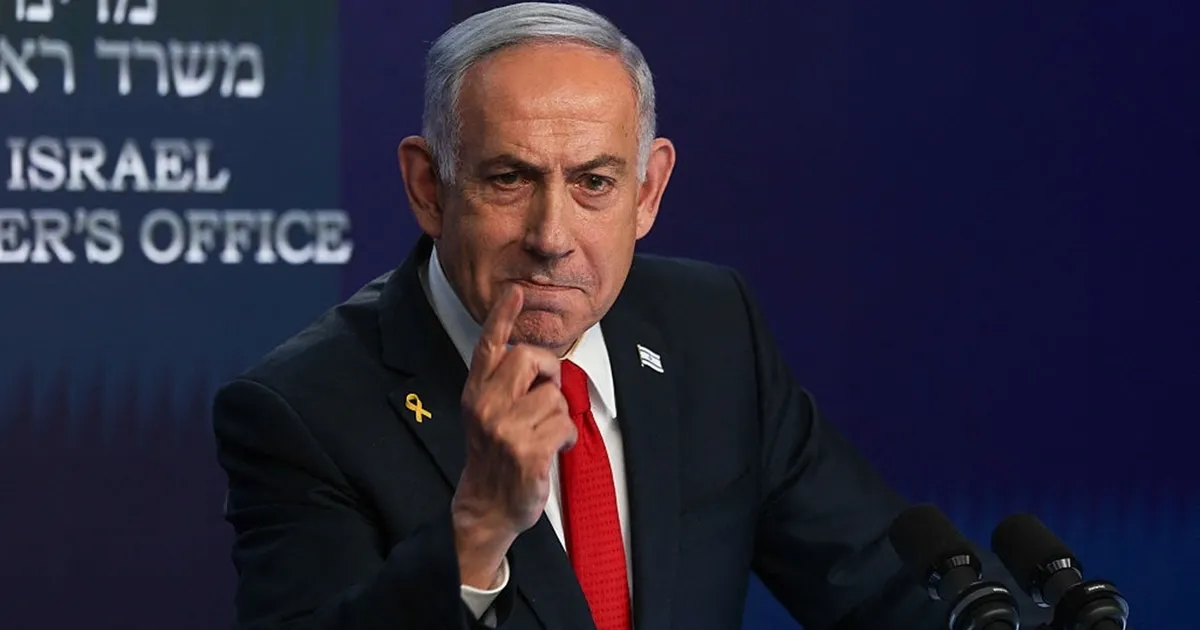
This phase began on June 13, 2025, when Israel, led by Prime Minister Benjamin Netanyahu, launched a widespread war on Iran, later known as the "Twelve-Day War." According to military assessments, Tel Aviv aimed to weaken Iran's military capabilities and re-establish the deterrence equation that had eroded due to accumulated tensions in the region. However, Iranian responses, both direct and through its regional allies, raised the level of risks and opened the door to the possibility of the confrontation expanding into a wider regional war.
Amidst that war, US President Donald Trump announced a ceasefire on June 23, 2025, after twelve days of fighting. The decision was presented at the time as a step aimed at containing the war and preventing its expansion in the Middle East. However, subsequent readings of this decision within political and military circles in Washington led a number of analysts to consider it closer to a tactical truce than a sustainable settlement, especially since it was not accompanied by a clear diplomatic path or political negotiations that could lead to a long-term de-escalation.
During the months following the ceasefire, a relative calm prevailed for approximately eight months. However, this calm was not widely interpreted as the end of the war, but rather as a phase for re-evaluation and repositioning. This period gave Washington and Tel Aviv an opportunity to review the results of the first round of fighting and re-arrange their military preparations, while Tehran worked to strengthen its defensive capabilities and prepare for the possibility of a new confrontation.
Historical experiences in managing international conflicts indicate that periods of calm between wars are often used to rebuild military capabilities or modify strategic plans, especially when parties are not ready for a long war at a specific moment. In this context, the ceasefire in the summer of 2025 seemed more like a transitional phase in an ongoing conflict, rather than an endpoint.
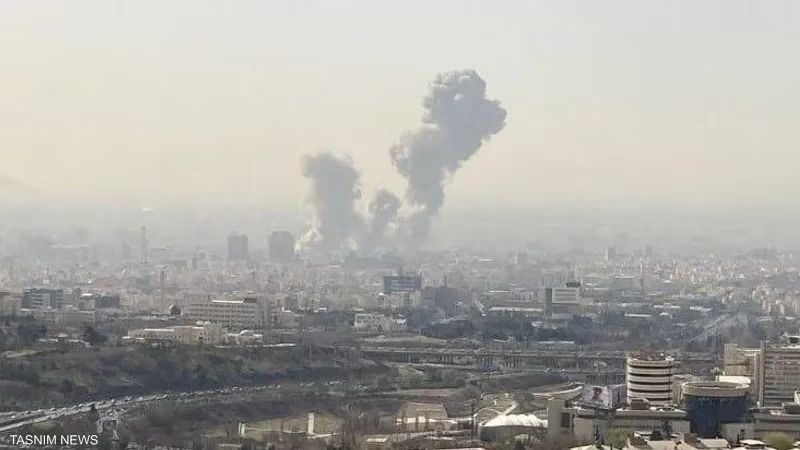
After about eight months of relative calm, the confrontation returned to the forefront when the United States and Israel launched a widespread war against Iran on February 28, 2026, which appeared more extensive than the previous war, both in terms of the nature of the targets and the level of military coordination between Washington and Tel Aviv.
According to multiple accounts, the initial strikes focused on targeting the Iranian political and military leadership structure, including Supreme Leader Ali Khamenei and a number of senior military officials. Initial estimates indicate a large number of Iranian leaders were killed in these strikes, as part of an attempt to create a shock within the political and military system.
In addition to military targets, reports emerged of a large number of civilian casualties, adding a sensitive humanitarian dimension to the war. Among the most controversial incidents was what the "New York Times" revealed about the killing of at least 158 girls from the "Good Tree School" as a result of an American bombing, which sparked widespread reactions in the media and among human rights organizations.
In contrast, US President Donald Trump continued to defend the strategy of intense military pressure, considering that the war might ultimately push Iran to accept new conditions or modify its regional policies. This assessment is based on the premise that the accumulation of military and economic pressures can weaken the Iranian regime's ability to continue the confrontation for a long period.
However, this assessment is not universally accepted within strategic analysis circles. Iran still possesses a wide network of regional allies, in addition to missile and military capabilities that could contribute to expanding the scope of the war if it decides to respond more broadly. Moreover, the confrontation is not limited to its direct military dimension, but is also linked to regional power balances and the future of security arrangements in the Middle East.
The chronological sequence of events since the summer of 2025 indicates a clear pattern in the management of this conflict, where wars are interspersed with temporary truces that allow parties to re-evaluate the field and prepare for new rounds. The ceasefire announced in June 2025 did not open a clear diplomatic path as much as it paved the way for a subsequent, more extensive war.
At the same time, the reliance on targeting the supreme leadership of countries as a means to bring about rapid change in their behavior remains a controversial strategy in modern conflicts. Many experiences have shown that this type of operation can sometimes lead to counterproductive results, as it strengthens internal cohesion and gives the political leadership an opportunity to mobilize society around a confrontational discourse.
Specifically in the Iranian case, external military pressure may reinforce nationalist sentiment within Iranian society and expand the circle of support for the regime, which could make the war more complex and prolonged. Thus, the current confrontation appears to be part of an extended strategic conflict that may continue through successive phases of wars and truces, rather than being resolved in a single military round.

Share your opinion
From the Twelve-Day War to the February War: The Gradual Path of US-Israeli Aggression Against Iran