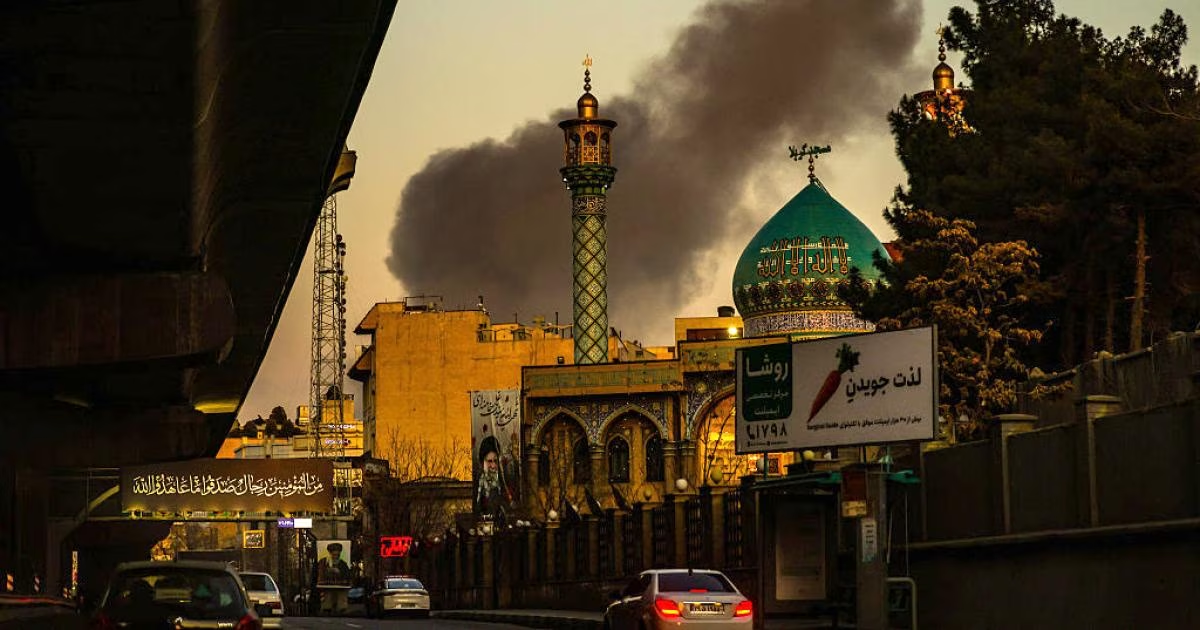







The intensity of the direct military confrontation between Iran on one side, and the United States and Israel on the other, escalated as the aggression entered its second week today, Saturday. A state of ambiguity dominates the field and political scene amid the absence of any horizon for de-escalation, especially with the American administration's insistence on harsh conditions for halting military operations.
The Israeli occupation army announced a wide wave of violent air raids, in which more than eighty warplanes participated, targeting vital military sites and missile launchers in the capital Tehran and central regions of the country. These attacks come as part of an attempt to undermine Iranian defensive and offensive capabilities that targeted Israeli depth in recent hours.
In response, Tehran retaliated by launching intense missile barrages, the second of their kind since dawn today, as sirens blared in Tel Aviv, central regions, and West Bank settlements. Field sources confirmed that Iranian missiles reached wide ranges including Jerusalem, the Dead Sea region, and the southern Negev, leading to a state of full alert.
Media sources reported the interception of an Iranian missile equipped with a fission warhead over the greater Tel Aviv area, while shrapnel and other missiles fell in open areas. This missile bombardment caused partial paralysis within major cities, amid reports of casualties since the start of the military escalation last week.
Iranian retaliation was not limited to ballistic missiles; the Iranian army announced widespread drone attacks targeting strategic sites. These attacks included military bases belonging to US forces in the region, specifically in the United Arab Emirates and Kuwait, in response to direct American support for Israeli raids.
The official Iranian news agency clarified that naval forces targeted Al Minhad Air Base in the UAE and another base in Kuwait, in addition to strategic facilities within the occupied territories. This development represents a dangerous expansion of the regional conflict to include countries and military bases outside the direct geographical scope of the confrontation.
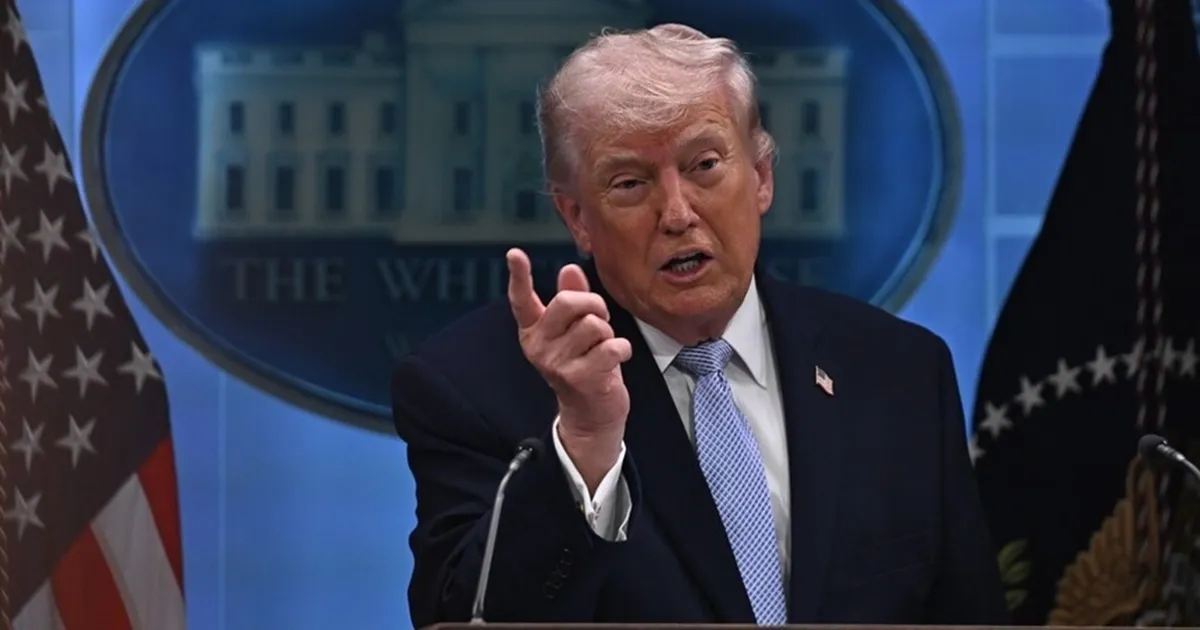
On the political front, US President Donald Trump blocked any diplomatic mediation efforts, asserting that he would not accept any agreement with Tehran that does not include unconditional surrender. Trump wrote on his platforms that Washington and its allies would only work to rebuild Iran economically after the selection of a new internationally acceptable leadership.
In Tehran, the Iranian Revolutionary Guard showed clear defiance of American movements in the Strait of Hormuz, with its spokesman Ali Mohammad Naeini announcing that Iranian forces were 'waiting' for American warships. Naeini warned Washington against escorting commercial vessels, recalling historical and recent incidents of targeting oil tankers in the region.
Shipping traffic in the strategic Strait of Hormuz is experiencing a state of near-total paralysis due to escalating military tensions and mutual threats. This comes at a time when the US Energy Secretary announced the navy's readiness to escort commercial vessels to ensure the flow of energy supplies, which Tehran views as a direct provocation to its sovereignty.
On the ground, Iranian missile barrages extended to Haifa, the Galilee and Golan regions in the north, as well as Beersheba and settlements adjacent to the Gaza Strip. These coordinated attacks reflect Tehran's ability to target all Israeli-controlled geography simultaneously despite the intensity of air raids.
These successive developments led to severe disruptions in global financial markets, with oil prices recording significant increases due to fears of supply disruptions through vital waterways. Observers warn that the continuation of the war could lead to a global economic crisis extending beyond the Middle East.
Despite Iranian President Masoud Pezeshkian's reference to mediation efforts by unnamed countries, tough American statements and rapid field operations suggest that the conflict is heading towards further escalation. The second week of the confrontation remains open to all possibilities in the absence of any signs of retreat from the parties involved in the fighting.
There will be no agreement with Iran except through unconditional surrender!

Share your opinion
80 Israeli Fighters Bombard Tehran, Trump Demands Unconditional Surrender