







The direct military confrontation in the Middle East entered its sixth day, with explosions resounding in capitals and cities stretching from Tehran to Beirut, all the way to Iraqi Kurdistan. These rapid developments come amidst an unprecedented war launched by the United States and Israel, which in its early days resulted in the death of Iranian Supreme Leader Ali Khamenei, pushing the region to the brink of a comprehensive regional conflict.
In the Iranian capital, Tehran, field reports showed widespread destruction affecting vital facilities and public buildings, including the Azadi Sports Complex and major commercial facades, due to intense airstrikes. Local sources reported that the city had turned into a 'ghost town' with the spread of security checkpoints and ongoing debris removal operations, while internet service quality dropped to a mere 1%.
On the Lebanese front, Israeli forces intensified their airstrikes on Beirut's southern suburb, a Hezbollah stronghold, leading to the leveling of entire buildings and the rise of dust and rubble clouds. This coincided with a ground incursion into southern Lebanon, where the Israeli army issued urgent warnings to residents to evacuate immediately and head towards the north and east, causing a massive displacement wave involving tens of thousands.
Victim statistics indicate a worsening humanitarian catastrophe, with Iranian authorities announcing the death of over 1,200 people since the start of military operations last Saturday. In Lebanon, the Ministry of Health confirmed the death of 72 people and the injury of hundreds in recent days, with expectations of these numbers rising as violent raids continue on densely populated areas.
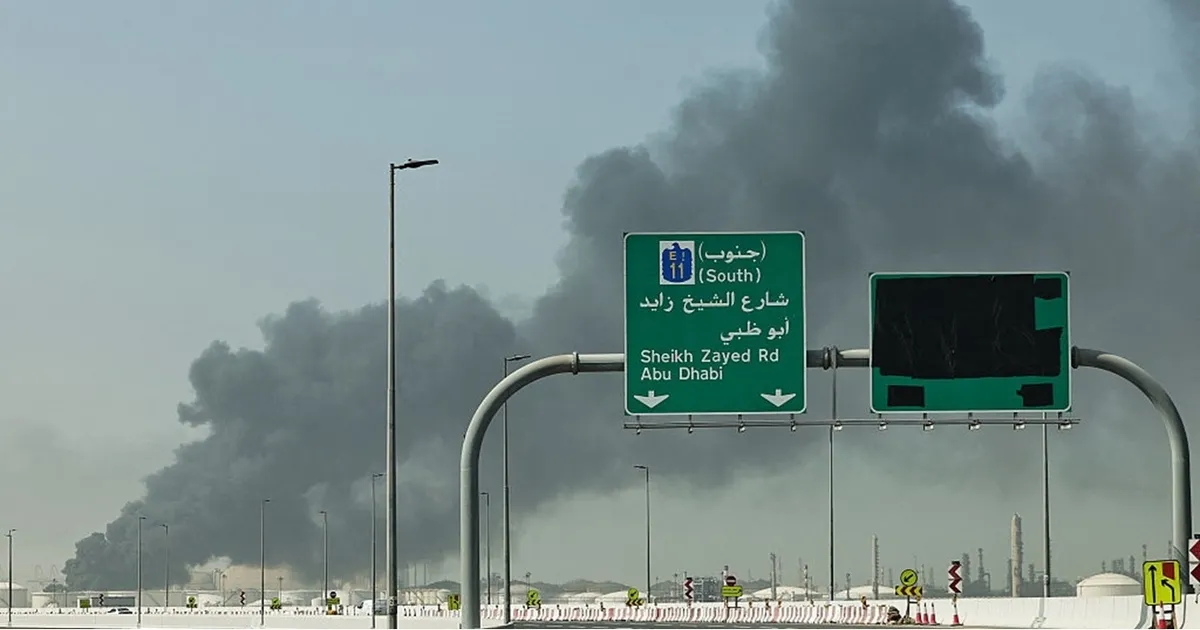
On the ground, the Iranian Revolutionary Guard announced the execution of widespread missile attacks targeting Ben Gurion Airport and Israeli airbases, using heavy 'Khorramshahr-4' missiles. Iranian attacks also targeted US military sites in Kuwait, in addition to targeting an oil tanker in the Gulf waters, in retaliation for the strikes that targeted the Iranian leadership.
In a dangerous naval development, the first of its kind in decades, a US submarine successfully sank an Iranian frigate in the Indian Ocean, resulting in the death of 87 sailors and the loss of others. Iranian Foreign Minister Abbas Araghchi described the incident as an 'atrocity' that Washington would deeply regret, emphasizing that Tehran would not stand idly by while its naval vessels were targeted in international waters.
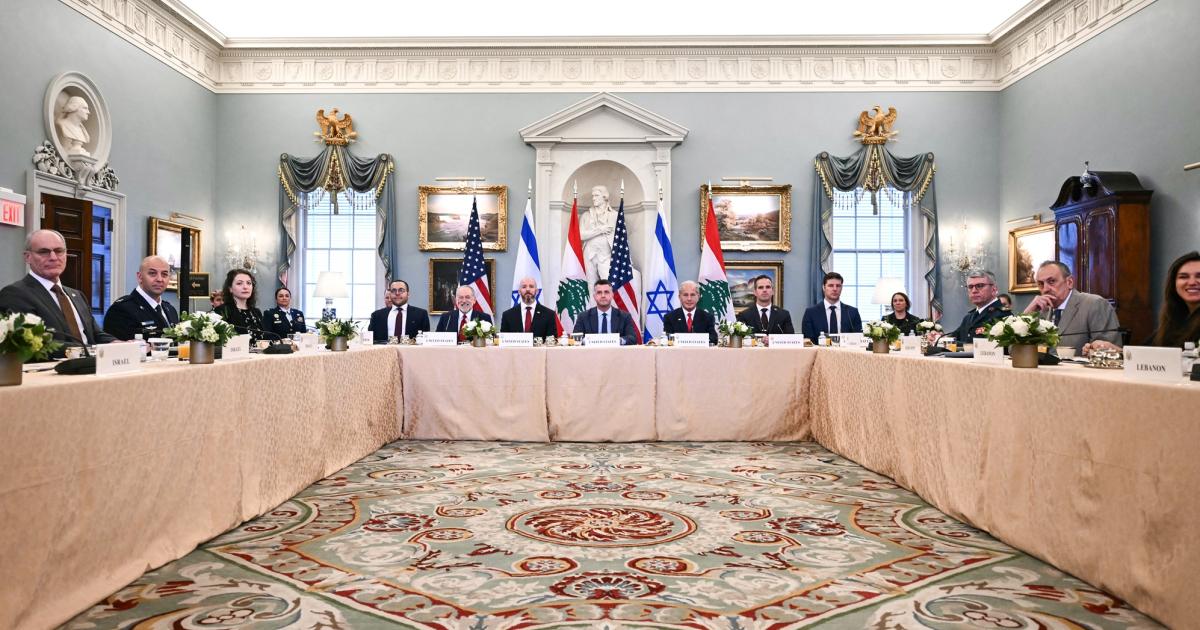
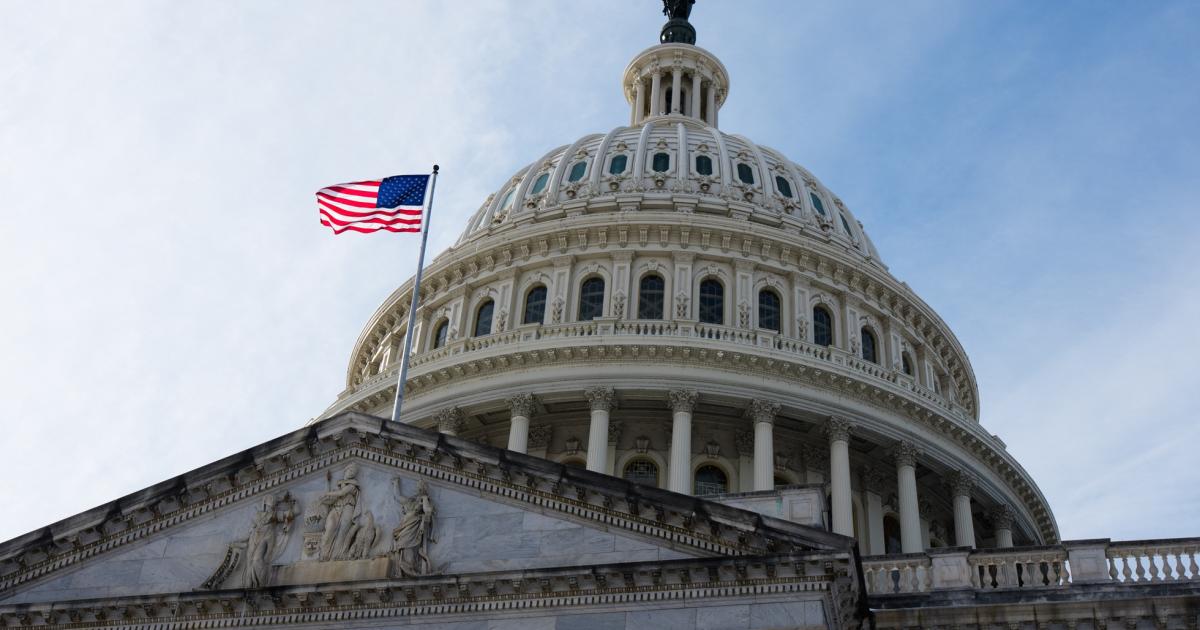
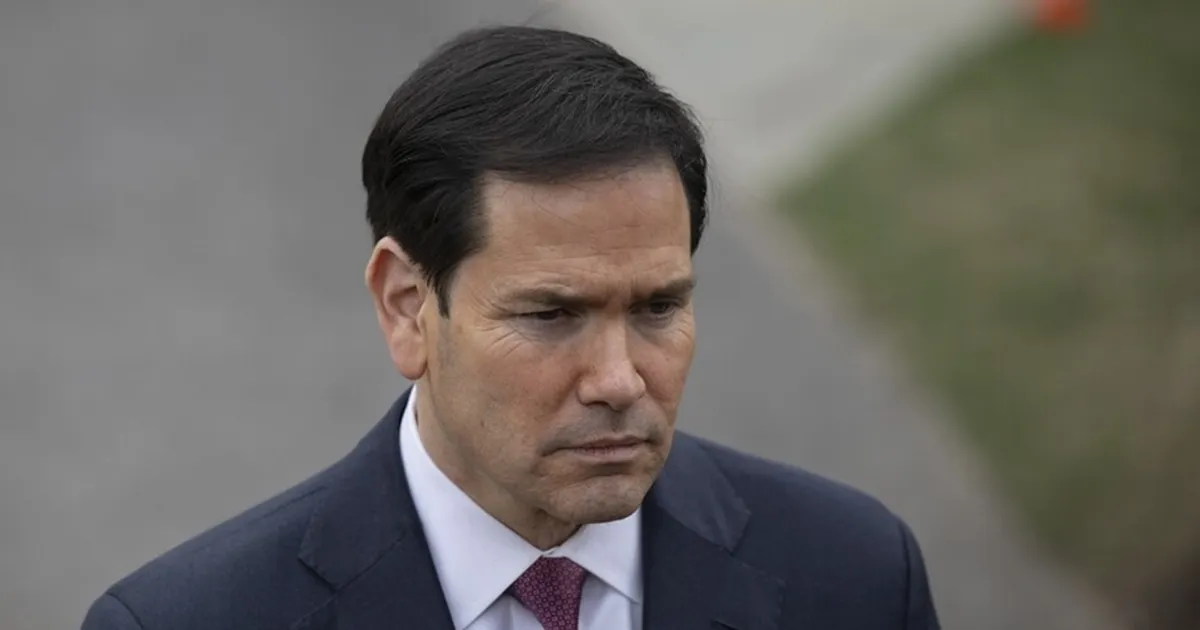
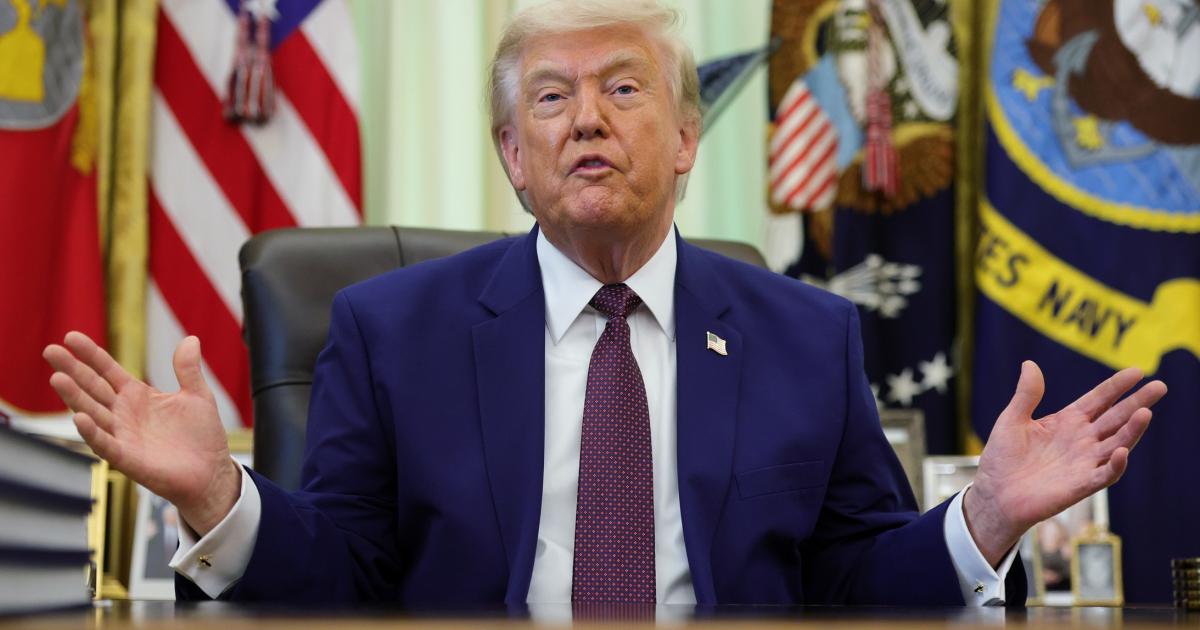
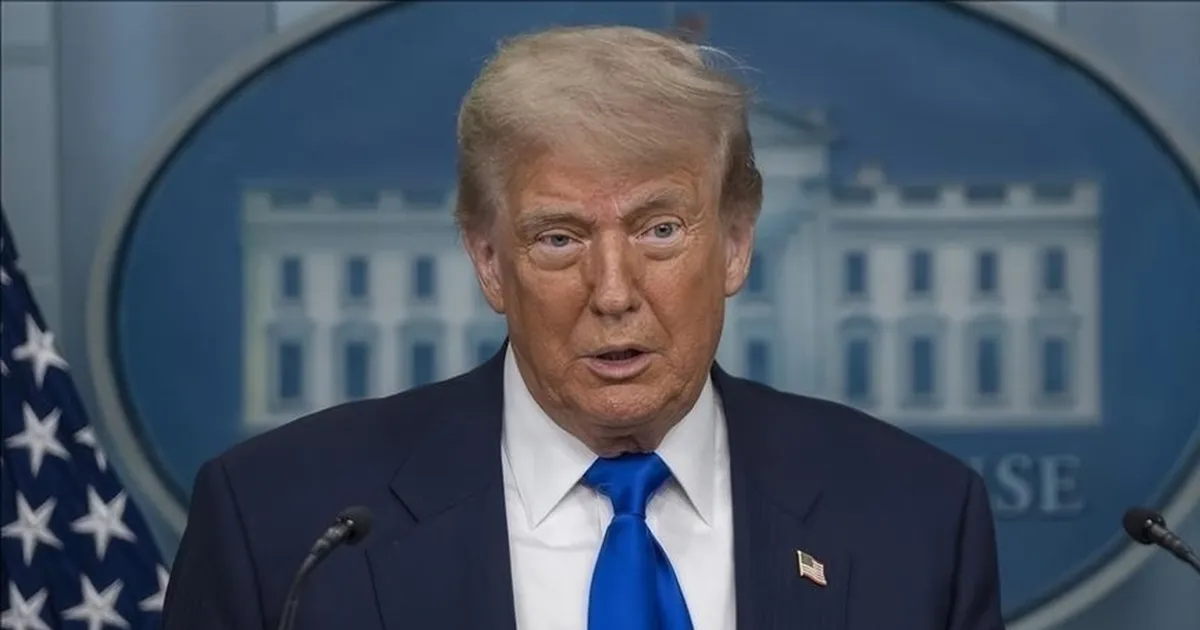
Politically, US President Donald Trump strengthened his position after the Senate struck down a resolution aimed at restricting his war powers, giving him a green light to continue military operations against the Iranian regime. The US Secretary of Defense affirmed absolute support to his Israeli counterpart in this confrontation, stressing the need to continue military operations until the set objectives are achieved.
Regionally, the spark of war extended to the Kurdistan Region of Iraq, where Iran targeted headquarters of opposing Kurdish groups with three ballistic missiles. This attack came after Iranian warnings against the movement of these groups under the current circumstances, while Washington denied reports of its intention to arm Kurdish factions to ignite an uprising within Iranian territory.
Economically, the Managing Director of the International Monetary Fund warned that the global economy had entered a phase of severe hardship and turmoil due to the halt of navigation in the Strait of Hormuz. This waterway is a vital artery through which about 20% of global energy supplies pass, and the Revolutionary Guard announced its full control over it, leading to a complete paralysis of oil and gas tanker traffic.
International reactions quickly followed, with Italy announcing its intention to send air defense systems to support Gulf states, while Australia deployed military capabilities in the region as a precautionary measure. For his part, the Canadian Prime Minister did not rule out his country's military participation in the conflict, indicating the possibility of a broad international coalition forming to participate in this escalating war.
Inside Iran, authorities postponed the funeral ceremonies for Supreme Leader Ali Khamenei indefinitely, amidst strict security measures and a state of alert across all state agencies. Several Iranian cities witnessed massive gatherings where demonstrators raised slogans condemning the United States and Israel, at a time when the Iranian military leadership is seeking to restore its defensive and offensive capabilities.
For its part, the Kremlin clarified that Tehran has not yet requested direct military assistance from Russia, despite the close alliance between the two countries. The world is cautiously monitoring the Russian and Chinese positions on this conflict, especially with Beijing informing refineries to suspend the export of petroleum derivatives in anticipation of a prolonged global supply crisis.
Hezbollah in Lebanon, through its Secretary-General Naim Qassem, affirmed that the resistance would not surrender, despite internal pressures and demands to disarm it. The party announced the execution of operations to confront Israeli ground incursions, in addition to launching missile barrages towards Israeli depth in response to the assassination of the Iranian leader and the targeting of the southern suburb.
The contours of the new balance of power in the Middle East remain unclear as fierce fighting continues on multiple fronts. With increasing human and material losses, the international community awaits what the coming days will bring, amidst the insistence of the warring parties to press ahead with this confrontation that may completely redraw the map of the region.
The global economy faces a new ordeal due to the war in the Middle East, and navigation in the Strait of Hormuz is completely halted.
Share your opinion
The Middle East on the Brink: The Widening Scope of the Great Confrontation Between Iran and the US-Israeli Alliance