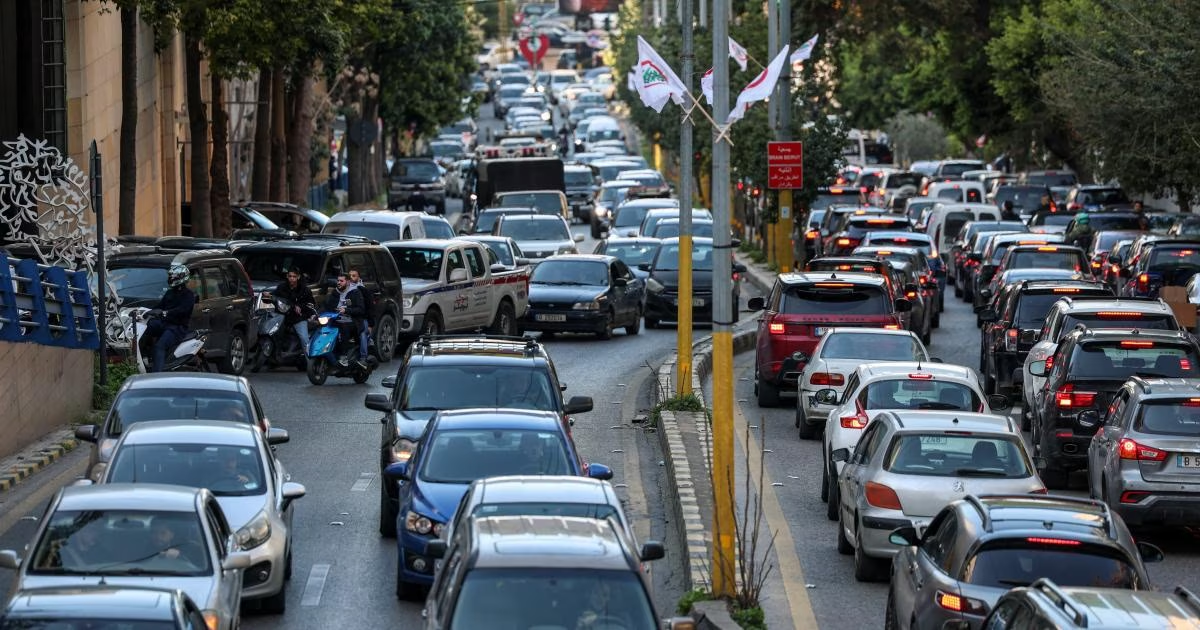







The Israeli army today, Thursday, issued unprecedented evacuation orders to the residents of Beirut's southern suburb, demanding them to leave immediately and head towards areas in the east and north of the country. Sources reported that these warnings specified certain routes for displacement, causing confusion and panic among civilians who fear their areas turning into an open confrontation zone.
The Lebanese atmosphere is currently overshadowed by memories of the July 2006 war, as residents and observers fear a repeat of the systematic destruction scenario that targeted infrastructure and residential buildings in the suburb at that time. That war, which lasted for more than a month, left a deep wound in the Lebanese memory after entire neighborhoods were turned into rubble before ending with a cessation of military operations.
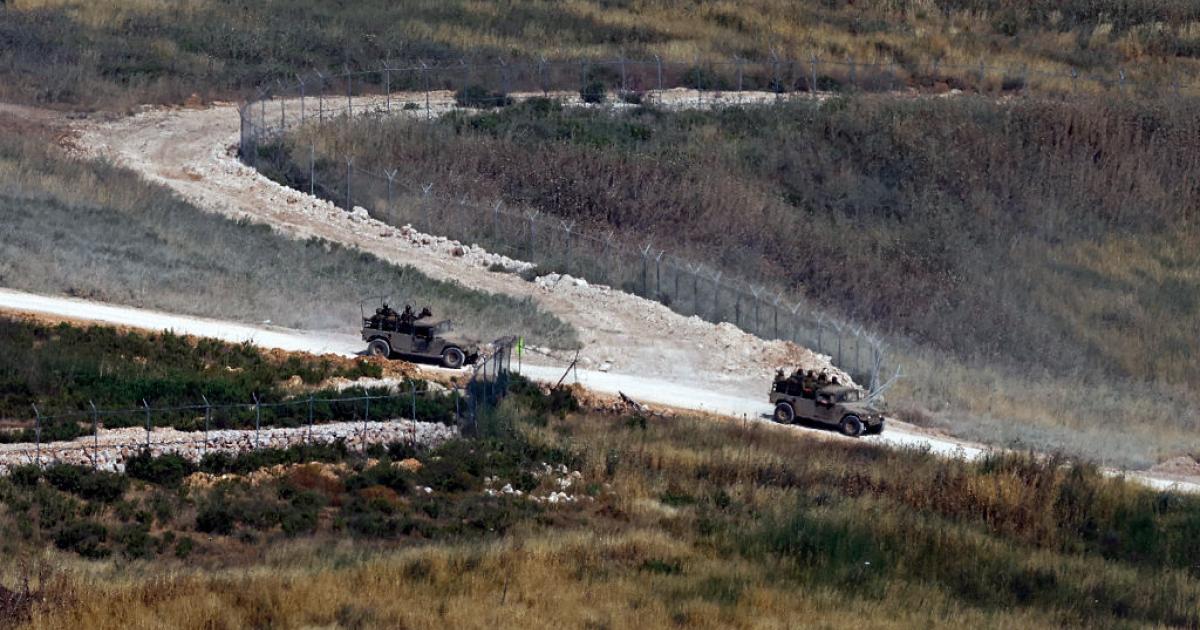
Analysts believe that these developments constitute a dangerous turning point in the course of the current conflict that began in October 2023, when Hezbollah engaged in border confrontations under the slogan of supporting the Gaza Strip. It appears that the rules of engagement that lasted for many years have collapsed in the face of the recent escalation, opening the door to more severe and destructive military possibilities.
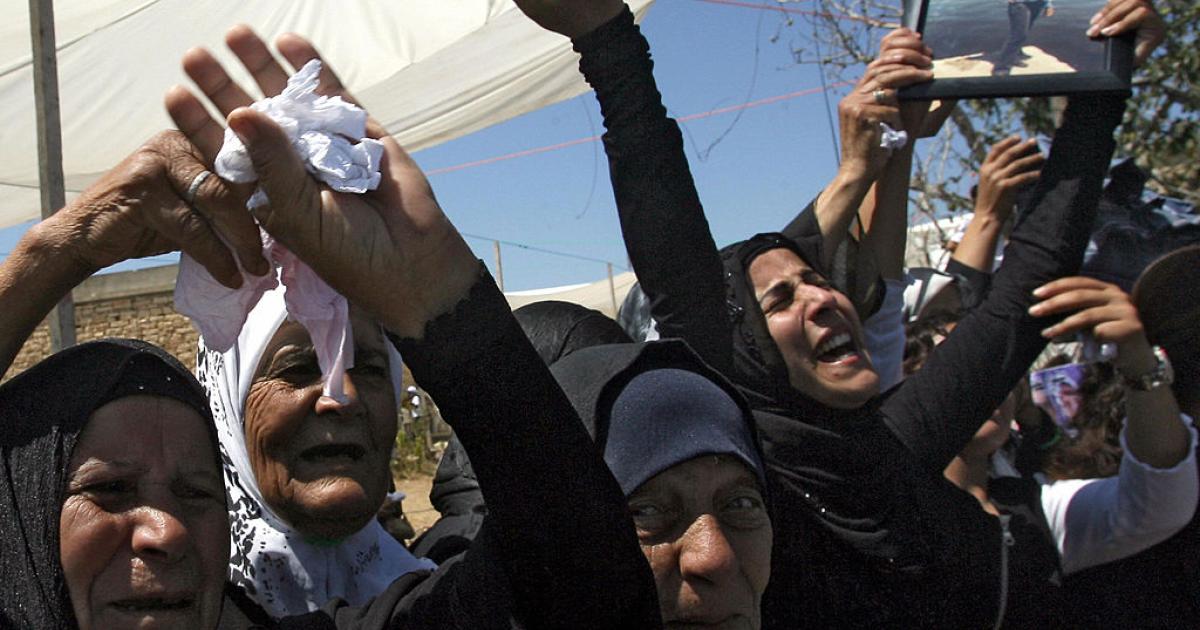
Historically, the presence of the large population bloc in the southern suburb has been linked to waves of displacement that began in 1978 due to Israeli military operations in southern Lebanon. Today, these residents find themselves in a new cycle of displacement, forced to leave their homes that they built over decades, becoming homeless amid harsh climatic and living conditions.
Field reports indicate that the wave of displacement may not stop at the suburb's borders, but there are strong indications of the possibility of similar orders being issued to residents of northern Beqaa in the coming days. This expansion of the threat area places immense pressure on host areas in the north and east, which already suffer from limited resources and basic services.
From a humanitarian perspective, the Lebanese government appears to be in a very critical situation, as official institutions lack the capacity to meet the growing needs of thousands of new displaced people. International appeals are increasing for intervention and the provision of urgent shelter, medical, and food aid, amid a previous economic collapse that made it difficult for the state to carry out its relief tasks.
Amid this grim scene, the Lebanese street awaits what the coming hours will bring, with warnings that continued escalation could lead to a humanitarian catastrophe that surpasses in its dimensions what happened in 2006. The displacement routes, crowded with cars and families, remain the most prominent image that summarizes a bitter Lebanese reality oscillating between military threats and official incapacity.
The current Israeli warnings bring back memories of the comprehensive destruction that turned the suburb into rubble in 2006, placing the Lebanese before a new fateful confrontation.




Share your opinion
Israeli warnings to evacuate Beirut's southern suburb raise fears of a repeat of the 2006 destruction scenario