







The ongoing war against Iran is no longer proceeding according to the traditional rules that preceded the assassination of Supreme Leader Ali Khamenei. This event was not merely a qualitative military strike, but a pivotal moment that shifted the conflict from the level of re-establishing deterrence to breaking the regime in its highest sovereign and ideological symbol. With this radical transformation, the level of confrontation has escalated to a point where a return to the logic of reciprocal tactical messages is no longer possible.
Before this assassination, the scene was interpreted as an intersection between Donald Trump's confrontational tendency to use force to impose major deals, and Benjamin Netanyahu's need to restore Israel's shaken deterrence image since October 7th. Strikes were understood as pressure tools within a controllable escalation equation, but targeting the head of the regime transformed the battle into an existential struggle that cannot be divided.
Khamenei's fall did not represent the absence of a transient military leader, but the absence of the religious and political authority that formed the backbone of the Iranian regime for decades. The impact of this event extends to millions of Muslims who see the Supreme Leader as an ideological symbol, making his targeting a symbolic insult that transcends political boundaries to affect the symbolic structure of Islamic identity in the face of what is described as American and Zionist savagery.
The assassination struck at the symbolic structure of the Iranian regime fatally. The man was the cornerstone around which the state's legitimacy and continuity revolved. When this symbol is targeted, the response is not merely a cold calculation of losses and gains, but a desperate defense of the entity itself to prove that the regime has not been broken and that the Supreme Leader's blood will have exorbitant and unprecedented costs.
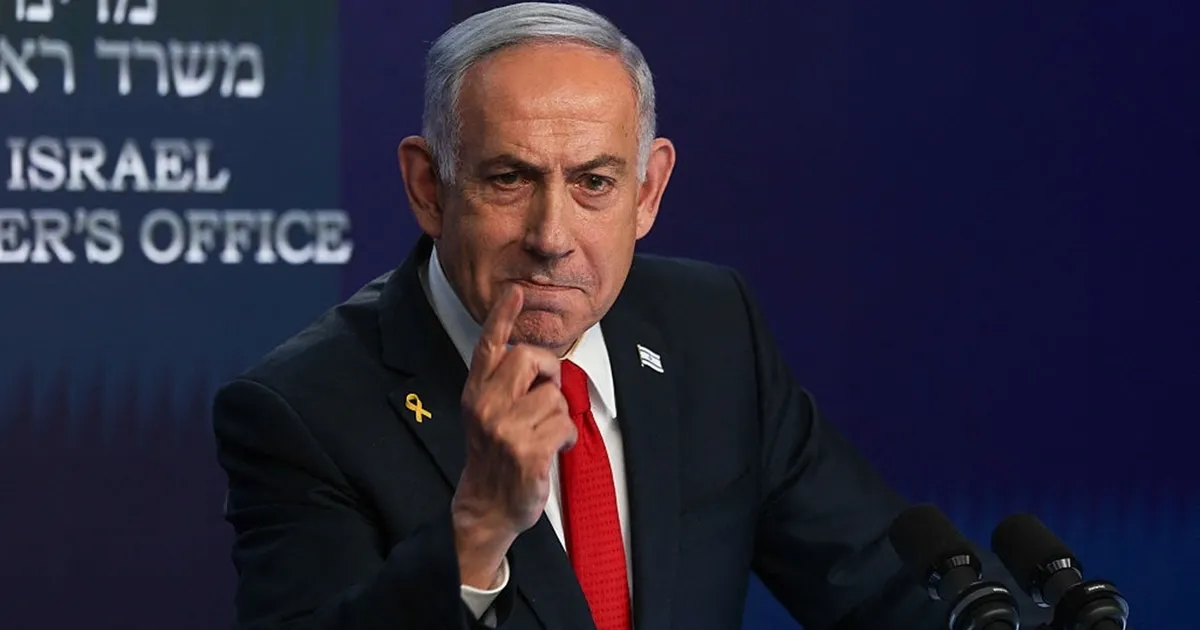
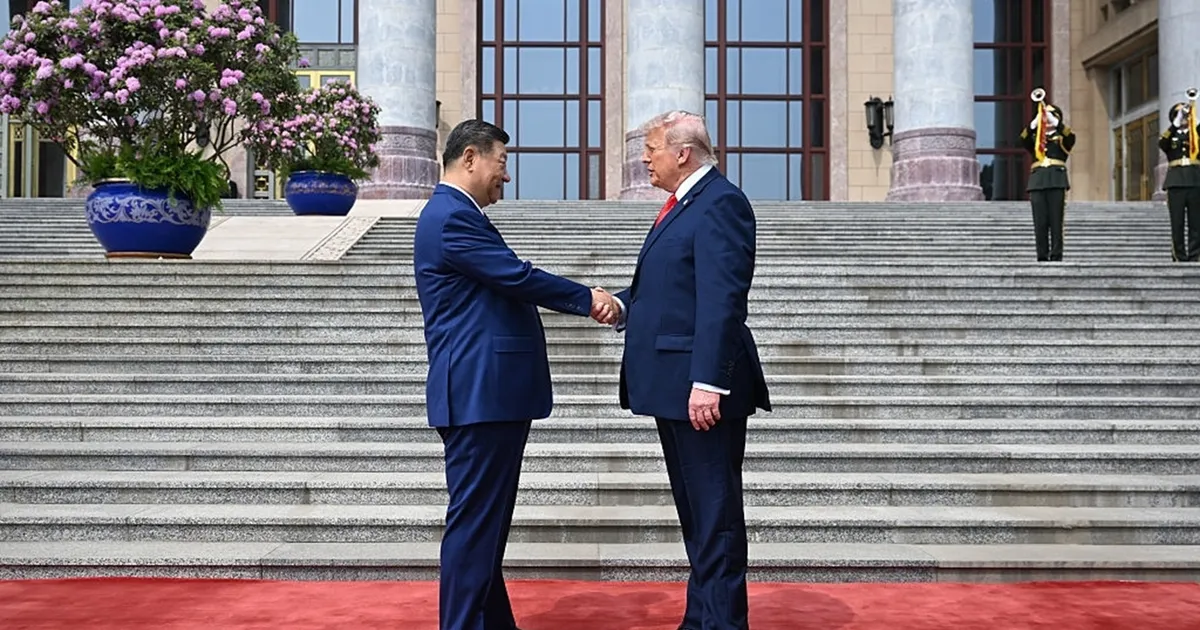
In this explosive context, the calculations of Trump and Netanyahu intersect in an increasingly dangerous way, as both believe that breaking the ceiling is the shortest path to imposing a new geopolitical reality. Trump, with his philosophy based on negotiation from a position of absolute power, sees the strike as a means to redefine the balance with Tehran, while Netanyahu sees it as a historic opportunity to transform his path from a beleaguered prime minister to a leader who delivered the knockout blow to his strategic adversary.
However, what appeared at the moment of decision-making as the peak of decisiveness quickly turned into a gateway to comprehensive and uncontrolled escalation, for a regime struck at its heart does not have the luxury of a limited response. Any faint reaction will be interpreted as weakness or the beginning of collapse, and therefore Tehran moved towards a broad escalation aimed primarily at restoring lost prestige and establishing its presence as an indispensable regional power.
The war has effectively moved from the logic of traditional conflict management to the logic of comprehensive chaos management, where transitioning to de-escalation has become extremely complex. Each party in this equation has become captive to its image before its audience; neither Trump can retreat after a strike of this magnitude, nor can Iran accept a reality that portrays it as broken, content with symbolic responses that do not rise to the level of the event.
The irony lies in the personal similarity between Trump and Netanyahu in their veneration of the strongman image, which may push the region towards a frantic escalation race. War, unlike commercial deals, does not always end at the points defined by its makers, but branches out into unexpected paths and imposes its own rhythm on everyone, making its outcomes open to all catastrophic possibilities.
The assassination of Khamenei completely reshaped the regional landscape, transforming the confrontation from a conflict of borders and deterrence to a battle that touches the essence of regimes and their image before their peoples. The region today faces an extremely dangerous equation, where the maximum strike has generated a maximum response, and between the alliance of fire and the vengeance of existence, the future of the Middle East will be determined, which may emerge with entirely new maps.
In contrast, the official Arab scene appears as a helpless bloc content with the position of an observer who receives blows and whose resources are exploited in the wars of others. This helplessness is evident in the absence of any effective role or real influence in the course of events. Indeed, some official positions seem complicit through silence or by merely issuing rhetorical statements calling for self-restraint at a time when the region is ablaze.
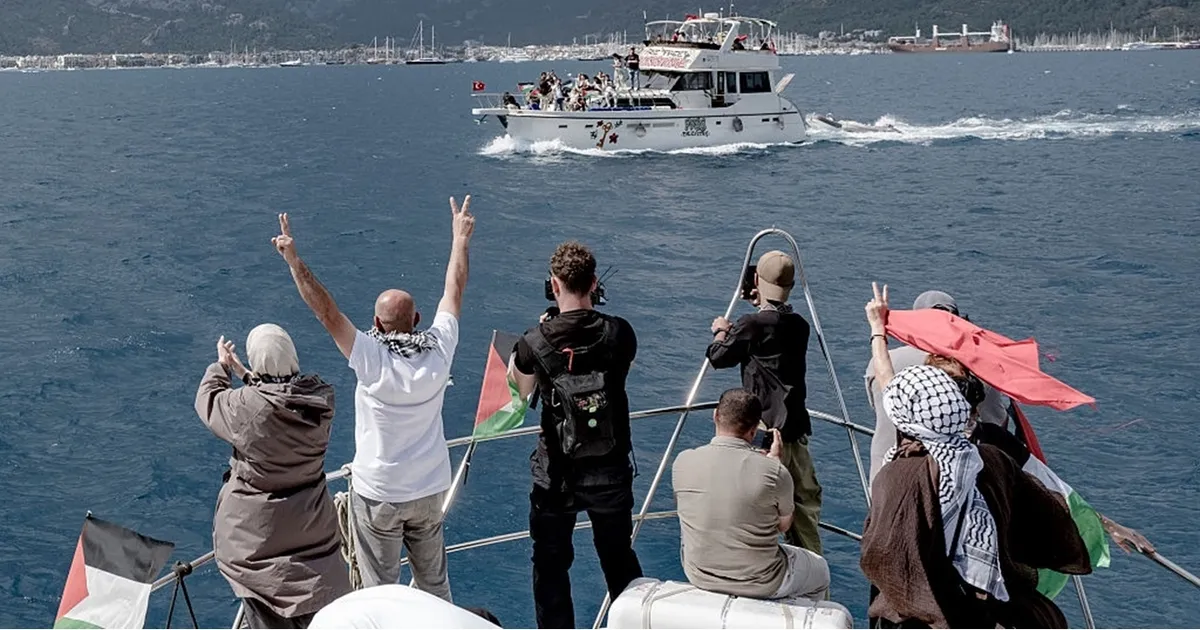
The terms of liberating Palestine have disappeared from the official political lexicon, replaced by vague phrases calling for resolving conflicts through peaceful means and de-escalation. This shift in discourse reflects a state of alienation from central issues, where anyone who tries to resist the occupation is pursued and criminalized, in a historical paradox that reflects the extent of the breakdown in the official Arab system.
The current conflict is no longer just about who possesses the greatest military power, but about who has the ability to bear the exorbitant cost of pursuing confrontation to its end. While major powers are busy shaping the features of the new regional order with blood and fire, the peoples remain the primary victims of these transformations, which may leave deep wounds that will be difficult to heal for many decades.
Iran's strategy in the coming phase will focus on rebuilding the wall of deterrence that was shattered by targeting the head of the pyramid, which means that responses may not be limited to Israeli geography but may extend to American interests in the region. This systematic escalation aims to send a clear message that the price of targeting sovereign symbols will be more expensive than decision-makers in Washington or Tel Aviv imagine.
In conclusion, the Middle East today stands on the brink of a historical transformation that could lead either to the birth of new power balances or to the region sinking into a spiral of open violence. The absence of a unified Arab project makes the region's arenas battlegrounds for settling international scores, putting the future of coming generations at stake amidst the conflict of existential wills between regional and international powers.
The assassination of Khamenei was not a fleeting chapter, but a moment that transformed the conflict from an attempt to redraw deterrence to a confrontation that touches the essence of regimes and their image.

Share your opinion
Assassination of Khamenei: A Strategic Earthquake Reshaping the Confrontation Between Washington and Tehran