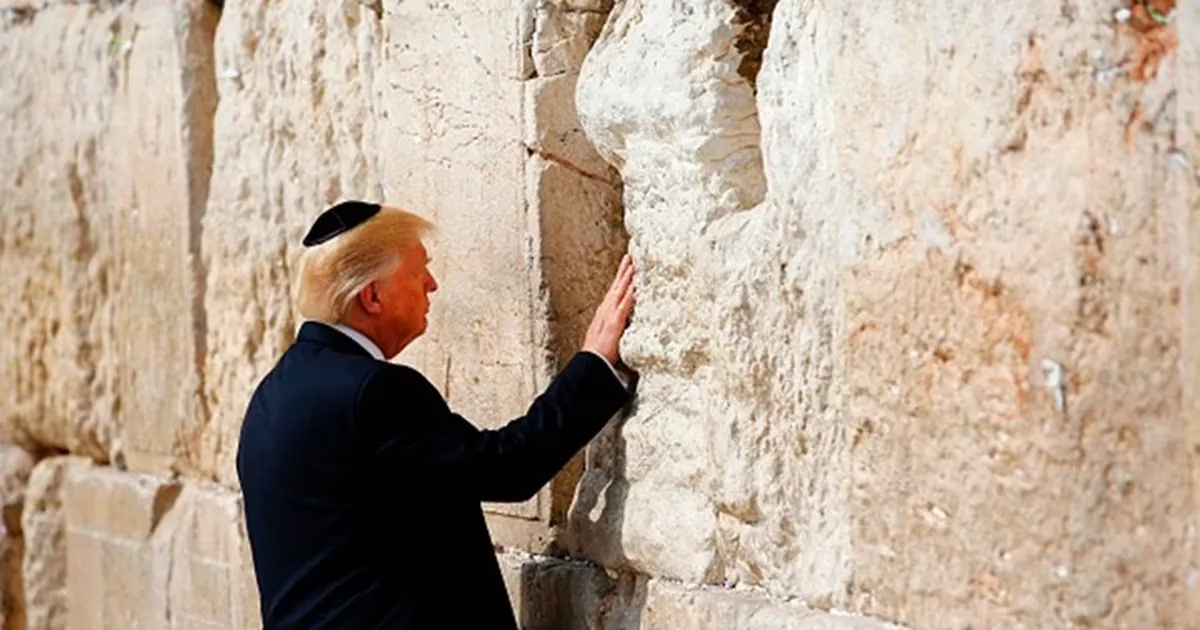







Expansionist statements by high-ranking American officials, based on biblical references to borders extending from the Nile to the Euphrates, raise fundamental questions about the nature of current strategic transformations. This language is not merely fleeting remarks, but touches upon a historical memory burdened by conflicts and awakens deep regional fears regarding the intentions of major powers in the region.
The American political scene has witnessed a remarkable increase in the influence of the conservative evangelical movement within the Republican Party over the past two decades. This movement does not treat Israel as a traditional strategic ally, but rather sees it as an extension of a theological vision linked to esoteric texts and religious conceptions of the end of history, which explains the infiltration of biblical terminology into official discourse.
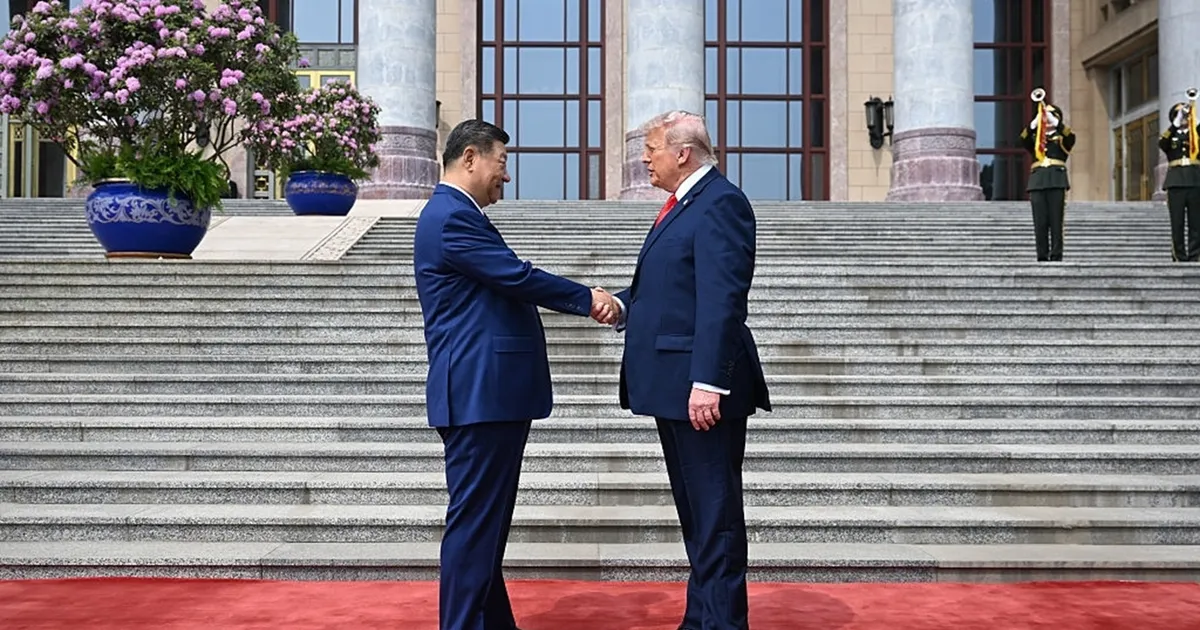
Despite the power of this ideological discourse, the institutional structure of the American state remains governed by a complex network of vital interests. These interests include ensuring energy security and the stability of global markets, in addition to maintaining strategic alliances with Gulf states and Turkey, and confronting escalating competition with China and Russia.
American calculations in the region are managed in the language of numbers and military and economic indicators more than theological texts. The deep state realizes that any adventure to radically change the region's maps could lead to a comprehensive explosion that Washington cannot bear the consequences of, thus imposing a kind of restraint on extreme ideological ambitions.
Israel's existence and continuity depend on broad international coverage and a complex network of diplomatic relations that prevent it from engaging in uncalculated regional expansion. Despite its military power, any attempt to impose a new geographical reality would mean the disintegration of the alliance system that ensures its relative stability in its surroundings.
The real danger lies in the process of 'normalizing' expansionist language within the public sphere and transforming it into a legitimate subject for discussion. This shift gives extremist currents greater political audacity and creates a psychological environment conducive to accepting gradual field steps that may not appear aggressive on the surface but change reality in the long run.
History does not always change through major leaps or swift wars, but often through slow and systematic accumulations. These accumulations include amending administrative laws, expanding settlements, and imposing new realities on the ground that redefine the actual boundaries of control without the need for loud official announcements.
Peace projects proposed in the region are considered tools for re-engineering regional balances and distributing spheres of influence among active powers. These initiatives are fundamentally subject to calculations of power and interest, far from moral idealism, which requires a cold structural reading to understand their true objectives, free from emotions.
The future of the region is linked to three crucial factors: first, the ability of American institutions to balance the ideological convictions of some of its currents with supreme strategic interests. This balance determines the extent of impetus towards supporting expansionist agendas that may harm Washington's international standing.
The second factor is the stance of regional allies, specifically Arab states and Turkey, towards any shift in political discourse towards symbolic or actual expansion. The cohesion of these positions and their ability to maneuver politically constitute a bulwark against attempts to redraw maps based on religious perceptions.
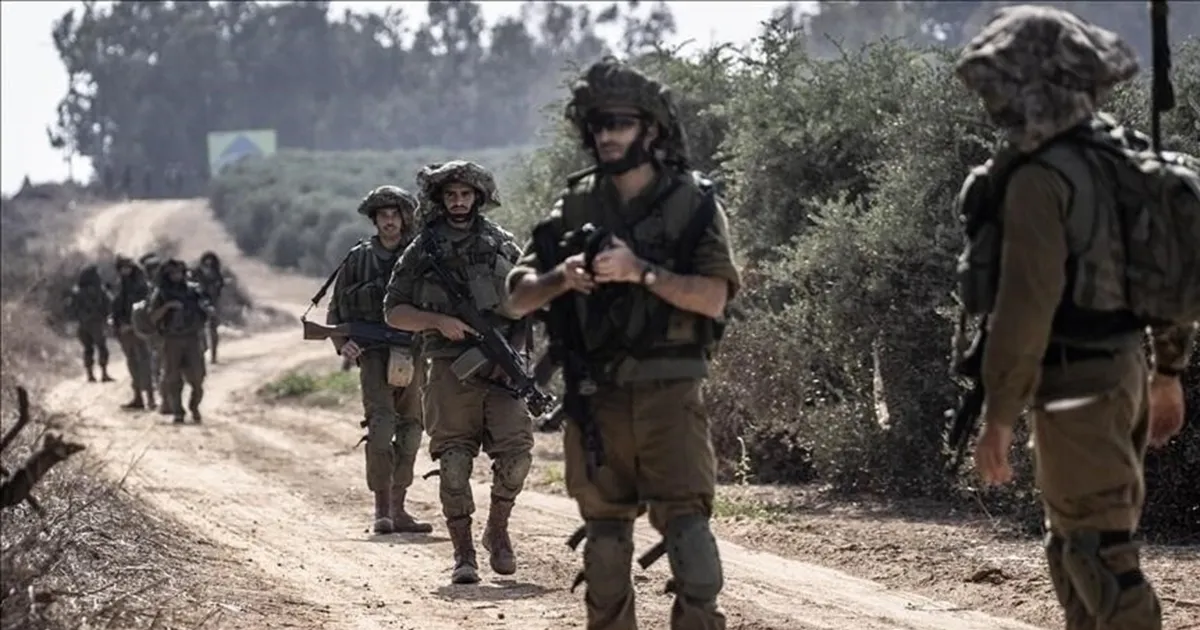
The true compass for any political intentions is manifested in the course of field changes in Jerusalem and the West Bank. What happens on the ground in these areas is the most accurate indicator of the major powers' orientations, transcending media statements to reach the core of the geopolitical conflict.
Sound strategic analysis does not deny the existence of expansionist currents, but it warns against being drawn into the assumption of a 'master plan' without precise monitoring of power balances. Real power lies in building legal and media tools capable of confronting political deviations before they become an imposed reality.
Actors in the region must accurately distinguish between language and decision, and between religious symbolism and political implementation on the ground. Ultimately, politics is the art of managing the possible, and history is not driven by enthusiastic slogans but by the ability to read power balances and act within available spaces.
In conclusion, the Middle East remains an arena of contention between ideology and interest, where each party seeks to impose its vision. Vigilance against the transformation of discourse into policies, and policies into realities, is the only guarantee to prevent the transformation of theological myths into geographical maps that tear apart the region's stability.
The Middle East is not reshaped by discourse alone, but it may be reshaped if discourse turns into policies, policies into realities, and realities into new maps.

Share your opinion
Between Ideology and Reality.. Will Religious Discourse Redraw the Maps of the Middle East?