





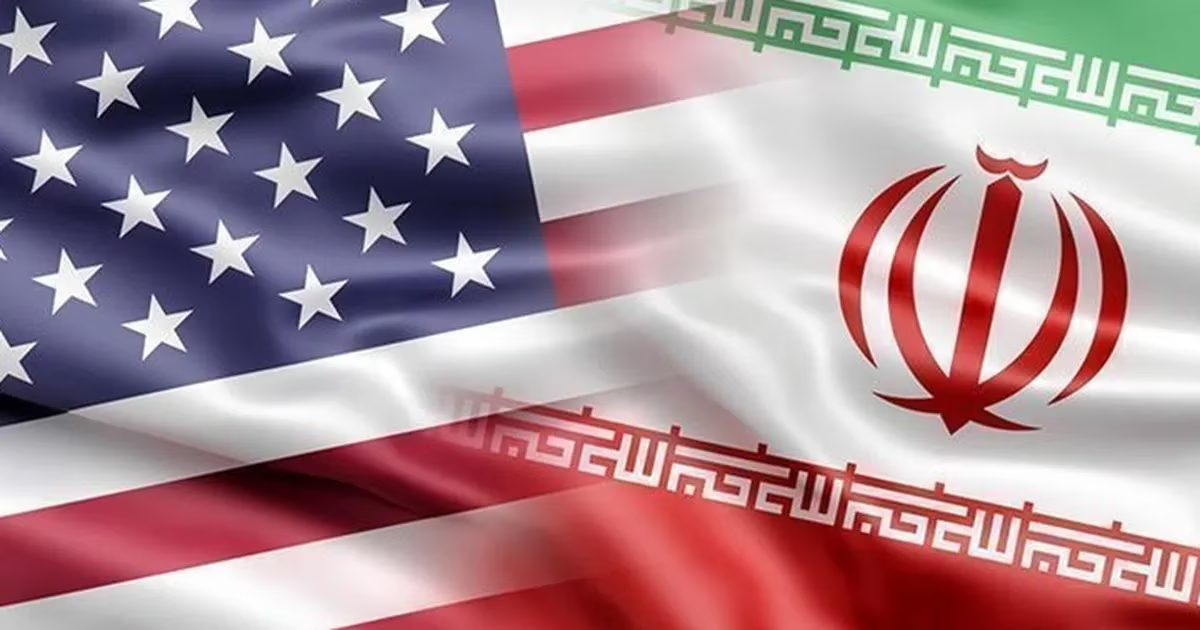
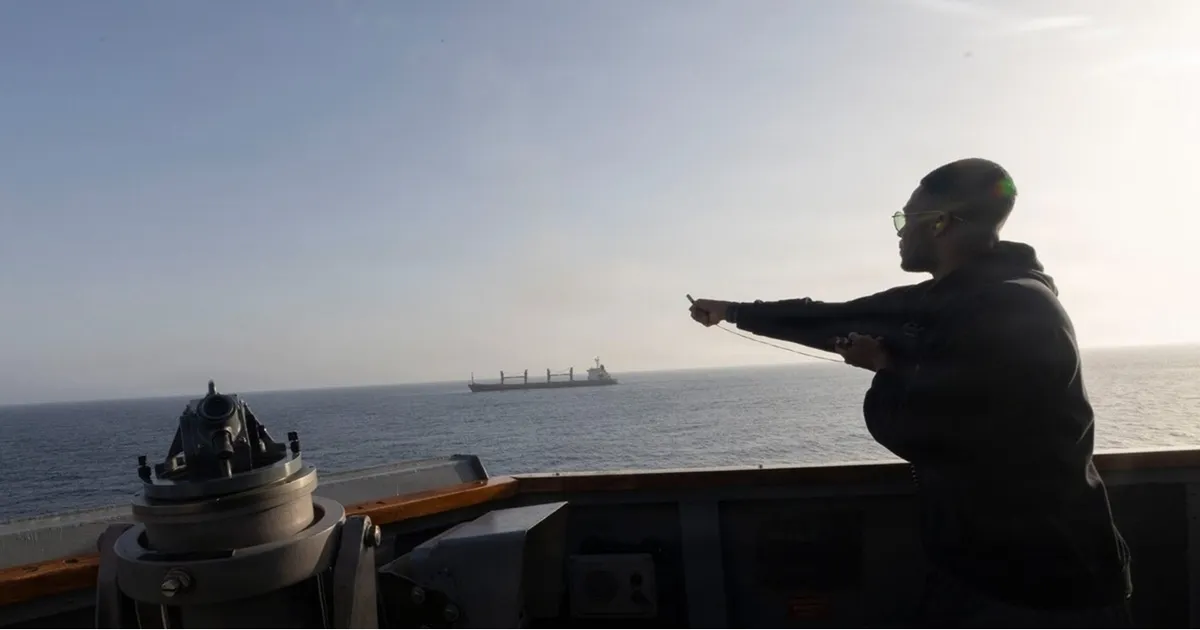
Recent satellite images have shown a significant acceleration in the fortification of Iranian nuclear facilities, coinciding with the reconstruction of missile sites that were damaged during recent military confrontations. These developments come at a time when international indicators are escalating regarding the possibility of an imminent US military strike against strategic targets deep within Iran.\n\nInformed sources reported that the US administration has received reports indicating the military's readiness to carry out a potential attack by the end of this week. This has been accompanied by the detection of extensive military reinforcements, including naval vessels and air squadrons, that have arrived in the Middle East in recent days to raise the level of alert.\n\nAccording to technical analyses by the Institute for Science and International Security in Washington, Tehran is deliberately using massive quantities of reinforced concrete to strengthen its sensitive facilities. The images also showed operations to cover vital sites with thick layers of soil to reduce the impact of any air raids that might target these vital centers in the near future.\n\nImages taken on February 10 documented continued work at the entrances of tunnels belonging to a massive underground complex near the Natanz area. The footage clearly shows new concrete blocks being poured at the eastern and western entrances of the complex, with a widespread presence of construction machinery and heavy equipment around the site targeted for fortification.\n\nAt the Parchin military complex, located southeast of the capital Tehran, specifically at the 'Talaghan 2' facility, the construction of a massive concrete structure completely surrounding the site has been completed. Technical teams have begun burying the structure with soil, a step that, according to expert estimates, aims to enhance the facility's resilience against bunker-buster bombs.\n\nRegarding missile capabilities, analyses revealed intensive activity to reconstruct facilities destroyed during Israeli strikes last June. This work is concentrated in strategic bases that had been partially out of service due to direct targeting of launch platforms and solid fuel storage facilities.\n\nAt the Imam Ali missile base in Khorramabad, images from early January showed the reconstruction of three vital facilities out of 12 that were completely destroyed. Renovation work is also underway on a fourth facility, while three other facilities are still under construction amidst excavation and expansion operations for ballistic missile launch platforms.\n\nAs for the 'Tir 7' industrial complex near Isfahan, satellite images detected the reconstruction of facilities related to the production of centrifuge parts. This challenge comes despite international sanctions imposed on this complex since October 2025, reflecting Tehran's determination to restore its nuclear manufacturing capabilities.\n\nDiplomatically, indirect negotiations are taking place in Geneva, Switzerland, between Iranian and American officials in an attempt to defuse the escalating crisis. Iranian Foreign Minister Abbas Araghchi confirmed that "guiding principles" had been reached, but the general atmosphere still indicates a wide gap between the two sides.\n\nIn contrast, US Vice President J.D. Vance stated that Tehran had not adhered to the red lines set by President Donald Trump. Vance indicated that the US administration is closely monitoring Iranian movements on the ground, considering the continued construction at nuclear sites an unacceptable escalation.\n\nThese developments come after a violent 12-day military confrontation between Iran and the Israeli occupation, which saw an intense exchange of missiles and drones. Washington had announced at the time that air strikes had completely destroyed nuclear and missile sites, which is refuted by the new satellite images showing a return to activity.\n\nObservers believe that the accelerated pace of construction at Iranian military sites reflects a "race against time" strategy before any potential confrontation. Iran seeks to secure its facilities under layers of concrete and soil to make the cost of militarily targeting them prohibitive and with uncertain results for the United States and its allies.\n\nTechnical reports indicate that the 'Tir 7' complex is a key link in the nuclear program, and its reconstruction means the resumption of production of precise components for centrifuges. This development places negotiators in Geneva before a complex reality on the ground, where Iran is imposing new facts on the ground that precede any potential political agreement.\n\nIn conclusion, anticipation remains the dominant sentiment in the region as the end of the week approaches and the presumed date for US military readiness. While Iranian mechanisms continue to pour concrete over their facilities, US forces continue to strengthen their presence in nearby bases, portending a new round of escalation that could change the regional balance of power.\n\nIran is working to enhance the protection of its sensitive facilities by pouring large quantities of concrete and covering key sites with thick layers of soil.

ARAB AND WORLD
Mon 23 Feb 2026 9:37 am - Jerusalem Time
Satellite images reveal accelerated nuclear fortifications and reconstruction of Iranian missile capabilities
Tags
MORE FROM ARAB AND WORLD


Share your opinion
Satellite images reveal accelerated nuclear fortifications and reconstruction of Iranian missile capabilities