







International human rights warnings are escalating regarding the transformation of Israeli detention centers and occupation prisons into systematic execution grounds for Palestinian prisoners. The latest data shows that approximately 115 prisoners died inside these prisons between 2023 and 2025, amid a complete absence of punitive measures against those responsible for these violations.
Data from monitoring bodies indicates that the occupation authorities have taken disciplinary action in only ten cases out of the total recorded deaths. More alarmingly, only one case has been referred for criminal investigation, reflecting absolute leniency by the Prison Service towards wardens involved in the repression and oppression of detainees.
Media sources quoted observers stating that the reality inside prisons has become a 'shield for killers,' where wardens are given the green light to inflict abuse without fear of prosecution. Reports confirm that this approach has exacerbated the humanitarian tragedy of prisoners who face detention conditions that lack the lowest international standards.
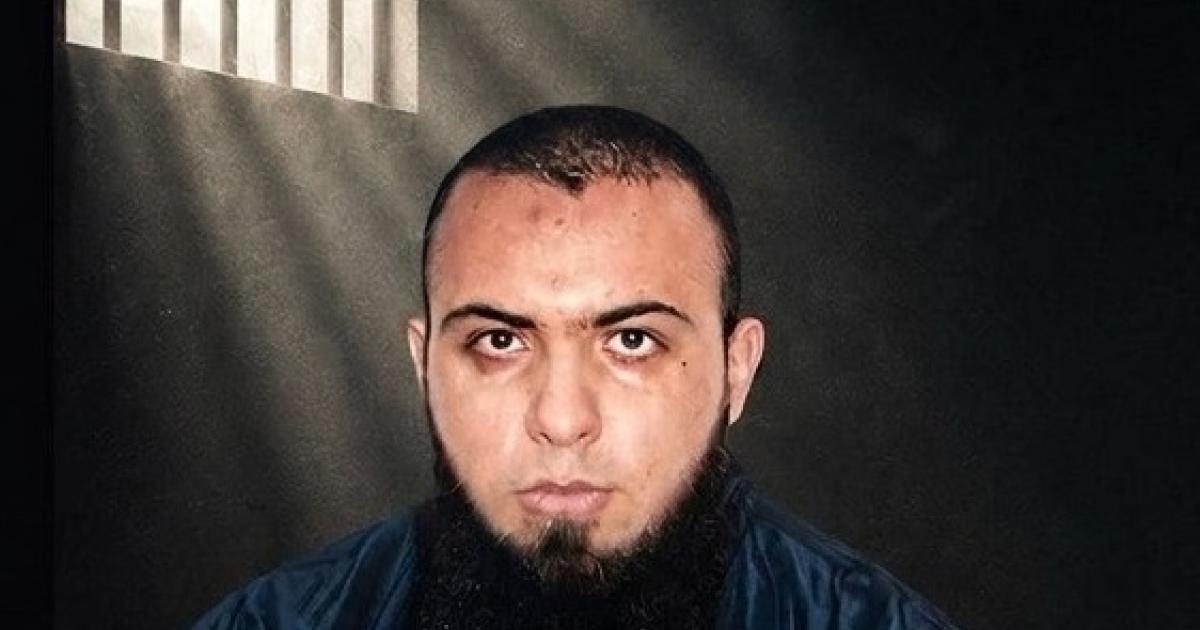
In documented testimony, sources revealed the case of a Palestinian prisoner in his forties, who was in good health at the time of his arrest during the ongoing war. After only one year of detention, he passed away due to a severe health deterioration that led to him losing about half of his normal weight without receiving adequate medical care.
The medical file of the deceased prisoner, obtained by his family, showed that he was not transferred to the hospital until his condition had reached a hopeless stage. An expert doctor who examined the materials on behalf of the Public Committee Against Torture confirmed that the death was a direct result of the deprivation of approved treatment and deliberate negligence.
The medical examination clarified that the prisoner was returned to the detention center despite his deteriorating health instead of being kept under intensive care. The report concluded that saving his life would have been possible if his condition had been diagnosed and treated according to recognized medical standards, but negligence was paramount.
The Public Committee Against Torture is following this case with great concern, demanding the disclosure of the reasons for the misdiagnosis and the severe deterioration in the detainee's health. The committee considers what happened to be a joint crime of negligence between the prison staff and the medical teams in Israeli detention centers and hospitals.
Reports indicate that the scarcity of open criminal investigations points to a systematic cover-up of crimes committed behind bars. Testimonies from lawyers and autopsy reports confirm that detainees have been subjected to severe physical violence and extreme medical negligence since the outbreak of the current confrontation in October 2023.
These violations come within the framework of an official policy adopted by National Security Minister Itamar Ben-Gvir, which includes restricting the amount of food provided to prisoners and depriving them of medication. This policy aims to tighten the noose on Palestinians and turn prisons into retaliatory tools that exceed international laws.
For his part, Noam Gielman Hofstatter, an official at the Public Committee Against Torture, affirmed that the absence of accountability grants actual immunity to investigators and wardens. He pointed out that the Prison Service treats the death of a Palestinian detainee as a simple disciplinary matter that does not warrant opening in-depth criminal investigations.
Despite repeated human rights demands to open criminal investigations in every death case, the occupation authorities refuse to apply this standard to Palestinians. This blatant discrimination is evident in the handling of detainees' lives, where files are often closed without any real charges being brought against those involved.
Regarding the role of oversight bodies, sources revealed severe weakness in the performance of the entities responsible for monitoring the conduct of wardens and the Shin Bet. Over the past two years, only two criminal investigations have been opened out of more than two hundred complaints filed against occupation practices within interrogation centers.
This oversight failure extends to previous decades, where only three criminal investigations have been opened out of 1,450 complaints filed against the Shin Bet in the past twenty years. These figures raise major questions about the fate of these investigations and their effectiveness under a judicial system that provides cover for violations.
In conclusion, human rights activists emphasize that international silence on these crimes encourages the occupation to continue its policy of 'silent killing' of prisoners. Occupation prisons remain a witness to a major humanitarian tragedy, where thousands of Palestinians face the risk of death due to torture and systematic negligence away from the eyes of international oversight.
The death of a Palestinian detainee is considered a simple disciplinary matter from the perspective of the Prison Service, and there is no real accountability but actual immunity for wardens.




Share your opinion
Human rights reports reveal occupation prisons turning into execution platforms for Palestinian prisoners