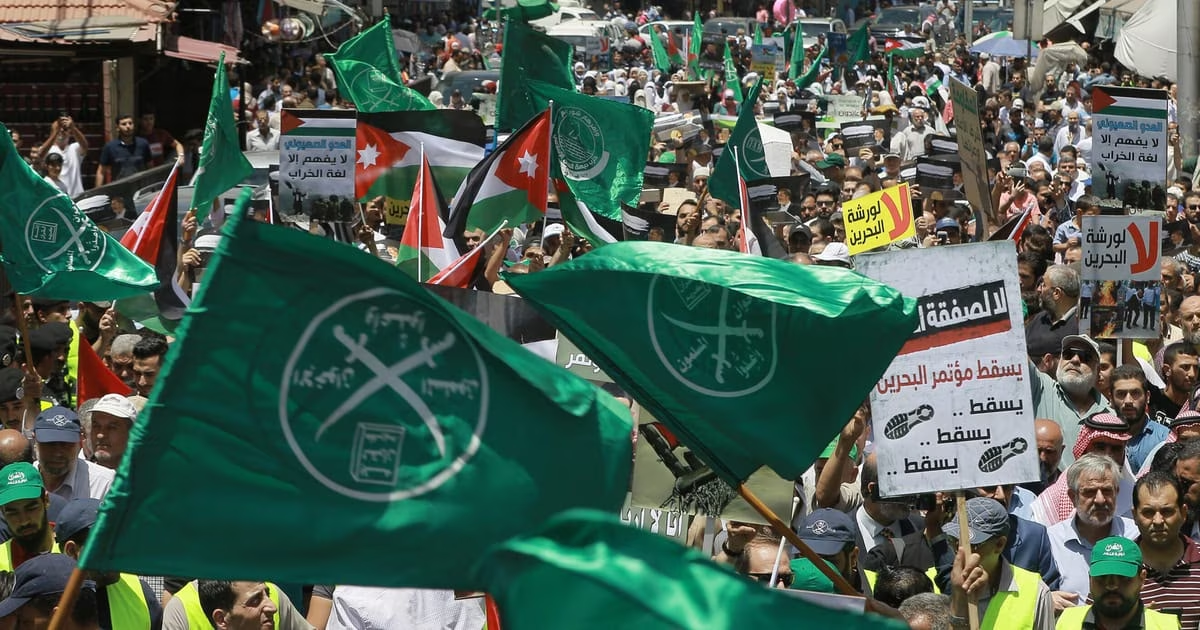







Recently, questions have been escalating regarding the utility of the Muslim Brotherhood's continued existence in its current form, amidst repeated calls for the necessity of dissolving the organization or undertaking structural and ideological revisions. These calls are driven by the escalating political situation the group has been experiencing since its removal from power, a decision observers describe as a result of mistaken estimations in running for the presidency without sufficient readiness to manage the state.
The experience of the Islamic Group in Egypt stands out as a model cited in the context of revisions, as that step led to ending a long armed conflict and the release of thousands of detainees from prisons. However, analysts believe that the fundamental difference lies in the nature of the revision; while the Islamic Group's revisions were jurisprudential and religious, related to renouncing violence, what is required of the Brotherhood is a political revision related to the mechanisms of democratic practice and acknowledging the procedural errors that led to confrontation with state institutions.
Internally, the issue of revisions faces organizational obstacles within the group, most notably the lack of desire among historical leaders to step down or acknowledge responsibility for successive failures. The article also raises a legal problem regarding how to dissolve an officially unrecognized entity, indicating that the actual solution may require a new generation that overcomes the bitterness of past experience, amidst expectations of the group staying away from competing for power for decades to come.
The revisions required from the Brotherhood are related to practice, and acknowledging the error in competing for the presidential elections without possessing the political eligibility for it.

Share your opinion
The Controversy of Revisions and Dissolving the Organization: Will the Muslim Brotherhood End Its Political Crisis?