







Four trucks, typically used for cooling frozen goods, arrived at Al-Shifa Medical Complex in Gaza City. This time, however, they carried a heavy load of human remains and body parts, handed over by the Israeli occupation through the International Committee of the Red Cross. This shipment included 66 bags containing human organs, skulls, and bones, from which the smell of decomposition emanated. Some showed traces of medical instruments, indicating that autopsies and DNA testing had been performed by the Israeli side before their handover.
In addition to the bags of body parts, the trucks contained 54 bodies, some in a state of complete decomposition, likely exhumed from graves dug up by the occupation army during its military operations in the Strip. Among the remains were bodies of women and a boy no older than fourteen, while the identities of most remained unknown, turning each bag and body into a complex human and medical puzzle requiring strenuous efforts to unravel.
This batch is the sixteenth delivered by the occupation to the Red Cross outside official agreements, bringing the total number of bodies handed over in this context to 360. Families and medical authorities have only been able to identify 101 bodies, while 244 unidentified bodies have been laid to rest in the Deir al-Balah cemetery in the Central Governorate, each assigned a number and a special file for future reference.
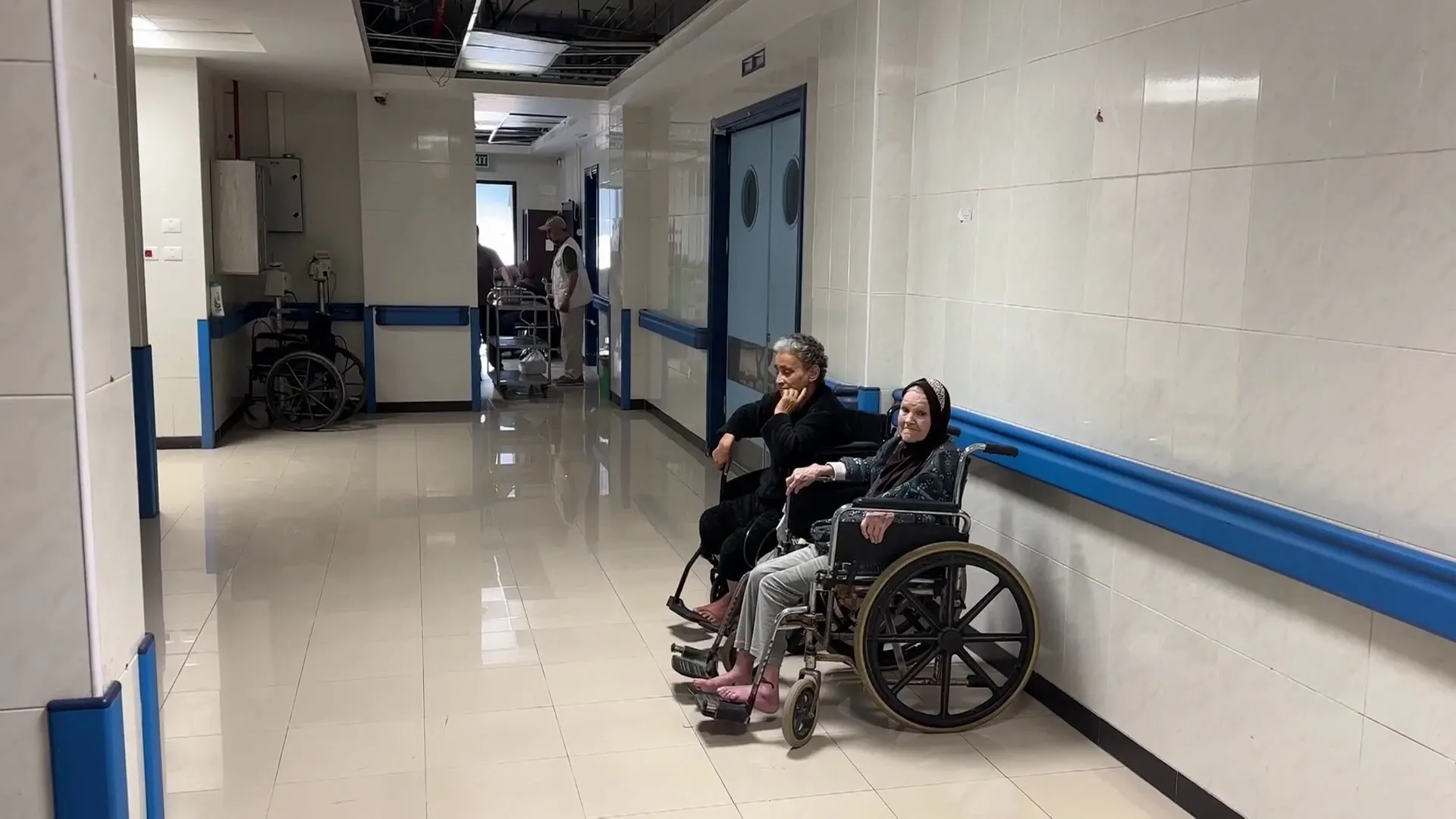
Inside Al-Shifa Complex, what is known as the 'Identification Hall' has been set up, where photos of recently delivered martyrs are displayed. Most of them are believed to have been killed in the events of October 7, 2023, or died inside Israeli prisons. The latest handover came as part of arrangements that included the retrieval of the body of Israeli soldier Ran Gvili, opening new wounds for families who have been awaiting news of their loved ones for many long months.
Omar Abu Suleiman, a member of the forensic department at Al-Shifa Complex, described the condition of the bodies as suffering from 'advanced decomposition and unprecedented putrefaction,' noting that most arrived without clothes or personal belongings. Abu Suleiman stressed that the obliteration of features and disfigurement of bodies makes visual identification almost impossible, especially in the complete absence of DNA testing equipment in the Gaza Strip due to the siege and destruction.
In the corridors of the hall, families gather in a state of shock and anticipation, trying to distinguish between the displayed photos through minute signs such as tooth shape, old surgical scars, or finger details. Reactions vary between absolute silence and nervous breakdowns as distorted body images appear on screens, with every father and mother searching for a thin thread to end the deadly uncertainty they live in.
Among those present was Umm Ashraf, who lost her sons Ashraf and Ayman since the beginning of the war. She secretly went out to search for them in the photos of unknown martyrs. She said she tries to scrutinize details of eyebrows, beards, and teeth, emphasizing that her heart burns with longing to know their fate, whether they are among the martyrs or prisoners, to put an end to the sleepless nights and bitter waiting.
As for Umm Jihad, she stood at the entrance of the hall, hesitant to enter, fearing she might find her son a lifeless body and also fearing not finding him, thus remaining in the whirlpool of the unknown. She indicated that she is looking for a broken tooth or a mark on the face that distinguished her son, whom she raised to be her support, considering that confirming his martyrdom might be 'easier' than him remaining a prisoner in the hands of a merciless army, as she described it.
Beyond the humanitarian aspect, legal and Sharia complexities face the families of the missing. Judge Mahmoud Farroukh, head of the Sheikh Radwan Sharia Court, explains that the law does not grant the right to declare a missing person deceased directly. According to Article 119 of the Family Rights Law, a full year must pass after the end of the war before legal procedures for proving death can begin.
Based on theoretical estimates for the end of the war, the earliest date when wives of missing persons can apply to the courts to prove death will be October 2026. This long wait leaves the lives of thousands of families in limbo; neither the wife can determine her social status, nor can the children obtain their financial and inheritance rights stably and legally.
In cases where the martyr is known and buried in a known grave with witnesses, the court suffices with a judicial record that allows for the issuance of an official death certificate to facilitate transactions. Sharia courts in Gaza have so far succeeded in organizing more than 11,000 judicial records for martyrs whose identities and burial places have been confirmed, despite the significant field difficulties faced by judicial teams.
As for those who do not have witnesses or known graves, they remain in the category of 'missing persons,' and the courts resort to issuing 'temporary guardianship' for children to ensure they receive basic aid and expenses. This solution is a temporary bridge to protect families from financial and social collapse, but it does not end the psychological suffering associated with the absence of certainty about the fate of the head of the family.
The tragedy of the 'Identification Hall' in Al-Shifa Complex continues as a witness to the horror of war, where human bodies turn into numbers and files awaiting a medical or legal miracle. With each new batch of bodies, the hopes and pains of thousands of families are renewed, asking only for their right to know the fate of their loved ones and to bury them with dignity befitting their sacrifices.
And the file of the missing in Gaza remains a bleeding wound that transcends the limits of direct killing, to include judicial and social dimensions whose effects will extend for many years after the guns fall silent. In the absence of international technical capabilities to examine remains, the 'old scar' or 'broken tooth' remains the only available means for grieving mothers to decipher the code of death and absence.
The complete absence of DNA testing in Gaza makes identifying these bodies almost impossible, turning the crime into a long-term violation that is not limited to the killing itself.


Share your opinion
The Tragedy of the 'Identification Hall' in Gaza: Families Search for the Features of Their Children in Unidentified Bodies