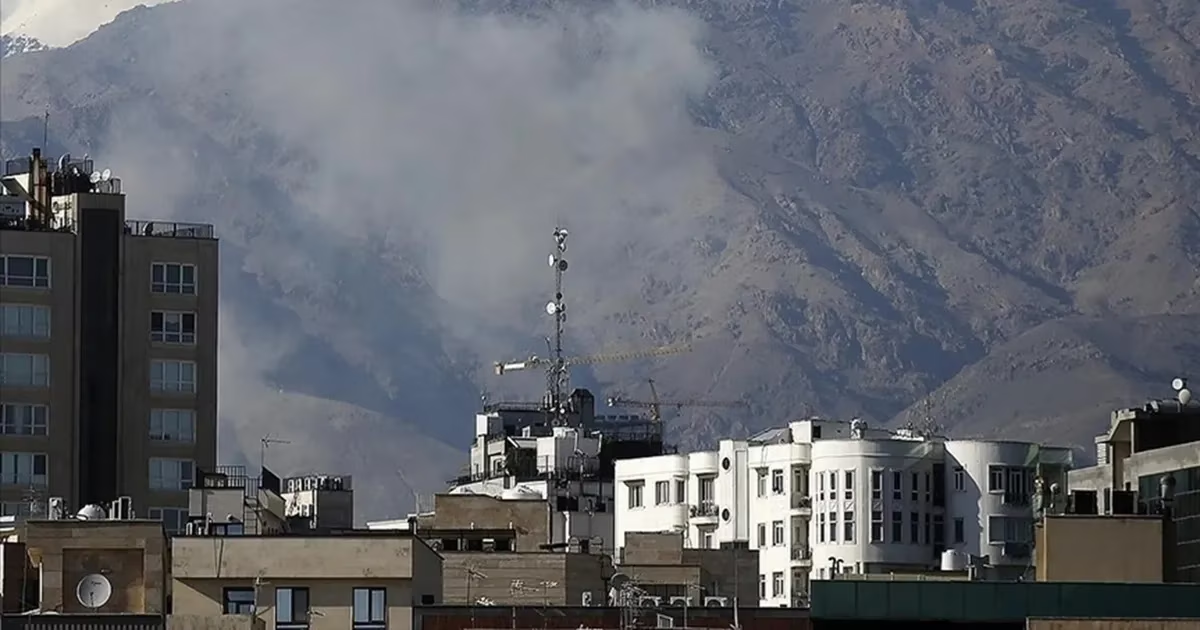







Recent political readings indicate that the Middle East region stands on the cusp of a major transitional phase, whose dimensions extend beyond mere temporary military de-escalation. Sources reported that the ongoing conflict between Iran and the American-Israeli alliance has created a new reality that will change the balance of power for decades to come, especially given the persistence of the root causes of the conflict.
Observers believe that Israeli Prime Minister Benjamin Netanyahu finds in the current strategic vacuum an opportunity to escape his internal political crises. This personal and political motive may lead to continuous attempts to undermine any de-escalation, making the prospects of renewed escalation strongly present in the absence of a comprehensive settlement that ends the causes of tension.
On the Iranian domestic front, analysts expect Tehran to witness an unprecedented national cohesion following the repulsion of the joint military campaign. This cohesion will be bolstered by an anticipated economic recovery and a sense of national pride, which could lead to a new social contract that dissolves the differences between conservative and reformist currents under the umbrella of acquired legitimacy.
As for the Gulf region, Iran's emergence as a dominant regional player will necessitate a comprehensive redefinition of the regional security structure. Expectations lean towards neighboring countries being forced to engage in direct understanding with Tehran to protect their vital infrastructure, especially after the decline in confidence in Washington's ability to provide an effective protective umbrella for its allies' interests in the region.
This shift raises fundamental questions about the future of American military bases and Israeli intelligence assets in the region. It is still unclear whether Tehran will accept the principle of regional coexistence with countries that continue to host a military and security presence of powers it considers hostile to its national interests.
Regarding the normalization process, the possibility of the collapse of the 'Abraham Accords' emerges as a realistic option in light of the outcomes of the recent confrontation. The war has proven that the alliance with Israel did not constitute a deterrent, but rather turned into a strategic burden that made the signatory countries potential targets for retaliatory responses, which may push them to review their official relations.
Washington today faces a significant challenge in marketing a new narrative to advance the normalization process in the future, after security promises have lost their luster. The Arab trend towards lowering the level of relations with Tel Aviv may become the dominant feature in the coming phase, as a precautionary measure to avoid involvement in regional conflicts that do not serve the national interests of these countries.
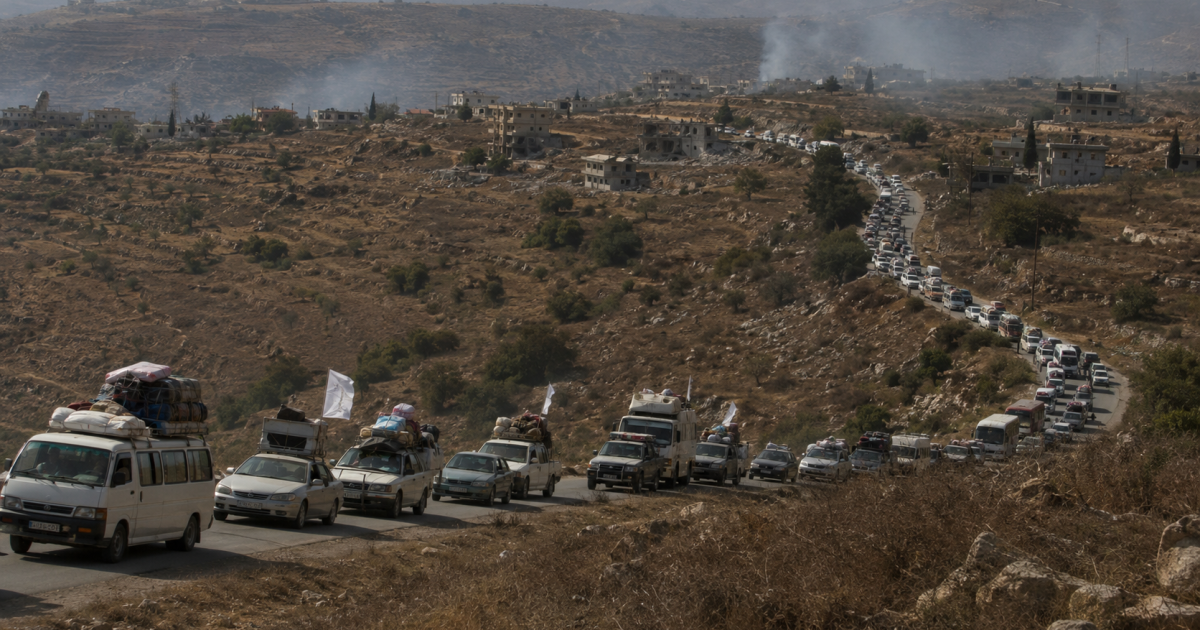
Lebanon, in turn, will not be far from these transformations, as it is expected to witness a radical change in the political balance of power if the Israeli occupation is forced to withdraw. The recognition of Iran as an influential strategic power in the Lebanese arena will become a reality, which will compel local and regional powers to deal with this new given.
Estimates indicate that Arab countries close to the Lebanese government may rush to offer political concessions to ensure the stability of their allies, without conditioning the disarmament of the resistance. This shift reflects a growing realization that Hezbollah's military power has become an integral part of the regional deterrence equation that cannot be easily bypassed.
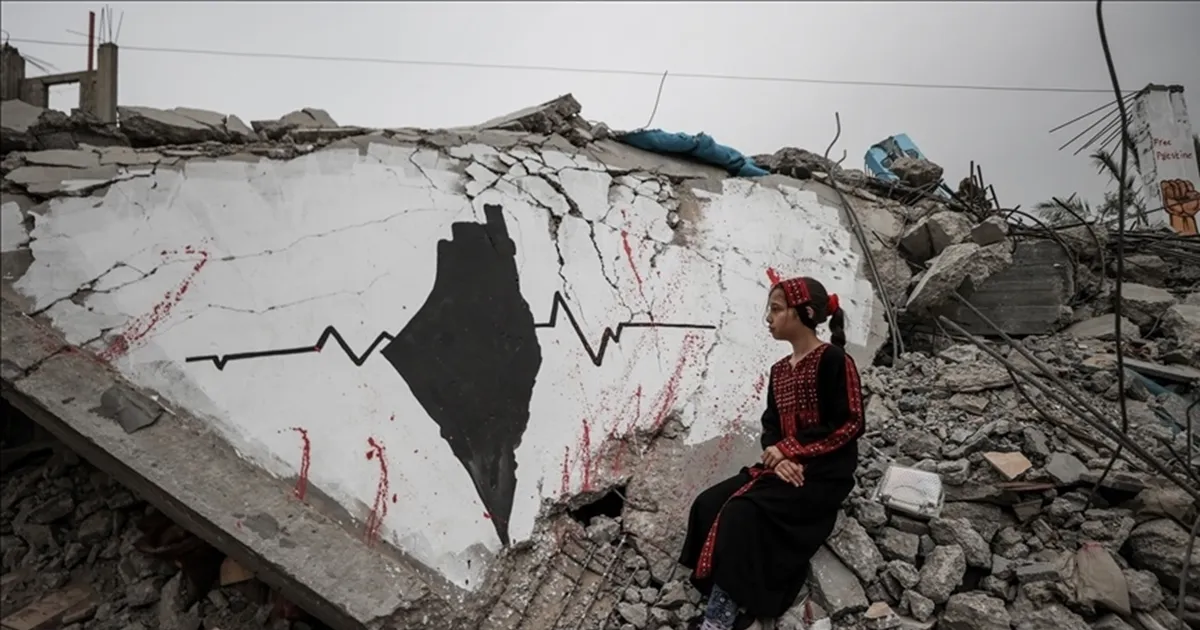
On the Palestinian side, resistance factions are moving towards strengthening their alliance with Tehran more deeply and permanently. This trend comes as a direct result of the Palestinians' feeling of betrayal by the international community and major regional powers that failed to stop the ongoing genocide in the Gaza Strip.
This rapprochement may mean a shift in the rules of engagement, where Iran may begin to deal with the Gaza issue in the same way it manages the southern Lebanon front. This includes the possibility of a direct response to any future Israeli aggressions, organically linking the fate of the Strip to the regional axis of resistance.
This scenario places the Hamas movement before complex political challenges regarding its relations with its traditional allies in the region. Full alignment with the Iranian axis may affect the ability of countries like Qatar to continue playing the role of mediator or hosting the movement's leaders, especially under increasing American pressure.
On the other hand, Israel is striving to separate the Palestinian issue from its regional conflicts with Iran and Lebanon, in an attempt to monopolize the Palestinian arena. However, the reality on the ground and emerging alliances indicate the failure of this strategy, with the intertwining of fronts and their transformation into a single unit in confronting Israeli policies.
In conclusion, questions remain about the extent of Israel's commitment to any ceasefire agreements or military withdrawal. Recent history indicates that non-compliance with pledges could immediately lead to a renewed comprehensive confrontation, leaving the region in a state of constant alert awaiting the outcome of upcoming diplomatic and military moves.
The Middle East region today stands on the cusp of deep and unprecedented geopolitical transformations, where the root causes of the conflict persist despite any temporary truce.



Share your opinion
Five Scenarios Shaping the Middle East After the Iranian-Israeli Confrontation