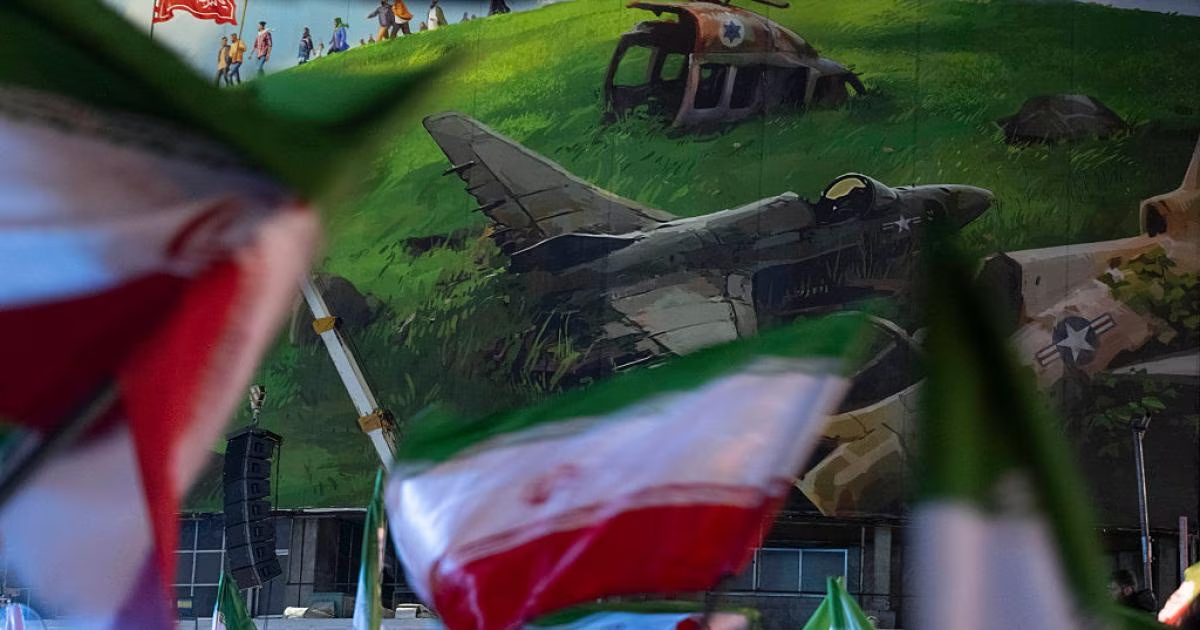







Iranian Foreign Minister Abbas Araqchi affirmed that any future agreement with the United States must be based on mutual respect and the achievement of common interests, emphasizing that these principles are not mere political slogans. He clarified that Iran deals positively and in good faith, while adhering to its legitimate rights and the necessity for other parties to abide by their commitments. He also indicated that his country enters the diplomatic path with caution and full awareness, recalling the experiences of the past year and their repercussions.
Araqchi's statements come as he is expected to participate today, Friday, in American-Iranian talks in the Omani capital, Muscat, with the participation of US Special Envoy Steve Witkoff. These talks primarily focus on the Iranian nuclear program, a file that Tehran insists on prioritizing. According to what was reported by the White House spokesperson, the agenda will naturally focus on the nuclear file, with expectations that the discussions may extend to include other thorny issues, including the Iranian missile program.
The White House spokesperson affirmed that the US administration, and President Donald Trump in particular, prefers the diplomatic path and seeks to test the possibility of reaching an agreement with Iran. At the same time, she stressed that all options remain on the table, describing the US military as the strongest in the world. The Muscat talks come amid escalating tension in the region, with increasing US military buildups and threats from the US President to resort to military option, which gives these negotiations special importance.
Sources from Washington reported that observers agree that the chances of reaching an understanding appear extremely difficult, explaining that the American demands put forward are classified as "maximum demands," which Iran has previously announced its categorical rejection of. The sources added that these demands include Iran's complete abandonment of uranium enrichment, cutting its ties with its allies in the region, in addition to giving up its missile program, considering that such conditions make the negotiation process extremely complex. They indicated that these demands came with clear Israeli impetus to thwart the negotiations.
For its part, sources from Tehran indicated a high state of anticipation among Iranians at both political and popular levels, as this round may determine the future shape of Iranian-American relations. They clarified that the current round is intended to be a starting point for a potential roadmap for understanding, while emphasizing that any potential understanding is conditional on remaining confined to the Iranian nuclear file, with strict red lines regarding the missile file that Washington tried to include on the table.
Any future agreement with the United States must be based on mutual respect and the achievement of common interests, and these principles are not mere political slogans.

Share your opinion
Muscat Negotiations Between Washington and Tehran: A Thorny Path and Limited Chances of Agreement