







Member of the Political Bureau of the Islamic Resistance Movement (Hamas) Muhammad Nazzal said that a delegation from the movement headed to the Egyptian capital Cairo today, Sunday, to discuss political and field developments in the Gaza Strip starting from tomorrow, Monday, and to follow up on the implementation of the ceasefire agreement, in light of what he described as major difficulties hindering its application, and continued Israeli violations.
Nazzal added, in statements to the Al-Masa'iya program, that the movement's delegation is holding meetings with Palestinian factions and forces, in addition to meetings with official Egyptian bodies, to discuss a number of files related to the agreement, foremost among them ways to consolidate the ceasefire and move to its subsequent stages.
Regarding the nature of the ongoing discussions in Cairo, Nazzal explained that they include several main files, the first of which is the formation of a Palestinian committee of "technocrats" to administer the Gaza Strip, a committee whose principle of formation was agreed upon between Palestinian factions and Egyptian authorities, but it faced reservations from the Palestinian Authority and Israel.
He added that the Hamas delegation is working in coordination with the rest of the Palestinian forces to overcome obstacles to the formation of the committee that will manage the Strip, stressing that it is purely Palestinian, and that its primary reference must be Palestinian, while seeking agreement on its members.
The Hamas leader indicated that the Palestinian factions had previously submitted a list of about 40 names to the Egyptian side, some of which were selected, but some names were met with reservations, explaining that the Palestinian Authority is demanding specific names, and emphasizes the necessity that the committee's reference be to the Palestinian Authority and government, which he said Hamas does not object to in principle, provided that competent and independent personalities from the residents of the Gaza Strip residing therein are agreed upon, and enjoy the trust of Palestinian society.
Nazzal said that the occupation, in turn, expresses reservations about some of the proposed names, stressing that the discussion on this file is taking place through mediators, specifically through the Egyptian authorities, in an effort to prevent Israeli Prime Minister Benjamin Netanyahu from exploiting these differences to evade the agreement or procrastinate its implementation.
He added that the second file on the table in Cairo concerns moving to the second phase of the ceasefire agreement, noting that this phase includes several issues, including the necessity of opening the Rafah crossing in both directions, a clause which he said the occupation has not committed to implementing despite it being stipulated in the first phase of the agreement.
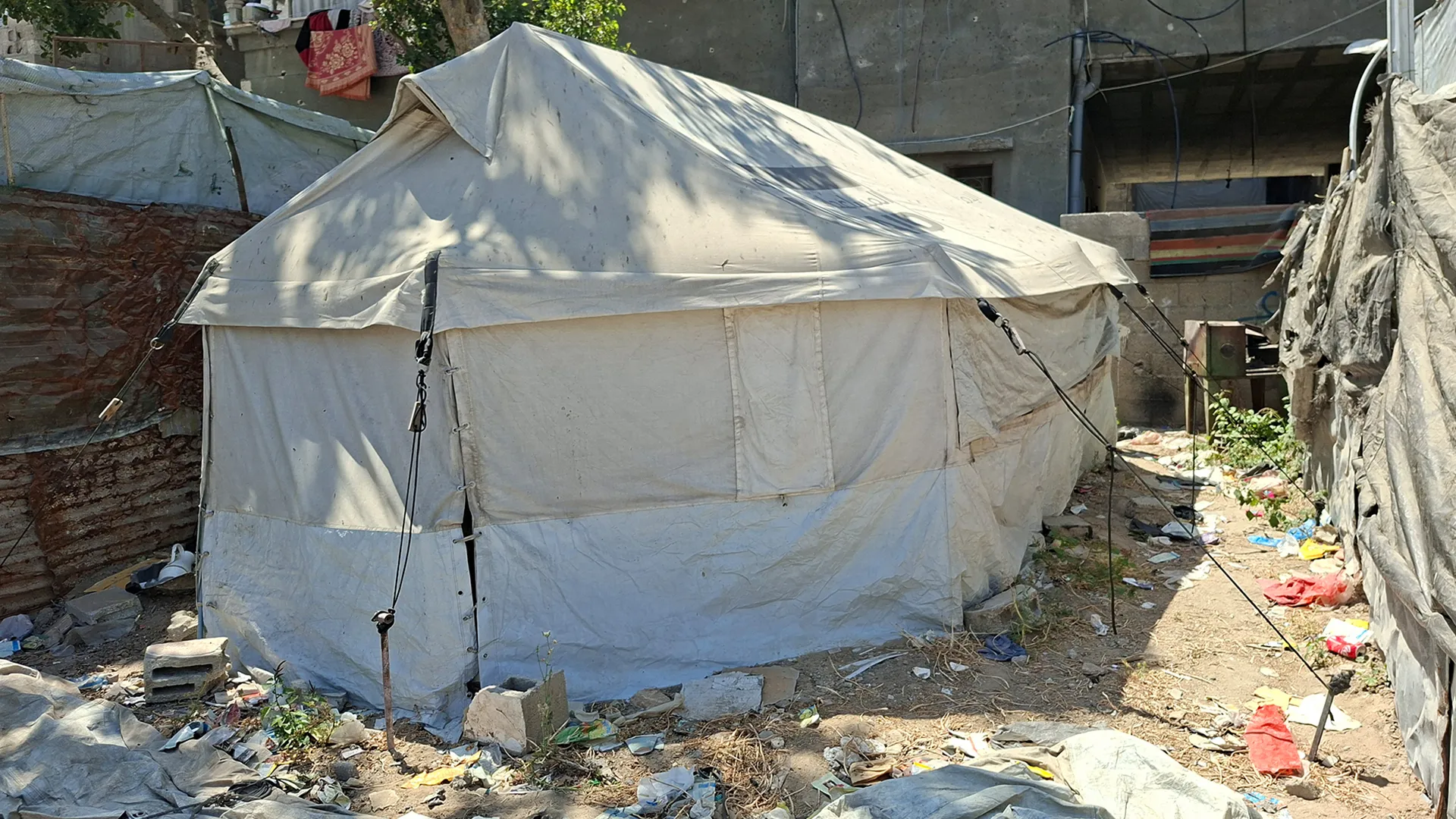
The member of the Political Bureau of Hamas said that the third file concerns the entry of relief materials into the Gaza Strip, including "caravans" (prefabricated houses) and tents suitable for winter, in light of the harsh weather conditions the Strip is experiencing, stressing that these needs constitute an urgent humanitarian priority.
Regarding the discussion about the administration of the Gaza Strip and what is known as the "Global Peace Council," Nazzal said that he cannot specify an exact date for moving to the second phase of the agreement, stressing that the main obstacle is Netanyahu and his government, which sees no interest in this transition, despite regional and international desire, including from the American administration, to end the war file and not return to escalation in Gaza.
He affirmed that Hamas was officially informed of the name of Nikolay Mladenov as a candidate to be part of the proposed administration for the Gaza Strip, noting that his name was put forward as an alternative to former British Prime Minister Tony Blair, who was met with reservations from several parties due to his previous positions and biases.
The Hamas leader explained that the movement has no principled reservation about Mladenov's name, who he said has previous experience in this file, but on the other hand, it believes that the tasks of the "Global Peace Council" and the international force associated with it are still unclear, and are shrouded in many questions that need answers.
Nazzal concluded by saying that the coming weeks may reveal more details about the future of these arrangements, in light of the ambiguity that still surrounds the mechanisms for administering the Gaza Strip and moving to the next phases of the ceasefire agreement.
The occupation, in turn, expresses reservations about some of the proposed names, stressing that the discussion on this file is taking place through mediators, specifically through the Egyptian authorities, in an effort to prevent Israeli Prime Minister Benjamin Netanyahu from exploiting these differences to evade the agreement or procrastinate its implementation.



Share your opinion
Hamas delegation heads to Cairo to discuss Gaza developments and consolidate ceasefire