






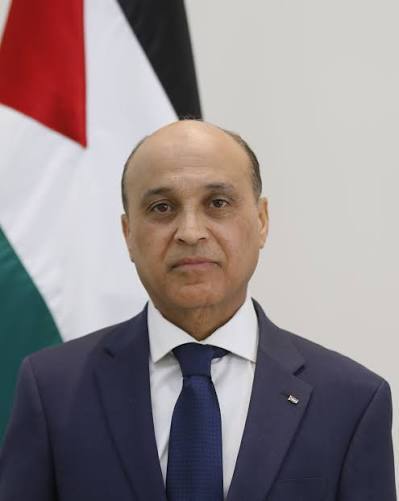
Dr. Ammar Dweik: It is very important to have actual accountability and criminal prosecution, and that resignation should not be a substitute for the criminal judicial process.
Firas Yaghi: The corruption allegations associated with the name Zarab require a clear explanation from the Cabinet that answers the citizens' questions.
Dr. Ahmad Rafiq Awad: The healthier the government’s situation, the more it can provide the public with sufficient information to reduce rumors.
Jihad Harb: The official announcement of the reasons for the resignation could have presented a different model from previous governments and enhanced trust in the government.
Dr. Omar Rahal: Clarifying the reasons for the resignation is important, and transparency demonstrates a serious commitment to the government’s program, which includes fighting corruption.
Salih Mousa: The manner in which the resignation decision was announced was not successful and did not rise to the level of the event, nor does it respond to the idea of a "reform government."
Once again, the issue of Minister of Transport and Communications Tarek Zarab has sparked widespread debate, with the government announcing Prime Minister Dr. Mohammad Mustafa's acceptance of his resignation, amidst a lack of official clarifications regarding the background of the decision, whether it is related to ongoing investigations concerning corruption allegations or administrative disputes within the ministry, and whether what occurred was an ousting of the minister or his resignation?
Officials, writers, political analysts, and human rights advocates, in separate conversations with "Y," indicate that the brief announcement of the acceptance of the resignation via the Government Media and Communication Center, without additional details, has opened the door to public inquiries regarding the nature of the case and the measures taken against the resigning minister.
Writers, analysts, officials, and rights advocates believe that the government's handling of the resignation file has been characterized by ambiguity and has not risen to the level of a case that attracts public interest, noting that transparency in such matters represents a real test of the executive authority's commitment to the principles of accountability and fighting corruption. They affirm that merely accepting the resignation does not substitute for the judicial process in the event that the charges are proven, and that citizens have the right to know the complete facts to ensure trust in state institutions, considering that this case represents a pivotal moment in the path of a government that has raised the banner of reform and combating corruption, emphasizing that clarity and honesty with the public are the way to enhance trust between the people and their institutions, and that managing such sensitive files requires a greater degree of responsibility and transparency to avoid conflicting narratives and the spread of rumors.
The lack of announcement of the details of the ousting may be due to the continuation of investigations.
The Director General of the Independent Commission for Human Rights "Ombudsman," Dr. Ammar Dweik, confirms that the ousting of Minister of Transport and Communications Tarek Zarab, which was likely at the request of Prime Minister Dr. Mohammad Mustafa, is practically considered an end to his duties, and this comes against the backdrop of criminal investigations related to corruption charges against him.
He points out that the government's failure to announce the details of the ousting may be due to the ongoing investigations by the public prosecution, emphasizing that this does not prevent the government from clarifying the background of the ousting in general without delving into the details of the investigations.
Dweik states: "We consider the ousting of a person accused or suspected of corruption a positive step, but it is very important to have actual accountability and criminal prosecution, and that resignation should not be a substitute for the criminal judicial process."
He clarifies that the minister remains presumed innocent as long as the case is ongoing, and all legal guarantees for a fair trial under Palestinian law must be provided, stressing the need to differentiate between the substance of the ongoing investigations and their details and the possibility of giving a general statement about the background of the ousting.
Dweik said that transparency in such cases enhances public trust in the government and its institutions, and confirms that the action taken should be part of a clear legal process, not just an administrative measure to avoid criminal accountability.
The absence of clarifications opens the door to rumors.
Political writer and analyst Firas Yaghi emphasizes the importance of transparency in the Palestinian executive authority's handling of the issue of Minister of Transport and Communications Tarek Zarab, considering that the absence of official clarifications from the government and the Prime Minister opens the door to rumors and weakens the trust of the Palestinian street in its institutions.
Yaghi clarifies that the Palestinian public always demands that the executive authority be clear in its



Share your opinion
Hanging questions.. Did the minister resign or was he dismissed?!