






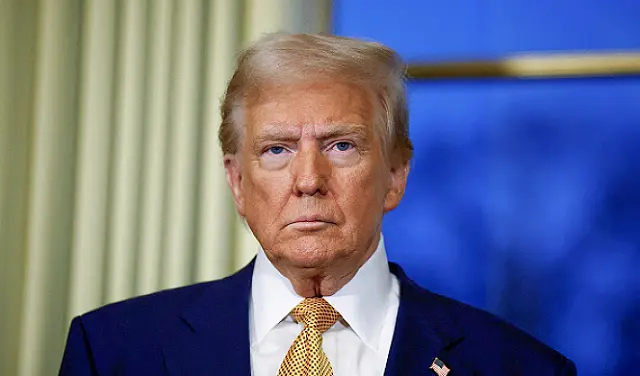
Dr. Hussein Al-Daik: The ceasefire agreement will continue despite obstacles, with the possibility of significant amendments and delays in its implementation
Talal Awkal: Trump will not allow his plan to collapse or return to a wide-scale war, based on his vision of American interests which he prioritizes absolutely
Dr. Suhail Diab: What can be expected in the upcoming phase is the continuation of a "tense calm" until the Israeli elections are over, without a return to genocide
Yasser Manaa: The next phase may witness partial arrangements related to the administration of the sector under American and Arab sponsorship, with limited Israeli and Palestinian approval
Mohammed Abu Alan Draghmeh: Netanyahu seeks to change the nature of military operations without fully ending the war, exploiting any opportunities to achieve military objectives
Attention is once again directed to the ceasefire agreement in Gaza following the new Israeli escalation, and the maneuvers being carried out by the Israeli occupation government leader.
Writers, political analysts, and specialists, in separate conversations with "Y", believe that the agreement, which came under American pressure, reflects Washington's need for a quick calm that aligns with its internal calculations, especially with the upcoming electoral deadlines, while Israeli Prime Minister Benjamin Netanyahu seeks to prolong the first phase of the agreement, avoiding the obligations of the subsequent phases, in an attempt to leverage the file in his upcoming electoral battle. However, the field reality, according to writers, analysts, and specialists, reveals the fragility of the understandings, with hundreds of violations of the agreement recorded, suggesting that the crisis is being postponed rather than resolved.
Writers and analysts believe that Gaza's future remains a battleground between two conflicting visions: the first calls for American-British guardianship under the umbrella of a "Peace Council," while the second seeks a Palestinian technocratic administration supported by Arab and international backing.
Netanyahu seeks to buy more time and maneuver
The writer and political analyst specializing in American affairs and international relations, Dr. Hussein Al-Daik, confirms that Israeli Prime Minister Benjamin Netanyahu was compelled and forced to sign the recent ceasefire agreement, as his main goal was to gain more time and political maneuvering with the American administration.
Al-Daik explains that the American move to force Netanyahu into the agreement came after several international factors, including the Israeli military strike in the Qatari capital Doha, European recognition of the Palestinian state, and the scene at the United Nations General Assembly where delegations left without listening to Netanyahu's speech, prompting the American administration to act.
Al-Daik points out that the agreement aimed to return Israel to the Western European fold and support Netanyahu's political position.
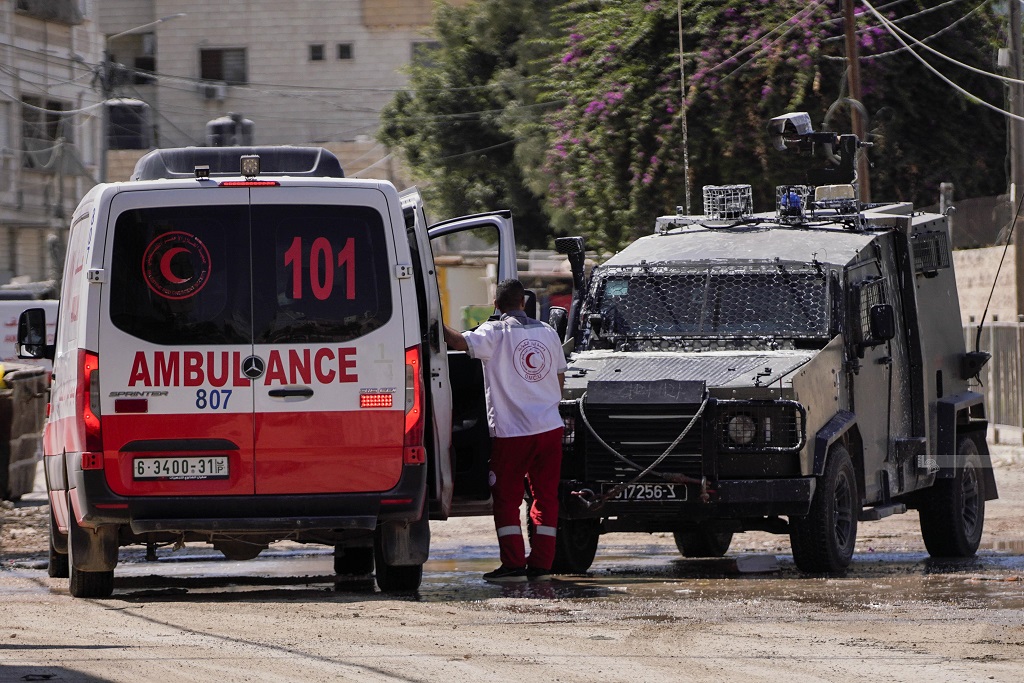
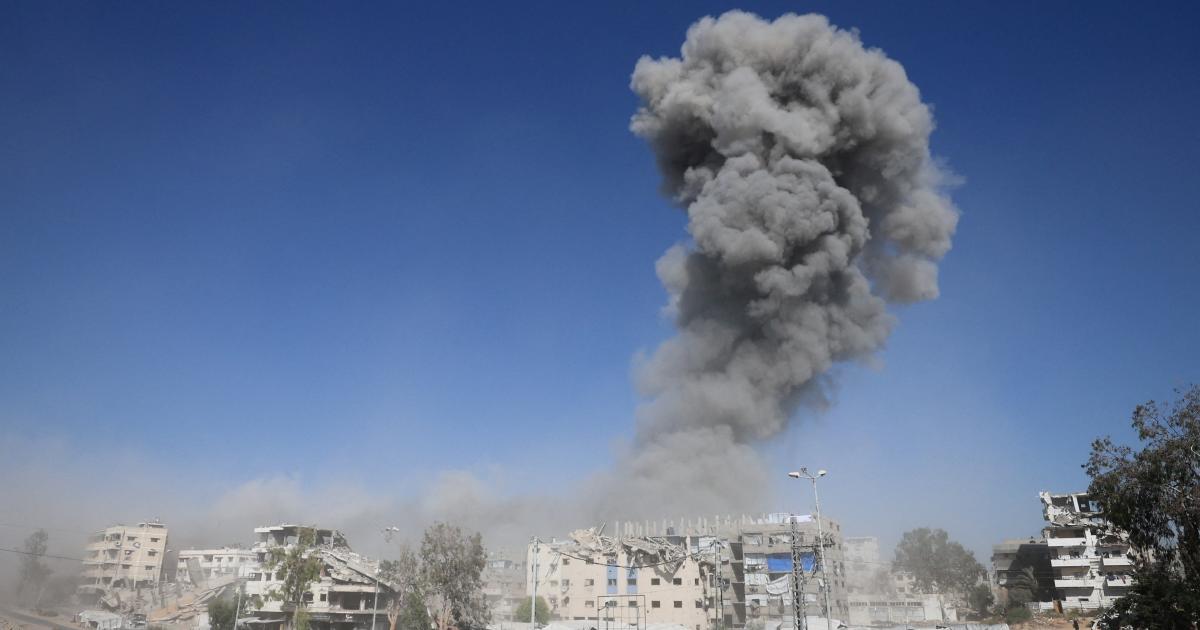
He notes that a return to large-scale fighting is unlikely, but the war has not actually stopped; it has not ended, but it will not return as it was during the past two years, as violations continue daily, with civilian casualties.
He confirms that the tools of war have changed, and that its continuation falls within the framework of the new American adaptation to the vision of the Middle East, which does not allow for a return to comprehensive war in Gaza.
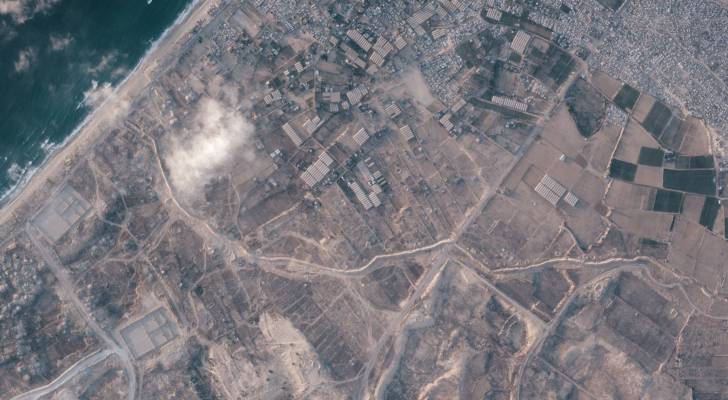
Al-Daik points out that the Lebanese model likely to be applied to Gaza will impose harsher tools, with the Israeli army controlling about 52% of the sector's area, and drawing what is known as the yellow line that prevents Palestinians from approaching it, indicating that these areas are sought by Israel to be annexed or left as a buffer zone under Israeli control.
The agreement has been structurally fragile from the beginning
Regarding the second phase of the agreement, Al-Daik clarifies that the agreement has been structurally fragile from the beginning, with a lack of clarity regarding the details of the second phase, especially the issues of governance and disarmament.
He points out that each party's interpretation of these issues is different; the American and Israeli sides view disarmament as a primary goal, while the Palestinian and Arab interpretation is entirely different, which may delay or complicate the implementation of the second phase. Al-Daik notes that the issue of returning the remains of Israeli soldiers may pose a major obstacle to moving to the next phase.
Al-Daik addressed the issue of the technocratic government and law enforcement within Trump's plan, explaining that the arrangements include training about 5,000 to 10,000 Palestinian police officers in the Egyptian capital Cairo, in addition to the presence of international forces to monitor security and disarmament within Gaza, with questions about their nationalities and powers, and whether



Share your opinion
Violation of the agreement.. Trump sets the pace and will not allow the return of war.