






Dr. Tamara Haddad: The continuation of legal work can serve as a psychological and political pressure tool on Netanyahu, but it does not mean an immediate implementation of a decision to arrest him.
Khalil Shaheen: International public sympathy is important, and the main bet should be on the global court of public opinion, not just on judicial institutions.
Noor Awda: Decisions of international courts do not expire, and there is still ample opportunity to continue demanding accountability for war criminals using available legal tools.
Dr. Irini Said: The Trump administration has produced bargains and exchanges that may guarantee Netanyahu protection from any political or criminal prosecution in exchange for passing the ceasefire and stopping the war.
Nabhan Khreisha: Peace that is not based on justice is merely a temporary truce, and transforming international sympathy into organized political and legal action is the way to prevent the tragedy from recurring.
Mohammed Hawash: International awareness of the Palestinian issue will not diminish, but it does not necessarily mean a shift to a pressure movement that enforces the implementation of court decisions against Netanyahu and Gallant.
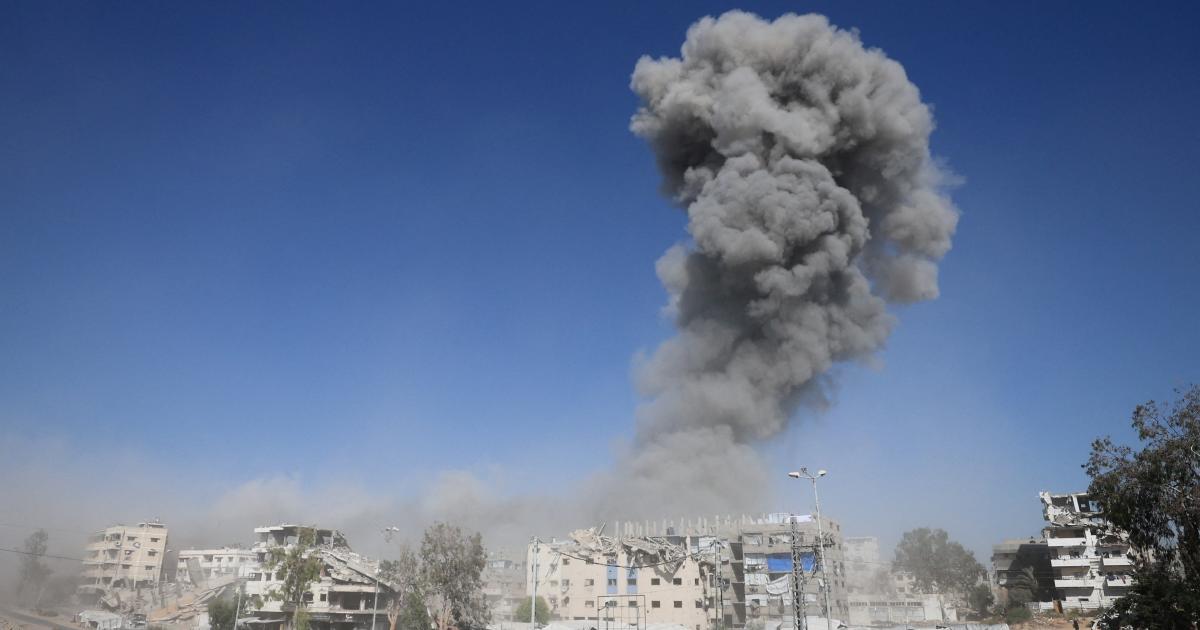
The cessation of the war in Gaza raises widespread debate about the future of prosecuting Israeli Prime Minister Benjamin Netanyahu and former Israeli Defense Minister Yoav Gallant, as well as Israeli war criminals before international courts, especially the International Criminal Court, following a period in which arrest warrants were issued against them.
Writers, political analysts, and specialists, in separate conversations with "Y," believe that activating this path faces complex obstacles. The United States and Israel are not parties to the Rome Statute that established the International Criminal Court, and they consider its decisions politically invalid, which allows Israel to evade international cooperation and even prevents Netanyahu and Israeli war criminals from traveling to countries that are signatories to the court's founding agreement for fear of arrest.
They point out that U.S. pressure on the court seeks to undermine the implementation of the warrants, which turns the path to justice into a psychological and political pressure tool rather than an effective procedural path at this time.
However, writers, analysts, and specialists believe that the continued documentation of violations and turning them into legal files before international courts is a necessary step to keep Israeli leaders under the threat of prosecution, affirming that although the path to prosecuting Netanyahu and Israeli war criminals remains long and complex, the file of prosecuting Netanyahu will remain present as a pressure card on the international stage, even if actual implementation remains delayed due to power balances and political pressures.
Significant obstacles to executing arrest warrants
The political researcher Dr. Tamara Haddad clarifies that the scene after the cessation of the war in Gaza opens the door to major questions about the possibility of activating international decisions to legally pursue Israeli Prime Minister Benjamin Netanyahu or neglecting the file.
Haddad confirms that the International Criminal Court has jurisdiction over Palestinian territories under its 2021 decision, which stated that crimes committed in the West Bank and Gaza Strip fall within its jurisdiction.
Haddad points out that the Prosecutor of the International Criminal Court, Karim Khan, has indeed issued an arrest warrant against Netanyahu, which provides the legal basis for his trial.
However, Haddad emphasizes that the political and practical aspects differ entirely from the legal framework, as the implementation of these warrants faces huge obstacles due to American and European pressures, noting that the United States and Israel are not parties to the Rome Statute that established the court, and they consider its decisions "politically invalid."
She explains that Israel refuses to cooperate with the International Criminal Court, while Netanyahu avoids traveling to countries that are signatories to the Rome Statute for fear of arrest, even though some countries have not fulfilled their obligations in this regard.
Activating the "criminal" decisions is contingent on the international balance of power
Haddad indicates that the possibility of activating these decisions is contingent on the international balance of power and the pressures of major countries, pointing out that the Prosecutor's attempts to act face pressures to cancel the arrest warrant. Haddad confirms that the continued legal work and documentation of violations can serve as a psychological and political pressure tool on Netanyahu, but it does not necessarily mean an immediate implementation of the arrest decision.
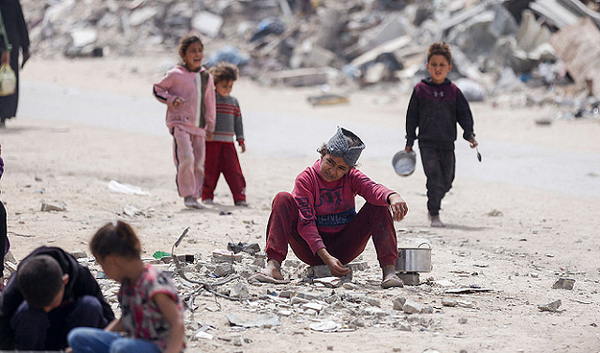
On the popular and international levels, Haddad believes that global sympathy for the Palestinians may gradually decline with the cessation of broadcasting images of destruction and victims after the war on the Gaza Strip has stopped, affirming that "the absence of daily scenes of suffering weakens popular pressure and gives some Western governments space to refocus on political projects such as Trump's peace plans."
Nevertheless, Haddad expects some international organizations to continue documenting

Share your opinion
After the war stops.. Will the pursuit of Netanyahu continue at the "International Criminal Court"?