







The famine was not the only thing exhausting mothers in Gaza. When the water that is supposed to give life becomes a source of pain for your child, motherhood turns into a harsh test of helplessness and confusion.
In one of the displacement centers in Gaza City, Mrs. Noha Shahab, known as "Um Tamim," sits with her one-and-a-half-year-old child, talking about one of the hardest experiences she went through during the war, saying, "My son was very sick, suffering from severe gastrointestinal infections that weakened him day by day. I took him from one doctor to another without success. I was looking for a treatment, not knowing that the problem was right in front of me... in the water itself."
She did not realize that the water used to prepare her child's milk and food was contaminated. She adds, "I learned by chance about a campaign to disinfect water using chlorine, through colleagues from university. It was a turning point; I felt that this information saved my son's life."
Um Tamim began to apply the instructions: disinfecting the water, boiling it, and adhering strictly to personal hygiene, and soon signs of improvement began to appear in her child.
"Since I started using chlorine to disinfect drinking and cooking water, his infections gradually disappeared, and his health improved," she adds gratefully.
The transformation was not only physical but also behavioral. "I became keen on disinfecting my hands daily with alcohol, and I wash my hands well with soap and water at least three times, especially after returning home."
She adds, "Washing hands is not just an act; it’s a way of life. I no longer settle for just spraying water; I learned the correct method because the small details save lives."
Tamim's story is not an exception but a miniature representation of the suffering of thousands of families in Gaza, where contaminated water has turned into a silent weapon that devastates children, while local initiatives have carried the banner of awareness, trying to be the first line of defense against a hidden epidemic that is as dangerous as aerial bombardment.
Um Tamim concludes her talk, "I am happy that I found this information at the right time. But it raises a bigger question: What about the thousands of mothers who have not found a way to protect their children from contaminated water?"
Dr. Abdul Raouf Al-Manama, the founder of the campaign and a professor of microbiology at the Islamic University of Gaza, explains that the war destroyed the health infrastructure and water and sewage networks, causing the displacement of hundreds of thousands, amidst a scarcity of clean drinking water.
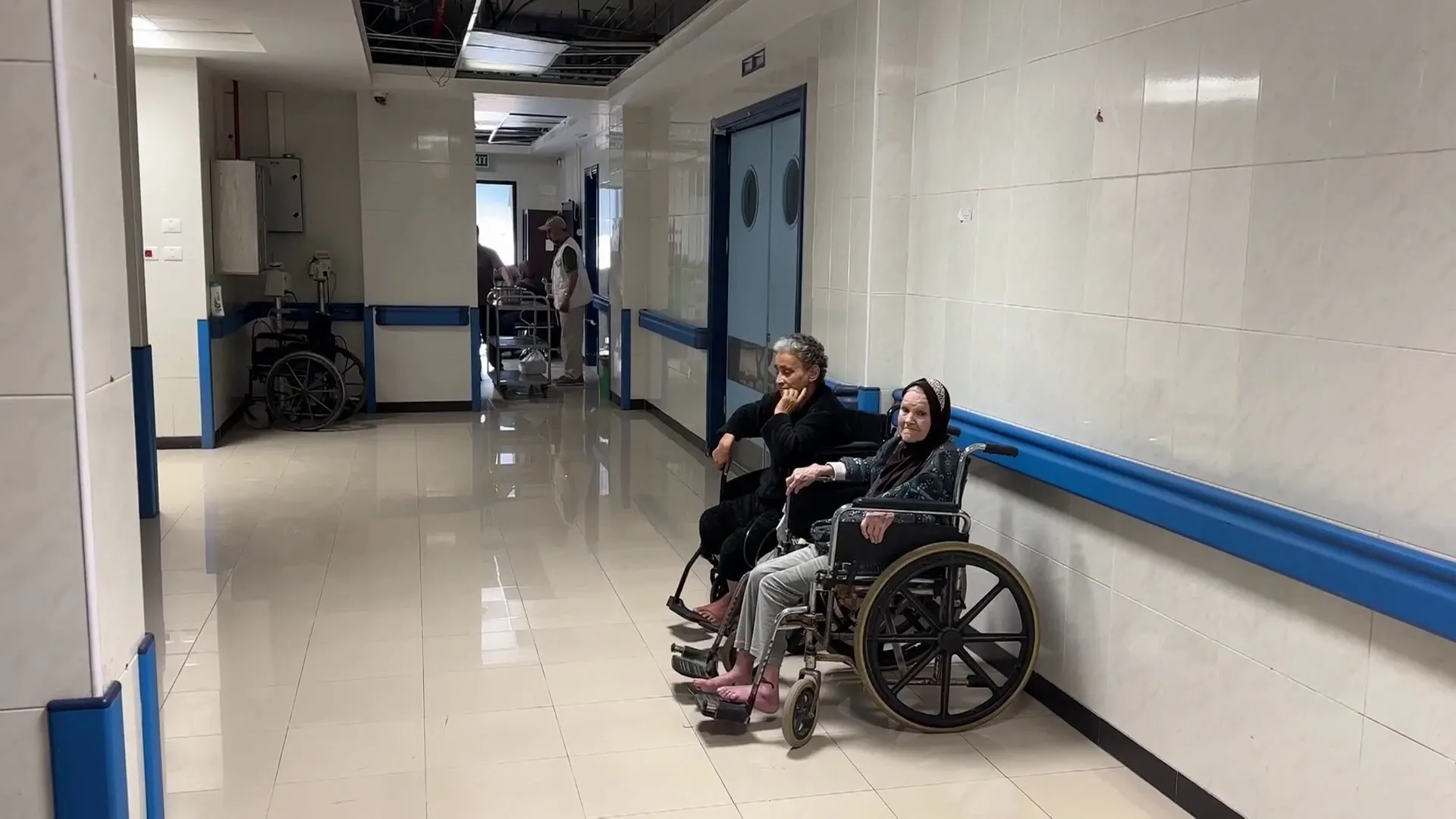
Al-Manama says, "This reality has made Gaza a fertile environment for infectious diseases, from diarrhea and hepatitis to food poisoning. Meanwhile, hospitals, already overwhelmed with war injuries, have been flooded with thousands of cases, while families stood helpless in front of their children's suffering."
From here, the "Water and Foodborne Diseases" campaign was born, in an attempt to fill the awareness gap, relying on volunteer work.
More than 285 volunteers – including doctors, health educators, journalists, and university students – participated in the campaign, with 112 in the field and 173 through online awareness.
The road was not paved with roses; overcrowding in displacement centers, lack of resources, power outages, and difficulties in mobility were all obstacles faced by the team. "How can you hold an awareness session among hundreds of families packed in one hall?" Al-Manama wonders.
But the campaign relied on flexibility and creativity, using various methods: direct meetings, theatrical performances for children, brochures and posters, and awareness clips through social media. Its messages expanded to include education about skin and respiratory diseases, alongside intestinal diseases.
Even children participated in spreading knowledge. One of the volunteers, Rinad Abu Dan, recalls with a smile, "After a session on handwashing, a little girl told me: I will teach my siblings what I learned today."
Sabrin Abu Zaiter, one of the volunteers, says, "I joined the campaign out of a sense of responsibility towards my community. Prevention is not complicated; with some simple practices, lives can be saved," but she adds, "There are many shocking situations. I saw children playing with used needles from medical waste. A scene that summarizes the gravity of the situation."
Rinad Abu Dan confirms that people's behaviors have changed significantly. "At first, the displaced people saw awareness as secondary, but when they felt its results on their children's health, everything changed. Many mothers returned to say: Our children no longer suffer from diarrhea as before."
So far, the team has conducted 778 awareness sessions in


Share your opinion
Contaminated water is devastating the children of Gaza.. A health campaign turns awareness into a lifeline.