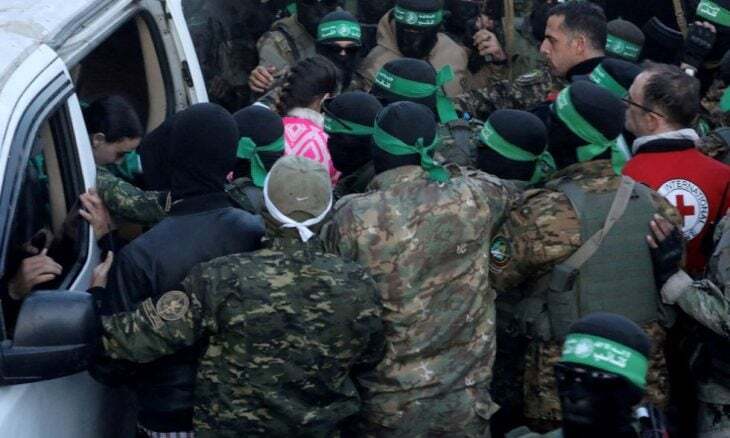







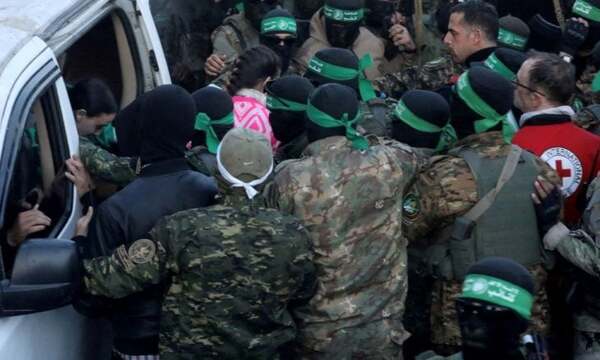
The families of Israeli prisoners held in the Gaza Strip called on the Israeli government in a statement on Sunday to reach a ceasefire and prisoner exchange agreement. This comes in light of indirect negotiations between Israel and Hamas in Doha and Israeli Prime Minister Benjamin Netanyahu's visit to Washington and his meeting with US President Donald Trump tomorrow.
The statement read, "The families of the kidnapped soldiers were informed of the decision to send an Israeli delegation to the talks in Doha, and they support this decision. This is a necessary step, and it must end with a comprehensive agreement that guarantees the return of the last of the kidnapped soldiers, with a clear timetable."
The statement added, "The families are demanding a clear and transparent update from the Abductees' Directorate and official bodies on what conditions (Hamas's comments on the proposal) Israel describes as 'unacceptable.' The families and the public have the right to know. The families are also asking the negotiating team to establish a system that shortens the timeline, in order to ensure a comprehensive agreement is reached within the current week, and to ensure that the deal includes the return of all of them, without selectivity. The abductees do not have even one more day to wait."
However, speculation in Israel today has grown that a ceasefire and prisoner exchange agreement will not be announced in the coming days. This is due to the alleged existence of "major disagreements" between Israel and Hamas after the latter expressed reservations about the proposed proposal, which Israel described as "unacceptable."
The proposal calls for a 60-day ceasefire, including five prisoner exchanges throughout the ceasefire period, including 10 living Israeli prisoners and 18 dead ones, in exchange for an as-yet-unknown number of Palestinian prisoners. The proposal also includes a partial Israeli military withdrawal from the Gaza Strip.
According to the Ynet website, Israelis believe that because Hamas has rejected these reservations, US President Donald Trump will not announce a ceasefire during Netanyahu's visit to Washington. However, Trump is expected to issue an "optimistic statement" about the two sides being close to an agreement.
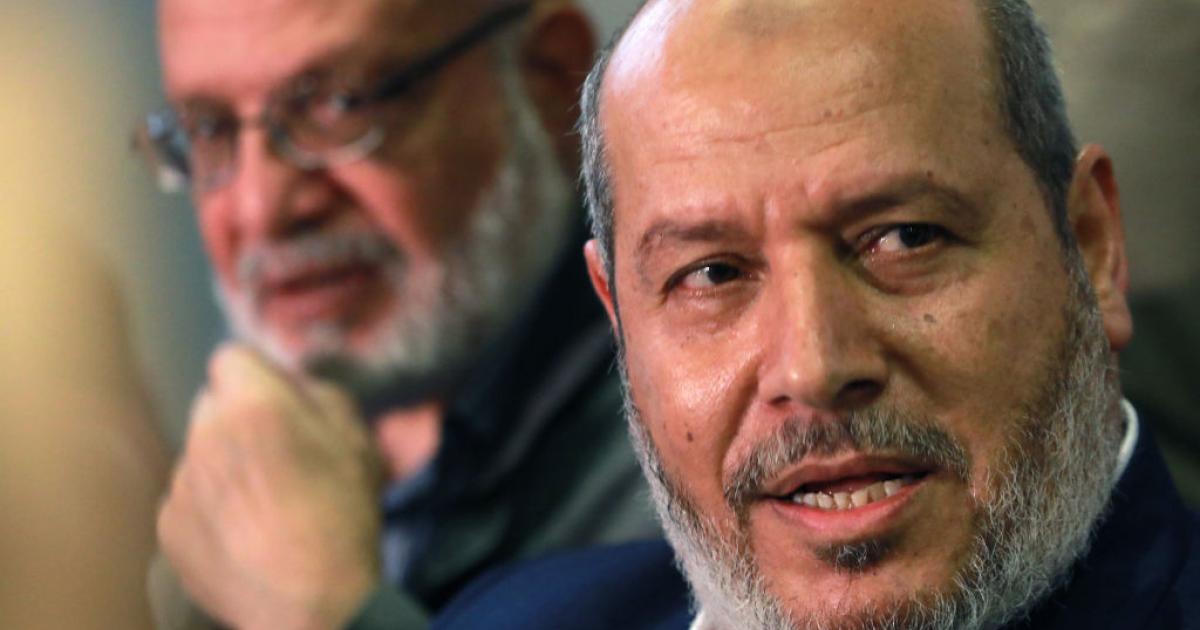
AFP quoted a Palestinian official familiar with the talks as saying, "The mediators informed Hamas of the start of a round of indirect negotiations between Hamas and Israel in Doha on Sunday." He noted that the movement's negotiating delegation, headed by Khalil al-Hayya, and its technical teams "are currently in Doha and ready for serious negotiations."
Palestinian officials added that the negotiations are focusing on "mechanisms for implementing the framework agreement for a ceasefire based on the new proposal," noting that Hamas "wants to focus on the observations it made in its response to improve the entry of aid in sufficient quantities through UN and international organizations, the (Israeli) withdrawal from the Gaza Strip, and guarantees for a permanent cessation of hostilities, lifting the blockade, and reconstruction."
The same official explained that UN organizations, particularly the United Nations Relief and Works Agency for Palestine Refugees (UNRWA), have hundreds of aid distribution points and centers and extensive experience in the Gaza Strip. He noted that Hamas "wants to emphasize the opening of the Rafah crossing in both directions for individuals and aid."
The proposal calls for a 60-day ceasefire, including five prisoner exchanges throughout the ceasefire period, including 10 living Israeli prisoners and 18 dead ones, in exchange for an as-yet-unknown number of Palestinian prisoners to be released. The proposal also includes a partial Israeli military withdrawal from the Gaza Strip.

Share your opinion
Families of Israeli prisoners demand a comprehensive deal that "returns all the kidnapped"