






Dr. Raed Abu Badawi: The United Nations and other international institutions possess sufficient evidence to hold Israel accountable, but they lack genuine political will.
Nour Odeh: Despite its importance, the report does not represent a major turning point in the ongoing war on the Gaza Strip due to the absence of effective international punitive measures.
Talal Okal: These testimonies represent vital evidence supporting the process of accountability before international justice institutions.
Dr. Tamara Haddad: The Haaretz report is a powerful document, but what's more important is implementing international law rather than exploiting time to achieve Israel's goals.
Majed Hadeeb: Israel took over the distribution of humanitarian aid in order to turn distribution centers into "execution squares."
Nizar Nazzal: A policy that goes beyond starvation to include mass and systematic killing, confirming that Israel has reached a dead end in managing the humanitarian situation in Gaza.
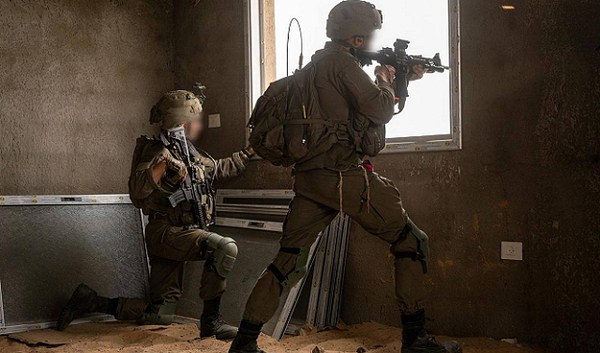
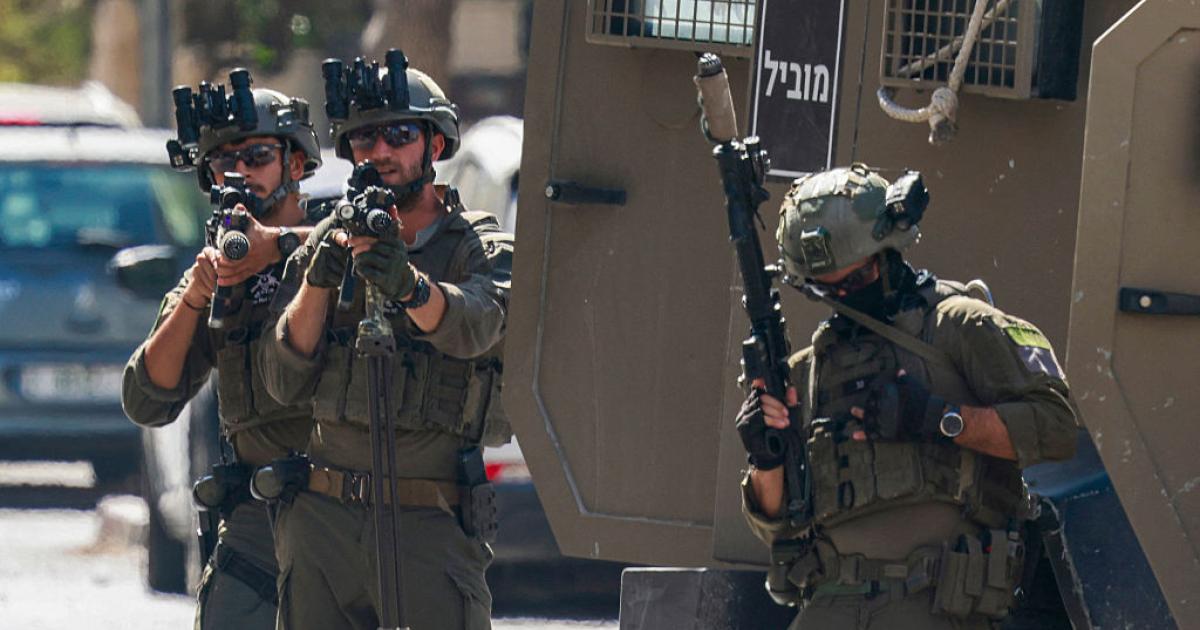
Testimonies from Israeli soldiers reveal a grave admission that aid lines in Gaza have been turned into sniper targets, revealing a systematic policy of starving and killing civilians in cold blood. This presents the international community with a real test of its ability to halt these ongoing crimes and the systematic killing of Palestinians by Israel.
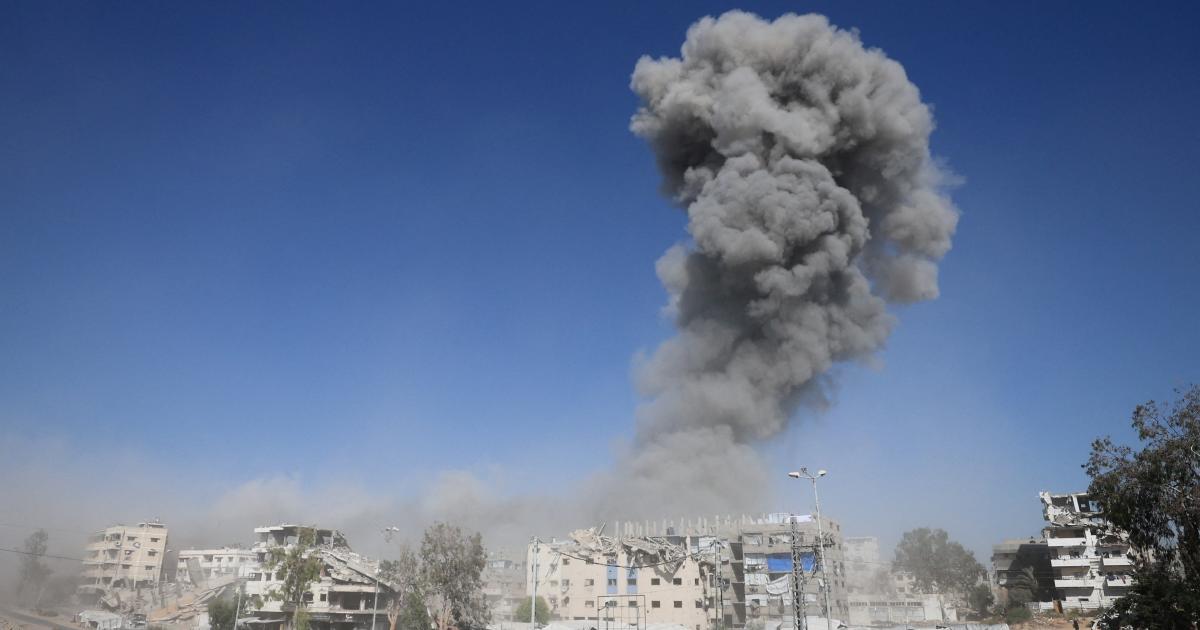
In a new investigation published by a prominent Israeli newspaper, shocking testimonies from Israeli soldiers and officers have emerged, in which they admitted receiving direct orders to target Palestinian civilians, including humanitarian aid recipients in the Gaza Strip.
In separate interviews with "I," writers, political analysts, specialists, and university professors say that these testimonies, which were leaked to the Israeli media, add to a long list of evidence confirming the systematic violations of international humanitarian law and expose Israel's official narrative, which has long justified the killing of civilians as "unintentional mistakes."
They believe these testimonies highlight the Israeli military's moral and military failure in managing its ongoing aggression against the besieged Gaza Strip. The investigation reveals a lack of real military targets, turning civilians and aid distribution centers into open execution grounds.
While analysts and writers view this evidence as a vital asset to support the process of accountability before the International Criminal Court and the International Court of Justice, they emphasize that the international community remains unable to translate this documentation into concrete punitive measures.
Military and moral bankruptcy of the Israeli army
Dr. Raed Abu Badawi, professor of international law and international relations at the Arab American University, says that a report published by the Israeli newspaper Haaretz, which included testimonies from Israeli soldiers who spoke of receiving military orders to target Palestinian civilians, including humanitarian aid recipients in the Gaza Strip, reveals the military and moral bankruptcy of the Israeli army.
Abu Badawiya points out that these statements reflect the absence of clear military objectives and confirm that the military campaign in Gaza serves political purposes linked to the survival of the ruling coalition led by Prime Minister Benjamin Netanyahu.
Abu Badawiya points out that the soldiers' statements, which included sensitive information leaked to the Israeli media, reveal a lack of conviction within the Israeli army regarding the effectiveness of the military campaign.
Abu Badawiya explains that these statements reflect a segment of soldiers' awareness of the lack of real military objectives in the Gaza Strip, as well as the absence of clear security objectives that support the continuation of the aggression.
Abu Badawiya says, "The Israeli army is suffering from a bankrupt military target bank, which is driving the command to target civilians, a behavior that contradicts military ethics and reflects the collapse of values within the army."
Abu Badawiya asserts that these leaks carry multiple implications, including an attempt to send a message to the Israeli public that the war in Gaza is not achieving security objectives, which could increase societal pressure on Netanyahu's government to end the aggression.
Another piece of evidence added to the "basket of evidence" condemning Israel.
Abu Badawiya points out that previous leaks from Israeli generals and officers emphasized the futility of the military operation, which reinforces this internal trend against the continuation of the war.
Abu Badawiya believes that these statements could influence Israeli public opinion, particularly regarding the distribution of humanitarian aid, which has drawn widespread international criticism.
On the international level, Abu Badawiya explains that the Haaretz report adds to the "basket of evidence" that accuses Israel of committing war crimes and crimes against humanity in Gaza.
Abu Badawiya points out that the United Nations and other international institutions, such as the International Criminal Court and the International Court of Justice, possess sufficient evidence to hold Israel accountable, but they lack genuine political will.
Abu Badawiya criticizes the international community, particularly the United States and the European Union, for their failure to take serious steps to halt the aggression. He points out that the EU, which was expected to suspend the trade agreement with Israel due to human rights violations, has instead issued "timid" statements without taking concrete action.
The inability of Arab and Islamic countries
Abu Badawiya asserts that Western positions are influenced by the "Trumpian umbrella" the US administration provides Israel, making European countries hesitant to take firm positions for fear of angering Washington.
Abu Badawiya also criticizes the inability of Arab and Islamic countries to use effective pressure tools, which places them in a state of tacit complicity by not severing trade ties or imposing sanctions on Israel.
Abu Badawiya asserts that the international community, including key players such as the United States and the European Union, bears responsibility for the ongoing "genocide" in Gaza. He calls for urgent action to halt the crimes and ensure the safe delivery of humanitarian aid, warning that people's expectations of the international community may be exaggerated in light of this clear failure.
The issue is not a lack of information about crimes.
For her part, Nour Odeh, a writer and political analyst specializing in diplomatic affairs and international relations, downplays the political implications of a recent report published by the Israeli newspaper Haaretz, which included shocking testimonies from Israeli soldiers and officers about receiving orders to shoot Palestinian civilians near aid distribution centers in the Gaza Strip.
Awda believes that this report, while important as additional evidence of the crimes committed, does not represent a significant turning point in the context of the war that has been ongoing for more than 20 months. She points out that the genocide perpetrated by Israel in Gaza continues due to the absence of effective international punitive measures, not a lack of information about the crimes.
Awda explains that Haaretz has previously exposed other violations during this war, without this leading to any fundamental changes in international positions or a halt to the aggression.
Awda asserts that the newspaper's motives may be subjective, linked to some Israelis' attempts to portray their society as morally "superior." However, this does not negate the presence of a relatively humane tendency in its reporting compared to other Israeli media outlets.
However, Odeh emphasizes that these reports are not the primary motivation for international investigations or criticism. Videos published by the soldiers themselves, along with Palestinian and international testimonies, provide ample evidence to support the charges brought against Israel before the International Criminal Court and the International Court of Justice for genocide.
International positions are not based solely on press reports.
Awda points out that international positions are not based solely on press reports, but rather reflect the imbalance of international power, especially in light of US threats against countries attempting to impose sanctions on Israel or its officials, such as ministers Bezalel Smotrich and Itamar Ben-Gvir. Awda criticizes the system Israel established with US support to arm humanitarian aid, considering it a crime under international law.
Awda asserts that the United Nations and humanitarian organizations, through the American establishment, have been condemning this regime from the outset, but the absence of economic sanctions or a political blockade of Israel reflects "international indifference" to the tragedy.
Awda points out that the internal Israeli context plays a role in reports such as those published by Haaretz, as a segment of Israeli public opinion seeks to end the war for domestic reasons, including opposition to and loss of confidence in Prime Minister Benjamin Netanyahu.
But Odeh emphasizes the importance of distinguishing between Haaretz's reporting and the investigations of progressive platforms like +972 magazine, which brings together Israeli and Palestinian journalists and documents crimes against Palestinians since the beginning of the war.
In a related context, Awda pointed to what Yedioth Ahronoth revealed, that the United States and Israel are working together to thwart a UN and European initiative aimed at passing a resolution in the Security Council to suspend the activities of the Gaza Humanitarian Aid Fund (GHF). According to Awda, this reflects ongoing attempts to politicize aid and normalize crimes through potential normalization agreements, which she described as "disastrous" because they would legitimize genocide and displacement.
Vital evidence supports the process of accountability and responsibility
In turn, writer and political analyst Talal Okal says that the investigation published by the Israeli newspaper Haaretz, which included testimonies from Israeli soldiers and officers about war crimes and genocide in Gaza, is not the only piece of material revealing these violations from within Israeli society.
Awkal explains that these testimonies represent vital evidence supporting the process of accountability before international justice institutions, such as the International Criminal Court and the International Court of Justice, in light of accusations against Israel of committing systematic war crimes.
Okal points out that these testimonies, coming from Israelis who, despite being a minority, demonstrate a commitment to the values of their society and state, hold great significance in the context of the trial of Israeli officials.
Okal asserts that the policies pursued by the far-right Israeli government, led by figures like Benjamin Netanyahu, are beyond the most criminal imaginings, but that the entire Israeli society cannot be held accountable for these policies.
An important step towards achieving justice
However, according to Okal, investigations such as those published by Haaretz highlight the extent of the violations that are denied by Israeli political and military circles.
Okal asserts that Palestinian, Arab, and international organizations are working to document these testimonies and follow up on them with international justice institutions, despite the challenges they face due to US pressure and sanctions aimed at preventing legal action against Israel or its officials.
Awkal explains that this slowdown in the work of international institutions does not negate the importance of testimonies as tools to strengthen accusations against Israel, emphasizing the need for continued efforts to ensure accountability.
Awkal emphasizes that these testimonies represent an important step toward achieving justice, despite the obstacles that American and Israeli policies place in the way of international accountability.
Extremely dangerous implications at all levels
For her part, writer and political researcher Dr. Tamara Haddad asserts that the report by the Israeli newspaper Haaretz, which revealed statements by Israeli soldiers stating that they received high-level orders to target Palestinian civilians, including those seeking humanitarian aid in the Gaza Strip, carries extremely dangerous implications on the political, humanitarian, moral, and legal levels.
Haddad explains that these orders, issued by the extremist Israeli coalition government, aim to exert maximum military and humanitarian pressure on civilians, with the goal of forcing Hamas to release the hostages without conditions such as a ceasefire, an Israeli military withdrawal from Gaza, or guarantees to protect the movement's leaders and assets abroad.
Haddad points out that these testimonies refute the Israeli narrative that describes these actions as "unintended mistakes," asserting that targeting civilians reflects a deliberate policy and not individual transgressions by officers or soldiers.
Haddad explains that the primary goal is to pressure Hamas to sit at the negotiating table without discussing the terms of a ceasefire or troop withdrawal, which reveals the targeting of civilians, including children, women, and the elderly, amid the siege and starvation the Gaza Strip is suffering from.
Legally, Haddad asserts that deliberately targeting civilians is classified as a war crime and a crime against humanity under the Rome Statute of the International Criminal Court.
Additional evidence supporting the files submitted to the International Criminal Court
Haddad explains that the Haaretz report constitutes additional evidence supporting the files submitted to the court, whose prosecutor, Karim Khan, has announced the continuation of investigations into crimes committed in the Palestinian territories.
Haddad stresses the importance of documenting these crimes by credible international organizations to strengthen the evidence against Israeli officials.
Haddad criticizes the international and regional apathy and indifference to these crimes, pointing to the double standards of major powers that protect Israel from condemnation in the Security Council and other international forums.
Haddad explains that Israel is exploiting its narrative of the October 7 events to justify its aggression, which garners it strong Western support that grants it political and military immunity.
Haddad points to the absence of a unified Arab and Islamic position to pressure Israel, which has led to a moral normalization of atrocities, with daily casualties and injuries becoming a routine occurrence that does not warrant strong responses.
Haddad asserts that the Haaretz report is a powerful document, but what's more important is the implementation of international law rather than wasting time to achieve Israel's security and political goals in Gaza and the West Bank.
Haddad explains that the continued international silence, supported by the United States, strengthens Israel's ability to commit violations in the region, including in Syria, Lebanon, and Iran, without facing real condemnation, revealing a moral and legal crisis in the international system.
Israel invents new methods of killing
Writer and political analyst Majed Hadeeb says that a report published by the Israeli newspaper Haaretz, which included confessions from Israeli soldiers that they received orders to target Palestinian civilians, including humanitarian aid recipients in the Gaza Strip, constitutes conclusive evidence of a systematic Israeli policy aimed at eliminating the Palestinian people as if they were "insects or human monsters," in line with the statements of Israel's political, security, and religious leaders.
Hadeeb points out that Israel has never hesitated to invent new methods of killing and achieving its goals, employing sophisticated weapons to carry out these crimes, ranging from aerial bombardment of civilian-inhabited homes, to starvation as a weapon of pressure on the population, to attempts at forced displacement.
Hadib believes that these policies have, since October 7, 2023, led to the martyrdom and injury of approximately 200,000 Palestinians, in addition to the disappearance of approximately 11,000 others, with starvation continuing to be used as a primary weapon alongside air, tank, and artillery bombardment.
Hadib asserts that Israel has ordered the distribution of humanitarian aid, unilaterally removing it from UN agencies, in order to transform aid distribution centers into "execution grounds." The targeting of aid recipients has resulted in the deaths of approximately 6,000 people and the injury of more than 6,000 others, according to reports from Hamas's media office in Gaza.
War crimes documented with audio and video
Hadib believes that these crimes constitute a flagrant violation of international law and international humanitarian law, which considers the protection of civilians, particularly when receiving aid, a fundamental principle.
Hadeeb points out that the confessions included in the Haaretz report confirm that these acts were carried out under direct orders from military commanders, making them war crimes documented in audio and video, and supported by statements from officials in international human rights and UN organizations.
Hadeeb explains that this evidence is sufficient to present it to the International Criminal Court, which has already issued arrest warrants for Netanyahu and Galant. However, Israel is ignoring these institutions with the support of the United States, which has opposed the court, and some countries, such as Hungary, which has publicly hosted Netanyahu.
Hadib criticizes the international, Arab, and Islamic silence regarding these crimes, describing it as "insensitivity." He also points out that Arab and Islamic peoples, as well as their regimes, have also become insensitized by their refusal to continue their activism to demand an end to the war or to urge their regimes to deliver humanitarian aid.
What is happening in Gaza reveals Israel's secret goals.
Hadib asserts that the absolute American support for Israel, whether diplomatically through its protection in the Security Council, or militarily through the provision of lethal weapons, in addition to preventing any attack against it and deterring anyone who attempts such a move, as is the case with its protection from attacks by groups in solidarity with the Palestinians, such as the Houthis in Yemen, where the United States bombed Yemeni sites in response to their attacks against Israel, is what has encouraged Israel to persist in its crimes.
Hadib explains that what is happening now in Gaza, with the starvation of Palestinians and the killing of anyone attempting to obtain aid, reveals Israel's secret goals, such as forced displacement and the destruction of the necessities of life, using starvation as a weapon to force Palestinians to emigrate voluntarily or by force.
Hadib emphasizes that these crimes reflect a profound moral crisis plaguing Western, Arab, and Islamic countries, coupled with the failure of the international system to protect civilians.
Hadib warns that the absence of popular and official Arab and Islamic pressure strengthens Israel's ability to continue its crimes, calling for urgent action to halt the "war of extermination" and provide protection for the Palestinian people.
Israel uses starvation as a political pressure tool.
For his part, Nizar Nazzal, a researcher specializing in Israeli affairs and conflict issues, asserts that the testimonies provided by Israeli soldiers, published by Haaretz, regarding their receiving orders to target Palestinian civilians, including humanitarian aid recipients in the Gaza Strip, carry dangerous implications that reveal a systematic Israeli policy.
Nazzal explains that these testimonies reflect Israel's use of starvation as a political pressure tool, not only through the blockade and depriving the population of food and medicine, but also by suppressing attempts to receive humanitarian aid, with the aim of deterring civilians, spreading fear, and breaking their resilience.
Nazzal points out that this policy goes beyond starvation to encompass mass, systematic killing, emphasizing that the targeting of civilians, including children, women, and the elderly, is not an individual act but rather part of a clear Israeli strategy.
Nazzal asserts that Israel seeks, through these actions, to send a message to the international community that its army will do whatever it pleases without regard for international law.
Additional evidence to support the claims before the International Criminal Court
Nazzal believes this policy confirms Israel's impasse in managing the humanitarian situation in Gaza, with its only remaining tools of control remaining, namely violence and destruction.
Nazzal points out that these leaks constitute additional evidence supporting the cases filed before the International Criminal Court, which has issued arrest warrants for Israeli Prime Minister Benjamin Netanyahu and former Defense Minister Yoav Gallant on charges of war crimes.
Nazzal points out that the killing of more than 56,000 Palestinians in Gaza, documented in photos and videos, reinforces this evidence. Yet Israel is ignoring international institutions, supported by the United States, which has opposed the International Criminal Court, and countries like Hungary, which openly hosted Netanyahu despite the warrant.
Nazzal asserts that Israel successfully exploited the events of October 7 to portray its aggression on Gaza as an existential conflict, leading to fluctuating international positions.
Nazzal points out that the trade partnership between the European Union and Israel has not been suspended despite the violations, and that the absolute US support for Israel influences global attitudes.
Nazzal points out that China and Russia are preoccupied with their own issues, while the United States controls the dynamics of the conflict, believing that Israel is implementing an American project in the region.
Nazzal explains that the international community's inability to stop the "massacres" in Gaza reflects a moral and political failure, as international tools remain ineffective in the face of Western support for Israel.

Share your opinion
Testimonies of occupation soldiers... sniping at the hungry.