







The political leadership in Israel has issued new directives imposing clear restrictions on the movements of the Israeli army in southern Lebanon, a step reflecting increasing pressure from the administration of US President Donald Trump. These pressures aim to push Tel Aviv to adhere to the terms of the memorandum of understanding concluded with Iran to end the conflict and pave the way for comprehensive negotiations on contentious issues in the region.
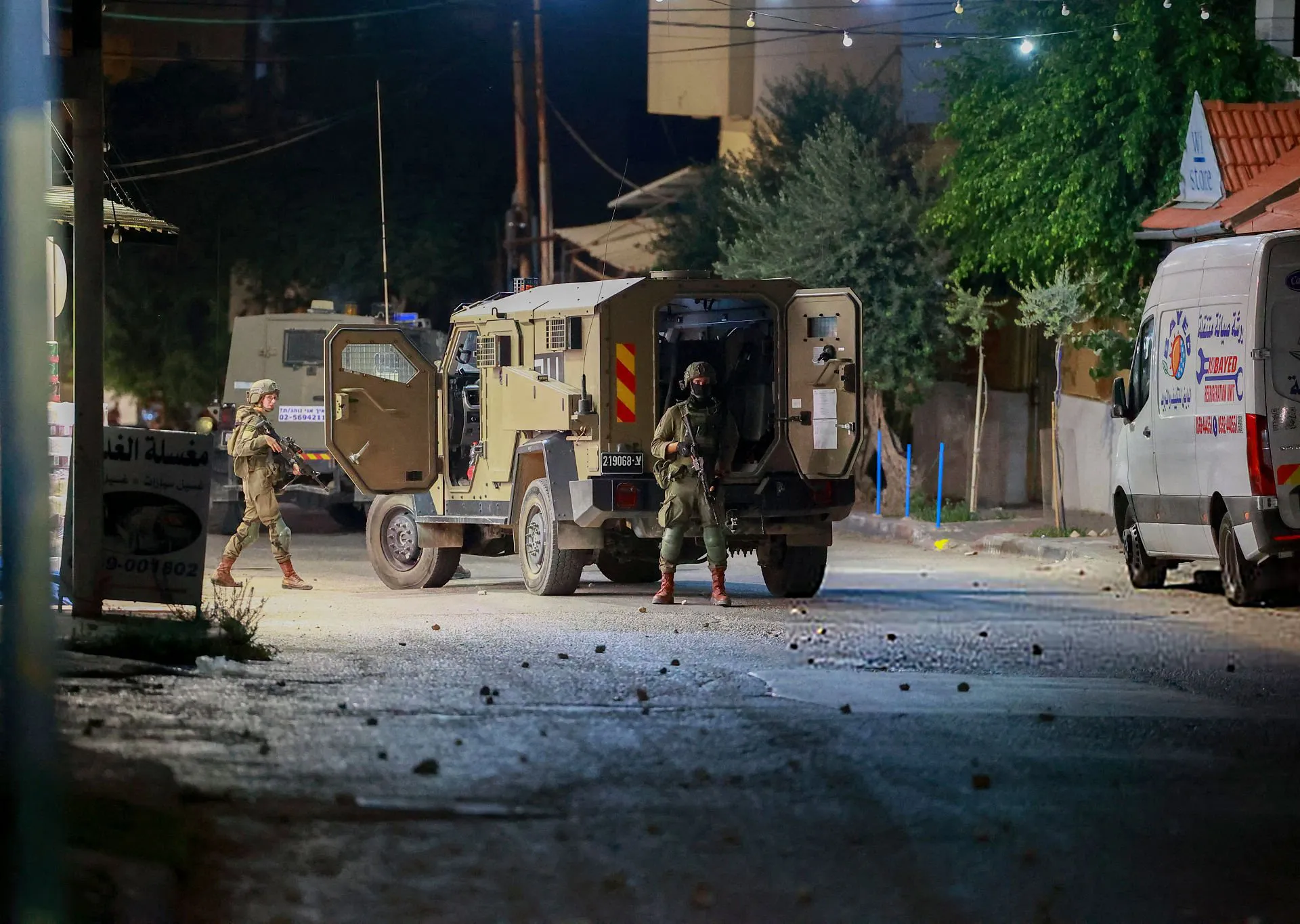
Media sources reported that the new regulations define the army's scope of operations within what is known as the 'Yellow Line' only, for the purpose of confronting direct and immediate threats. In contrast, these directives prohibit the execution of any military operations in distant areas or deep inside Lebanese territory, specifically in the cities of Beirut and Tyre, thereby reducing the maneuverability previously available.
Reports indicate that this step reflects a new direction for the Trump administration aimed at curbing Israeli military excesses not only in the Lebanese arena but also on multiple other fronts. Sources quoted a senior Israeli official as saying that recent American messages were firm regarding the end of the right to military action without prior restrictions.
This new American approach directly contradicts previous statements by Israeli Prime Minister Benjamin Netanyahu, who repeatedly affirmed that his army has complete freedom to operate in the Lebanese security sector. Netanyahu had stressed in video recordings that military operations would continue without a time or spatial limit to ensure the security of northern residents.
In a related context, press reports revealed a deep divergence in views between Washington and Tel Aviv regarding handling the Lebanese file and its regional repercussions. The United States believes that the stability of southern Lebanon is linked to major issues such as navigation security in the Strait of Hormuz and the stability of global energy prices, in addition to the Iranian nuclear file.
Meanwhile, the Israeli government views any retreat or withdrawal from areas it controlled in southern Lebanon as a sign of weakness that Hezbollah might exploit to strengthen its position. Military circles in Tel Aviv fear that these restrictions could lead to the loss of field gains achieved during military confrontations that erupted in the last two years.
This shift comes after the US-Iran agreement came into effect on June 18, an agreement signed by Trump and his Iranian counterpart Masoud Pezeshkian. The agreement includes an explicit clause emphasizing the need to respect Lebanon's territorial integrity and sovereignty, placing Israel before new international obligations that did not exist before.
On the Gaza Strip front, Israeli Chief of Staff Eyal Zamir discussed with senior military commanders the possibility of launching a wide-ranging operation aimed at disarming the Hamas movement. These moves come amid Israeli intelligence reports indicating the increasing influence and organizational capabilities of the movement within the Strip despite years of protracted war.
Despite the proposed military plans, there is a state of concern within the Israeli security establishment regarding President Trump's stance on any widespread escalation in Gaza. Estimates anticipate that the White House will oppose any major military operation that could undermine new regional understandings, or show unexpected flexibility regarding the issue of factional weapons.
On the ground, the ceasefire agreement in Gaza, signed in October 2025, continues to witness daily Israeli violations in the form of intermittent shelling and gunfire. These continuous violations have resulted in hundreds of martyrs and wounded, threatening the collapse of the fragile calm that followed a devastating war lasting more than two years.
It is worth noting that the Israeli aggression on the Gaza Strip since October 2023 has resulted in a heavy toll exceeding 73,000 martyrs and more than 173,000 wounded. Military operations have also caused the destruction of nearly 90% of civilian infrastructure, leaving the Strip in an unprecedented humanitarian crisis in modern history.
International political circles are monitoring the extent of Israel's commitment to the new American restrictions and whether they will effectively lead to de-escalation in the region. It appears that the coming phase will witness a conflict between the Israeli desire for military decisive action and the American vision seeking to achieve major diplomatic accomplishments before the upcoming elections.
The message we received in recent weeks from the Americans is clear: you had the right to operate without restrictions, and that has ended.

شارك برأيك
US Pressure Imposes Restrictions on Israeli Army Movements in Lebanon and Gaza