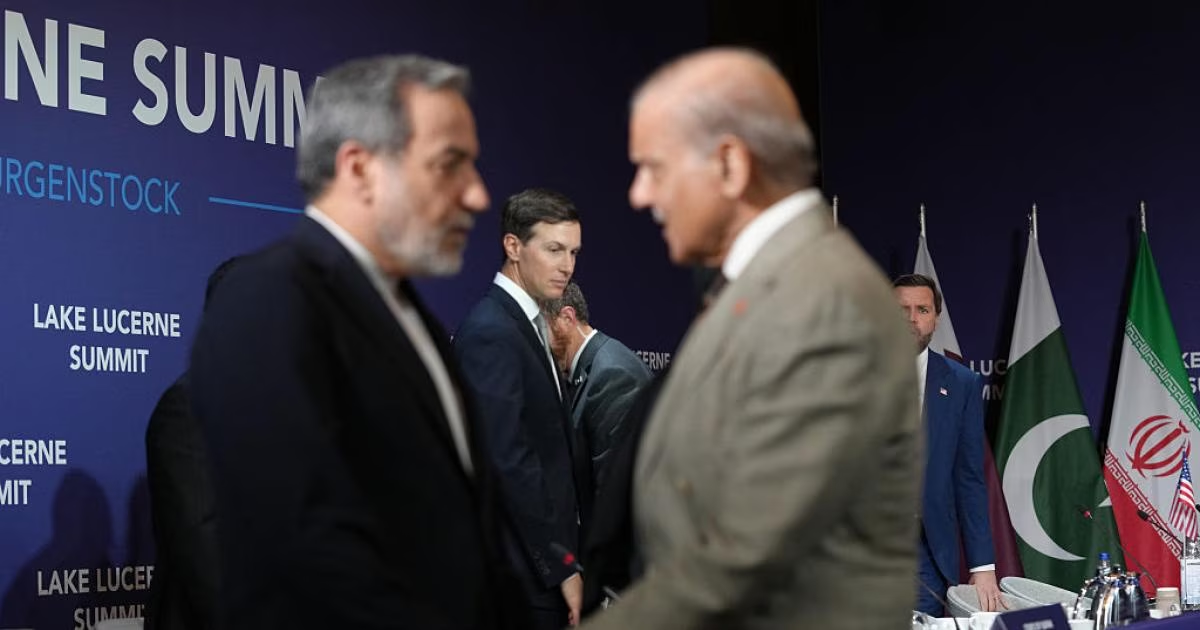







A new round of technical talks between the Islamic Republic of Iran and the United States of America began today, Monday, in Switzerland, aimed at discussing mechanisms for implementing the joint memorandum of understanding and forming specialized working groups. These meetings are taking place under the patronage of the mediating countries, Qatar and Pakistan, to bridge viewpoints on thorny and complex issues.
The Iranian delegation in this technical round is headed by Deputy Foreign Minister Kazem Gharibabadi, accompanied by a high-level team including experts in political, economic, and legal fields. This step follows intensive consultations held behind closed doors to ensure the precise formulation of executive frameworks for the initial agreements.
Informed sources reported that a high-ranking Iranian delegation, including Parliament Speaker Mohammad Bagher Ghalibaf and Foreign Minister Abbas Araghchi, left Switzerland returning to Tehran after a round of indirect consultations that lasted approximately 18 hours. This round was characterized by a focus on outstanding issues that require high-level political decisions before moving on to technical details.
For its part, the Swiss Ministry of Foreign Affairs expressed its welcome for the tangible progress achieved during these discussions, describing the atmosphere as positive. Despite the official welcome, the Swiss side preferred not to delve into the precise details of the results achieved, leaving the announcement to the concerned parties and mediators.
The Iranian negotiating delegation revealed a significant breakthrough in obtaining official American documents stipulating the lifting of sanctions on the oil and petrochemical sectors for 60 days. This step is seen as a gesture of goodwill from Washington to encourage Tehran to move forward in the regional and nuclear negotiation process.
On the regional level, the two parties reached initial understandings aimed at maintaining the stability of the security situation in Lebanon and preventing military escalation. These understandings include the establishment of an international monitoring mechanism that grants Iran an official role in the Lebanese security equation, which is considered a fundamental shift in managing regional issues.
The agreements also included a move towards establishing a direct communication line regarding navigation in the Strait of Hormuz, to ensure the security of waterways and avoid military friction. This mechanism aims to enhance Iranian sovereignty in its territorial waters while providing international guarantees for the safety of global trade.
Regarding the nuclear file, Iranian Foreign Ministry spokesman Esmaeil Baghaei clarified that discussions in this regard were very brief and did not delve into complex technical details. Baghaei indicated that what happened was a mutual presentation of initial positions, emphasizing that comprehensive nuclear negotiations have not officially begun yet.
In contrast, a state of anticipation and caution prevails in Israeli circles regarding the outcomes of the Switzerland talks and their impact on the northern front. Media sources reported that Tel Aviv is closely monitoring the drafting of the final statement and the proposed security arrangements that may affect its influence in the region.
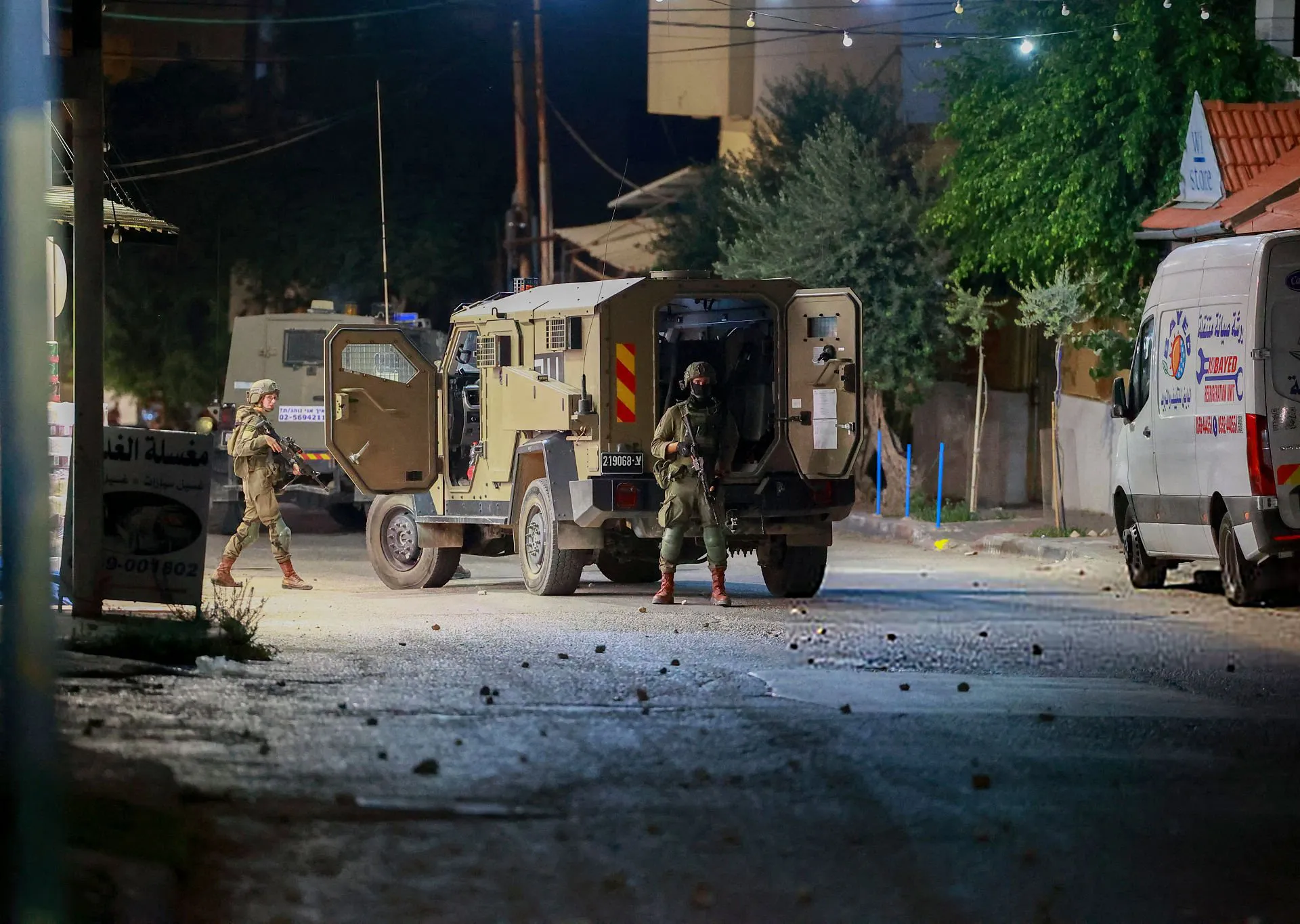
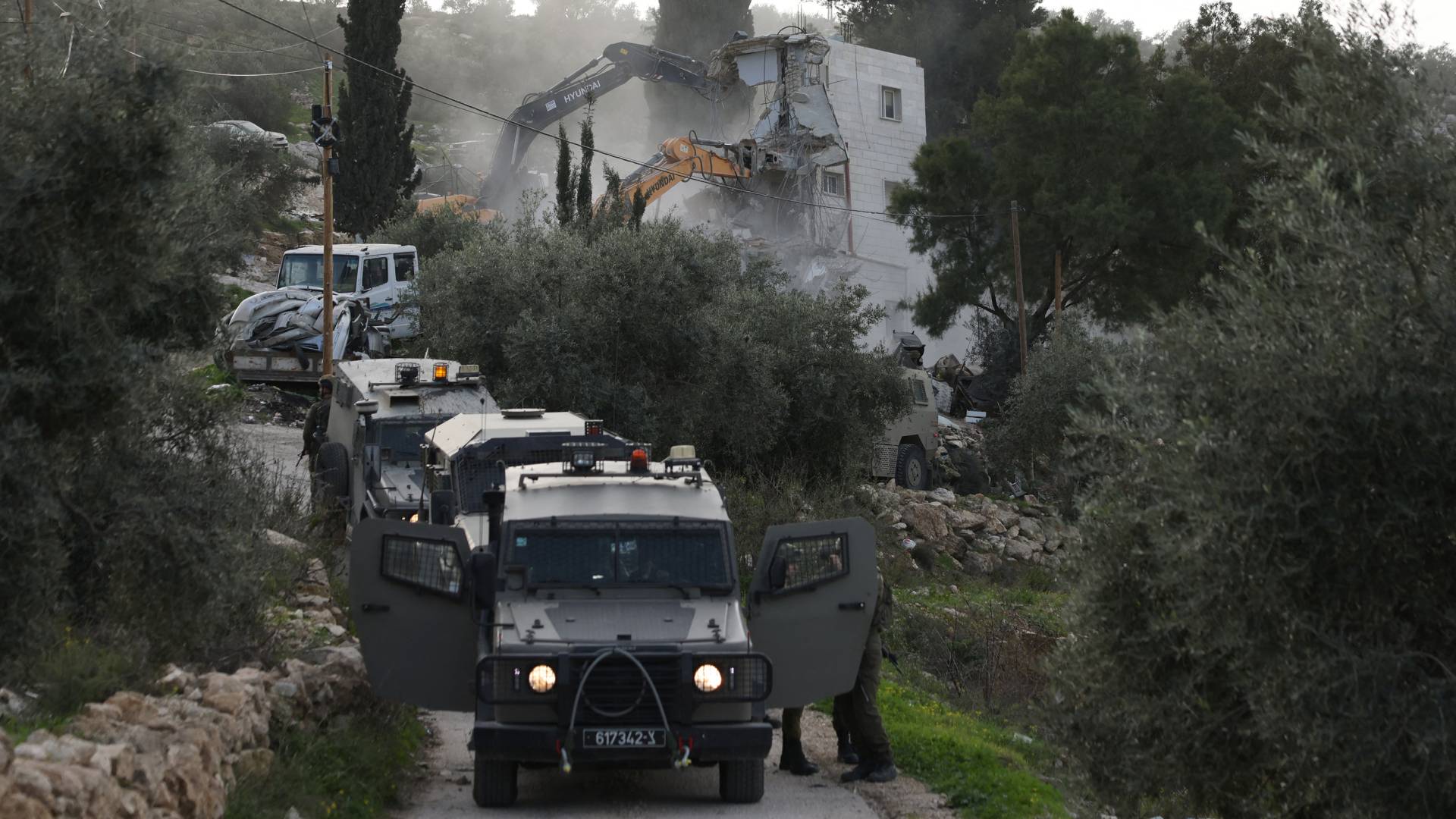
The Israeli government attempted to preempt the results through media leaks speaking of the army's intention to carry out partial withdrawals from positions in southern Lebanon. This step, according to observers, aims to demonstrate an independent Israeli political initiative before anticipated negotiation rounds begin in Washington with the participation of Lebanese parties.
Despite these leaks, Israeli Prime Minister Benjamin Netanyahu and his security minister, Israel Katz, stressed their rejection of any full withdrawal that could weaken Israeli deterrence. Tel Aviv insists on remaining in what it describes as the 'security zone' to prevent any future threats similar to what happened on October 7th.
Through its field and political actions, Israel seeks to emphasize that any change in the positioning of its forces is a sovereign decision and not the result of international pressure. Attention is now turning to Washington, where an Israeli-Lebanese negotiation session is expected to be held to discuss final border arrangements in light of the new diplomatic climate.
The talks resulted in American documents related to the lifting of sanctions on the oil and petrochemical sectors for 60 days, along with regional understandings.
شارك برأيك
Switzerland Talks Between Tehran and Washington: Oil Understandings and a New Monitoring Mechanism in Lebanon